Understanding Live Streaming Production
Live streaming production has become an essential component of modern digital communication, allowing organizations, brands, and individuals to broadcast real-time video content across various online platforms. This process involves a complex integration of technical expertise and creative vision, ensuring that the final output is seamless, engaging, and of high visual and audio quality. Delivered in real-time, live streaming requires precise coordination of multiple elements to achieve a smooth transmission that captures the audience's attention and effectively communicates the intended message.
The core components of live streaming production encompass video capture, encoding, transmission, and playback. Video capture involves the use of professional cameras and audio equipment to ensure clarity and precision. These feeds are then processed through encoding hardware or software that compresses the data into a suitable format for internet delivery. The transmission phase involves reliable streaming servers and platforms that distribute the content to viewers, often utilizing Content Delivery Networks (CDNs) to minimize latency and buffering. Finally, playback includes the viewer interface, where the audience engages with the content seamlessly across various devices and connection speeds.
Successful live streaming also depends heavily on pre-production planning, including setting strategic objectives, selecting appropriate technology, and rehearsing technical setups. During the event, production experts monitor the live feed, manage transitions, switch between multiple cameras or visual sources, and respond to any unforeseen technical issues swiftly. Post-event, the content may be archived or repurposed for future use, adding value to the live streaming investment.

In essence, live streaming production combines art and science—requiring technical proficiency, strategic planning, and creative storytelling—making it a vital tool for virtually any event or broadcast that aims to reach a wide audience effectively.
Roles and Skills of Live Streaming Production Experts
Live streaming production experts play a crucial role in ensuring that each broadcast is executed flawlessly. These professionals possess a diverse skill set that encompasses technical proficiency, quick decision-making, and creative problem-solving. Their responsibilities include managing and operating advanced video and audio equipment, coordinating multiple camera feeds, overseeing encoding and transmission processes, and troubleshooting technical issues in real-time to prevent interruptions.
Mastery of various software platforms is essential for live streaming experts, including control systems for switching between camera angles, graphic overlays, and on-screen information. They must also be adept at managing sound quality, ensuring synchronization between audio and video streams, and maintaining network stability, especially during high-demand events.
Furthermore, these experts often serve as project managers, collaborating closely with clients and event coordinators to understand the broadcast objectives and tailor production workflows accordingly. Their ability to adapt swiftly to changing conditions during live events minimizes downtime and enhances the audience's viewing experience. Excellent communication skills are vital when coordinating with crew members, talent, and technical staff to maintain seamless operation.
Specialized knowledge in streaming protocols and delivery networks is another key attribute. Experts work with platforms supporting various streaming standards such as RTMP, HLS, and DASH to reach diverse audiences reliably. They also stay updated with emerging technologies like 4K broadcasting, live graphics integration, and immersive media, which are shaping the future of live streaming production.
In Miami, a vibrant hub for digital media, live streaming specialists often possess in-depth knowledge of local venues, regulations, and audience preferences. This regional expertise enhances their ability to deliver tailored solutions that resonate with the local community and maximize viewership. They also maintain a network of trusted vendors and partners to source reliable equipment and technological support, ensuring consistent service quality regardless of the event scale or location.
Overall, the combination of technical skill, creative insight, and regional understanding distinguishes top-tier live streaming production experts. Their role is pivotal in transforming complex broadcasts into engaging, professional content that captures and retains audience attention across different platforms and devices.
Key Equipment and Technology Used by Experts
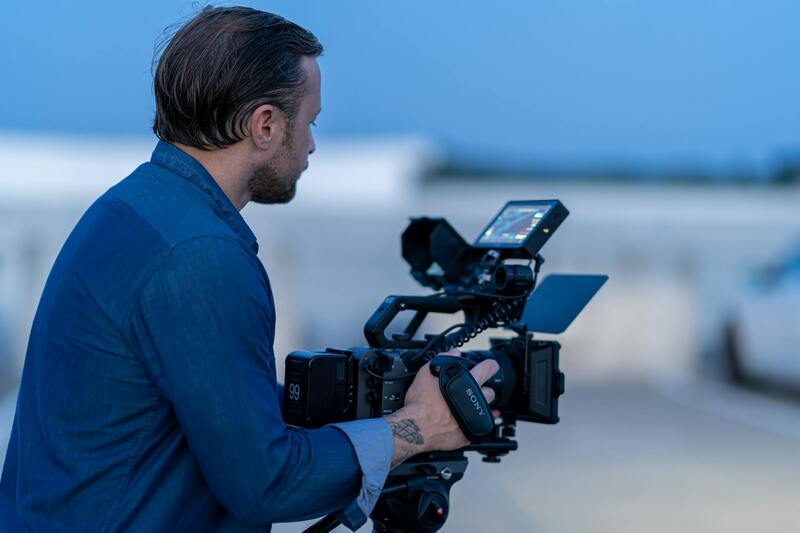
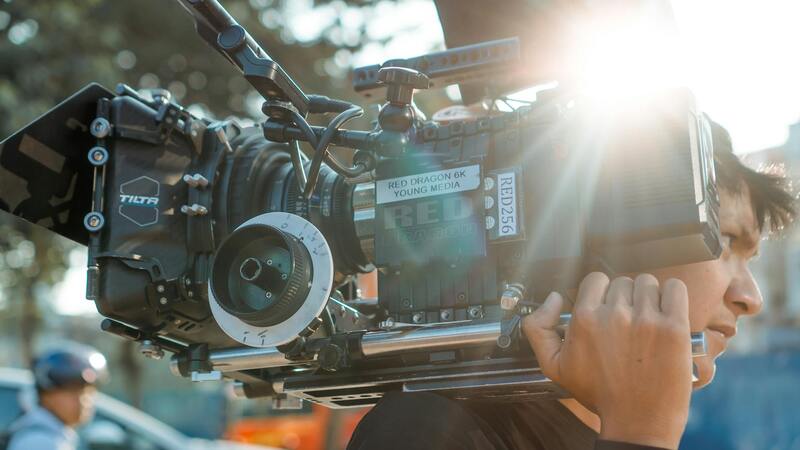
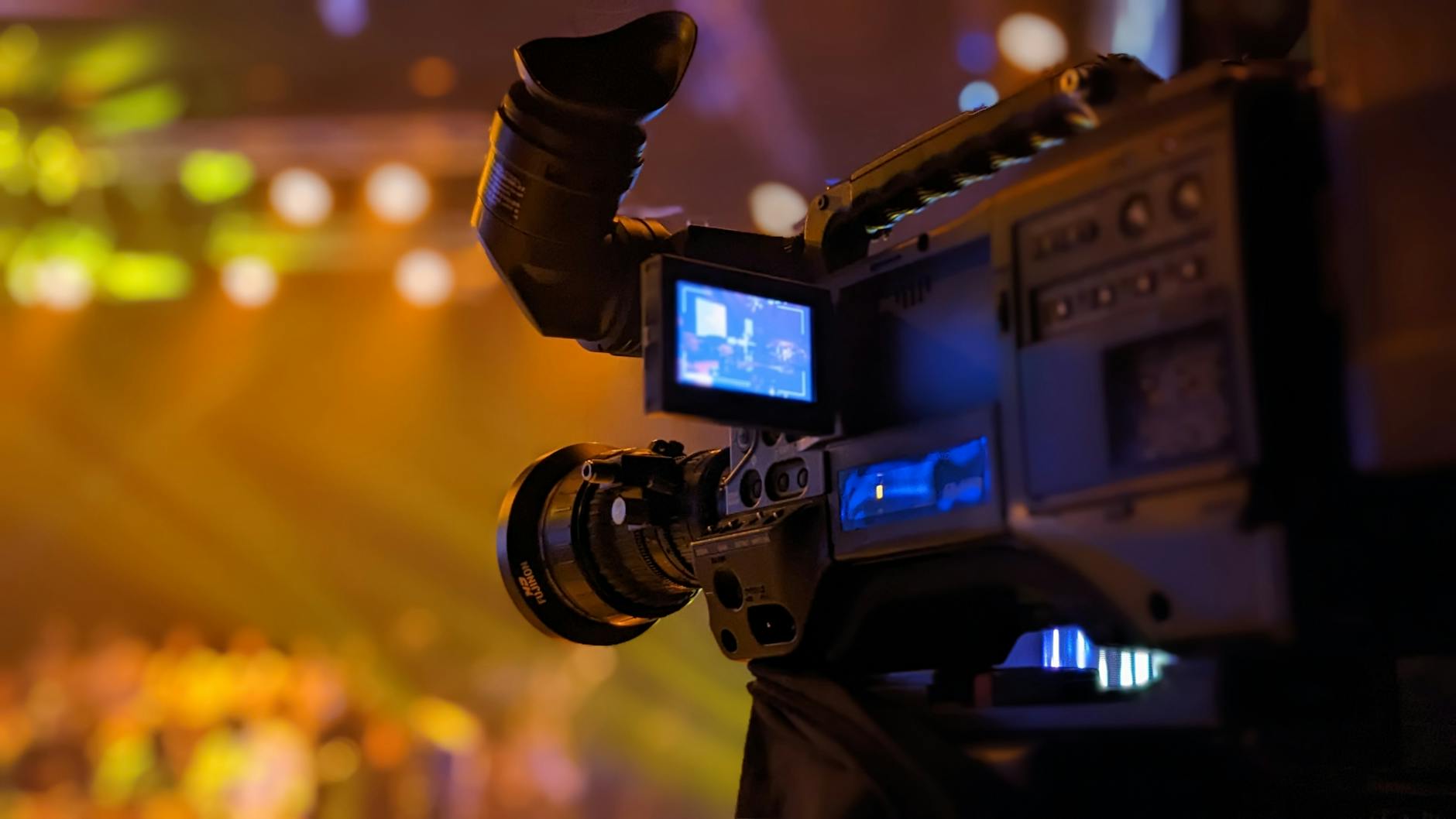
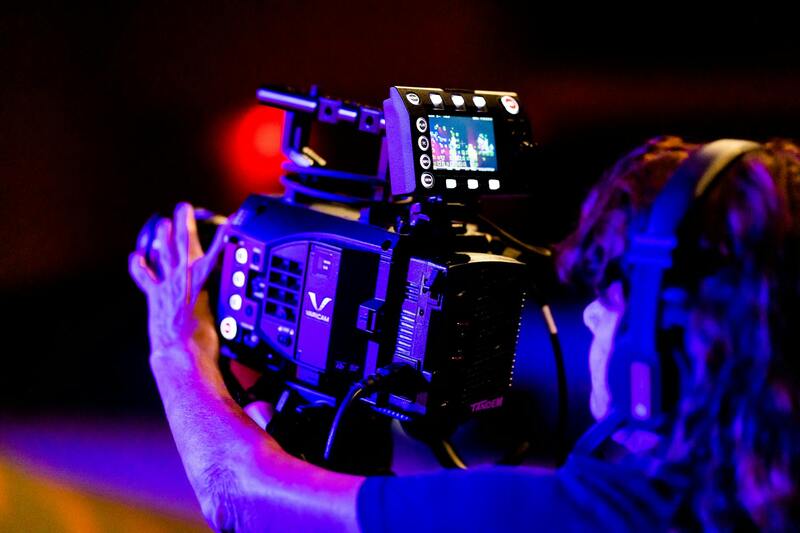
To deliver high-quality live streaming experiences, production experts rely on an array of advanced hardware and software tools that ensure smooth transmission and optimal viewer engagement. Central to their setup are professional cameras capable of capturing high-definition footage, often including 4K cameras for exceptional clarity and detail, especially during large-scale events or high-profile broadcasts. These cameras are typically supported by high-quality tripods, camera mounts, and stabilization equipment to maintain steady shots regardless of venue conditions.
Additionally, experts utilize multi-channel switchers and mixers that allow seamless integration of multiple video sources, such as camera feeds, graphic overlays, and pre-recorded content. These devices enable real-time editing and transitions, ensuring a polished broadcast without delays. Audio quality is equally vital; therefore, high-fidelity microphones, audio mixers, and sound processing equipment are employed to guarantee clear sound, even in noisy environments or large venues.
Streaming hardware, such as professional encoders or external streaming boxes, play a crucial role in transmitting the live feed to various platforms. Encoders convert the raw video signals into compressed streams compatible with streaming protocols like RTMP, HLS, or DASH, ensuring efficient bandwidth use and reliable delivery. Routers and network management devices are also integral, providing stable internet connections and preventing interruptions during critical moments.
On the software side, production experts utilize sophisticated streaming platforms and software solutions such as vMix, OBS Studio, Wirecast, or Livestream Studio. These applications facilitate live mixing, scene switching, graphic overlay insertion, and real-time analytics monitoring. They also support integrating multiple sources, remote presenter feeds, and on-screen templates, all vital for creating a dynamic viewing experience.
Emerging technologies further enhance live streaming quality and engagement. High-performance graphics hardware for real-time overlays, immersive virtual reality elements, and multi-camera IP streaming systems are becoming common tools in the expert’s arsenal. These innovations enable broadcasters to deliver more engaging content, from sports and concerts to corporate events and webinars, in formats that suit the audience's expectations and technological advances.
Moreover, cloud-based solutions are increasingly adopted for scalable streaming, allowing experts to manage multiple events simultaneously with flexible resource allocation. Cloud encoding, live video routers, and collaboration tools streamline operations, reduce costs, and increase reliability for live broadcasts across Miami's diverse event landscape.
Understanding Live Streaming Production
Live streaming production encompasses the comprehensive process of planning, filming, and broadcasting real-time video content through digital platforms. It requires meticulous coordination of multiple technical and creative elements to ensure a smooth, engaging viewer experience. Professionals in this field are responsible for managing all facets—from configuring the production setup to overseeing transmission quality, ensuring consistent and high-definition delivery to audiences across various devices and locations.
Executing an effective live stream involves a blend of technical expertise, creative vision, and efficient project management. From pre-event planning, such as scriptwriting, shot listing, and technical rehearsals, to the operational phase where live switching, graphic overlays, and audio mixing occur, each step is vital. Post-event, the focus shifts to analysis, audience engagement, and content dissemination, making live streaming production a continuous cycle of quality improvement.
Roles and Skills of Live Streaming Production Experts
Professionals specializing in live streaming production possess a diverse set of skills that combine technical proficiency with creative insight. Key roles include:
- Live Director: Oversees the entire production process, makes real-time decisions on camera angles, transitions, and graphic inserts, and coordinates the crew for smooth operation.
- Camera Operators: Manage multiple camera feeds, ensuring proper framing, focus, and movement to capture the desired content effectively.
- Audio Technicians: Handle sound quality, mixing microphones, ambient audio, and ensuring clarity and balance throughout the broadcast.
- Graphics and Visual Effects Specialist: Create and implement overlays, lower-thirds, and other visual elements that enhance viewer engagement and information delivery.
- Technical Support Staff: Manage network connectivity, hardware maintenance, and troubleshoot any issues that emerge during the live event.
Expertise in network management, familiarity with streaming platforms, and understanding audience analytics are also critical skills that enable these professionals to produce high-quality live content reliably. Experience with multi-camera setups, remote guest integration, and real-time editing significantly enhances the overall production value, making these experts essential for any live broadcast aiming to reach and captivate a broad audience.
Key Equipment and Technology Used by Experts
The success of high-quality live streaming heavily relies on deploying cutting-edge equipment and sophisticated technology. A typical professional setup includes:
- Video Cameras: High-definition, 4K cameras with remote control capabilities ensure sharp image quality with multiple angles captured simultaneously.
- Encoding Hardware and Software: Hardware encoders like Teradek and software solutions such as vMix or OBS facilitate reliable compression and streaming of live video signals.
- Audio Equipment: Wireless microphones, audio mixers, and digital interface units maintain pristine sound quality and allow for versatile audio sources.
- Switchers and Mixers: Video switchers enable seamless transitions between cameras, overlays, and pre-recorded content, often handled via hardware consoles or software interfaces.
- Network Infrastructure: High-speed internet connections, network routers, and redundancy systems minimize latency, reduce buffering, and prevent interruptions during critical moments.
- Graphics and Overlay Systems: High-performance graphics hardware integrated with software like vMix or Wirecast allows real-time insertion of visual elements, enhancing the production's professional appearance.
- Virtual and Augmented Reality Tools: Emerging technologies incorporate immersive elements that elevate viewer engagement and interactivity during live streams.
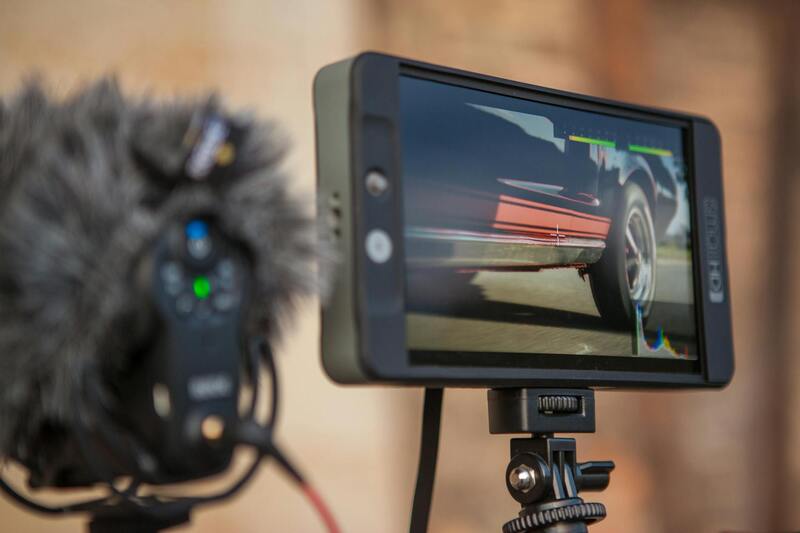
As technology continues advancing, live streaming experts constantly adapt by integrating innovative tools such as cloud-based encoding solutions, multi-camera IP streaming systems, and real-time analytics platforms. These tools enable the production of more dynamic, engaging content across diverse platforms, from social media channels to dedicated streaming services, ensuring audiences receive a consistent and high-quality viewing experience regardless of location.
Roles and Responsibilities of Live Streaming Production Experts
Live streaming production experts are quintessential to transforming a basic broadcast into a seamless, engaging digital experience. Their roles encompass a broad spectrum of specialized functions, requiring a versatile skill set and meticulous attention to detail. These professionals coordinate pre-production planning, ensuring that all elements—from equipment setup to content flow—are optimized for a smooth execution. During the event, they oversee real-time operations such as camera switching, graphics integration, audio management, and broadcast stability, often making quick adjustments to address unexpected challenges.
Their responsibilities also include overseeing the technical team, managing multiple video and audio sources, and ensuring synchronization across all elements to deliver a cohesive presentation. Beyond technical execution, they collaborate closely with content creators and event organizers to meet specific branding and messaging goals. Their expertise extends into troubleshooting potential disruptions swiftly, applying their comprehensive understanding of live video workflows and network infrastructure to minimize downtime and quality degradation.
It’s imperative that live streaming experts possess a wealth of knowledge spanning several areas. Strong technical proficiency with video switching equipment, streaming software, and encoding hardware forms the core of their capabilities. Enhancing this, they also bring up-to-date familiarity with emerging technologies, such as multi-camera streaming systems and cloud-based broadcast solutions, allowing them to deploy innovative approaches that captivate viewers. Additionally, a deep understanding of audience engagement strategies—like timed overlays, interactive polls, and real-time chat moderation—maximizes the impact of live streams and sustains viewer interest throughout the broadcast.
Effective communication and organizational skills are vital, as these experts often serve as the backbone of the production, liaising between technical teams, clients, and on-air talent to ensure clarity and alignment of objectives. Their ability to anticipate potential issues and implement proactive solutions often sets the stage for highly successful live streaming events that reflect professionalism, reliability, and high-quality viewer experiences.
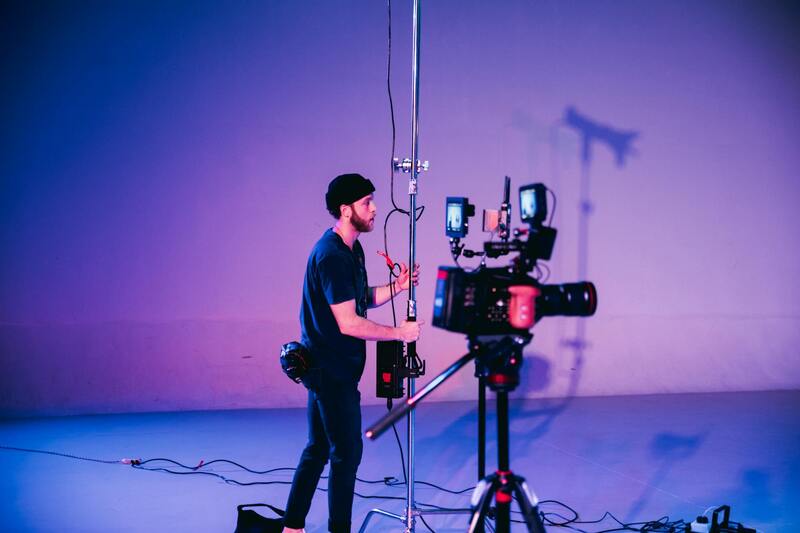
Factors to Consider When Choosing Live Streaming Experts
Identifying the right live streaming production experts requires careful evaluation of several critical factors to ensure the event’s success. One of the primary considerations is their depth of experience in managing live broadcasts across various industries and event types. Experts with a proven track record demonstrate their ability to handle complex production scenarios seamlessly, from small corporate webinars to large-scale public events. Their familiarity with different streaming platforms, content formats, and technical environments ensures they can adapt to specific project needs effectively.
Technical capabilities serve as a cornerstone for competent live streaming professionals. Prospective clients should assess their familiarity with industry-standard equipment—including video switching consoles, high-definition encoders, and robust audio systems. An in-depth understanding of network infrastructure is equally vital; experts should have strategies in place for managing bandwidth fluctuations, latency issues, and potential disruptions. Modern live streaming also often involves integrating multiple media sources, such as 4K cameras, drone footage, and real-time graphics, which requires advanced technical competence.
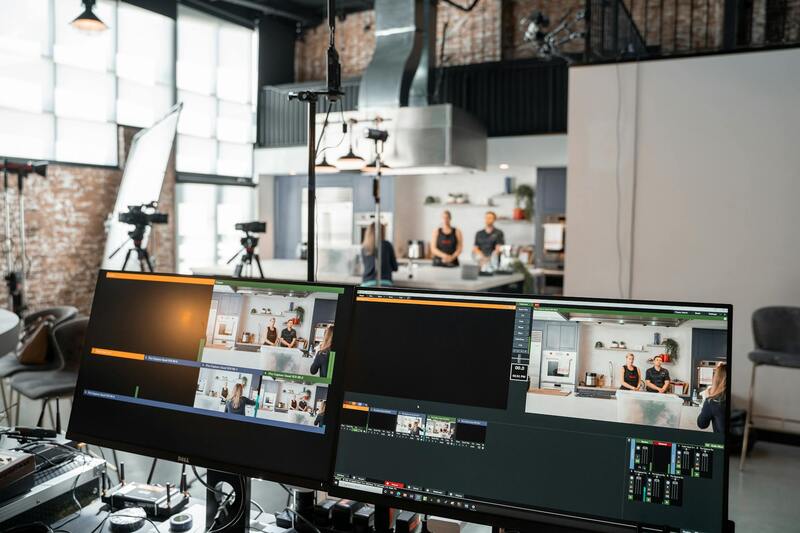 igurecaption> Assessing the technology literacy of potential live streaming partners ensures seamless operations during broadcasts
Additionally, reputation and client feedback provide valuable insights into the professionalism and reliability of experts. Past project reviews can reveal their ability to deliver on time, communicate effectively, and handle unforeseen obstacles without compromising quality. It’s essential to consider their collaborative approach and how well they coordinate with clients, on-site staff, and on-screen talent. An experienced team will also showcase strong organizational skills, ensuring all elements of the production are synchronized efficiently.
Best Practices for Successful Live Streaming Events
- Pre-Event Planning: Conduct comprehensive rehearsals, verify all equipment functionality, and develop a detailed production timeline.
- Technical Redundancy: Implement backup systems for internet connectivity, audio, and video sources to mitigate failures.
- Engagement Strategies: Incorporate interactive features like live polls, Q&A sessions, and consistent visual overlays to maintain viewer interest.
- Clear Communication: Maintain open channels among technical teams, hosts, and organizers to ensure all participants are aligned.
- Monitoring and Troubleshooting: Assign dedicated personnel for real-time monitoring, ready to address any technical issues immediately.
- Post-Event Analysis: Review broadcast analytics, gather feedback, and document lessons learned to improve future streams.
Future Trends in Live Streaming Production
The landscape of live streaming continues to evolve with technological innovations that promise to enhance viewer experiences and streamline production workflows. Next-generation workflows are increasingly incorporating cloud-based solutions, allowing for scalable, flexible, and cost-effective management of broadcasts. Multi-view streaming, enabled by 5G connectivity and advanced encoding algorithms, enhances real-time collaboration across dispersed teams, ensuring high-quality streams with minimal latency.
Artificial intelligence and machine learning are beginning to play a significant role in automating production tasks such as camera switching, audio leveling, and content moderation. These innovations not only increase efficiency but also improve the overall quality of broadcasts. Virtual and augmented reality integrations are opening new immersive possibilities, captivating audiences with interactive 3D visuals and virtual environments.
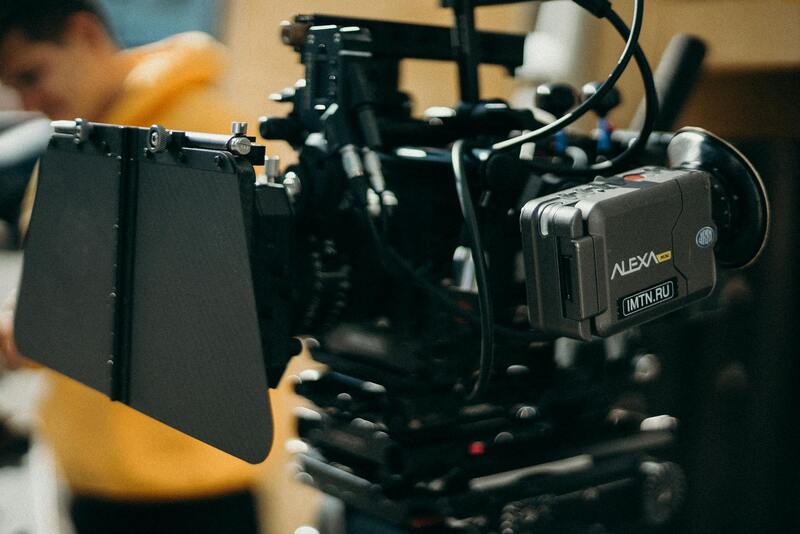 igurecaption> Emerging technologies like AI-driven automation are transforming live streaming production
With the growing demand for high-quality, engaging content, live streaming experts must stay ahead of industry trends and adapt their workflows accordingly. Embracing innovative technology, investing in continuous skill development, and understanding evolving viewer preferences are critical for delivering compelling live broadcasts that resonate with modern audiences.
Choosing the Right Live Streaming Production Experts for Your Project
Understanding the Value of Experienced Professionals
selecting the appropriate live streaming production experts requires a thorough evaluation of their expertise, track record, and ability to adapt to the specific needs of each broadcast. Professionals with a deep understanding of production workflows ensure seamless integration of technical elements, from camera operation to audio management. Their proficiency in handling unforeseen challenges minimizes disruptions, maintaining high standards throughout the live event.
Expertise in the latest broadcast standards, familiarity with evolving streaming platforms, and a proven history of managing similar projects are key indicators of a qualified team. The ability to coordinate multiple team members efficiently, oversee complex sets of equipment, and communicate effectively under pressure are qualities that distinguish top-tier specialists in Miami's dynamic media landscape.
Assessing Technical Proficiency and Creativity
The intersection of technical skill and creative vision is vital in delivering engaging live streams. Experts who stay abreast of technological advancements can leverage cutting-edge software and hardware to enhance production quality. They should demonstrate a nuanced understanding of live switching, graphics integration, and multi-camera setups to craft visually compelling content.
Additionally, creative input from production teams can elevate a simple broadcast into an immersive experience. Whether it’s dynamic visuals, strategic camera angles, or innovative use of overlays, their proficiency directly impacts viewer engagement and satisfaction.
Consulting Local Knowledge to Maximize Impact
Local production experts bring invaluable insights into Miami’s unique media environment. They understand regional broadcasting regulations, audience preferences, and logistical nuances that can influence the overall success of a live event. Their familiarity with popular venues and access to local resources ensures streamlined operations and optimal use of available technology.
For instance, Miami’s vibrant cultural scene and diverse viewer base demand tailored content strategies, which local experts can effectively implement. Their network of trusted vendors and technicians also facilitates swift problem-solving, ensuring the broadcast remains on schedule and maintains high quality.
Verifying Credentials and References
When selecting live streaming experts, reviewing credentials, certifications, and client references provides reassurance of their professional standing. A reputable team will readily share examples of past projects that demonstrate their capacity to handle diverse broadcast scenarios. Additionally, certifications in broadcasting technologies, network management, and production safety offer further validation of their technical competence.
Testimonials from previous clients can reveal insights into their reliability, responsiveness, and ability to deliver on promises. Factoring in these references as part of your decision-making process helps ensure your live stream will be produced by a trustworthy, competent team capable of meeting your specific objectives.
Evaluating Communication and Support During the Event
Effective communication is critical during live broadcasts. Production experts should offer proactive planning sessions, clear technical guidelines, and real-time support to address any issues swiftly. Their team must be highly responsive to feedback and adaptable to on-the-fly adjustments, which are often necessary in a live setting.
Establishing a comprehensive contingency plan with your selected experts ensures preparedness for potential technical failures, network disruptions, or unforeseen changes. This proactive stance mitigates risks and promotes a smooth viewing experience for your audience.
Skilled live streaming production experts combine technical mastery with strategic foresight, ensuring your broadcast not only meets technical standards but also resonates with viewers through compelling presentation and seamless execution.
Understanding Live Streaming Production
Live streaming production involves the comprehensive management of all technical and logistical aspects involved in broadcasting live content to audiences over the internet. It encompasses planning the event, configuring equipment, coordinating camera angles, managing audio quality, and ensuring smooth transmission throughout the broadcast. Live streaming production experts specialize in creating engaging, high-quality streams that effectively convey the intended message, whether for corporate events, concerts, webinars, or sports tournaments.
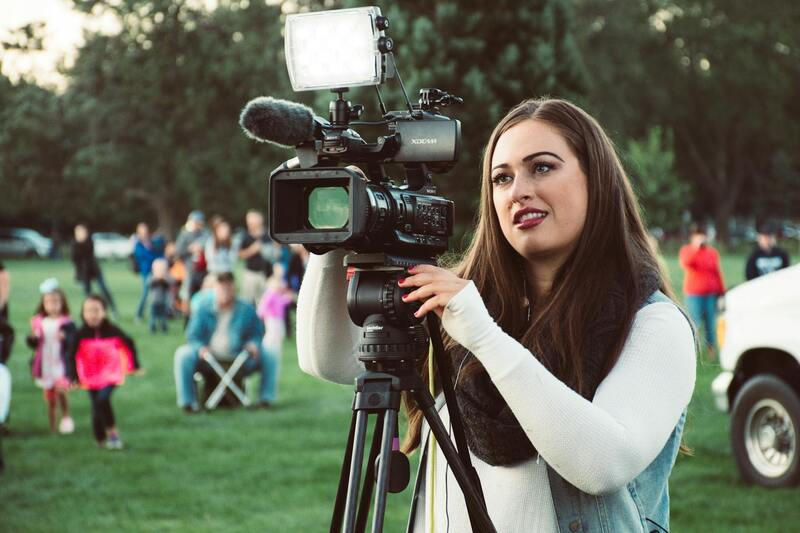
These specialists pay close attention to detail, ensuring synchronization between various input sources, seamless switching between camera angles, and optimal audio-visual quality. They are well-versed in bandwidth management and network protocols, which are crucial to prevent interruptions or degradation of the broadcast. Moreover, live streaming production requires meticulous coordination among team members, including technical directors, camera operators, sound engineers, and producers, to deliver a cohesive viewing experience.
Roles and Skills of Live Streaming Production Experts
Professionals in this field bring a diverse set of skills, integrating technical expertise with creative storytelling. Their roles may include:
- Technical Director: overseeing the entire broadcast flow and making real-time decisions regarding camera switching and overlays.
- Camera Operators: capturing high-quality footage tailored to the event’s mood and content.
- Audio Engineer: ensuring clear sound quality, balancing multiple audio sources, and managing live microphones.
- Production Coordinator: managing schedules, technical rehearsals, and coordinating communication among team members.
- Network Specialist: monitoring and optimizing internet connectivity to facilitate uninterrupted streaming.
Successful experts possess skills beyond technical knowledge, including problem-solving abilities, adaptability under pressure, and strong communication skills. Certifications in broadcast technology, familiarity with streaming platforms, and experience handling large-scale events contribute to their proficiency and reliability.
Key Equipment and Technology Used by Experts
Advanced live streaming demands the use of specialized equipment to achieve professional results. Typical tools include:
- Multiple high-definition cameras capable of capturing different angles.
- Switchers and mixers to facilitate transitions and overlays during live broadcasts.
- Audio mixing consoles and microphones to capture and control sound quality.
- Encoding hardware and software to compress and transmit video data efficiently.
- Reliable internet connections with backup options like mobile hotspots or dedicated fiber lines.
- Live streaming platforms or content delivery networks (CDNs) to distribute content seamlessly across multiple devices and regions.
Types of Live Streaming Services Offered
Live streaming experts provide a variety of services tailored to different event types and client needs:
- Corporate Live Streams: for product launches, conferences, and webinars aimed at internal teams or external audiences.
- Event Broadcasts: covering concerts, sports, and entertainment events with real-time engagement.
- Educational Streaming: delivering classes, seminars, or training sessions to remote learners.
- Religious and Community Service Streaming: broadcasting religious ceremonies, community meetings, or charity events.
- Hybrid Events: combining in-person and virtual participation with seamless online integration.
Importance of Local Knowledge in Miami
Miami’s diverse cultural landscape and unique geographic characteristics make local expertise invaluable. Live streaming production teams familiar with Miami's infrastructure understand the best venues, signal interference factors, and local regulations, ensuring a smooth broadcast. They are aware of the areas prone to connectivity issues and can proactively implement solutions, such as portable internet solutions or strategic equipment placement. Moreover, local experts have established relationships with venues, vendors, and talent agencies, which streamlines logistics and enhances the overall quality.
Factors to Consider When Choosing Live Streaming Experts
Clients seeking live streaming professionals should evaluate several critical factors:
- Technological Capabilities: Verify that the team uses current equipment and supports the desired platforms.
- Experience with Similar Events: Review their portfolio and references, particularly for events similar to yours.
- Customization Options: Ensure they can tailor services to meet specific event requirements.
- Responsiveness and Support: Confirm availability for pre-event planning and real-time troubleshooting.
- Pricing Transparency: Clarify the scope of services included and associated costs upfront.
- Local Market Knowledge: Prefer teams with extensive experience in the Miami area for better logistical management.
Best Practices for Successful Live Streaming Events
Effective live streaming hinges on meticulous planning and execution. To optimize results:
- Conduct thorough pre-event technical rehearsals to identify potential issues.
- Establish clear communication channels among team members and clients.
- Create detailed contingency plans addressing possible technical failures.
- Ensure high-quality audio with backup microphones and audio feeds.
- Use multiple cameras with different shots to make the stream visually engaging.
- Stream at suitable bitrates to balance quality and stability based on available bandwidth.
- Engage viewers through interactive features, such as live chats or Q&A sessions.
- Monitor the broadcast continuously and respond swiftly to any anomalies.