
Understanding Live Stream Video Production
Live stream video production is a dynamic process that combines the art of videography with advanced broadcasting technology to deliver real-time visual content to audiences across the globe. It encompasses a series of meticulously coordinated steps, from planning and capturing footage to the transmission of high-quality video streams through digital platforms. As organizations and businesses increasingly recognize the power of live streaming, the significance of a professionally managed production process becomes evident, especially in vibrant markets like Miami. In essence, live stream video production involves several core elements: content creation, technical setup, quality control, and distribution. This process ensures that viewers receive an engaging and seamless visual experience, whether for corporate presentations, product launches, conferences, or entertainment events. The importance of properly executed live streams extends beyond mere broadcasting; it enhances brand visibility, broadens audience reach, and fosters real-time interaction with viewers. In Miami—a city known for its diverse industries, lively events, and innovative businesses—having a reliable live streaming infrastructure is vital for maintaining a competitive edge and engaging a global audience. The demand for expert live stream video production continues to grow as organizations seek to leverage the immediacy and immersive qualities of live content. From small business promotional videos to large-scale international conferences, professional live stream setups can elevate the perceived quality of content, ensuring it aligns with brand standards and audience expectations. In addition, professionally produced streams are more likely to attract and retain viewers, converting passive spectators into active participants. Successful live stream video production in Miami requires a comprehensive understanding of the technical and creative aspects involved. This includes selecting appropriate equipment, understanding the nuances of live transmission, and managing the unpredictable nature of live content. The integration of high-definition video, clear audio, stable internet connections, and efficient streaming platforms collectively contribute to the overall success of a live broadcast. Furthermore, in Miami’s vibrant and multicultural environment, live streaming often involves addressing diverse audience preferences and regional considerations. This may include multilingual commentary, culturally relevant content, and engagement strategies tailored to local demographics. Professional live stream production teams are equipped to handle these complexities, guaranteeing a smooth and impactful broadcast experience. Ultimately, mastering live stream video production not only enhances the quality and reach of visual content but also fortifies a company's or organization’s standing in an increasingly digital world. As Miami continues to grow as a hub for business, entertainment, and innovation, the ability to produce compelling live streams is becoming an invaluable asset for success and expansion.
Understanding Live Stream Video Production
Achieving a seamless and captivating live streaming experience requires meticulous planning and execution of various technical components. The foundation of a successful live stream is built on high-quality visual and audio inputs, reliable transmission methods, and a well-structured production workflow. Ensuring crisp video quality involves selecting cameras capable of capturing in high definition or 4K, depending on the desired fidelity, and configuring them for optimal framing and lighting conditions. Simultaneously, professional-grade audio equipment such as lavalier microphones, shotgun mics, and audio mixers are essential to deliver clear, interference-free sound that enhances viewer engagement.
Furthermore, the choice of encoding hardware or software is critical for encoding and compressing video streams efficiently without sacrificing quality. Live encoders convert raw audio-visual signals into digital formats compatible with streaming platforms. They also accommodate live switching capabilities, allowing producers to transition smoothly between different camera angles, add graphic overlays, and incorporate multimedia content in real-time.
Ensuring a stable internet connection forms the backbone of any successful live broadcast. This necessitates dedicated high-bandwidth internet services and redundancy systems such as backup connections or bonding solutions that combine multiple internet sources. Network stability minimizes buffering, latency issues, and dropped feeds, which are detrimental to viewer experience. In addition, employing Content Delivery Networks (CDNs) helps distribute live content efficiently to audiences across diverse geographical locations, reducing lag and buffering time.
Integrating Production Control and Monitoring Tools
Live stream operators often rely on production control systems, including video switchers and field monitors, to oversee multiple feed inputs. These tools enable precise control over switch timings, audio levels, and graphics integration. Real-time monitoring software provides immediate feedback on stream health, allowing technicians to address issues proactively and prevent disruptions during critical moments of the broadcast.
Ensuring Content Compatibility and Accessibility
For broader reach and audience inclusivity, compatibility with various devices and platforms is imperative. Adaptive streaming protocols like HLS or DASH dynamically adjust video quality based on viewer bandwidth, providing a consistent experience regardless of device type. Additionally, implementing closed captioning, subtitles, and multilingual support expands accessibility and engagement within diverse communities.
The synergy of these sophisticated components combines to produce a compelling live streaming presentation that resonates with viewers and maintains professional standards. As the landscape evolves, ongoing advancements in equipment and technology continue to elevate the quality and effectiveness of live stream video production.
Understanding Live Stream Video Production
Live stream video production involves a complex combination of technical expertise, quality equipment, and strategic planning to deliver real-time content seamlessly to viewers. It requires a comprehensive understanding of signal transmission, encoding, and distribution methods that ensure the broadcast reaches the intended audience with clarity and stability. At its core, live stream production is about creating an immersive experience that engages viewers and conveys the intended message effectively. This process must be meticulously managed to prevent issues such as buffering, video lag, or audio dropout, which can detract from the viewer experience and diminish professional credibility.
Effective live streaming begins with robust infrastructure, including high-quality cameras, audio equipment, and reliable internet connections capable of handling high data throughput. The use of multiple camera angles and audio sources can enrich the viewing experience, offering varied perspectives and clarity. Additionally, integrating real-time graphics, overlays, and transition effects enhances visual engagement. This requires specialized software that allows smooth switchovers and synchronization between different feeds, ensuring that the broadcast maintains a polished appearance throughout.
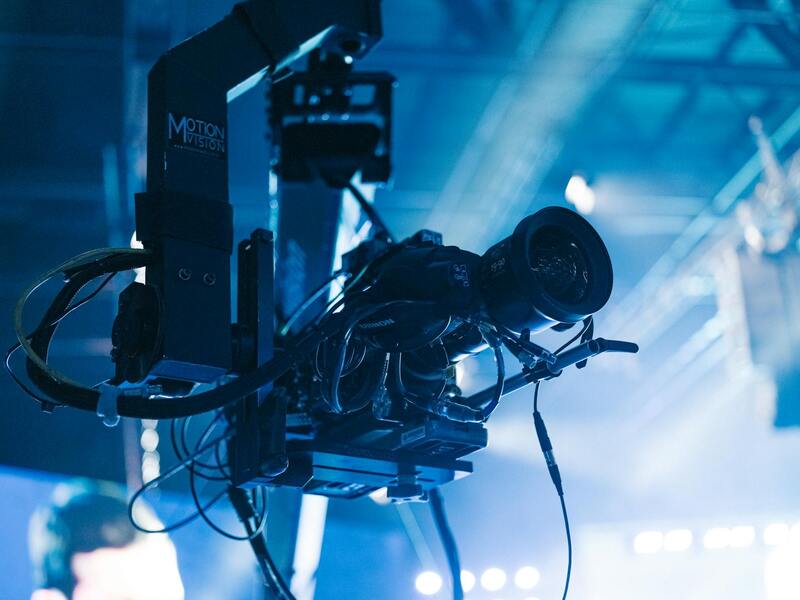
Technical rigors also include managing encoding settings to optimize video quality while minimizing latency. Streamers often employ hardware encoders or software solutions capable of multi-bitrate streaming, which provides viewers with adaptive quality based on their internet connection. Content Delivery Networks (CDNs) are crucial for transmitting high volumes of data efficiently across diverse geographical locations, reducing latency and buffering issues. Complementing these efforts, onsite or remote monitoring tools allow operators to track stream health in real-time, enabling quick intervention should technical hitches arise during the broadcast.
Key Components of Live Streaming Setups
- Capture Devices: High-definition cameras, microphones, and mixing consoles capture live video and audio signals.
- Encoding Equipment: Hardware or software encoders convert raw signals into digital streams suitable for distribution.
- Streaming Software: Platforms like OBS Studio or Wirecast that facilitate scene composition and stream management.
- Distribution Networks: CDNs and streaming protocols like HLS or DASH for scalable and adaptive content delivery.
- Monitoring Tools: Software dashboards providing insights into stream performance and health metrics.
Each component must be carefully selected and calibrated to ensure compatibility and optimal performance. The integration process involves rigorous testing and configuration, often under simulated conditions, to iron out any potential issues before the actual live event. Additionally, backup solutions and redundancies are implemented to safeguard against equipment failures or network disruptions, ensuring continuous live broadcasting regardless of unforeseen circumstances.
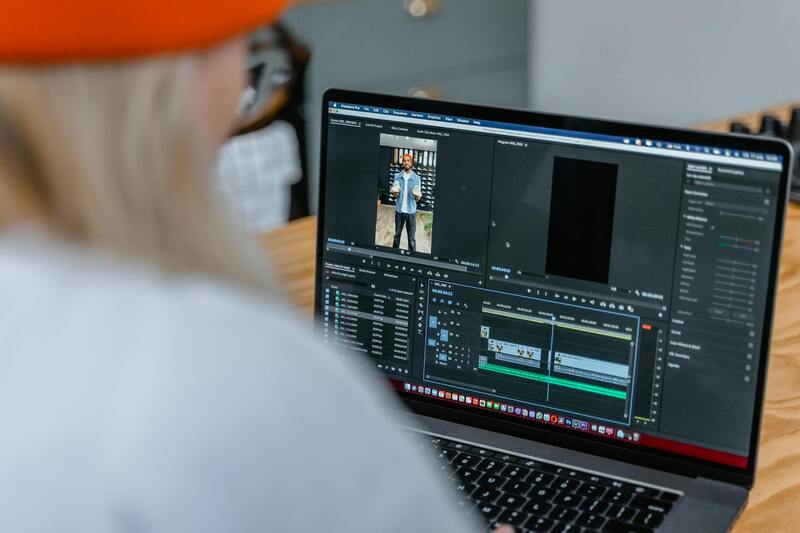
Quality content delivery also depends on the strategic selection of platforms based on the target audience. Whether through dedicated streaming channels, social media platforms, or proprietary web portals, each option offers distinct benefits in terms of reach, engagement, and monetization. Compatibility across devices—smartphones, tablets, desktops, and smart TVs—requires adaptive streaming protocols to provide a consistent, high-quality experience regardless of viewing device. As technology advances, integrating new features like 4K resolution and virtual reality (VR) expands the potential scope and immersiveness of live streams, further elevating the production standards.
Execution and Live Streaming Techniques
Successful live stream video production relies heavily on precise execution during the event. This involves a combination of real-time technical proficiency and adherence to established workflows. Operators must continuously monitor video feeds, audio levels, and network performance to promptly address any anomalies. Effective communication within the production team ensures swift response to issues, maintaining a seamless broadcast for viewers.
One crucial aspect is managing shot composition through multiple camera angles, which allows for dynamic storytelling. Skilled camera operators or robotic camera systems can switch between wide shots, close-ups, and creative angles to enhance viewer engagement. Transition effects, graphics overlays, and lower thirds are integrated in real-time to provide context and branding without distracting from the content.
Audio quality is equally vital, requiring real-time mixing and synchronization. Clear, balanced sound ensures viewers grasp conversations, music, and other auditory elements. High-fidelity microphones, audio mixers, and monitoring headphones are typically employed to maintain optimal audio standards throughout the broadcast.

Stream management involves the use of encoding hardware or software to compress and transmit video data effectively. Encoders convert high-quality video signals into digital formats compatible with streaming platforms. Choosing the right encoder and configuring it correctly is essential for minimizing latency and buffering issues. During the event, constant network monitoring ensures sufficient bandwidth and resilience—adjustments are made as needed to prevent interruptions.
In addition, adaptive bit rate streaming is employed to optimize viewing experiences across different devices and connection speeds. This technology dynamically adjusts video quality in real-time, ensuring a steady stream regardless of bandwidth fluctuations. Advanced solutions include multi-platform streaming setups that push content simultaneously to several destinations, such as social media, proprietary websites, and third-party aggregators.
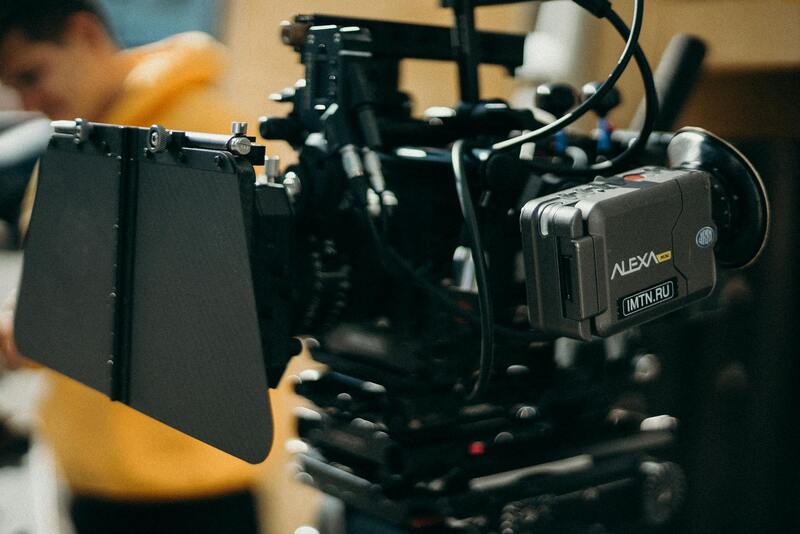
Post-event evaluation is essential for continuous improvement. Analyzing stream performance data—such as viewer metrics, engagement rates, and technical logs—provides insights on what worked well and areas for adjustment. Collecting viewer feedback can also inform future content strategies. This iterative process ensures that live streaming efforts continually evolve to meet audience expectations and industry standards.
Implementing effective live stream video production techniques guarantees a high-quality viewing experience, reinforcing audience trust and expanding reach. As technological innovations emerge, incorporating new tools and methodologies will help maintain a competitive edge in Miami’s vibrant digital media landscape.
Legal and Technical Considerations
When engaging in live stream video production, understanding the essential legal and technical frameworks is vital to ensure a smooth and compliant broadcast. Technical preparations involve rigorous testing of all equipment and network connections well before the scheduled event. This encompasses verifying encoding devices, streaming software, mixers, and audio-visual connections to prevent unexpected disruptions. Emphasizing redundancy and backup systems helps mitigate risks associated with hardware failures or connectivity issues, thus guaranteeing uninterrupted coverage.
On the legal side, securing proper permissions and rights for all content transmitted is crucial. This includes acquiring licenses for copyrighted music, videos, or images incorporated into the stream. It is also important to obtain clear authorization from speakers, performers, or content creators involved in the broadcast. Establishing clear contracts with third-party vendors and ensuring compliance with regional broadcast regulations further solidifies the production’s integrity.
Technical considerations extend to cybersecurity measures, protecting the streaming infrastructure from potential cyber threats or unauthorized access. Employing secure internet connections, utilizing encryption protocols, and implementing firewalls are standard practices. Data privacy compliance, especially when collecting viewer data or interactions, must align with applicable regulations, such as GDPR or local data protection laws.
For streaming on multiple platforms simultaneously, it’s essential to understand the specifications and limitations of each service provider. Ensuring encoding settings are optimized for various platform requirements prevents quality degradation. Monitoring stream performance continuously during the live event allows for immediate adjustments, whether that’s switching to an alternate stream server or modifying bit rate parameters to adapt to network conditions.
Comprehensive planning paired with technical diligence minimizes risks and ensures a professional delivery. Addressing these considerations upfront not only safeguards the production process but also enhances viewer experience by delivering reliable, high-quality broadcasts. By understanding and implementing these key practices, producers can navigate the complexities of live stream video production effectively, ensuring their content reaches audiences seamlessly across Miami’s dynamic digital landscape.
Legal and Technical Considerations
Effective live stream video production necessitates meticulous attention to a variety of legal and technical factors that ensure a seamless and professional broadcast. One of the foundational elements involves securing appropriate licenses and permissions for all content included in the stream. This includes obtaining rights for copyrighted material such as music, videos, images, and any other proprietary media. Failure to do so can result in content takedowns, stream interruptions, or legal repercussions.
On the technical front, managing digital rights and preventing unauthorized access to the live stream is crucial. Implementing digital rights management (DRM) tools and utilizing secure streaming protocols, such as Secure Reliable Transport (SRT) or Real-Time Messaging Protocol (RTMP), helps preserve content integrity while safeguarding against piracy or unauthorized sharing. Encryption of streams during transmission further bolsters security, ensuring that only intended viewers can access the content.

Bandwidth management and network reliability are also vital considerations. A robust internet connection with sufficient upload bandwidth minimizes interruptions and ensures high-quality streaming. Redundant internet pathways or backup connections can prevent disruptions caused by network failures. Monitoring network performance in real-time allows technical teams to respond swiftly to any issues, adjusting stream quality or switching servers as needed to maintain stability.
Additionally, comprehensive testing protocols before the actual event are essential. This involves verifying audio-visual synchronization, stream latency, and compatibility across various devices and platforms. A thorough pre-event check helps identify potential technical issues that could compromise the viewing experience, enabling adjustments to be made proactively.
Understanding the specific technical requirements of chosen streaming platforms, such as resolution limits, supported codecs, and streaming protocols, ensures compatibility and optimal quality. Adhering to these standards during setup prevents issues like buffering, reduced video quality, or incompatibility problems. Regularly updating hardware and software tools, including encoders and streaming software, guarantees access to the latest features and security patches.

Finally, compliance with local, state, or industry-specific regulations governing data privacy and viewer interaction is imperative. Incorporating these practices into the overall live stream management ensures a trustworthy and legally compliant broadcast that enhances brand reputation and maintains viewer confidence.
Legal and Technical Considerations
To deliver a seamless live stream video production, it is crucial to address multiple technical and legal considerations systematically. Proper licensing and permissions are foundational to ensure all content used during the broadcast, including music, video clips, and images, complies with copyright regulations. This not only avoids potential legal disputes but also maintains the integrity and professionalism of the broadcast. Bandwidth management plays a vital role in sustaining high-quality streaming experiences. Adequate bandwidth allocation prevents buffering, video lagging, and pixelation, which can frustrate viewers and diminish engagement. Live stream operators should regularly monitor network performance, implementing priority protocols for critical data flows to ensure stability, especially during peak traffic times. Technical issues are inevitable in complex streaming environments, but proactive strategies can mitigate their impact. Maintaining a robust backup plan, including redundant internet connections, backup encoders, and alternative streaming servers, ensures continuity if primary systems encounter failures. Routine hardware and software maintenance—such as firmware updates, encoder calibration, and testing of streaming protocols—prepares the production team to handle unexpected challenges swiftly. Security measures to protect the broadcast feed are also paramount. Employing encryption, access controls, and secure login credentials help prevent unauthorized access and potential cyber threats. Conducting vulnerability assessments before the event and utilizing firewalls and VPNs further reinforce the security perimeter. Understanding and complying with platform-specific technical specifications is essential. Different streaming services may impose unique requirements regarding resolution, bitrate, supported codecs, and streaming protocols. Adhering to these standards guarantees compatibility and optimal delivery, thereby enhancing viewer experience. Regularly updating encoding hardware and streaming software ensures compatibility with evolving platform standards, preserving high quality and stream stability. Content monitoring during the live event offers an additional layer of quality control. Technical teams should oversee audio-visual synchronization, stream latency, and real-time viewer feedback to promptly address any issues that arise. Finally, integrating comprehensive documentation and standard operating procedures (SOPs) enables teams to follow consistent protocols for setup, live operation, troubleshooting, and post-event review. This structured approach improves efficiency, minimizes errors, and fosters continuous improvement in live stream video production practices.
Advanced Live Stream Video Production Techniques
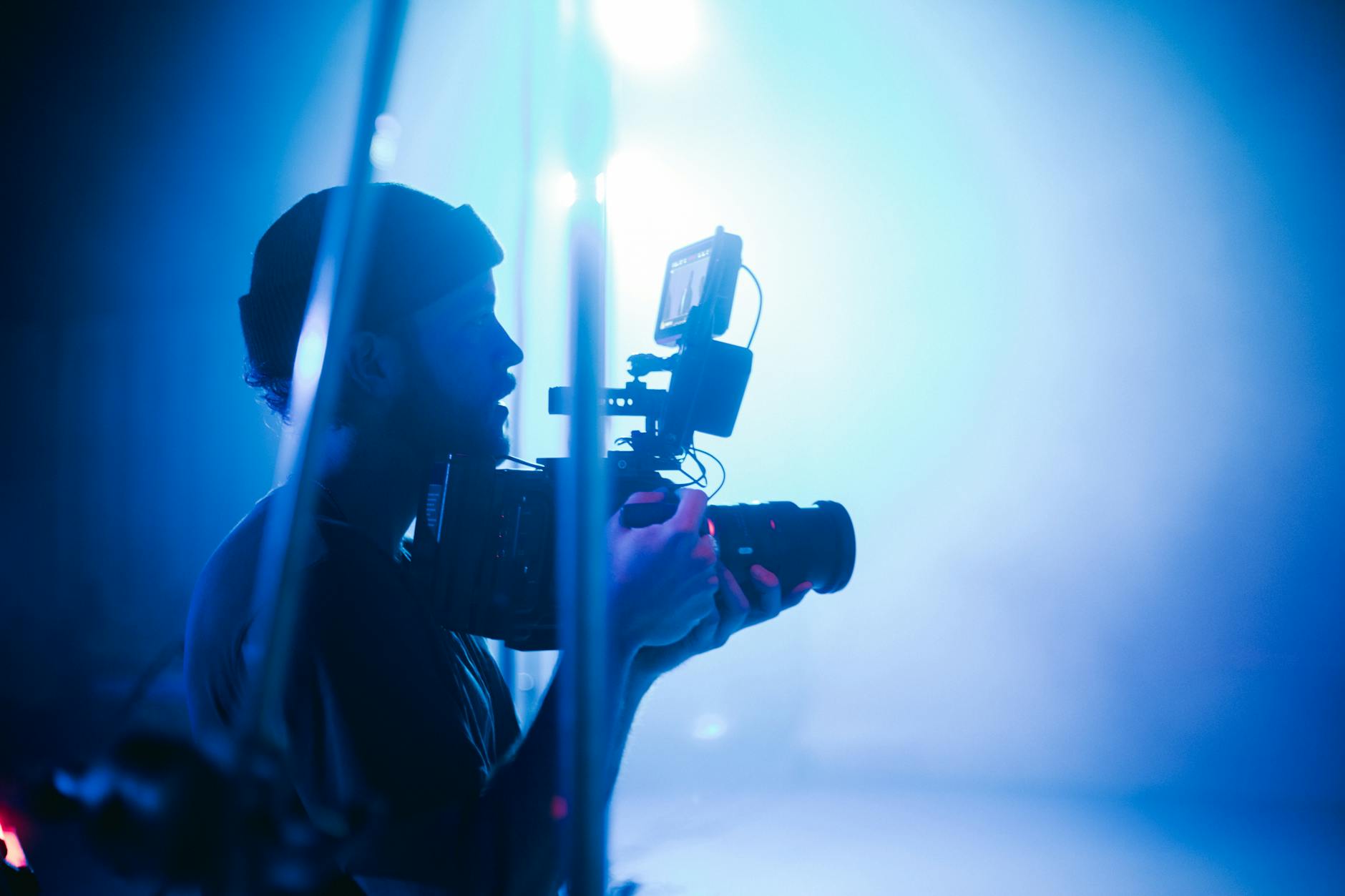
Optimizing the quality and reliability of live broadcasts requires meticulous attention to technical details and methodical execution. Professional-grade live stream video production leverages multiple strategies to ensure an immersive, seamless viewer experience. These include multi-camera workflows, real-time encoding adjustments, and adaptive streaming technologies that respond dynamically to network conditions. Employing high-definition cameras with professional lenses and stabilization equipment guarantees crisp, stable visuals, even in challenging environments. Simultaneously, audio fidelity is enhanced through direct microphone feeds and sophisticated audio mixing, avoiding background noise and ensuring clear communication.

Incorporating ISO recording allows simultaneous backup of individual feeds, providing redundancy in case of technical failures. This approach ensures that vital footage can be recovered or edited post-event, maintaining content integrity. Additionally, implementing synchronized video feeds with seamless switching and overlay capabilities adds professionalism and clarity to the broadcast, allowing for engaging visuals such as presentation slides or live graphic inserts.
Stream Management and Real-Time Monitoring
Effective stream management involves continuous oversight of video quality, encoding parameters, and network health throughout the broadcast. Technical operators monitor real-time data metrics, such as bit rate, packet loss, and latency, to identify issues early. Remote monitoring tools enable control room teams to make instantaneous adjustments, optimizing stream stability and viewer experience.
Employing content delivery networks (CDNs) ensures broad, reliable distribution of streams across regions. These networks help balance loads and minimize buffering, especially during high-traffic events. Incorporating adaptive bitrate streaming adjusts quality levels dynamically, based on viewers' internet speeds, thus maintaining uninterrupted viewing regardless of connection quality.
Innovative Technologies Shaping Live Streaming
- Cloud-Based Production: Cloud solutions facilitate scalable, collaborative workflows that allow remote teams to contribute, manage, and control live streams from diverse locations.
- VR and 360-Degree Video: These immersive options enhance viewer engagement, especially for virtual tours, events, or conferences, providing a panoramic experience.
- AI-Driven Analytics: Artificial intelligence tools analyze viewer data, engagement patterns, and content performance to inform future production strategies and personalize viewer interactions.
Implementing these advanced techniques requires a robust infrastructure, skilled personnel, and comprehensive planning. The result is a highly professional, adaptable live stream capable of meeting the expectations of modern audiences and dynamic event requirements.
Post-Production Enhancements and Content Distribution
Once the live event concludes, the focus shifts to editing, post-processing, and content repurposing. Professional editing involves trimming unnecessary segments, color correction, and adding effects to enhance visual appeal. Transcoding the footage into various formats broadens distribution channels, making the content accessible on multiple platforms such as social media, websites, and on-demand services.
Creating highlight reels, tutorials, or abridged versions allows content to reach different target audiences effectively. Additionally, transcripts, subtitles, and closed captions improve accessibility and searchability, increasing the content’s reach and engagement. Repurposed content can also serve as recurring marketing tools, showcasing the production quality and attracting more viewers for future events.
Security Protocols and Technical Compliance
Maintaining the integrity and confidentiality of live streams involves implementing rigorous security measures such as encrypted streams, secure login credentials, and access controls. Regular vulnerability assessments help identify potential threats, enabling timely mitigations. Additionally, strict adherence to platform-specific technical specifications—pertaining to resolution, supported codecs, and streaming protocols—ensures compatibility and smooth operation.
Updating encoding software and hardware regularly mitigates compatibility issues and leverages the latest features, further elevating quality. During the broadcast, continuous monitoring of stream health and viewer feedback allows technical teams to address issues proactively. Standardized procedures and detailed documentation streamline the workflow, reduce errors, and create a foundation for continuous improvement in live stream production.
Emerging Local Trends in Miami
The Miami market exhibits a growing demand for high-quality live streams, driven by diverse cultural events, corporate conferences, and tourism-related projects. Many local businesses now recognize live streaming as a crucial component of their digital presence. Opportunities include streaming art festivals, city events, and commercial properties virtual tours, all tailored to meet regional interests and audience behaviors.
Emerging trends include leveraging Miami’s vibrant social scene to produce engaging streams that attract broader audiences, incorporating bilingual content to cater to the multicultural community, and utilizing cutting-edge technology such as drones and 4K cameras to enhance production value. This innovative approach provides businesses with a competitive edge and expands their outreach capabilities.