
Understanding Live Broadcast Production Services
Live broadcast production companies play a pivotal role in delivering high-quality live streaming experiences across various platforms and audiences. These companies specialize in providing comprehensive solutions that encompass planning, filming, streaming, and transmission. Their primary goal is to ensure that every live event, whether corporate, entertainment, or public, unfolds seamlessly with professional standards.
At the core of their services is the ability to transform a physical event into a digital spectacle capable of reaching viewers globally in real time. This involves meticulous coordination of multiple elements: setting up the required infrastructure, managing live camera feeds, integrating graphics and overlays, and handling audio deployment. The production companies also manage encoding and transmission to ensure the stream is resilient, clear, and synchronized across platforms.
Moreover, live broadcast production companies offer a range of services tailoring to the nature of the event, including multi-camera setups for dynamic coverage, on-site directing, and real-time switching between feeds. They work closely with clients to understand the event's purpose and audience, enabling the deployment of specialized services such as interactive features, live chat integration, and multiple language audio tracks.
These companies are responsible for ensuring technical excellence by utilizing advanced equipment and skilled personnel. Their expertise extends to troubleshooting any unforeseen issues swiftly to maintain uninterrupted streaming. The result is a professional-grade live broadcast that enhances the event’s impact, engages viewers, and upholds the brand's reputation.
The role of a live broadcast production company is vital in today's digital landscape, where live content is a key component of marketing strategies, conferences, entertainment, and educational outreach. Their proficiency in executing complex live streams makes them an essential partner for organizations aiming to reach wider audiences with high reliability and visual fidelity.

Essential Services Offered
- Pre-production Planning and Coordination
- Multi-camera Live Shooting and Switching
- Audio Engineering and Sound Mixing
- Graphics, Text Overlays, and Branding
- Real-time Video Encoding and Streaming
- Audience Interaction Features
- Post-event Video Archiving and Distribution
Choosing a capable live broadcast production company ensures that the broadcast aligns with technical standards, adheres to scheduled timelines, and delivers a compelling viewing experience that captures the audience’s attention and communicates key messages effectively. The complexities of live streaming demand expertise and specialized equipment, making the role of professional production companies indispensable in delivering polished, impactful content.
Understanding Live Broadcast Production Services
Successful live broadcast production hinges on meticulous planning, state-of-the-art technology, and a team of skilled professionals capable of managing every facet of the streaming process. These services encompass a comprehensive range of tasks designed to deliver a seamless viewing experience that resonates with audiences and elevates brand presence.
At the core of live broadcast production is pre-production planning, which involves detailed coordination with clients to outline the event's objectives, timeline, and technical requirements. This phase includes site visits, equipment assessments, and rehearsal schedules to ensure all elements align perfectly on the broadcast day.
During execution, multi-camera setups enable dynamic shot composition, providing viewers with varied perspectives that enhance engagement. This is complemented by live switching, which seamlessly transitions between different camera feeds, graphics, and overlays to maintain visual interest and clarity. Professional audio engineering ensures that sound remains crisp and balanced, vital for both clarity of speech and background ambiance.
Graphics, text overlays, and branding elements are strategically integrated into the live feed to reinforce messaging, sponsorship visibility, and event identity. Real-time video encoding and streaming technology translate high-quality visuals into digital signals compatible with multiple platforms, whether social media, dedicated websites, or streaming services. Audience interaction tools such as live chat and polls elevate engagement, fostering a participatory environment even in virtual spaces.
Post-event processes include video archiving for on-demand access and distribution across various channels. The ability to compile and distribute high-quality recordings extends the reach of the event, allowing for further engagement and content reuse.

Engaging with a live broadcast production company that specializes in these services ensures adherence to technical standards and timeline management. It guarantees that the event’s visual and audio quality meets professional benchmarks, effectively communicating key messages and creating a memorable experience for viewers. Investing in comprehensive live production services not only amplifies the event’s impact but also builds credibility and trust with the audience, solidifying the organization's reputation in the digital sphere.
Summary of Key Elements in Live Broadcast Production
- Pre-event planning and coordination for smooth execution
- Multi-camera setups for dynamic coverage
- High-quality audio engineering for clear sound
- Graphics and overlays for branding and information
- Real-time encoding and streaming platforms
- Audience interaction tools for engagement
- Post-event content archiving and distribution
By focusing on these core aspects, organizations can deliver compelling live content that enhances brand visibility, maximizes audience engagement, and ensures that the event's objectives are met with precision and professionalism.
Understanding Live Broadcast Production Services
Live broadcast production services encompass a comprehensive suite of technical and creative elements designed to deliver professional-quality live streaming experiences. These services involve meticulous planning, advanced technology, and specialized skills to ensure seamless execution from start to finish. The primary goal of these services is to produce high-definition video and crystal-clear audio that can be transmitted in real-time to diverse digital platforms, reaching audiences worldwide. Such services are integral for corporate events, product launches, webinars, concerts, sports events, and more, where real-time engagement and immediacy are vital.
Engaging a dedicated live broadcast production company guarantees adherence to rigorous technical standards while maintaining the integrity of the content. The process typically starts with pre-event planning, where objectives, target audiences, and technical requirements are thoroughly discussed and mapped out. During the event, the company manages all aspects of video capturing, switching between multiple camera angles, integrating graphics and overlays, and ensuring audio clarity. Post-event, the content is archived for on-demand access, enabling extended reach and content reuse.
Moreover, a professional live broadcast service often incorporates audience interaction features such as live chat, Q&A sessions, polls, and social media integration. These tools serve to enhance viewer engagement and create a more interactive experience. The deployment of real-time encoding technologies and reliable streaming platforms ensures that viewers receive high-quality content without interruptions, regardless of geographic location or network conditions. As a result, organizations benefit from increased visibility, engagement, and brand credibility.

Key elements that define effective live broadcast production include pre-event coordination, dynamic multi-camera coverage, high-fidelity audio, branding graphics, real-time streaming, interactive tools, and post-event content management. Incorporating these components ensures a cohesive experience that aligns with organizational goals and audience expectations. The strategic use of cutting-edge technology and skilled personnel transforms ordinary events into memorable, impactful broadcasts capable of elevating a brand’s presence in the digital landscape.
Bandwidth, Connectivity, and Technical Support
Successful live broadcast production hinges on reliable infrastructure, especially bandwidth and connectivity capabilities. Streaming high-quality video content requires substantial data transfer rates, often necessitating dedicated internet connections with high upload speeds to prevent buffering and disruptions. A reputable production company invests in redundant network pathways and advanced networking equipment to maintain seamless transmission even under unexpected technical issues.
Technical support forms the backbone of a smooth live broadcast. Skilled technicians oversee the entire process, monitoring signal stability, audio-visual signals, and streaming performance in real-time. Their expertise allows rapid troubleshooting of issues that may arise, ensuring minimal downtime and the preservation of broadcast quality. Establishing clear communication channels among the technical team, on-camera talent, and client representatives helps facilitate swift resolutions and adjustments throughout the event.
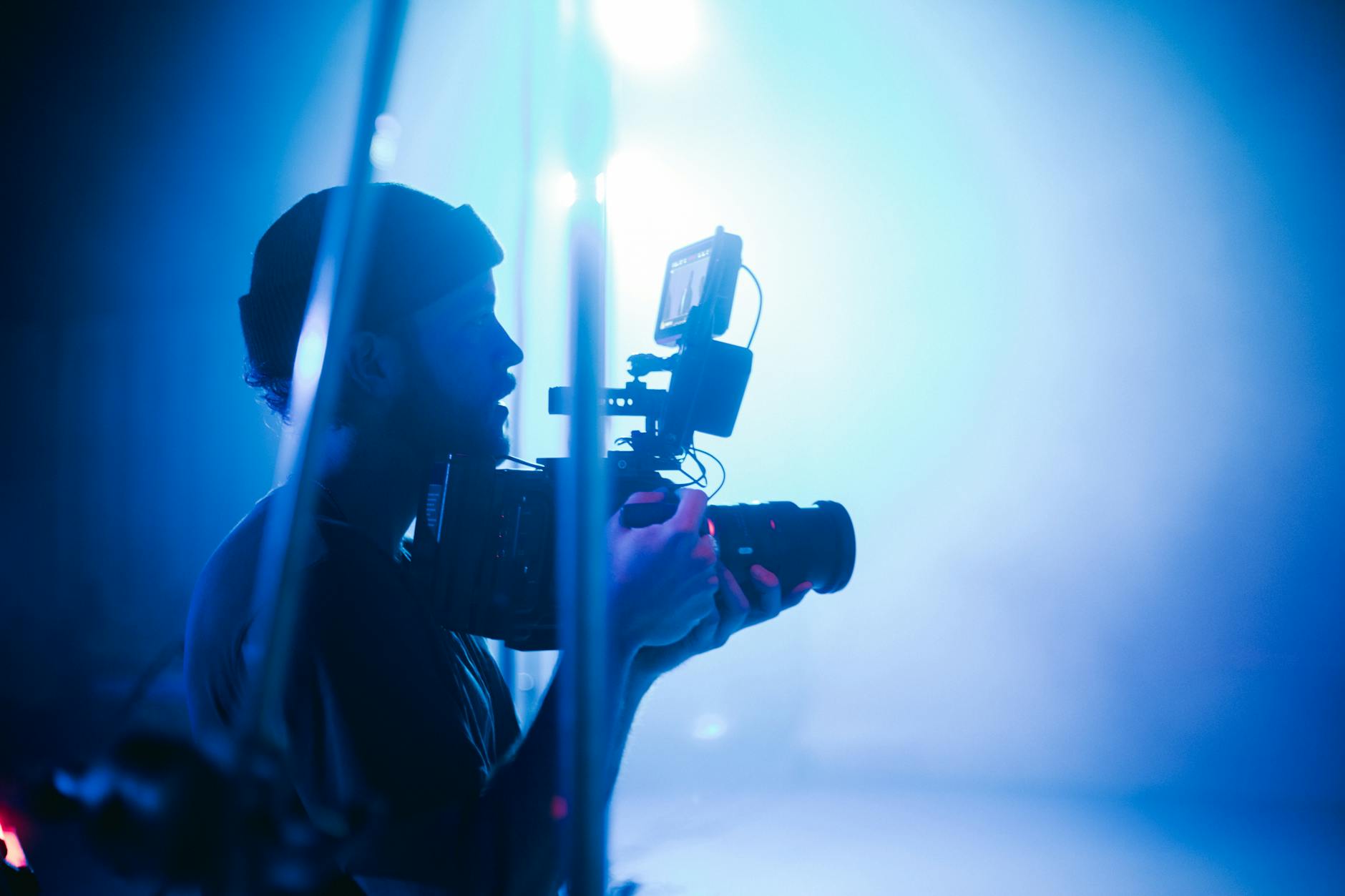
Part of the technical support includes pre-event testing of all systems, including streaming platforms, encoding equipment, and backup devices. This proactive approach minimizes the risks associated with technical failures during live events. Moreover, continuous monitoring during the broadcast allows instant responses to any anomalies, thus safeguarding the high standards expected from professional live production companies.
Cost Factors and Budget Considerations
Pricing for live broadcast production varies based on multiple factors. Typical components influencing the overall cost include the complexity of the event, duration, number of camera angles, custom graphics, and special technical requirements such as multi-platform streaming. Additionally, expenses for rental equipment, personnel, post-production, and contingency planning also contribute to the final cost.
Organizations should consider the scope of their event and desired quality when setting a budget. While high-end productions with extensive technical setups naturally command higher fees, many Miami-based companies offer scalable solutions to match diverse needs and budgets. Transparent pricing models that detail service components help clients make informed decisions and align investments with expected outreach and engagement goals.
It’s essential to discuss potential additional costs upfront, such as extra technical support, extended durations, or post-event content editing, to avoid surprises. Employing a production partner with flexible packages and clear communication can streamline the planning process and optimize the value derived from the broadcast, ensuring the event achieves its objectives within budget constraints.
Understanding Live Broadcast Production Services
Live broadcast production services encompass a comprehensive range of technical and creative solutions designed to deliver seamless live content to audiences across multiple platforms. These services involve meticulous planning, coordination, and execution to ensure that every element of the broadcast aligns with the client's objectives and quality standards. From filming at a corporate event or sports competition to streaming concerts or product launches, a live broadcast production company in Miami offers tailored strategies that meet diverse industry requirements.
These services typically include pre-production planning, setup and deployment of advanced broadcasting equipment, real-time transmission, and post-production review. The pre-production phase involves detailed consultations to understand the event’s scope, target audience, and desired outcomes. This step ensures that technical specifications and content formats are aligned with broadcasting platforms, whether on television, social media, or online streaming portals.
During the event, live production teams coordinate multiple camera angles, manage graphical overlays, and monitor audio quality, all while maintaining synchronization with live feeds. They also oversee the integration of additional elements such as on-screen graphics, live interviews, and audience interactions. Post-event, the content can be edited, archived, or repurposed for marketing and promotional use, further extending the value of the broadcast.
Beyond technical execution, excellent live broadcast production services include real-time problem solving, ensuring that any issues arising during transmission are promptly addressed without disrupting the viewer experience. The emphasis remains on delivering a professional, high-quality output that resonates with the target audience and achieves organizational goals.
Key Equipment and Technologies Used
Successful live broadcasts rely heavily on advanced equipment and cutting-edge technology. High-definition cameras, wireless video transmitters, and multi-channel switchers form the backbone of live production setups, enabling dynamic camera work and versatile coverage of events.
Core technologies include:
- Broadcast Cameras: Professional-grade cameras capable of capturing crisp, high-resolution images in varied lighting conditions.
- Video Switchers: Devices that enable seamless switching between multiple video feeds, incorporating effects and overlays in real-time.
- Audio Consoles: Equipment ensuring clear sound quality, with options for live mixing and audio enhancements.
- Streaming Platforms and Encoders: Software and hardware solutions that encode video signals for live streaming on various platforms, ensuring compatibility and optimal quality.
- Network Infrastructure: Robust internet connections and backup systems that support the high bandwidth demands of live streaming, minimizing latency and disruptions.
Furthermore, innovations such as virtual sets, augmented reality graphics, and real-time analytics enhance audience engagement and provide immersive viewing experiences. The continual evolution of broadcasting technologies allows Miami-based production companies to deliver versatile, scalable solutions tailored to both small corporate events and large-scale productions.
Experience and Portfolio of a Miami Production Agency
When selecting a live broadcast production company in Miami, evaluating their experience and portfolio provides valuable insights into their capabilities and industry reputation. An experienced agency demonstrates a thorough understanding of technical requirements, creative storytelling, and logistical coordination that underpin successful live events.
A reputable Miami-based firm typically showcases a diverse portfolio encompassing various event types such as corporate meetings, sports tournaments, award ceremonies, and cultural festivals. Such a portfolio not only highlights technical prowess but also reflects their adaptability to different formats and audience expectations.
Case studies within the portfolio often detail specific challenges encountered and the innovative solutions implemented, showcasing the agency’s problem-solving skills and commitment to excellence. Client testimonials and references further validate their professionalism and ability to deliver on time and within budget.
Moreover, a key indicator of an agency’s proficiency is their familiarity with the latest technological advancements and industry standards. Regular participation in industry conferences, certifications, and continuous staff training contribute to maintaining high service levels. A Miami production company with an extensive portfolio of successful broadcasts can be trusted to handle complex live events, providing confidence that the final output will meet or exceed expectations.
Customization and Scalability of Broadcast Solutions
Effective live broadcast production services prioritize customization to meet the specific needs of each client. Whether it’s a small corporate seminar or a large-scale music festival, the solutions are tailored to accommodate event size, technical requirements, and audience engagement goals. This customization ensures that every aspect, from camera configurations to integrated graphics, aligns with the client’s branding and messaging strategies.
Scalability is equally important, allowing the production setup to grow or adapt as event demands evolve. A flexible Miami-based production company can expand camera crews, add specialized graphics, or incorporate multi-platform streaming options seamlessly. This flexibility is particularly valuable for clients planning multi-day events or live broadcasts that involve various segments and technical complexities.
To achieve optimal scalability, the production team employs modular equipment packages and cloud-based management systems, enabling rapid adjustments without compromising quality. This approach also facilitates budget control, as clients can upgrade or scale down services according to their financial parameters and event objectives.
Ultimately, such tailored and adaptable solutions empower organizations to maximize reach, enhance viewer engagement, and produce a polished, professional live broadcast experience that resonates with diverse audiences across platforms.
Understanding Live Broadcast Production Services
Live broadcast production services encompass a comprehensive suite of technical and creative solutions designed to deliver high-quality live content across multiple platforms. These services include pre-production planning, technical setup, real-time video and audio management, and post-production support. An effective live broadcast not only involves capturing footage but also integrating graphics, overlays, and interactive elements that enhance viewer engagement. The production team coordinates camera operators, audio technicians, graphics designers, and broadcast engineers to ensure a seamless flow from start to finish. The core of live broadcast production lies in meticulous planning and execution. It begins with understanding the event’s purpose, target audience, and technical requirements. Based on these insights, a tailored plan is developed to determine camera placements, lighting, audio configuration, and streaming platforms. This planning phase is crucial to avoid technical pitfalls during the live event and to ensure all content aligns with branding and messaging objectives.
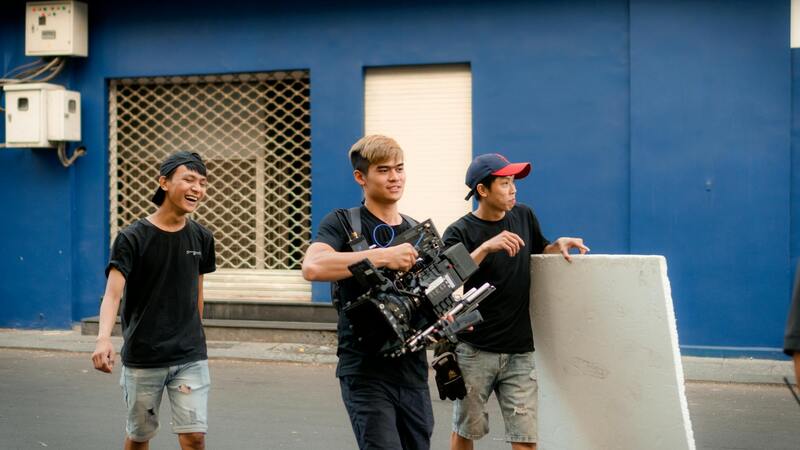
During the live event, the production team operates a variety of hardware and software solutions in real time. These include multi-camera switching systems, live graphics generators, video encoders, and audio mixers. Modern broadcasting leverages high-definition (HD) or 4K resolution to deliver crisp visuals, while reliable streaming protocols such as RTMP or SRT ensure smooth transmission. The role of a professional live broadcast production company is to manage these complex workflows, coordinate between on-site personnel and remote teams, and troubleshoot issues promptly to maintain broadcast integrity.

Beyond technical expertise, a reputable Miami-based live broadcast production company offers creative input to maximize the visual impact and audience interaction. This can include real-time social media integration, live polling, and dynamic graphical overlays that reflect ongoing event segments. The goal is to produce a compelling broadcast that captures viewers’ attention, communicates the intended message effectively, and offers an engaging experience across devices and platforms.
Key Equipment and Technologies Used
At the heart of professional live broadcast production are the cutting-edge tools that enable seamless coverage. These include high-definition cameras with various lens options for different shot types, wireless microphonessystems for clear audio, and advanced video switchers that allow for smooth transitions between multiple camera feeds. Additionally, broadcast-specific hardware such as live streaming encoders, satellite uplink units, and redundant power supplies safeguard against technical failures and support consistent transmission.
Modern technologies like cloud-based management systems facilitate collaborative operations, enabling remote input from editors or directors. Real-time data analytics and audience feedback tools are also integrated to gauge viewer engagement and adjust broadcast elements accordingly. When combined, these equipment and technological solutions create a robust infrastructure capable of handling complex live events with precision and finesse.
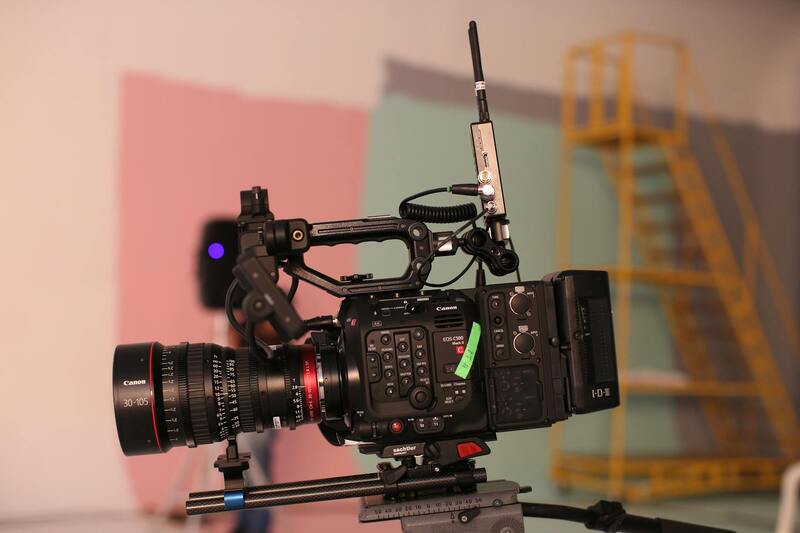
Furthermore, innovations such as virtual sets, augmented reality overlays, and multi-platform distribution systems allow broadcasters to push the boundaries of traditional live productions. These enhancements deliver immersive experiences and broaden the reach of the broadcast, making it accessible via social media, dedicated apps, and IPTV sources. The continuous evolution of such equipment and technologies ensures that Miami-based production companies stay at the forefront of the industry, offering clients state-of-the-art solutions tailored to their specific needs.
Understanding Live Broadcast Production Services
Choosing an effective live broadcast production company involves understanding the comprehensive range of services they offer. These organizations manage every stage of the live event, from pre-production planning to post-broadcast analysis. Core services typically include conceptual development, where the production team collaborates with clients to establish the vision, goals, and technical requirements. This phase ensures clarity in content strategy, target audience, and desired broadcast reach. Pre-production encompasses scriptwriting, shot planning, and talent coordination, setting a solid foundation for a seamless live event. During the event itself, the company manages live camera feeds, switching, graphics, and audio synchronization, all while ensuring a stable streaming platform. Post-production tasks include editing finer details, analyzing viewership data, and providing metrics crucial for evaluating success and planning future broadcasts. An experienced live broadcast production company also offers consulting on platform selection—be it social media live streams, dedicated websites, or multi-platform distribution—maximizing audience engagement. Technical consultation ensures all hardware and software components are aligned to deliver uninterrupted streams, even during complex scenarios such as multi-camera setups or virtual event integrations.
Key Equipment and Technologies Used
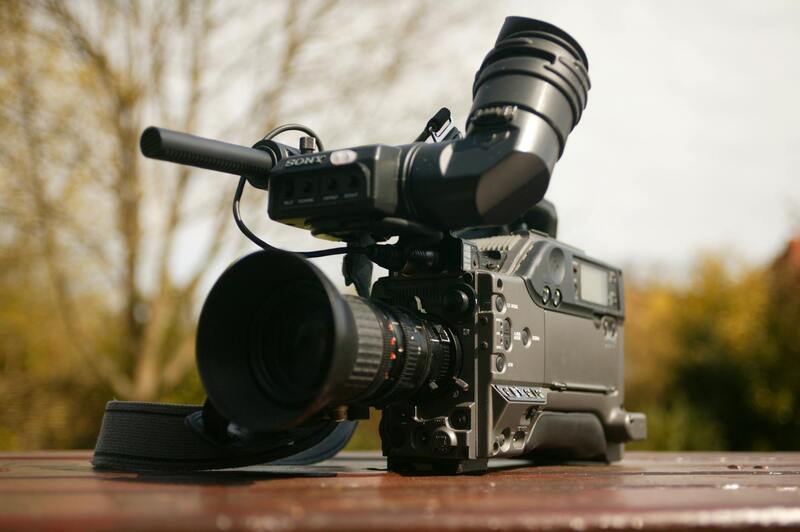
The backbone of any high-quality live broadcast is state-of-the-art equipment that guarantees superior video and audio fidelity. High-definition cameras, equipped with a variety of lenses, capture multiple angles of the event, providing dynamic visuals that engage viewers. Wireless microphones ensure clear audio capture from speakers and performers, while advanced video switchers enable seamless transitions between camera feeds, adding a professional touch to the production. To deliver live streaming with minimal latency and maximum stability, broadcasters utilize encoders capable of compressing large video data efficiently. Satellite uplink units facilitate global coverage, especially for events requiring broad reach, and redundant power supplies maintain operational continuity during unforeseen outages. Modern production companies often incorporate cloud-based management systems for remote collaboration, allowing editors and directors to oversee and adjust the broadcast in real-time from different locations. Additional tools such as real-time analytics platforms monitor viewer engagement metrics, enabling immediate content adjustments to optimize the experience. Also, innovations like virtual sets, augmented reality overlays, and multi-platform distribution systems expand creative possibilities, making broadcasts more immersive and accessible across social media, IPTV, or dedicated apps.
Experience and Portfolio of a Miami Production Agency
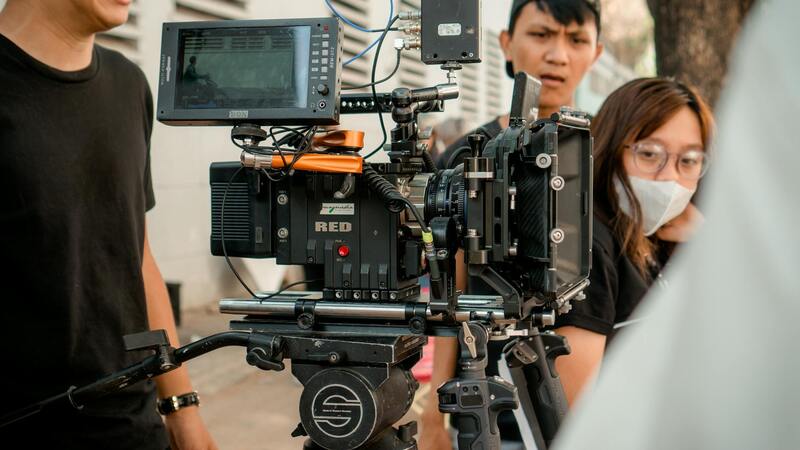
A Miami-based live broadcast production company with a robust portfolio demonstrates a deep understanding of diverse event types, scalable solutions, and troubleshooting adeptness. Clients should review the company's past projects to gauge their technical competency, creativity, and ability to deliver within tight deadlines. A well-rounded portfolio often includes live corporate events, concerts, sports coverage, and cultural festivals, showcasing versatility. The experience of the team is reflected not only in their technical skills but also in their client management approach. Successful providers employ proactive communication strategies, ensuring clients are involved in every planning phase and kept informed throughout the live event. Their portfolio should also highlight innovative solutions to complex challenges, such as multi-location broadcasting or integrating emerging technologies like virtual sets. Furthermore, reputable Miami production companies often maintain long-term relationships with local venues, broadcasters, and technology vendors. This network allows them to swiftly adapt to changing circumstances and incorporate the latest advancements into their workflows, maintaining high standards of quality and reliability.

Customization and Scalability of Broadcast Solutions
Each live event presents unique challenges, which is why customizing broadcast solutions is vital. A professional Miami live broadcast production company assesses the specific needs of each client, tailoring equipment configurations, crew size, and technical workflows accordingly. This approach ensures optimal resource utilization and higher production quality. Scalability is equally important, allowing the production setup to grow or contract based on event scope and content complexity. For smaller corporate webinars, lightweight setups with portable cameras and wireless audio systems may suffice. Conversely, large-scale concerts or sports events demand extensive camera arrays, multiple audio feeds, and complex switching systems. Adaptive broadcast configurations incorporate modular hardware components and cloud-based control systems, enabling quick adjustments. For instance, during an event, if a client decides to expand coverage, additional camera feeds or graphics overlays can be integrated seamlessly. This flexibility ensures that production companies can efficiently handle both straightforward live streams and intricate multi-camera productions without compromising quality.

Bandwidth, Connectivity, and Technical Support
Reliable connectivity forms the foundation of successful live broadcasting. Selecting locations with robust internet infrastructure, including high-bandwidth fiber optic connections, is crucial. In locations where internet stability may be uncertain, production companies often deploy bonded cellular technology, aggregating multiple mobile network signals to ensure consistent data flow. Performing pre-event site surveys to evaluate potential network vulnerabilities helps mitigate disruptions. During the event, technical support teams monitor all data streams continuously, ready to troubleshoot and execute quick fixes if connectivity issues arise. Backup plans, such as secondary internet sources and on-site redundant systems, safeguard the broadcast against unforeseen failures. Support staff ensures all hardware remains operational, managing signal flows, encoding processes, and network switches. Advanced tools like network load balancers and firewalls further optimize bandwidth management and security. The ability to swiftly resolve technical issues is vital for maintaining broadcast integrity, especially during high-profile live events with large audiences. Investing in scalable bandwidth solutions and round-the-clock technical support ensures a seamless viewing experience, preserves brand reputation, and maximizes audience engagement across multiple platforms.
Understanding Live Broadcast Production Services
Live broadcast production services encompass a comprehensive range of solutions designed to deliver real-time video content to audiences across multiple platforms. These services include everything from initial planning and scripting to camera operation, audio management, graphics integration, and post-event analysis. Effective live broadcast production requires meticulous coordination among technical teams, content creators, and on-air talent to ensure seamless delivery of high-quality content. A proficient live broadcast production company offers end-to-end solutions tailored to the specific needs of each event, whether it’s a corporate conference, sports event, or cultural festival. These companies leverage advanced technology and experienced personnel to manage complex workflows, ensuring that each element integrates smoothly into the final live stream. The core of successful live broadcast services hinges on real-time synchronization, quality control, and the ability to adapt to dynamic on-site conditions. With the proliferation of digital platforms, modern production companies also provide multi-platform streaming, enabling content dissemination across websites, social media, and dedicated apps simultaneously. This multi-channel approach maximizes reach and audience engagement, making live broadcast services an essential component of contemporary media strategies.
Key Equipment and Technologies Used
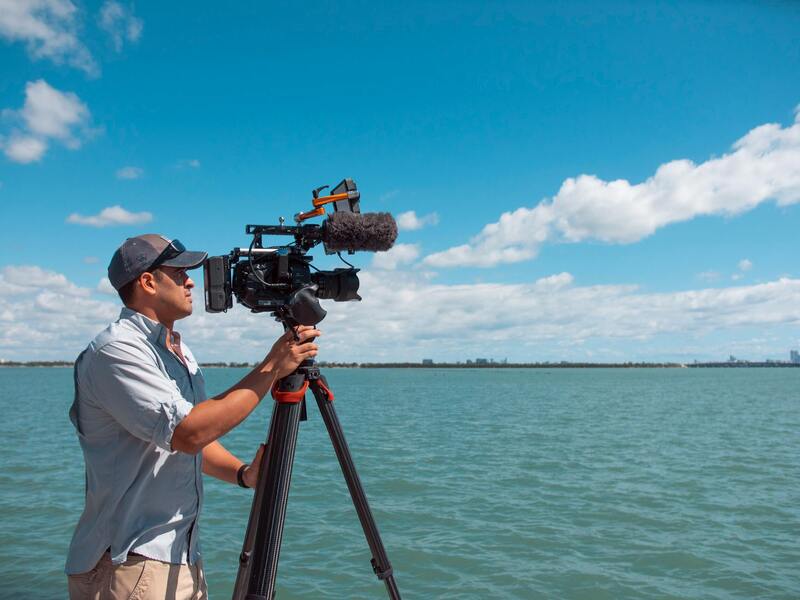
Successful live broadcast production hinges on deploying cutting-edge equipment and innovative technologies. Key components include high-definition cameras capable of capturing detailed imagery from multiple angles, professional-grade audio equipment for crystal-clear sound, and real-time graphics systems that enhance viewer engagement. Modern production companies often incorporate robotic cameras and wireless transmission systems to facilitate dynamic shots and flexible positioning. Video switchers enable seamless transitions between camera feeds, while dedicated hardware encoders convert raw footage into streaming-compatible formats with minimal latency. Critical to the technological backbone are servers and content delivery networks (CDNs) that distribute the live stream efficiently across various platforms. In addition, broadcasting control rooms equipped with multi-view monitors and editing software enable live operators to oversee the entire production, troubleshoot issues promptly, and make on-the-fly adjustments. Advanced connectivity solutions, including bonded cellular networks, satellite uplinks, and fiber optic links, are vital for maintaining high bandwidth and stability. These technologies, combined with redundancy measures such as backup power supplies and failover internet connections, ensure the resilience and reliability of live broadcasts, even in challenging or unpredictable environments.

Experience and Portfolio of a Miami Production Agency
When selecting a live broadcast production partner based in Miami, reviewing their experience and portfolio provides valuable insights into their capabilities. Established agencies demonstrate a track record of executing both small-scale local events and large-scale live productions with national or international reach. A reputable Miami-based production company should showcase a diverse portfolio highlighting various event types, technical complexities, and innovative solutions. Testimonials and case studies offer additional validation of their expertise, professionalism, and ability to meet client expectations. An extensive portfolio also reflects the agency's familiarity with local venues, regulatory environments, and logistical considerations unique to Miami. This local knowledge facilitates smoother operations and effective coordination, ensuring the success of each live broadcast. Moreover, experienced companies maintain strategic partnerships with technology providers and content distributors, enhancing their ability to deliver high-impact broadcasts. Their familiarity with emerging trends and industry standards ensures that clients receive state-of-the-art solutions, tailored to the specific objectives and audience preferences of each event.
Customization and Scalability of Broadcast Solutions
Live broadcast production companies in Miami offer highly customizable solutions designed to fit the unique requirements of each client and event. From small corporate webinars to large-scale international festivals, services can be scaled up or down based on audience size, broadcast complexity, and distribution channels. Customization involves tailoring technical specifications, content flow, graphics, and interactive elements to align with brand identity and event objectives. Producers work closely with clients during planning phases to develop detailed workflows, identify specific deliverables, and anticipate potential challenges. Scalable broadcast solutions rely on modular equipment and flexible infrastructure, allowing adjustments in real-time. For instance, additional cameras, audio sources, or streaming platforms can be integrated seamlessly as the event’s scope expands. This approach ensures cost-efficiency and optimal resource utilization. It also provides resilience against unforeseen circumstances, such as sudden audience growth or technical disruptions, by enabling rapid expansion or contraction of broadcast capabilities without compromising quality or stability.

Bandwidth, Connectivity, and Technical Support
The backbone of any successful live broadcast is robust bandwidth and reliable connectivity. Miami’s strategic geographic location offers access to diverse internet infrastructures, including fiber optic networks, which support high-bandwidth data transfer essential for high-definition streaming. In environments where internet stability might be unpredictable, production companies often employ bonded cellular technology. This method aggregates multiple mobile network signals, reducing latency and buffering to deliver smooth streams. Pre-event site surveys are conducted to evaluate local network reliability, identify potential interference, and plan mitigation strategies. During the event, a dedicated technical support team closely monitors all network and hardware components. Continuous troubleshooting ensures minimal disruption, and backup systems such as secondary connectivity options and on-site redundant servers safeguard the broadcast. Round-the-clock technical assistance guarantees that issues are swiftly addressed, maintaining broadcast quality and viewer satisfaction. Additionally, real-time data analytics provide insights into stream performance, allowing operators to optimize streaming parameters dynamically. This comprehensive approach to connectivity and support ensures that high-profile broadcasts proceed uninterrupted, fostering audience trust and safeguarding brand image across all streaming channels.
Cost Factors and Budget Considerations
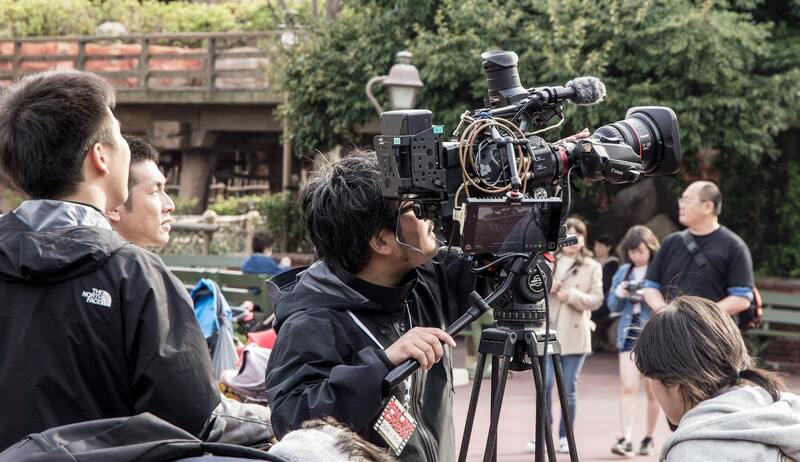
Budget planning for live broadcast production involves several key considerations. The scope of the event, technical requirements, duration, and distribution channels all influence overall costs. Standard packages typically encompass pre-production consultations, equipment rental, crew wages, and post-event services. High-definition multi-camera setups, advanced graphics, and real-time editing tend to increase expenses but significantly enhance content quality and viewer engagement. Additional costs may include travel and accommodation for crew members, licensing fees for licensed music or graphics, and platform-specific streaming charges. It’s important for clients to work with providers to develop a transparent budget that aligns with their financial expectations while ensuring quality. Many Miami-based companies offer flexible packages and phased payment plans, allowing for cost-effective scaling of services. Investing in reliable technology and experienced personnel often results in better audience retention and brand consistency, which can justify higher upfront expenses. Considering potential contingencies, such as technical support and backup systems, further ensures that the live broadcast proceeds smoothly and meets strategic goals.
Legal and Safety Requirements for Live Broadcasts
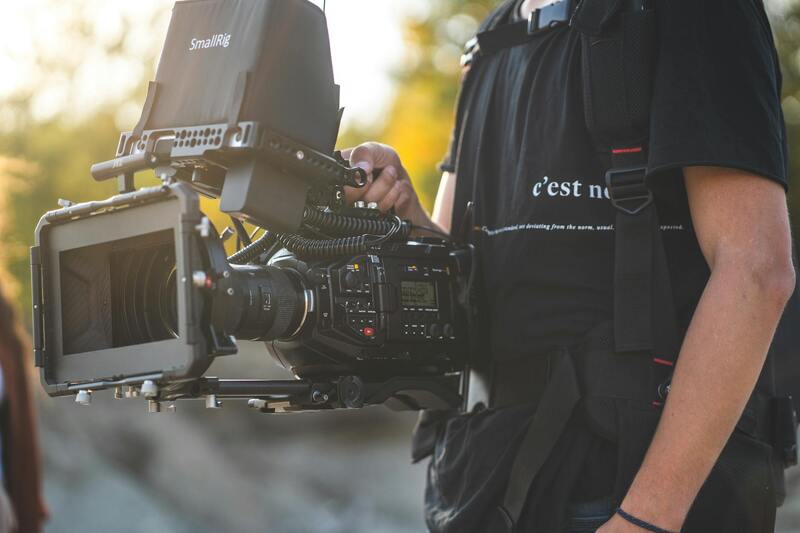
Ensuring compliance with applicable safety protocols and legal considerations is paramount in live broadcasting. Production companies adhere to stringent safety procedures to protect personnel, equipment, and audiences, especially when working in large venues or outdoor environments. This includes managing crowd control, establishing secure working zones, and following electrical safety standards. Proper planning for emergency response and evacuation procedures is integrated into the event logistics. From a legal perspective, obtaining necessary permits and rights for copyrighted materials, such as music, footage, or graphic elements, is essential. Clear agreements with performers, speakers, and content owners help avoid potential disputes. Data protection and privacy regulations must also be considered, particularly when broadcasting interactive or user-generated content. Secure handling of personal data and adherence to platform-specific policies help maintain compliance. A live broadcast production firm in Miami typically employs dedicated compliance officers and safety coordinators to navigate these challenges, ensuring that every aspect of the event aligns with relevant standards and regulations, thereby safeguarding the integrity of the broadcast and the reputation of all stakeholders involved.