
Overview of Streaming Video Production
Streaming video production has become an essential component for organizations, brands, and content creators aiming to reach their audiences effectively in real-time. This process involves the creation, recording, and transmission of live video content over the internet, allowing viewers to access high-quality streams on various devices ranging from desktops to mobile phones. r>r> As digital consumption continues to dominate media landscapes, the relevance of streaming video production has increased exponentially for Miami-based businesses and organizations. Whether it’s hosting live product launches, virtual events, educational webinars, or promotional campaigns, streaming offers an immediate and engaging way to connect with target audiences. It enables real-time interaction and immediate feedback, which enhances engagement and fosters community building. r>r> In the vibrant Miami market, where tourism, real estate, hospitality, and entertainment sectors thrive, streaming video serves as a powerful tool for brand visibility and customer engagement. Local companies are leveraging streaming technology to showcase properties, deliver live concerts, broadcast events, and even run virtual tours. This growing adoption underscores the importance of professional streaming production services that guarantee seamless delivery, broadcast quality, and audience engagement. r>r> Effective streaming video production combines technical expertise, creative storytelling, and strategic planning. It requires an understanding of various production elements to ensure that content is compelling and accessible. For businesses and organizations in Miami, adopting robust streaming methodologies can significantly enhance outreach efforts and competitiveness in today’s digital economy. r>r> Furthermore, the surge in demand for high-quality streaming content underscores a shift towards more sophisticated production approaches. From multi-camera setups to live editing, the scope of streaming video has expanded to include complex productions that rival traditional broadcast media. This evolution allows Miami-based content creators and companies to deliver professional-grade streams that meet modern audience expectations and industry standards.

Key Equipment and Technology
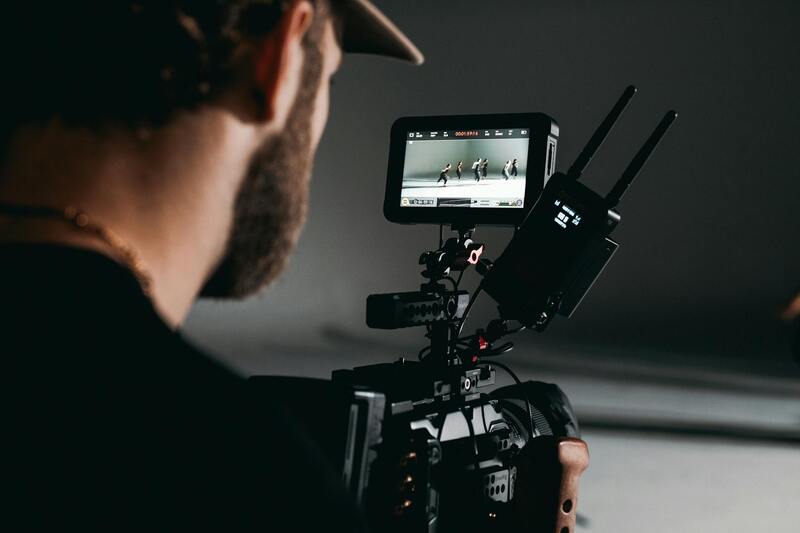
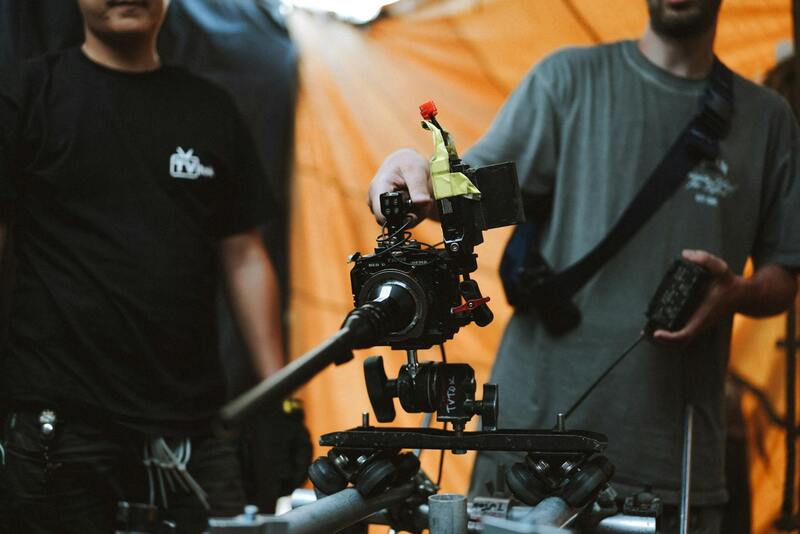
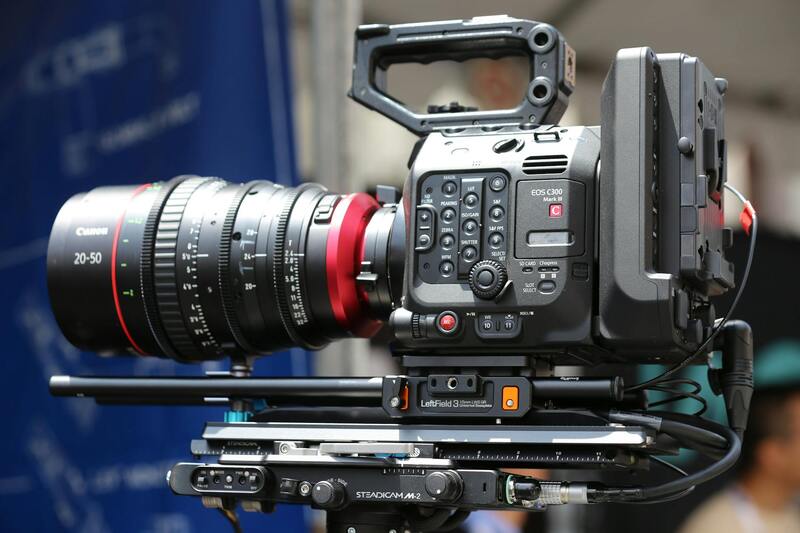
Successful streaming video production hinges on deploying the right equipment and technology to ensure broadcast quality and reliability. At the heart of any professional setup are high-definition cameras, which capture sharp, clear visuals crucial for engaging viewers. These cameras often include camcorders, PTZ (pan-tilt-zoom) models for versatile shots, and increasingly, 4K capable devices that provide future-proofing as consumption demands evolve.
Complementing the cameras are advanced video encoders that convert raw footage into optimized streams compatible with various platforms. These devices handle compression and bitrate management to balance quality and bandwidth efficiency, facilitating smooth delivery even during high traffic volumes.
Audio quality is equally critical; professional microphones—including wireless lapel mics, shotgun mics, and tabletop condenser models—capture clear dialogue and ambient sounds. Proper microphone placement and quality acquisition reduce background noise and ensure that audio complements the visual content effectively.
Good lighting dramatically enhances image clarity and visual appeal. Key lighting setups, such as softboxes, LED panels, and ring lights, are commonly used in streaming production to create well-lit scenes with minimal shadows. Proper lighting not only improves image quality but also adds a professional polish to the broadcast.
Modern streaming platforms rely on robust hardware and software solutions that support multi-camera switching, live editing, and graphics overlay. Hardware switchers and streaming software like Wirecast or vMix enable producers to craft dynamic content, switch between multiple angles, and incorporate branding in real time, elevating the viewer experience.
Choosing the appropriate streaming platform—whether a dedicated service like Wowza, YouTube Live, or bespoke enterprise solutions—is vital. These platforms differ in scalability, security features, and integrations. A professional setup includes reliable networking hardware, such as high-speed routers and switches, ensuring uninterrupted live broadcasts and minimal latency.
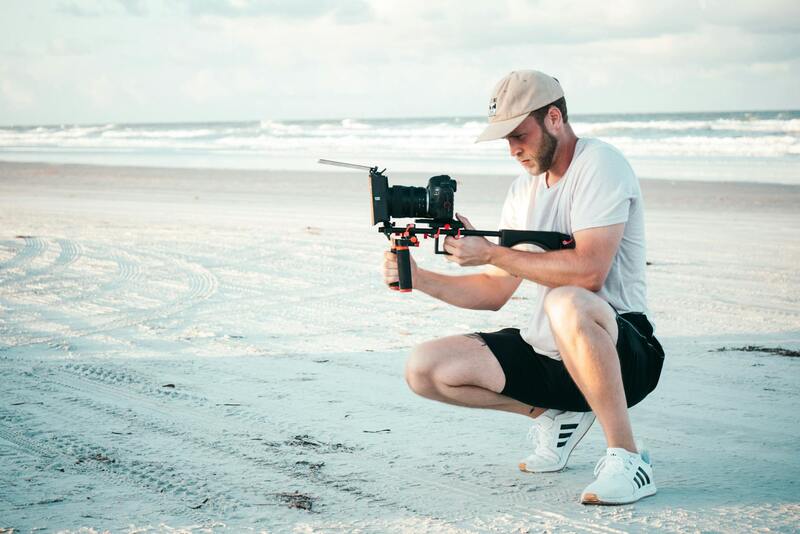
In addition to hardware, software tools for stream management, analytics, and audience engagement significantly enhance overall production value. These tools enable real-time monitoring of stream health, viewer interactions, and performance metrics, aiding in timely adjustments and strategic improvements. Keeping abreast of technological advancements allows Miami-based content creators and organizations to maintain competitive broadcasts and consistently deliver compelling content to their audiences.
Production Setup and Execution
Implementing a seamless streaming video production requires meticulous setup and precise execution of each phase. This process begins with configuring the technical environment, ensuring all equipment such as cameras, audio interfaces, lighting, and streaming hardware are correctly calibrated. Establishing a dedicated workspace that minimizes background noise and environmental disruptions contributes significantly to the professionalism of the broadcast.
Pre-production rehearsals are critical for testing all systems—checking audio levels, verifying video feeds, and refining transitions between camera angles. Consistency in camera positioning and framing maintains visual coherence, while manual or automated switching mechanisms facilitate smooth scene changes. During live broadcasts, real-time monitoring of feed quality and stream stability allows operators to swiftly address any emerging issues, thus preserving broadcast integrity.
An effective production setup also incorporates backup solutions for key components. Redundant internet connections, backup power supplies, and secondary streaming devices safeguard against unexpected failures that could disrupt the broadcast. This level of preparedness ensures high reliability and uninterrupted viewer engagement, especially during crucial moments or enterprise events.
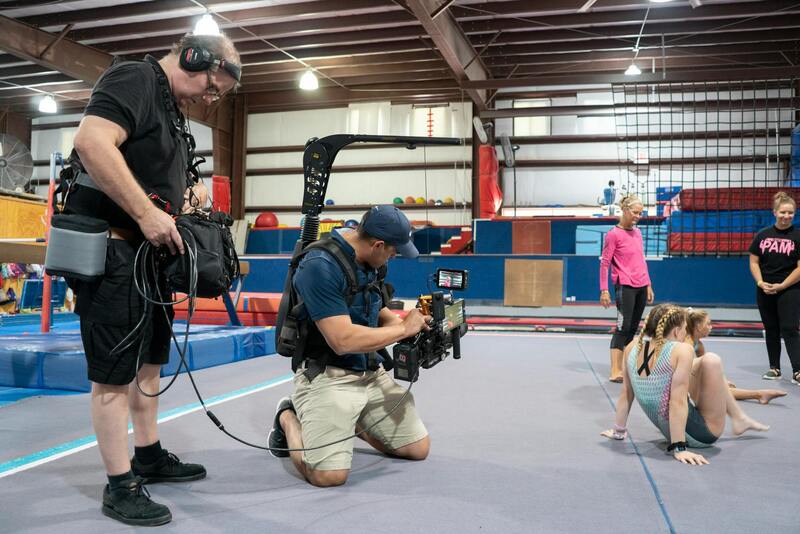
At the core of execution is the team's coordination, involving technical operators, on-camera talent, and production managers. Clear communication protocols and detailed run-of-show scripts enable synchronized transitions and adherence to the broadcast timeline. Employing professional broadcast tools like multi-view monitoring stations aids in overseeing multiple feeds simultaneously, allowing producers to make informed decisions promptly.
Such a structured approach to setup and execution underscores the commitment to delivering high-quality, reliable streaming content that resonates with viewers and ensures a seamless broadcast experience across different platforms and devices.
Production Setup and Execution
Successful streaming video production hinges on meticulous setup and precise execution. This phase involves establishing a fully operational on-site environment that supports high-quality broadcasts. It begins with configuring cameras, audio equipment, lighting, and streaming hardware to ensure they work harmoniously. Proper placement of cameras allows for dynamic shots and effective coverage of the subject matter, whether it's a corporate presentation, product launch, or event coverage. Additionally, professional-grade microphones and sound mixers are employed to capture clear audio, minimizing background noise andecho.
During live production, real-time management of technical elements is crucial. Directors oversee shot selection, transitions, and on-screen graphics, coordinating with camera operators and technical staff through communication channels such as headsets. This coordination enables quick adjustments to unexpected issues, such as equipment malfunctions or feed disruptions, maintaining a seamless viewing experience.
Audio management is equally vital. Using high-quality microphones with proper placement and audio mixers ensures clarity and balance. Sound levels are monitored continuously, and adjustments are made promptly to prevent distortion or imbalance, which could distract viewers or diminish engagement.

Direction plays a central role in live streaming. The director manages the live feed, directing camera angles, switching between shots, and incorporating graphics or overlays to enhance content delivery. Professional streaming software allows for real-time editing and effects, giving producers the flexibility to craft engaging content tailored to audience expectations.
For resilience during broadcasts, backup systems are incorporated. Redundant internet connections, secondary streaming devices, and uninterruptible power supplies are employed to mitigate unforeseen disruptions. This redundancy ensures that the stream remains stable and uninterrupted, especially during critical moments or large-scale events where viewer retention is paramount.
Furthermore, comprehensive monitoring and communication systems are used throughout the production process. Multi-view setups enable producers to oversee multiple camera feeds and real-time stream health metrics simultaneously, facilitating prompt interventions if issues arise. This robust setup underscores a commitment to delivering reliable, high-quality streaming content that resonates with viewers across various devices and platforms.
Ultimately, the success of a streaming video production lies in the intricate coordination of technology and personnel. Every element, from high-definition cameras to seamless audio, from precise directing to redundancy measures, must work cohesively to produce a professional streaming experience that meets the expectations of modern audiences.
Legal and Compliance Considerations
In the realm of streaming video production, adhering to established guidelines and standards is essential to ensure that content is delivered responsibly and ethically. Proper licensing of music, images, and proprietary content used within streams plays a critical role in maintaining the integrity of production practices. Ensuring clear permissions and rights for all visual and audio elements not only prevents potential disputes but also upholds the professionalism of the production.
Content moderation and compliance with industry-specific regulations are also vital. For instance, streams that feature promotional material, educational content, or live commentary may have specific requirements related to copyrights, trademarks, or advertising disclosures. Producers should verify that all elements incorporated into the content meet these standards to foster trust with viewers and avoid disruptions.
Data protection and privacy considerations are increasingly prominent as streaming platforms collect user information and engagement metrics. Implementing strict data handling policies and informing viewers about data use aligns with best practices and enhances the credibility of the production team. Respecting audience privacy and adhering to relevant data guidelines demonstrate a commitment to transparency and responsibility.
Maintaining clear documentation of content sources, licensing agreements, and production rights is important for accountability. Regular audits and reviews of production assets and practices help ensure ongoing compliance with evolving standards and industry expectations. Overall, meticulous attention to legal and compliance protocols safeguards the production company’s reputation and fosters sustainable growth in streaming endeavors.
Legal and Compliance Considerations
Ensuring adherence to legal and regulatory standards is paramount in streaming video production, especially for content broadcast within Miami’s vibrant media landscape. This involves securing the correct permissions for all multimedia assets, including music, video clips, images, and graphical elements used throughout the production. Proper licensing agreements must be in place, providing explicit authorization for their use to prevent unauthorized reproduction or distribution of copyrighted material.
Additionally, establishing robust privacy protocols is essential, given the collection and processing of viewer data. Implementing secure data handling measures, such as encrypted data transmission and storage, safeguards user information against unauthorized access. Clearly communicating data collection practices to viewers fosters transparency, aligns with industry best practices, and maintains audience trust.
Accessibility also plays a vital role. Providing features such as closed captioning, audio descriptions, and multilingual options enhances content reach and ensures compliance with accessibility standards. These measures contribute to a broader viewer base and demonstrate a commitment to inclusivity, which can positively impact the production’s reputation and engagement levels.
Producers should document all licensing agreements, content sources, and permissions meticulously. Regular review and audits of these documents help confirm ongoing compliance, particularly as industry standards evolve. This proactive approach mitigates risks associated with unintentional infringement, ensures adherence to local regulations, and fosters a professional reputation within the industry.
In Miami’s competitive streaming environment, understanding and implementing these legal and compliance measures are crucial. They enable producers to deliver high-quality content confidently, uphold industry standards, and sustain long-term success in the rapidly expanding digital media sector.
Advanced Techniques for Enhancing Streaming Video Content
Optimizing streaming video production involves leveraging sophisticated techniques to elevate video quality, viewer engagement, and platform compatibility. Cutting-edge methods, such as adaptive bitrate streaming, enable dynamic adjustment of video quality based on viewers' internet speeds, ensuring smooth playback without buffering issues. Incorporating high dynamic range (HDR) and 4K resolution enhances visual fidelity, creating immersive viewing experiences that captivate audiences and differentiate content within a competitive market.
Furthermore, employing cloud-based production workflows enhances flexibility and scalability, allowing teams to collaborate remotely and process large volumes of content more efficiently. Virtual studio setups, which utilize green screens and real-time compositing technology, provide versatile environments that can mimic diverse locations without the costs and logistics associated with physical sets. These techniques, combined with real-time analytics, facilitate immediate insights into viewer behavior, enabling content creators to make data-driven adjustments that boost viewer retention.
In addition, integrating interactive elements into streaming videos—such as clickable hotspots, polls, or live chat features—creates a two-way interaction channel, fostering higher engagement levels and personalized viewer experiences. This approach encourages active participation and can significantly increase content shareability.
Finally, ensuring robust backend infrastructure, including content delivery networks (CDNs) and adaptive network protocols, is essential for maintaining high-quality streams across extensive geographic regions. These technologies distribute content efficiently, reduce latency, and improve overall streaming reliability, which is crucial for maintaining a professional viewer experience.
Legal and Compliance Considerations for Streaming Video Content
Ensuring compliance with established standards and guidelines is a fundamental aspect of professional streaming video production. Adhering to intellectual property rights involves obtaining proper licenses and permissions for any copyrighted material incorporated into your content, such as music, imagery, or proprietary footage. Maintaining clear documentation of licensing agreements not only promotes transparency but also safeguards against potential disputes.
Furthermore, understanding and implementing industry best practices related to data privacy and viewer consent is crucial. This includes informing audiences about data collection practices if interactive or personalized features are used during streams. Regularly reviewing and updating privacy policies helps maintain transparency and fosters trust with your audience.
Content moderation plays a key role in maintaining a safe and respectful streaming environment. Establishing clear guidelines for acceptable behavior, along with active moderation during live streams, helps prevent issues related to inappropriate content or harassment. Utilizing professional moderation tools and scheduling dedicated personnel for moderation tasks enhances the overall quality of the streaming experience.
Another critical aspect involves understanding platform-specific policies and adhering to their standards for content presentation, advertising, and monetization. This ensures your streaming activities align with platform regulations, reducing the risk of content removal or account suspension.
Implementing Professional Standards in Your Streaming Workflow
- Maintain comprehensive records of licensing agreements and permissions.
- Develop and communicate clear privacy and data handling policies.
- Deploy active moderation strategies for live interactions.
- Stay updated on platform-specific rules and guidelines.
- Regularly review content for compliance before broadcast and post-production.
By aligning your streaming strategies with these professional standards, Miami businesses and content creators can operate confidently within a structured framework that enhances credibility and maximizes reach. This approach not only safeguards your interests but also builds a solid foundation for long-term growth in the competitive streaming landscape.