
Overview of Live Video Production Services
Live video production companies play a vital role in capturing and broadcasting events in real time, leveraging advanced technology and skilled personnel to produce high-quality streams. These agencies cater to a diverse array of events, encompassing corporate meetings, concerts, sports competitions, cultural festivals, and wedding celebrations. Their core function involves the seamless integration of multiple video feeds, audio inputs, and visual effects to deliver engaging and professional broadcasts that resonate with viewers both onsite and online.
By managing everything from pre-production planning to on-site operation and post-production editing, live video production companies ensure that every element of a live event is tailor-made to meet the client’s goals. They can provide services such as multi-camera setups, live switching, graphic overlays, live streaming, and recording, among others. This comprehensive approach not only guarantees a polished presentation but also enhances audience engagement through real-time interaction and dynamic visual storytelling.
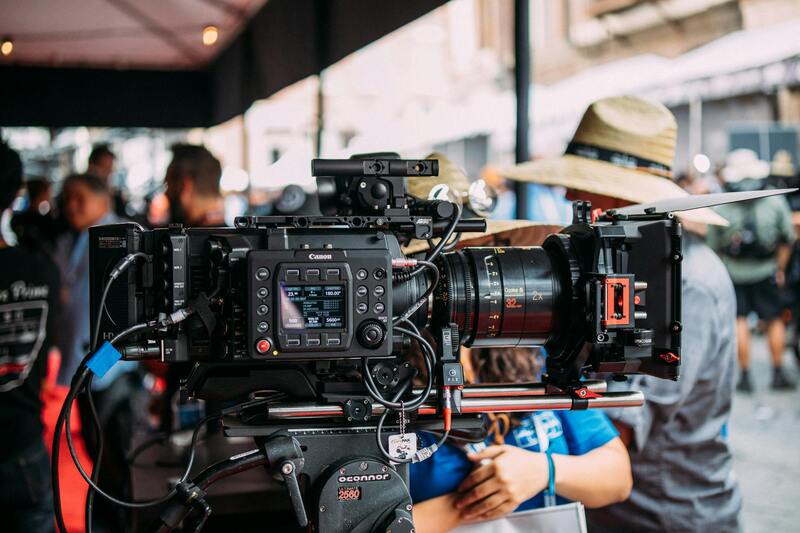
Whether a corporate conference requiring high-definition broadcasts, a music festival necessitating multi-camera coverage, or a faith-based event aiming for global reach, a live video production company adapts its services accordingly. They provide a scalable solution that can range from simple single-camera setups to complex multi-camera productions with sophisticated graphics and live editing features to meet specific event needs and audience expectations.
Moreover, these companies stay abreast of the latest trends and innovations in live broadcasting, such as 4K streaming, virtual and augmented reality integration, and social media broadcasting. This ensures that their clients can leverage the most effective tools to deliver captivating content that not only informs but also entertains and inspires viewers across various platforms.
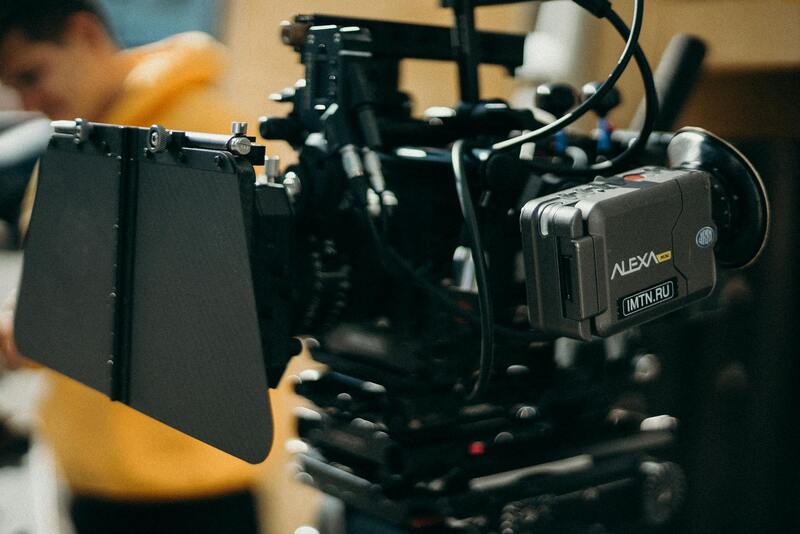
In essence, live video production agencies serve as the creative and technical backbone of any event aiming for live dissemination. Their expertise transforms ordinary events into extraordinary experiences accessible to vast audiences, elevating the event’s impact and reach through professional broadcasting techniques and innovative technology integration.
Key Features of a Professional Live Video Production Company
Choosing a live video production company in Miami requires careful evaluation of several core attributes that ensure the delivery of seamless and high-quality broadcasts. These features not only reflect the company’s technical prowess but also their capacity to manage complex projects with professionalism and creativity. The top-tier live video production firms possess a combination of advanced equipment, experienced personnel, and a proven track record of successful events.
One of the fundamental qualities is technical expertise. A skilled team understands the intricacies of live streaming, including signal routing, switching between multiple camera feeds, and real-time editing. They should be adept in managing diverse broadcasting platforms and ensuring smooth integration of various media elements, such as graphics, overlays, and patient audio-visual synchronization. This expertise minimizes technical glitches and guarantees a professional viewing experience.
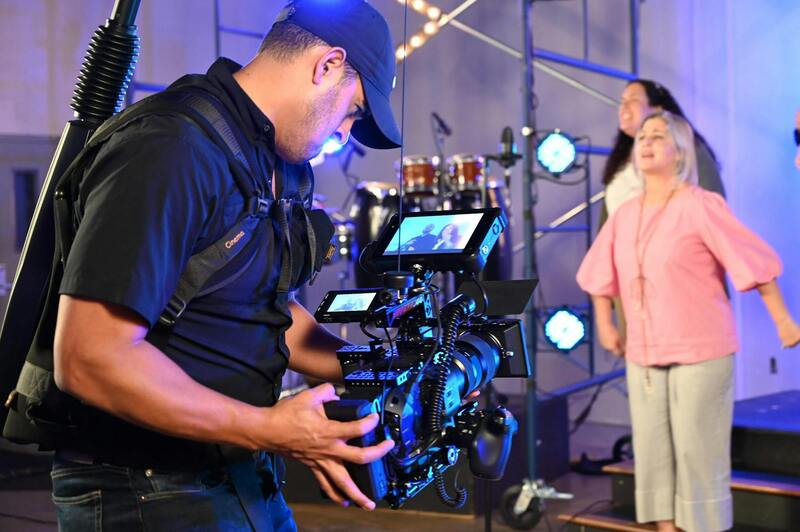
Another critical feature is equipment quality. A reputable live video production company invests in high-end cameras, switchers, encoders, and audio equipment. These tools are essential for capturing crisp visuals and clear sound, especially during dynamic events requiring quick camera movements or multi-camera setups. Utilizing the latest technology, such as 4K cameras, wireless video transmission, and live graphics overlays, enhances the production value and viewer engagement.
Furthermore, experience plays a pivotal role in successful live production. An experienced team has managed a wide array of events, from corporate product launches to live concerts and sports tournaments. Their background enables efficient problem-solving, rapid adaptation to unforeseen circumstances, and the ability to handle complex live edits with precision. The ability to remain composed under pressure, while ensuring all technological elements work harmoniously, sets a proficient live video production company apart.
Effective communication skills and the capacity for detailed planning are also vital. A trusted provider collaborates closely with clients to understand their objectives, audience expectations, and specific event requirements. They develop comprehensive production plans, including shot lists, camera placements, and streaming strategies, to deliver a tailored experience that aligns with the client’s goals.
In addition to core technical capabilities, a professional company emphasizes client support and transparency. Clear communication about costs, timeline expectations, and post-event delivery helps foster trust and ensures that project milestones are met without surprises. Their ability to offer customized solutions, flexible packages, and responsive customer service makes them a reliable partner for any live event in Miami.
In sum, the hallmark of an exceptional live video production company is a harmonious blend of advanced technology, skilled personnel, extensive experience, and dedicated client support. These qualities ensure the success of live broadcasts that resonate with audiences, elevate your brand presence, and create memorable event experiences.
Technologies and Equipment Used in Live Video Production
High-quality live video production relies on a diverse array of advanced technologies and equipment that ensure broadcasts are seamless, clear, and engaging. For a Miami-based live video production company, staying updated with the latest industry-standard tools is essential for delivering superior results that meet client expectations and elevate event experiences.
At the core of professional live video productions are high-definition cameras equipped with interchangeable lenses and stabilization features. These cameras, often in multiple units, enable dynamic multi-angle shots, capturing every detail of an event from various perspectives. Pairing these with professional-grade switchers allows for smooth transitions between camera feeds, creating a polished and cohesive broadcast.
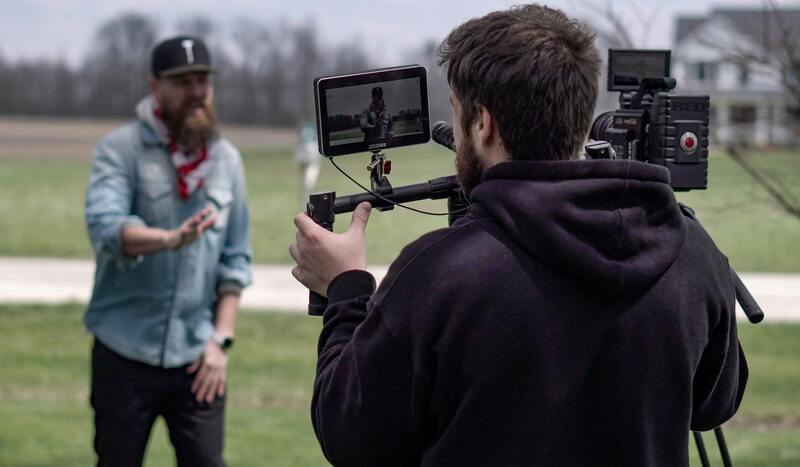
Audio quality plays an equally vital role, necessitating the use of broadcast-quality microphones, mixers, and audio processors to deliver clear, crisp sound. Directional microphones and wireless systems ensure audio is captured precisely, without interference or background noise, even in complex event environments.
Lighting setups are tailored to enhance visual clarity and mood, utilizing professional LED panels, softboxes, and spotlights. These fixtures are adjustable to suit different indoor and outdoor settings, ensuring the subject is well-illuminated regardless of ambient light conditions.
For streaming and broadcast transmission, reliable encoders and streaming platforms are employed to handle high-bandwidth data efficiently. These encoders compress audio and video signals without sacrificing quality and facilitate secure, real-time delivery to various online platforms, ensuring viewers can access the event smoothly across devices and locations.
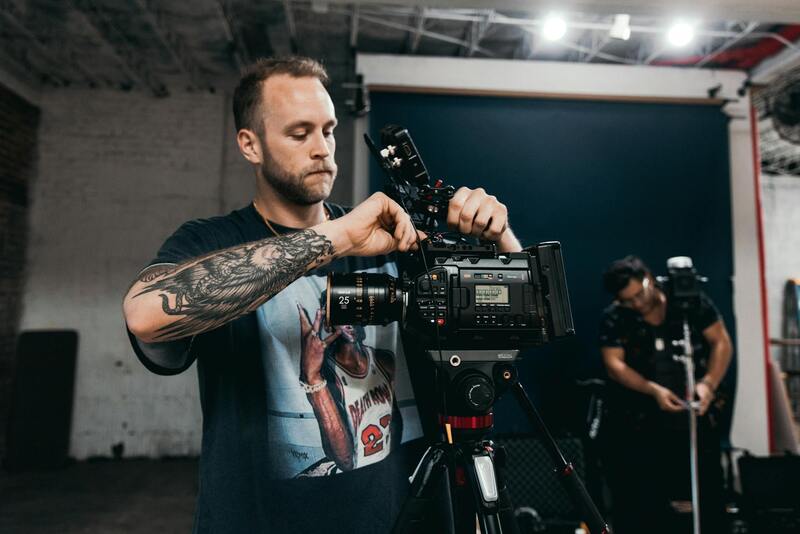
Additional tools such as teleprompters, graphics generators, and real-time editing software allow for on-the-fly adjustments. These support seamless integration of visual effects, supplemental information, or branding elements, enhancing audience engagement and message clarity.
Wireless transmission systems are often employed to reduce physical cable clutter and increase camera mobility, particularly during dynamic event coverage. When combined with fiber-optic connections for fixed setups, these technologies ensure a robust network infrastructure capable of supporting high-quality live streaming with minimal latency.
Integrated control and monitoring systems provide real-time oversight of all technical components, enabling operators to swiftly address any issues that arise during a live event. This proactive approach minimizes disruptions and guarantees the broadcast remains smooth and professional from start to finish.
In essence, the selection and use of suitable technologies and equipment are fundamental to executing successful live video productions. A Miami-based live video production company invests in the latest tools and maintains thorough training for their team, ensuring they can handle diverse event demands efficiently and deliver a broadcast that truly captures the essence and energy of each occasion.
Technologies and Equipment Used in Live Video Production
In the realm of professional live video production, the use of advanced technologies and equipment is essential to deliver high-quality broadcasts that meet the expectations of clients and viewers alike. State-of-the-art cameras, switchers, and audio systems form the backbone of any successful production, ensuring clarity, stability, and immersive visual experiences. High-definition and 4K cameras with multiple lenses are often employed to capture different angles, providing dynamic and engaging content for the audience.
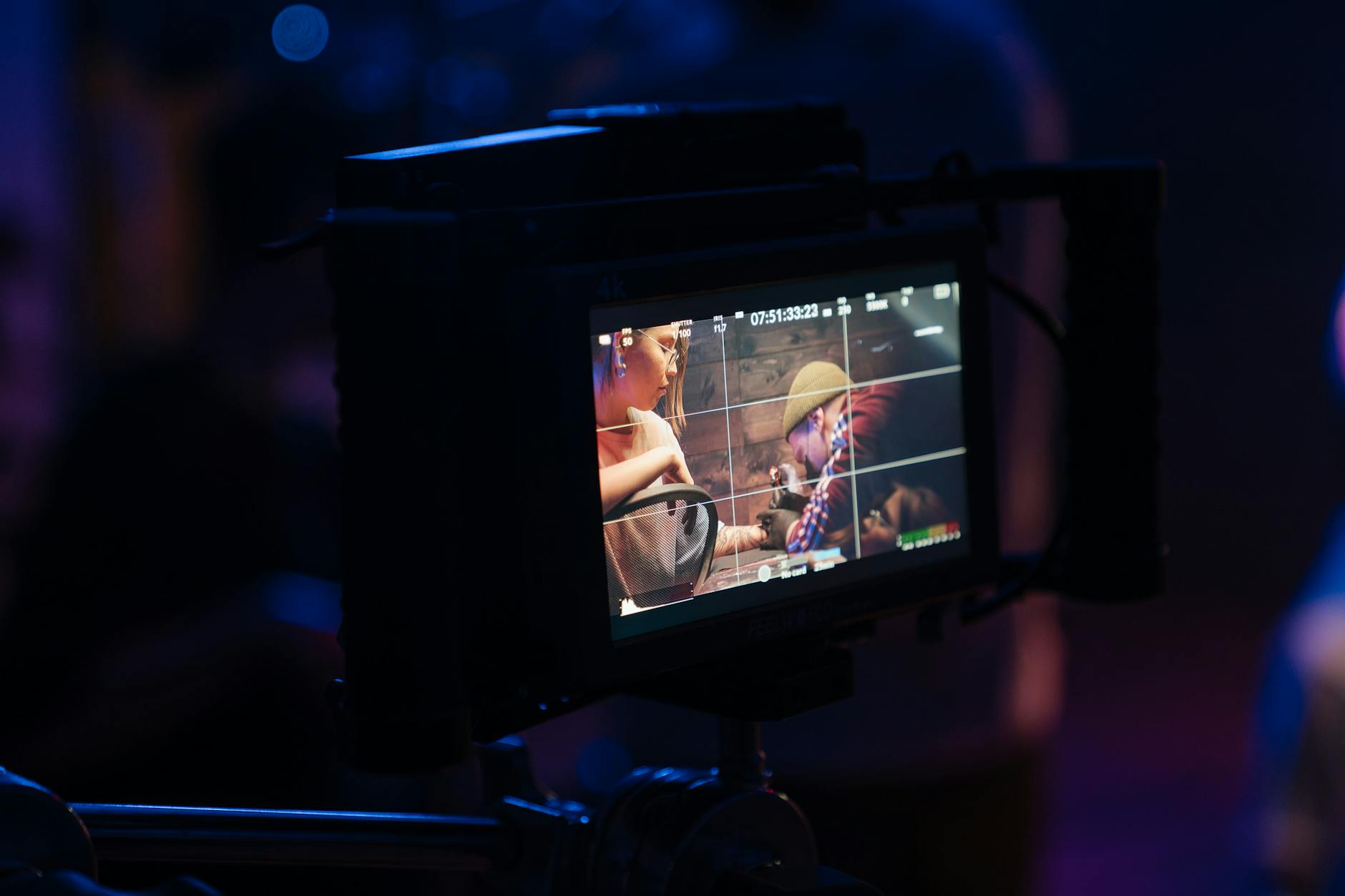
Switching hardware allows for smooth transitions, overlays, and real-time editing, vital for maintaining a professional flow during live events. Complementary to visual equipment, professional-grade audio gear—including shotgun, lavalier, and handheld microphones—is used to ensure crystal-clear sound, which is equally important for viewer engagement.
Lighting setups tailored to indoor and outdoor environments enhance video quality, highlighting speakers and performers while setting the appropriate mood. Additionally, graphics generators, teleprompters, and real-time editing software enable on-the-fly visual adjustments, enriching the storytelling aspect of the production.
Wireless transmission systems are increasingly popular to facilitate camera mobility and minimize physical limitations, especially during dynamic event coverage such as festivals, sports, or corporate gatherings. Fiber-optic connections provide reliable, high-capacity bandwidth for fixed setups, supporting full HD and 4K streams with minimal latency. These technological components collectively ensure a stable, professional broadcast that engages viewers and delivers a polished event experience.
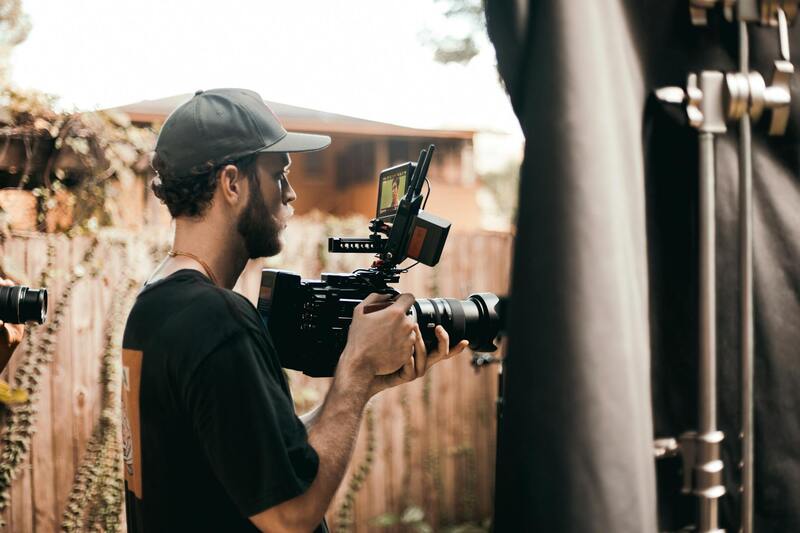
A Miami-based live video production provider invests heavily in the latest technological tools and invests in ongoing training for their team. This commitment ensures that they can adapt to evolving industry standards and integrate emerging innovations, ultimately producing broadcasts that are both technically flawless and visually compelling.
Technologies and Equipment Used in Live Video Production
In the realm of live video production, the deployment of advanced technologies and cutting-edge equipment is fundamental to achieving high-quality broadcasts that capture the audience’s attention and convey the intended message effectively. A professional live video production company in Miami leverages a comprehensive array of tools designed to facilitate seamless streaming, high-resolution visuals, and pristine audio delivery.
At the core, high-definition cameras such as studio-grade Sony, Canon, or Panasonic models are employed to ensure sharp, vibrant imagery suitable for various event types. These are often supplemented with PTZ (pan-tilt-zoom) cameras for dynamic shots without manual operation, enabling smooth, automated camera angles that contribute to a polished presentation. The use of multiple camera feeds allows for seamless switching between different perspectives, enhancing viewer engagement.
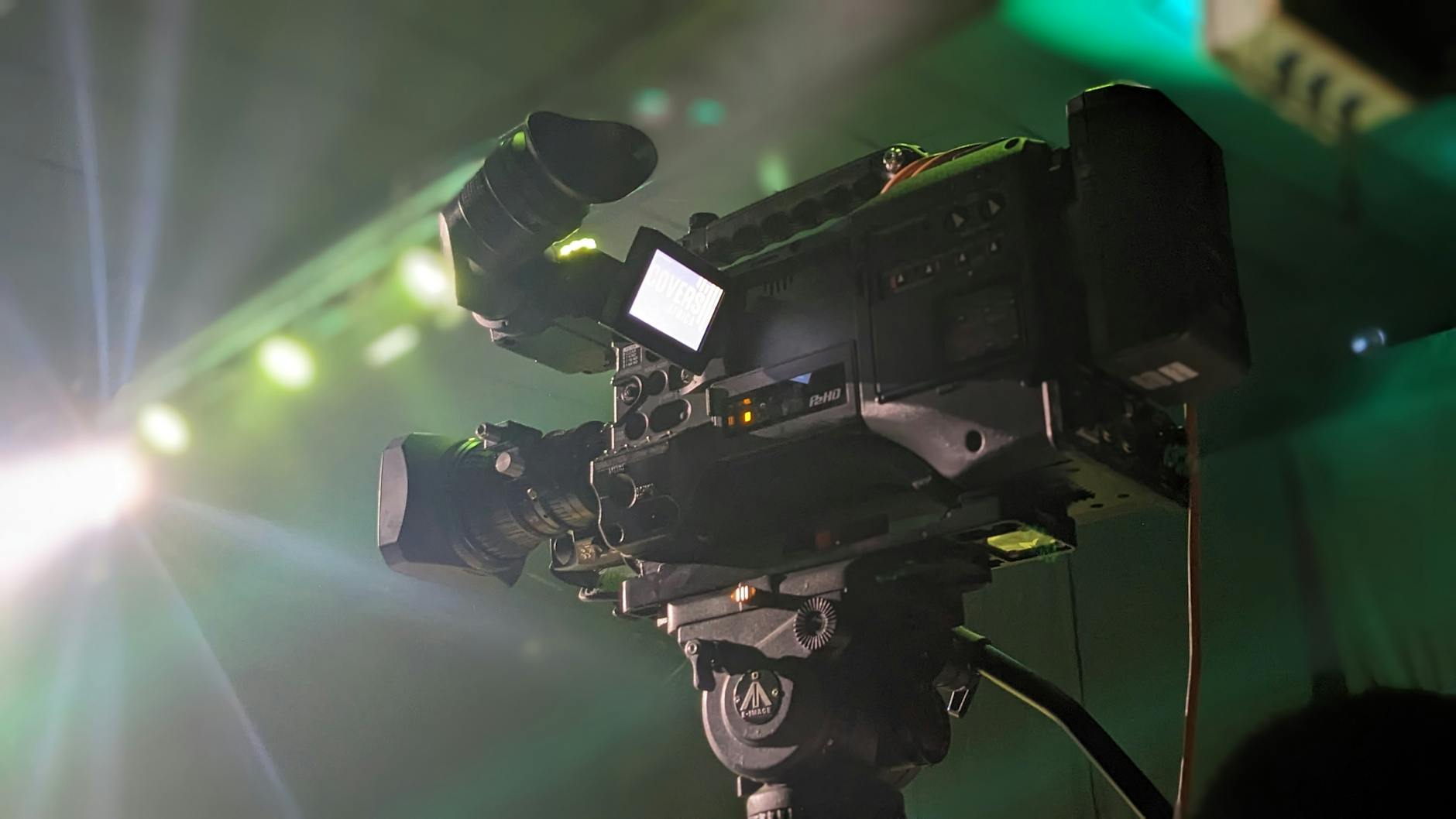
For audio, companies utilize a combination of wireless microphones, lapel (lavalier) mics, and handheld microphones to capture voices clearly in varied environments. Audio mixers then balance and route these sound sources to ensure clarity and minimize background noise. Additionally, audio processing tools, such as noise gates and equalizers, fine-tune the sound quality, providing an immersive audio experience to viewers.
Another crucial component is the integration of robust streaming hardware and platform interfaces. Hardware encoders from brands like Teradek or Magewell encode live video signals into streams compatible with popular streaming services, including YouTube, Facebook Live, or custom CDN (Content Delivery Networks). These encoders support multiple bitrates and resolutions, adapting to fluctuating internet conditions and ensuring uninterrupted transmission.
Lighting equipment plays a vital role, especially for indoor productions or nighttime outdoor events. Professional LED lights with adjustable color temperature and brightness settings help set the mood, highlight speakers, and ensure consistent image quality. Portable lighting kits and diffusers are deployed to manage shadows and glare, enhancing visual clarity.
Steady and smooth footage is maintained through advanced stabilization systems such as gimbals and dolly rigs, which are particularly useful for mobile coverage or outdoor settings. Additionally, real-time switchers combine multiple video feeds into a single production output, seamlessly transitioning between cameras and adding overlays, graphics, or lower thirds for branding or informational purposes.
Lastly, fiber-optic cabling and wireless transmission systems facilitate high-capacity, low-latency data transfer, essential for live events requiring mobility and flexibility. Fiber connections provide a reliable backbone for fixed setups, ensuring consistent delivery of high-definition content. Meanwhile, wireless solutions, such as 4G/5G bonded networks and Wi-Fi transmissions, enable flexible camera placements and remote operation without compromising stream stability.
Summary of Common Technical Tools and Hardware
- Professional HD and 4K Cameras
- Pan-Tilt-Zoom (PTZ) Cameras
- Wireless and Lavalier Microphones
- Audio Mixers and Processing Units
- Hardware Encoders for Streaming
- High-Performance Lighting Systems
- Stabilization Gear (Gimbals, Dollies)
- Video Switchers and Graphic Generators
- Fiber-Optic Cables and Wireless Transmission Devices
Through the integration of these sophisticated tools and hardware, a live video production company in Miami can deliver broadcasts that are not only technically exceptional but also visually engaging, ensuring that your event resonates with your target audience across multiple platforms.
Technologies and Equipment Used in Live Video Production
In the realm of professional live video production, the deployment of advanced technologies and state-of-the-art equipment is pivotal to ensuring high-quality broadcasts. These tools not only facilitate seamless visual and audio transmission but also enable dynamic content delivery that captures audience attention and maintains engagement throughout the event.
High-definition (HD) and 4K cameras are foundational components, offering crisp image quality that enhances the viewing experience across diverse platforms. Pan-Tilt-Zoom (PTZ) cameras provide versatile remote operation capabilities, allowing operators to adjust angles and focus points in real time, ensuring comprehensive coverage of the event space.
Optimal audio clarity is achieved through the use of wireless and lavalier microphones, coupled with sophisticated audio mixers and processing units. These tools filter background noise, balance sound levels, and ensure that speech and musical performances are clearly conveyed to viewers. Hardware encoders are employed to convert high-quality video signals into streams suitable for online broadcasting, thus maintaining clarity and stability during transmission.
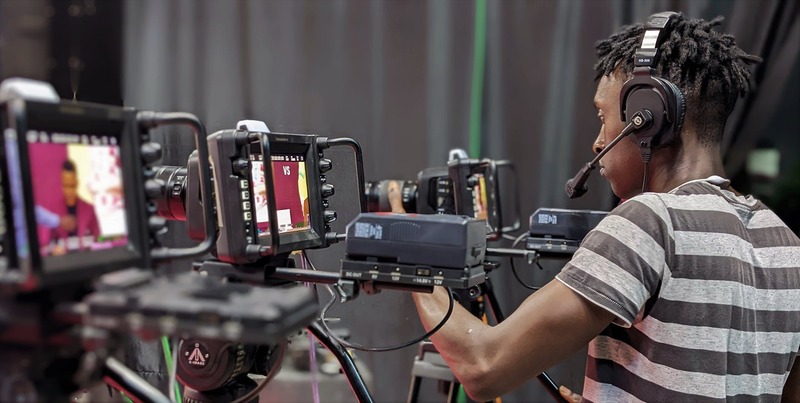
Lighting plays a crucial role in shaping the overall aesthetic. High-performance lighting systems are used to illuminate the stage or venue evenly, avoiding shadows and enhancing visual appeal. Stabilization gear such as gimbals and dollies are used to produce smooth camera movements, especially in dynamic shooting environments.
The integration of video switchers and graphic generators allows producers to seamlessly transition between different camera feeds and incorporate overlays, lower thirds, logos, and informational graphics, enriching the broadcast with branding and context. Fiber-optic cables provide a robust backbone for fixed setups, ensuring consistent high-definition signal delivery, while wireless transmission devices and bonding 4G/5G networks offer flexibility for mobile and remote camera operation.
Together, these technological components form a comprehensive ecosystem that enables Miami-based live video production companies to deliver broadcasts that are visually stunning, technically reliable, and tailored to meet specific event requirements.
Technologies and Equipment Used in Live Video Production
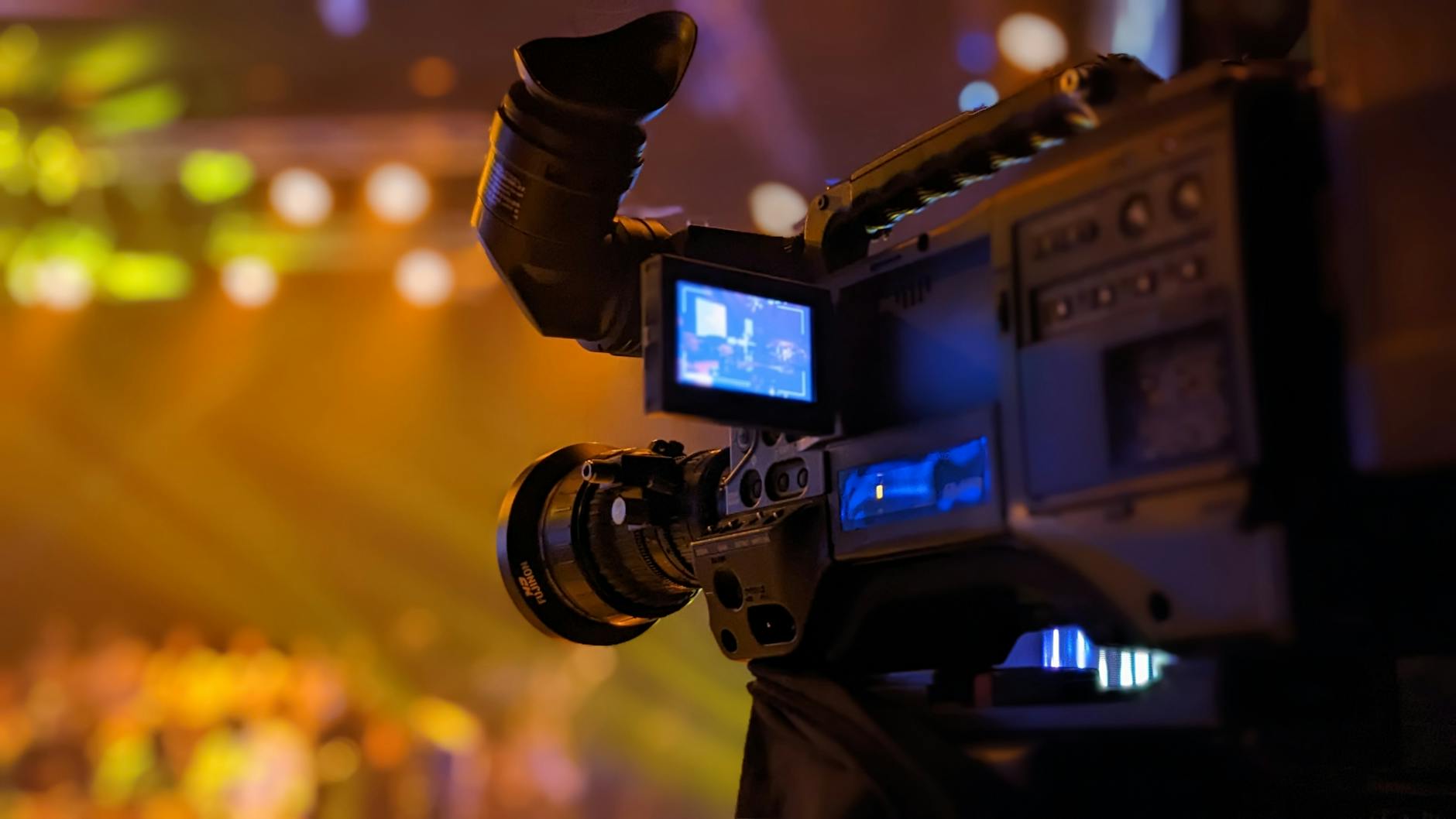
Implementing cutting-edge technology is fundamental for delivering high-quality live streams. A reputable live video production company in Miami leverages an extensive array of advanced equipment to ensure broadcast excellence. This includes professional-grade cameras capable of capturing crisp, vibrant images even in challenging lighting conditions. High-resolution cameras with interchangeable lenses enable versatile shot compositions, from wide-angle views to detailed close-ups, enhancing the viewer experience.
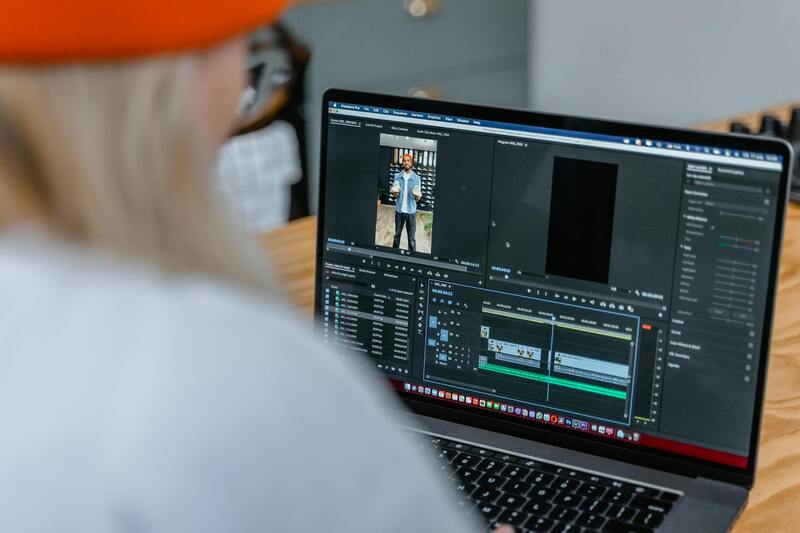
Complementing the cameras are sophisticated switchers and codecs that facilitate real-time transitions, overlays, and branding elements seamlessly integrated into the live feed. Video switchers allow operators to switch smoothly between multiple camera sources, ensuring a dynamic and engaging presentation. Visual effects, graphic overlays, lower thirds, and on-screen text are generated via graphic engines that are synchronized with live feeds, augmenting information delivery and aesthetic appeal.
Lighting systems are vital for setting the mood, highlighting speakers, and avoiding shadows, particularly in indoor venues. High-performance LED lighting arrays with adjustable color temperatures and dimming controls provide flexibility to adapt the ambiance based on the event's tone. Stabilization tools like gimbals, dollies, and steadicams are employed to achieve smooth camera movements, crucial for dynamic event coverage or mobile setups.
Transmission technology is equally critical, with fiber-optic cables providing a resilient backbone for fixed event setups. For mobility and flexibility, wireless transmission units, bonded cellular networks (using 4G and 5G), and satellite uplinks are utilized to deliver a stable live feed across different locations. These tools enable remote production capabilities and outdoor broadcasts, expanding the possibilities for event coverage.
Furthermore, audio quality is maintained through professional audio mixers, lapel microphones, and directional microphones that capture clear sound, which is essential for viewer engagement and comprehension. Integration of all these components, managed via professional control interfaces, results in polished, high-frequency live broadcasts capable of reaching large audiences on digital platforms.
Overall, adopting state-of-the-art technological solutions allows Miami-based live video production companies to deliver services that excel in visual fidelity, reliability, and operational flexibility. These investments in technology emphasize their commitment to providing clients with professional broadcasts that elevate the event’s impact and reach audiences effectively across various channels.
Additional Considerations for Successful Live Video Production in Miami
When engaging a live video production company in Miami, it is crucial to establish a clear understanding of the entire workflow involved in the broadcast. This includes pre-production planning, technical rehearsals, live execution, and post-event review. Detailed pre-production meetings help outline the event’s objectives, key moments to capture, and branding requirements, enabling the production team to tailor their approach effectively.
Effective communication channels between the client and production crew are vital before, during, and after the event. Regular updates and feedback sessions ensure that everyone remains aligned on expectations and technical specifications. Implementing a comprehensive script or shot list minimizes surprises and guarantees that all crucial aspects are covered during the live broadcast.
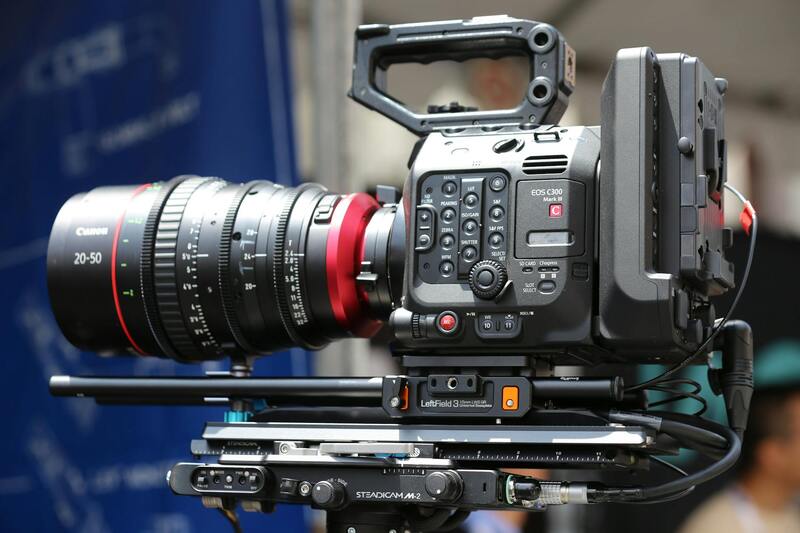
On the day of the event, thorough technical rehearsals are indispensable. These rehearsals help identify potential issues with audio, video, or streaming connections, allowing for adjustments before going live. It is also essential to conduct test runs with all equipment, including cameras, microphones, switchers, and transmission hardware, especially for outdoor or complex multi-camera setups.
Ensuring Compatibility with Digital and Social Platforms
- Stream Compatibility: The selected production team should ensure that the output format aligns with the target streaming platforms, such as Facebook Live, YouTube, or custom RTMP servers.
- Optimized Content Delivery: Adaptive bitrate streaming ensures smooth viewing experiences across different internet speeds and devices.
- Branding and Graphics: Incorporating real-time graphics, lower thirds, and branding overlays enhances professionalism and viewer engagement.
During the broadcast, real-time monitoring plays a critical role in swiftly addressing any technical glitches. Qualified operators oversee video feeds, audio levels, and streaming stability to maintain broadcast quality throughout the event. Post-production review and analytics afterward provide insights into viewer engagement and technical performance, informing improvements for future productions.
Maintaining a Professional and Reliable Service
- Experienced Crew: A team with extensive experience in live events ensures smooth operation, even under unforeseen circumstances.
- State-of-the-art Equipment: Using the latest cameras, switching hardware, and transmission technology guarantees high-quality output.
- Contingency Plans: Preparedness for equipment failure or connectivity issues minimizes downtime and service interruptions.
Choosing a Miami-based live video production company that emphasizes technical proficiency and reliable service delivery enables clients to project a polished image and reach their audiences effectively. The seamless integration of advanced technology and meticulous planning fosters engaging broadcasts that elevate the profile of any event, from corporate conferences to cultural festivals.