
Overview of Live Stream Production Services
Live stream production services encompass a comprehensive set of solutions designed to broadcast live events over the internet with professional quality and reliability. These services facilitate the seamless delivery of live video content, empowering organizations, corporations, educators, and entertainers to connect with audiences in real time, regardless of geographic boundaries. As digital engagement continues to expand, the importance of high-quality live streaming has become essential for hosting virtual conferences, product launches, webinars, concerts, sports events, and corporate communications.
Leveraging advanced broadcasting equipment, skilled technical staff, and robust streaming platforms, live stream production services ensure that content is delivered smoothly, with minimal latency and maximum visual clarity. They manage all aspects of the broadcast, from pre-production planning and content setup to live switching, encoding, and post-event analytics. This integration of technical expertise and creative production helps businesses and organizations establish a dynamic online presence, reach broader audiences, and elevate their brand visibility with professional-grade broadcasts.
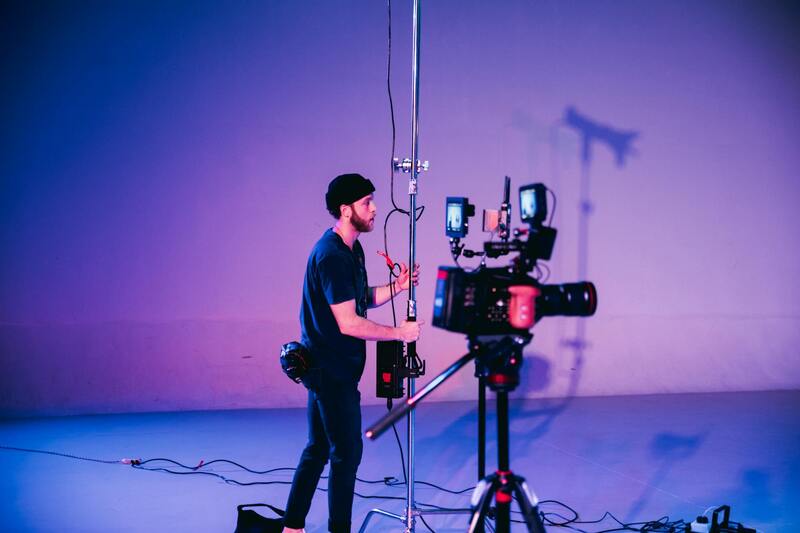
By utilizing specialized hardware, software, and strategic planning, live stream production services address the challenges associated with virtual event hosting. They optimize image quality, sound clarity, and viewer engagement through features like multi-camera setups, graphics overlays, live chat integration, and real-time audience interaction. This approach not only enhances viewer experience but also amplifies the overall impact of the event, making it a powerful tool for marketing, education, and community engagement in today's digital landscape.
Moreover, the role of live stream production services extends beyond mere broadcasting. They offer technical support and contingency planning to ensure a smooth operation even under unforeseen circumstances, such as internet disruptions or equipment failures. This level of professionalism in handling the technical aspects of live streaming underscores the importance of partnering with experienced service providers who understand the intricacies of virtual event production and can adapt to evolving digital trends.
Key Components of Live Stream Production
To ensure the delivery of a polished and effective live broadcast, a variety of technical components and personnel come together in a cohesive production setup. The foundation begins with high-quality video capture, which is typically achieved through professional-grade video cameras. These cameras need to be capable of capturing crisp images with accurate color reproduction, even under challenging lighting conditions. Multiple camera angles are often employed to provide dynamic visuals, allowing viewers to engage more deeply with the content.
Audio quality is equally critical. Directional microphones, wireless lapels, and sound mixing consoles are used to ensure clear, balanced sound that complements the visual feed. Poor audio can significantly detract from an otherwise excellent broadcast, making this component essential for viewer retention and engagement.
Streaming platforms serve as the digital conduit for broadcasting content to audiences worldwide. These platforms are selected based on the specific needs of the event, such as scalability, security, and compatible formats. Commonly used services offer reliable infrastructure and features like live chat, viewer analytics, and multi-platform integration, which enhance the overall experience.
A skilled production crew acts as the operational backbone, managing the technical aspects throughout the event. This team typically includes directors, camera operators, sound technicians, and technical support staff. The director orchestrates the live switch between camera feeds, overlays graphics, and ensures the timing aligns with the event schedule. Adequate training and experience are vital to execute complex live productions efficiently.
Additional components include reliable encoding hardware or software that compresses video signals for streaming, various visual graphics such as lower thirds and logos, and real-time subtitling or closed captioning tools when accessibility is a priority. These elements work synchronously to produce a seamless broadcast, captivating viewers and conveying professionalism.
Technical infrastructure also involves backup solutions such as redundant internet connections, backup power supplies, and emergency protocols that mitigate potential disruptions. Ensuring stability and quality control during live events depends on meticulous planning and the integration of cutting-edge technology.
Key Components of Live Stream Production
Executing a professional live stream requires an intricate blend of technical expertise, robust equipment, and meticulous planning. Core components include state-of-the-art encoding hardware or software that streamlines the raw video signals into a format optimized for online delivery. This ensures the broadcast maintains high quality with minimal latency, allowing viewers to enjoy a seamless viewing experience across various devices.
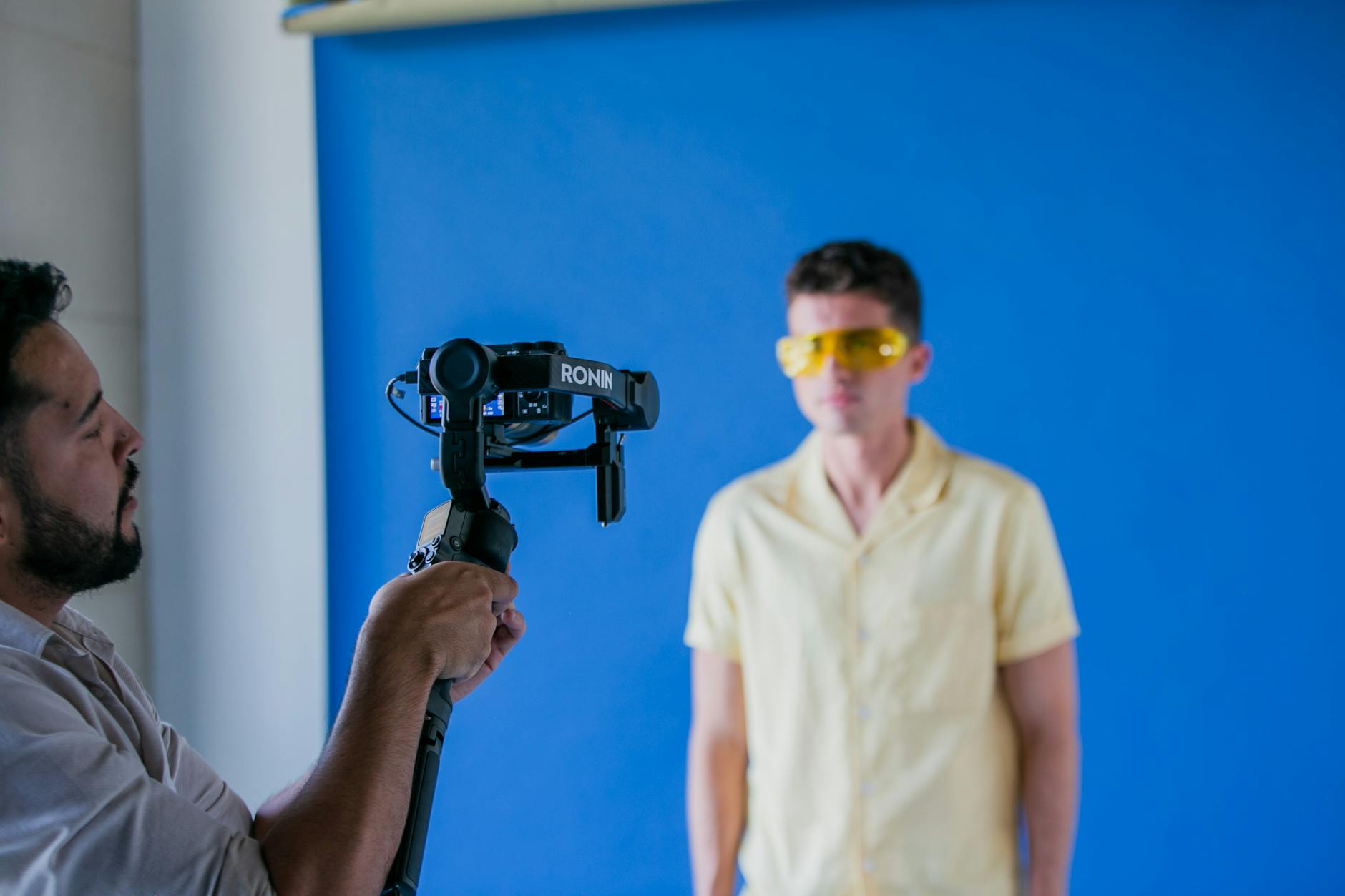
The visual presentation is enhanced through the use of graphics, overlays, and branding elements that contribute to a polished and engaging broadcast. Tools such as lower thirds, logo overlays, and animated transitions are integrated in real-time, elevating the production value and reinforcing brand identity. Accessibility features like real-time subtitling or closed captioning further expand the reach, ensuring content is accessible to diverse audiences.
Behind the scenes, a skilled production crew orchestrates every aspect of the live event. The director manages the live switching between camera angles, graphics, and special effects, maintaining the flow and pacing aligned with the event’s narrative. Camera operators capture different perspectives, providing dynamic visuals that keep viewers engaged. Sound technicians ensure audio clarity, balancing microphones and managing background sounds to create an immersive audio environment.
Critical to maintaining broadcast stability are redundant internet connections and backup power supplies. These provisions safeguard against common disruptions such as network outages or power failures, allowing the streaming process to continue uninterrupted. Emergency protocols, including rapid failover systems and on-call technical support, are established well in advance to mitigate potential issues swiftly.
Effective live stream production also involves the integration of interactive elements, including live chat moderation, viewer analytics, and multi-platform streaming capabilities. These features facilitate ongoing engagement and provide valuable insights into audience behavior, which can be used to refine future broadcasts. The overall infrastructure is designed to support scalability, security, and compatibility across a wide array of streaming platforms and devices.
Comprehensive setup elements encompass high-definition camera arrays, professional audio equipment, lighting systems, and robust streaming interfaces. All components are calibrated and tested thoroughly prior to the event to ensure optimal performance. The coordination of these elements culminates in a high-quality, reliable broadcast that effectively conveys the intended message and maintains viewer interest from start to finish.
Essential Equipment and Technology in Live Stream Production
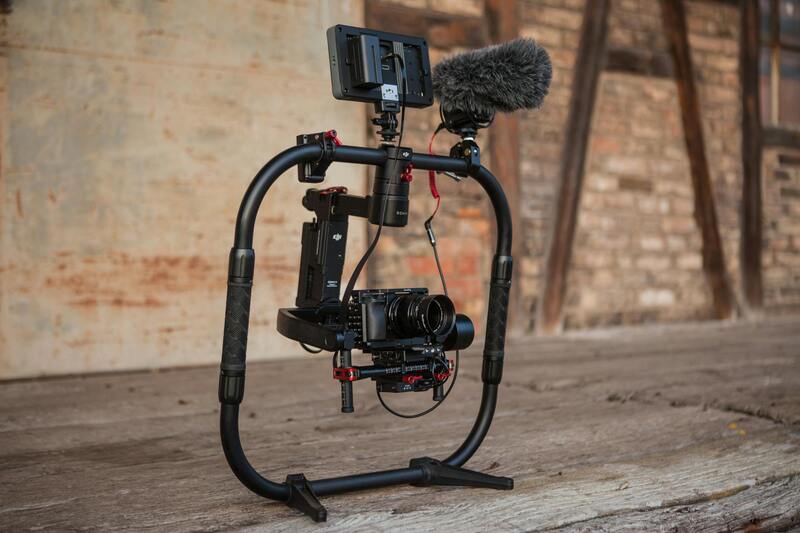
Effective live stream production relies heavily on a sophisticated array of equipment that ensures high-quality video and audio delivery. The foundation begins with high-definition cameras capable of capturing multiple angles and providing crisp visuals, which are essential for engaging viewers and conveying professionalism. These cameras are often mounted on stabilized rigs or tripods and may include remote-controlled systems for dynamic shots. Complementing these are professional-grade audio mixers and microphones, which guarantee clear and balanced sound, critical for viewer immersion and message clarity.
Lighting setups also play an integral role, as appropriate illumination enhances image quality and emphasizes key subjects or areas within the frame. Lighting technicians adjust and tailor fixtures to match environmental conditions and production requirements, ensuring consistency throughout the broadcast. In addition, production teams utilize advanced switching consoles for real-time camera angle changes and seamless transitions, heightening the overall viewing experience.

Networking and Data Transmission Protocols
A reliable internet connection is vital for uninterrupted streaming, often requiring multiple redundant links. These links are configured via load balancing and automatic failover systems to maintain continuous transmission even if one connection falters. For large-scale events, fiber optic internet lines are preferred due to their high bandwidth capabilities and low latency, ensuring seamless data flow from the production site to viewers worldwide.
Streaming interfaces, such as encoders and software-based solutions, encode the live footage into formats suitable for multiple platforms. These systems are equipped with encryption protocols to protect stream integrity and prevent unauthorized access. Moreover, content delivery networks (CDNs) distribute the stream across diverse geographical locations, minimizing buffering delays and optimizing viewer experience regardless of location.
Workflow and Production Management
From pre-event planning to post-broadcast analysis, workflow management tools coordinate all aspects of live stream production. These include scheduling software, communication channels for team coordination, and real-time monitoring dashboards. The production team must execute a detailed script or rundown, covering camera cues, graphic overlays, and interaction points, to synchronize all elements smoothly during the live event.
Prior to the event, rehearsals are conducted to troubleshoot technical issues and refine timing. During the broadcast, dedicated personnel oversee various functions—such as switching, graphics, audio mixing, and viewer engagement—ensuring a polished presentation. After the event concludes, comprehensive analytics are reviewed to assess viewer engagement, stream quality, and overall performance, informing future improvements.
Overview of Live Stream Production Services
Live stream production services encompass the end-to-end management and execution of live broadcasting events, leveraging advanced technology and skilled personnel to deliver high-quality content to audiences across various platforms. These services include pre-event planning, technical setup, multi-camera operation, audio-visual management, graphic overlays, audience interaction, and post-event analytics. Professional providers ensure that every element of the live broadcast is synchronized seamlessly, creating an engaging experience for viewers while maintaining high standards of broadcast integrity and reliability.
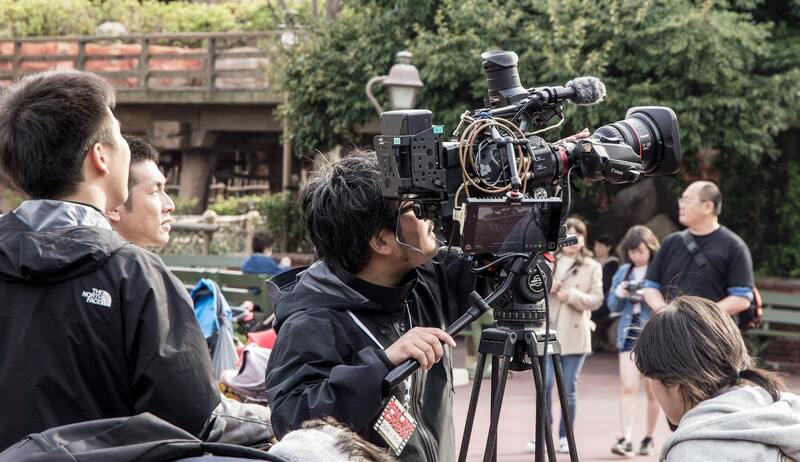
For organizations and event organizers in Miami, partnering with experienced live stream production companies provides access to cutting-edge technology, skilled technicians, and tailored solutions that cater specifically to their event needs. Whether streaming corporate conferences, concerts, religious gatherings, or sporting events, these services ensure professional-grade broadcasts that reach vast audiences globally with minimal technical disruptions.
Key Components of Live Stream Production
Successful live streaming relies on several critical components working harmoniously:
- High-Quality Video Sources: Multiple high-definition cameras capture different angles and moments, providing dynamic visual coverage.
- Encoding Equipment: Hardware or software encoders convert raw footage into optimized digital formats suitable for streaming.
- Stable Internet Connection: High bandwidth connectivity with backup options to prevent interruptions.
- Graphics and Overlays: Real-time graphics, captions, and branding elements enhance professionalism and viewer engagement.
- Audio Management: Clear audio capture and mixing are crucial for an immersive viewing experience.
- Video Switching and Control: Live switching between camera feeds and integrating pre-recorded content as needed.
- Content Delivery Networks (CDNs): Distribute the stream across multiple servers worldwide, ensuring smooth delivery and minimal lag.
- Monitoring and Support: Continuous oversight during the event to address any technical issues promptly.
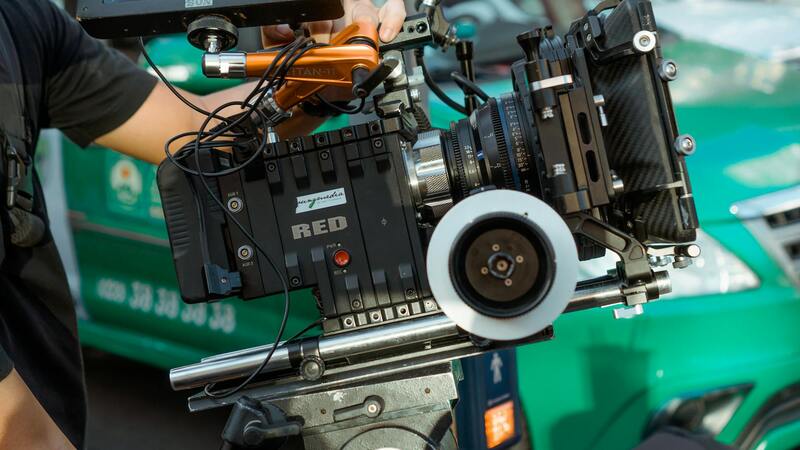
Types of Live Streaming Events
From small corporate meetings to large-scale international broadcasts, different event types require specialized approaches:
- Corporate Events: Product launches, webinars, and meetings that benefit from professional presentation and branding integration.
- Entertainment & Music Concerts: High-quality audiovisuals and multi-camera setups for dynamic live performances.
- Religious Services: Streaming sermons or spiritual gatherings to reach congregations beyond physical location.
- Sports Events: Multiple camera angles and instant replays to deliver immersive coverage of games and competitions.
- Educational Conferences: Interactive sessions with live Q&A, breakout rooms, and recorded segments.
Choosing a Live Stream Production Service Provider in Miami
Selecting the right provider involves evaluating their technical expertise, equipment quality, experience with similar events, and ability to customize solutions. Local providers in Miami understand regional connectivity challenges and can offer onsite support tailored to your specific event schedule and audience size. An ideal partner should demonstrate a clear workflow plan, comprehensive service offerings—including pre-event consultation, full technical support, and post-event analytics—and transparent pricing models. Ensuring they adhere to industry standards and exhibit professionalism across their team will contribute to a smooth, successful live broadcast.
Essential Techniques for Optimal Live Streaming Quality
Achieving a seamless and engaging live stream requires meticulous attention to technical details and the employment of proven methods. The core of high-quality live streaming hinges on reliable equipment, robust network infrastructure, and strategic production practices. Professional live stream production services leverage state-of-the-art technology to optimize video and audio clarity, ensuring the audience remains captivated and the message is conveyed without interruptions.
Optimizing Video and Audio Inputs
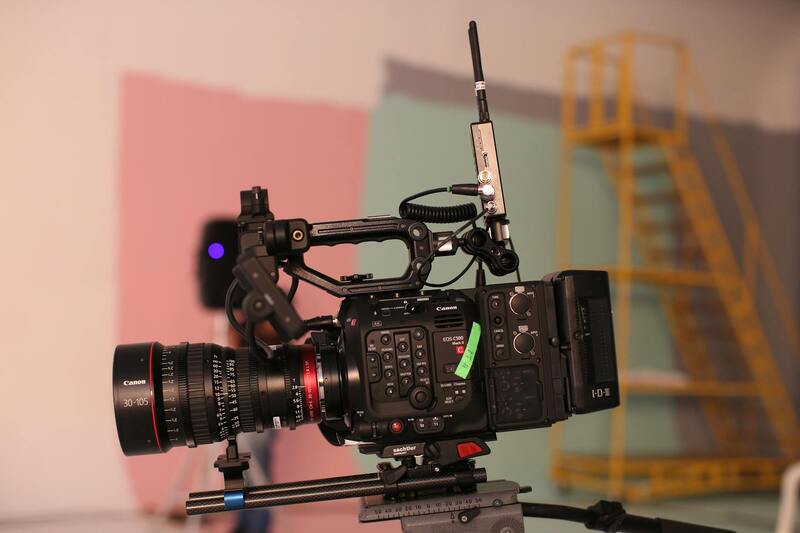
High-definition cameras are fundamental for delivering sharp visuals, with multi-camera setups enabling dynamic angles and close-ups that enhance viewer engagement. These cameras should be synchronized through professional switchers that facilitate smooth transitions and real-time editing. Audio quality is equally critical; employing professional microphones, audio mixers, and sound engineering ensures clear speech and balanced sound levels, even in noisy environments. Incorporating redundancy—such as backup cameras and audio feeds—further safeguards against technical failures during the broadcast.
Network Infrastructure and Connectivity
A stable and high-bandwidth internet connection is paramount for uninterrupted live streaming. Live stream production services prioritize dedicated internet lines or bonded networks that aggregate multiple connections to provide consistent upload speeds. Latency minimization techniques help reduce delays, ensuring real-time interaction remains fluid. Advanced encoders adapt to varying network conditions, automatically adjusting bitrates to prevent buffering and maintain video integrity. Implementing load balancing and redundant pathways ensures resilience against unforeseen network disruptions.
Real-Time Monitoring and Support
During the live event, continuous monitoring of video and audio feeds allows technicians to identify and rectify issues promptly. Professional crews utilize remote monitoring tools to oversee multiple streams simultaneously, ensuring visual consistency and audio clarity throughout the broadcast. Real-time communication between the production team and onsite staff facilitates swift response to any technical anomalies. Post-event, comprehensive analytics and playback capabilities provide valuable insights into stream performance, viewer engagement levels, and any technical incidents, enabling ongoing optimization.
Implementing Best Practices for Live Streaming Success
In addition to cutting-edge technology, adopting best practices enhances the overall quality and professionalism of live streams. Key elements include pre-event testing to identify potential issues, rehearsals to familiarize the team with the production flow, and clear communication protocols. Utilizing a detailed production plan that outlines roles, timing, and technical contingencies ensures coordinated execution. Effective post-event review not only assesses technical performance but also gathers feedback to refine future streams.
Emerging Technologies Influencing Live Stream Production
The industry continues to evolve with innovations such as 4K streaming, virtual reality (VR), and 360-degree video, creating immersive experiences for viewers. Cloud-based streaming solutions provide scalable resources, reducing dependency on local infrastructure. Artificial intelligence (AI) aids in automated camera tracking and real-time analytics, enhancing production efficiency. As these technologies become more accessible, live stream production services in Miami are integrating them to offer cutting-edge solutions that meet diverse client needs.
Overview of Live Stream Production Services
Live stream production services encompass a wide range of technical and creative solutions designed to broadcast events in real-time with high-quality audio and video. These services include pre-production planning, equipment setup, multi-camera operation, live switching, sound engineering, graphics integration, and post-production support. The goal is to deliver a seamless viewing experience that captures the essence of an event, whether it’s a corporate conference, concert, sporting event, or special celebration.
Professional live stream production ensures that content reaches audiences across multiple platforms efficiently and engagingly. It involves meticulous coordination among technical crews, producers, and on-screen talent to synchronize visual and audio elements, manage timing, and troubleshoot any unforeseen issues promptly. Leveraging industry-standard equipment and advanced software allows providers to customize streams to meet specific client objectives, including branding, interactive features, and multiple language options.
Key Components of Live Stream Production
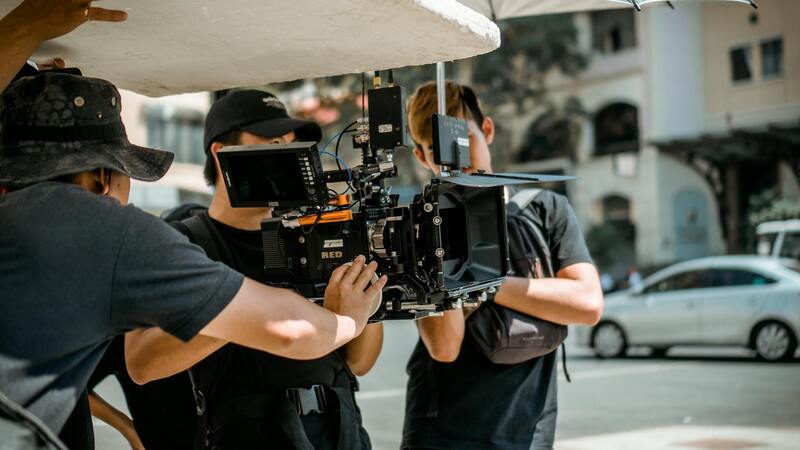
- Cameras and Video Switchers: Multiple high-definition cameras capture different angles, controlled by video switchers to create a dynamic broadcast.
- A/V Equipment: Microphones, mixers, and audio processors work together to deliver clear sound synchronized with video feeds.
- Streaming Software: Platforms and software that encode video streams, manage distribution, and monitor performance.
- Graphics and Title Overlays: Branded graphics, lower thirds, and real-time annotations enhance visual appeal and information delivery.
- Technical Support: Experienced operators oversee equipment, troubleshoot issues, and ensure the stream’s stability throughout the event.
Types of Live Streaming Events
- Corporate Events: Product launches, town halls, webinars, and board meetings require professional quality to communicate key messages effectively.
- Entertainment and Concerts: Music performances, award shows, and entertainment festivals benefit from multiple camera angles and immersive visuals.
- Educational Programs: Conferences, seminars, and training sessions often incorporate interactive elements and audience engagement tools.
- Sports and Recreational Activities: Live coverage of games, tournaments, and outdoor events necessitate reliable and high-speed streaming solutions.
Choosing a Live Stream Production Service Provider in Miami
To select the ideal provider, it's crucial to consider their technical expertise, experience with similar events, and the range of services offered. Reputable Miami-based companies typically showcase a portfolio of past projects, client testimonials, and clear pricing structures. They must also stay current with industry advancements to incorporate emerging technologies into their workflows.
Assessing their capacity for handling large audiences, their equipment inventory, and contingency plans for technical issues ensures a smooth broadcast. Personalized consultation facilitates understanding specific client goals, preferred platforms, and branding requirements, leading to tailored solutions that maximize engagement and reach.
Advanced Techniques for Enhancing Live Stream Quality in Miami
Implementing Multi-Camera Setups
One of the most impactful methods to elevate live streaming quality is deploying multi-camera configurations. This approach allows for seamless switching between different angles, close-ups, and wide shots, providing viewers with a dynamic visual experience. High-definition cameras, strategically positioned around the event space, capture various perspectives that can be switched in real time by skilled directors. Incorporating multiple cameras not only enriches the visual narrative but also maintains audience engagement, especially during larger events such as conferences, concerts, or sports tournaments in Miami.
Using Advanced Audio Technologies
Audio clarity plays a critical role in professional live streams. Advanced audio solutions, including wireless microphones, field mixers, and noise-canceling equipment, ensure crisp sound transmission unaffected by environmental noise typical of outdoor or busy indoor venues. Mixing multiple audio feeds, balancing levels, and eliminating feedback or interference produce an immersive listening experience. Ensuring synchronized audio-visual delivery through professional audio processing equipment guarantees that every word, musical note, or announcement resonates clearly with the online audience.
Integrating Live Graphics and Overlays
Another element that significantly enhances live streams is the use of real-time graphics, overlays, and lower thirds. These visual tools display key information such as speaker names, event branding, and live statistics, making the stream more informative and visually appealing. Skilled live production teams in Miami utilize sophisticated software to integrate these graphics smoothly, without disrupting the flow of the event. Customized branding overlays also help reinforce corporate identities or event themes, creating a cohesive visual experience that aligns with marketing goals.
Leveraging Streaming Platforms and CDN Providers
To reach audiences reliably and at scale, selecting appropriate streaming platforms and Content Delivery Network (CDN) providers is crucial. Modern live streaming services in Miami utilize platforms that support adaptive bitrate streaming, ensuring viewers experience minimal buffering regardless of their device or internet connection. Utilizing CDNs for content distribution extends reach, reduces latency, and manages large concurrent viewers effectively. Additionally, secure streaming protocols safeguard content from unauthorized access, protecting intellectual property and preserving event integrity.
Implementing Remote Production Techniques
Remote production, or 'remi' broadcasts, allow multiple production teams to operate from different locations, minimizing on-site personnel while maintaining high-quality output. This method involves transmitting high-quality video feeds over the internet to a centralized production facility where editing, graphics, and switching occur. Remote workflows greatly enhance flexibility and safety, particularly in complex events or during health and safety considerations. Miami-based live stream services that adapt to remote production models can scale projects efficiently, reducing costs and logistical complexities.
Ensuring Redundancy and Technical Resilience
High-stakes live streaming necessitates comprehensive backup plans. Incorporating redundant internet connections, backup power supplies, and duplicate equipment ensures uninterrupted broadcast despite technical issues. Pre-event testing, real-time monitoring, and rapid troubleshooting support by experienced technicians prevent potential disruptions. Miami live stream providers emphasize resilience through contingency strategies, guaranteeing smooth delivery regardless of unforeseen circumstances.
Advanced Post-Production and On-Demand Content
Post-event editing and the creation of on-demand videos add value to live streaming efforts. After the live event, professional editors can refine footage, insert branding elements, and produce highlight reels, extending the lifespan of the content. On-demand access allows audiences who missed the live broadcast to engage with the material later, increasing overall reach. Miami-based live stream services often include comprehensive post-production packages, integrating live and recorded content seamlessly to maximize engagement and coverage.