
Overview of Live Streaming Production Services
Live streaming production services encompass a comprehensive suite of technical and creative solutions designed to broadcast events, corporate functions, and online content to a remote audience in real-time. These services integrate sophisticated equipment, expert personnel, and strategic planning to deliver seamless, high-quality live streams that engage viewers across various digital platforms. As digital communication continues to dominate the media landscape, professional live streaming has become essential for organizations seeking to expand their reach, enhance audience engagement, and showcase their events with clarity and professionalism.
At the core of live streaming production services is the ability to customize content delivery according to specific client needs. Whether it is a large-scale conference, a corporate seminar, a product launch, or a community event, these services facilitate dynamic visual and audio presentations that are adaptable, interactive, and on-demand. By leveraging cutting-edge technology, professional production teams ensure smooth transitions between segments, real-time graphics, and high-fidelity sound, creating an immersive experience for viewers. Such capabilities are vital for maintaining audience interest and maximizing the impact of each event.
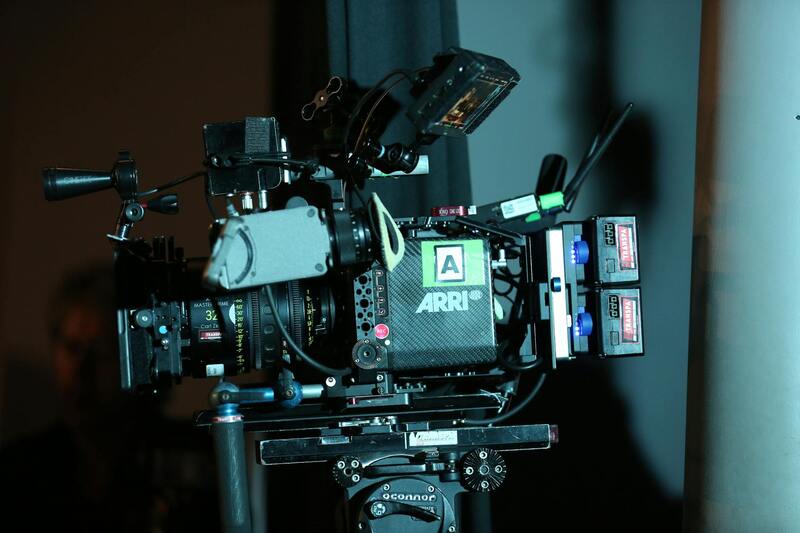
In addition to capturing and transmitting live content, these services often include auxiliary features such as multi-camera operation, integrated branding, real-time chat moderation, and audience interaction tools. These aspects not only enhance viewer engagement but also provide valuable data and feedback for organizers. The strategic use of graphics, overlays, and on-screen information further enriches the viewing experience, ensuring the content is both visually appealing and informative.
By opting for dedicated live streaming production services, organizations can avoid common technical pitfalls that often compromise the quality and reliability of unspecialized broadcasts. Instead, they gain confidence knowing their event will be delivered professionally, efficiently, and with minimal technical disruptions. This reliability underpins successful virtual events, enhances corporate branding, and enables broader outreach without geographical limitations.
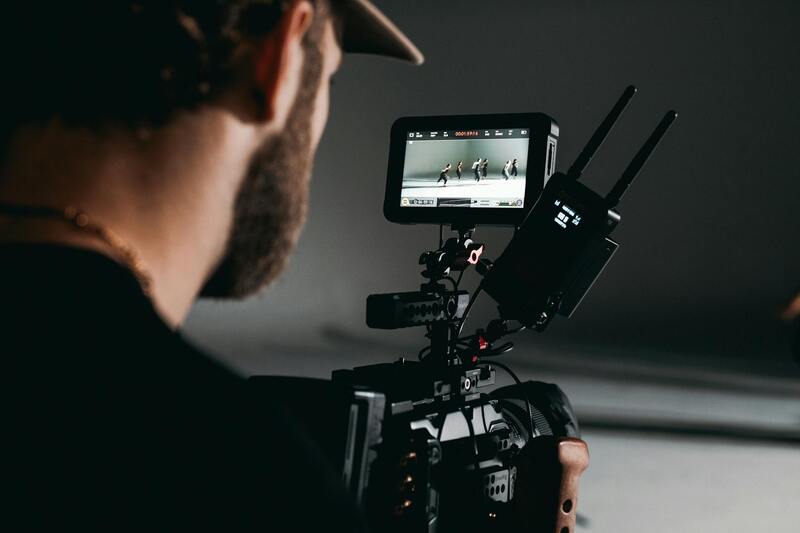
Ultimately, live streaming production services serve as a vital bridge connecting content creators, event organizers, and audiences, transforming how information and entertainment are shared in a dynamic online universe. Employing these services ensures that every streamed event meets high standards of quality and professionalism, fostering trust and engagement among viewers while delivering compelling visual narratives that leave a lasting impact.
Types of Live Streaming Services Offered
Professional live streaming production providers in Miami offer a comprehensive range of services tailored to meet diverse event requirements. Whether hosting a corporate conference, concert, sports event, or webinar, clients can select from various streaming solutions designed to maximize audience engagement and ensure seamless broadcast quality. These services include:
- Event Broadcasting: Full-scale live streaming of conferences, seminars, and special events, ensuring real-time delivery to a global audience.
- Multi-Camera Setups: Utilization of multiple cameras to provide dynamic viewing angles, professional switching, and immersive viewing experiences.
- Audience Interaction: Integration of live chat, Q&A sessions, and social media feeds to foster engagement and gather immediate feedback from viewers.
- Custom Streaming Solutions: Tailored services that accommodate specific branding, platform integrations, and technical preferences, ensuring that each broadcast aligns precisely with client objectives.
- Webinar and Virtual Conference Production: Specialized services to support online seminars with interactive features, breakout rooms, and detailed analytics.
These service options are complemented by innovations such as real-time graphics, branding overlays, and on-screen information displays, which serve to enrich the visual narrative of each broadcast. When selecting a service package, organizations prioritize flexibility, technical expertise, and the ability to adapt quickly to dynamic event needs, ensuring a professional and polished online presentation.
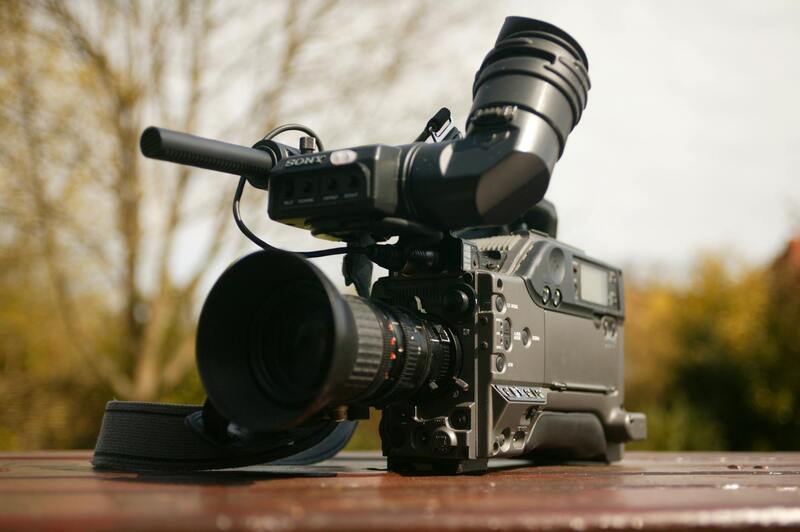
By leveraging these diverse service offerings, Miami-based live streaming providers can support a wide spectrum of event types, ensuring each broadcast maintains high standards of clarity, stability, and viewer engagement. They often work closely with clients during the pre-production phase to customize the streaming experience, aligning technical solutions with branding goals and audience expectations. This collaborative approach guarantees that each live event is executed flawlessly, reinforcing a professional image and expanding reach across digital platforms.
Key Equipment and Technology Used
High-caliber live streaming production hinges on the deployment of advanced equipment and innovative technology. Professional-grade cameras are the backbone of any high-quality broadcast, offering high-definition resolution, excellent low-light performance, and flexible zoom capabilities that ensure every detail is crystal clear. These cameras often include fiber-optic transmission options to facilitate longer cable runs without signal degradation, ensuring seamless coverage even in complex setups.
Complementing cameras are video switchers, which allow directors to seamlessly transition between multiple video sources, add effects, and layer graphics in real-time. Modern switchers support multi-channel inputs, high frame rates, and multi-view outputs, providing the flexibility necessary for dynamic live broadcasts. Encoders are another critical component, converting raw video signals into optimized streams compatible with various streaming platforms. They support adaptive bitrate technology, which intelligently adjusts video quality based on viewers’ internet speeds, preventing buffering issues.
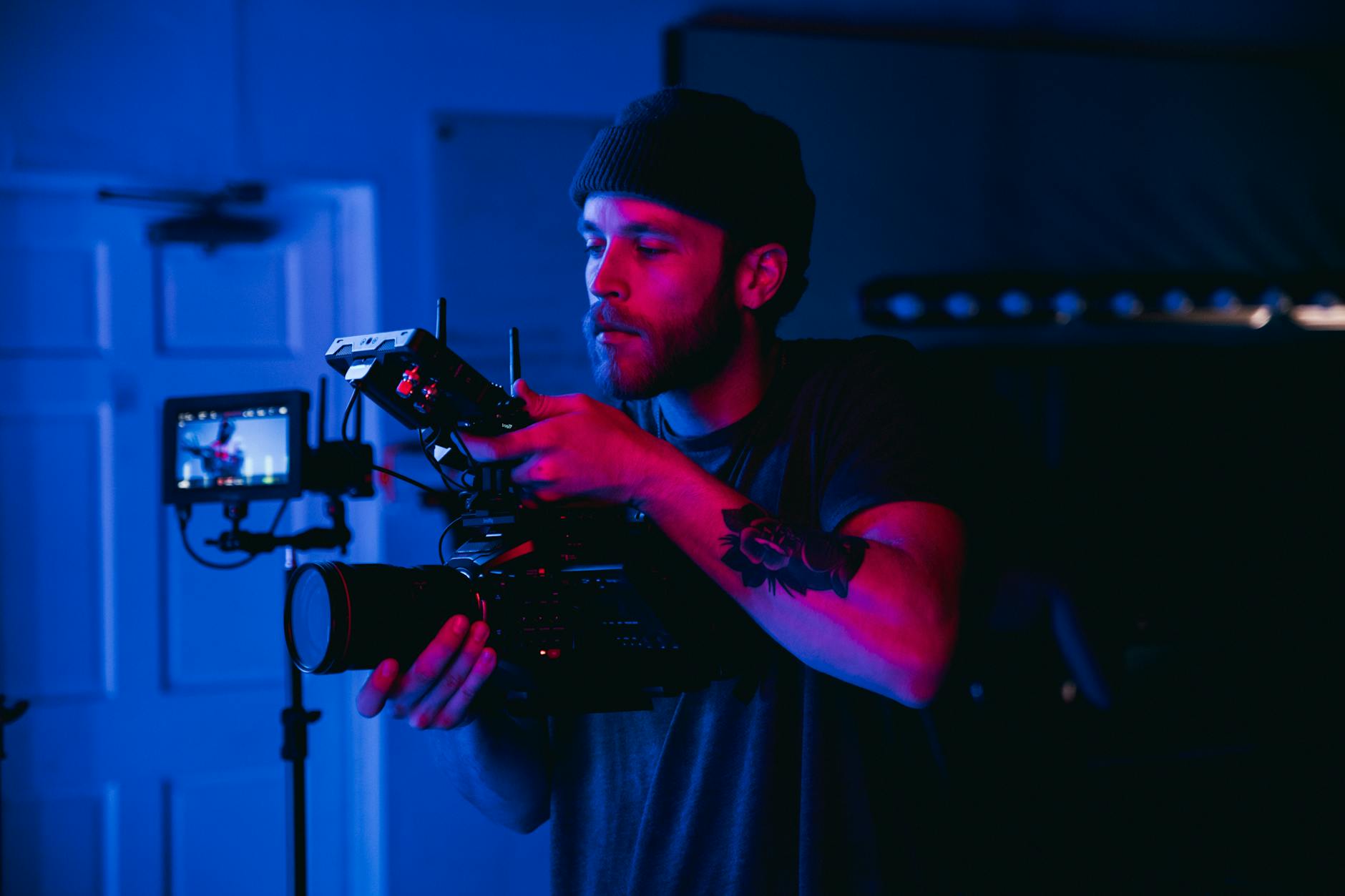
In addition, robust streaming platforms are employed to distribute content reliably to audiences across multiple channels, including social media, websites, and dedicated streaming services. These platforms often include features such as real-time analytics, audience engagement tools, and secure access controls, enabling producers to monitor performance and adapt on-the-fly.
Supplementary equipment such as audio mixers, microphones, and lighting gear are also integral, ensuring that both visual and auditory elements of the broadcast meet professional standards. Wireless video transmitters enable flexible camera placement in complex environments, while robust backup solutions safeguard against technical failures. All these components work in harmony to produce a smooth, engaging live stream that captures the essence of the event with clarity and precision.
Technical Aspects of Live Streaming Production for Optimal Results
Delivering a high-quality live stream requires a sophisticated integration of several advanced technical elements. Each component must work flawlessly to ensure a seamless viewer experience, free of lag, buffering, or quality degradation. Critical to this is the deployment of multiple camera angles, captured by professional-grade cameras equipped with high-resolution sensors and fast autofocus capabilities. These cameras are typically operated by skilled technicians who can switch perspectives smoothly, providing dynamic coverage of the event.
In addition to cameras, high-performance audio equipment plays a vital role. This includes professional-grade microphones, audio mixers, and digital signal processors that guarantee clear, crisp sound. Proper placement and sound checks are performed during pre-production phases to minimize ambient noise and ensure that speech or music is accurately captured and broadcasted.
Encoding hardware and software are employed to compress the multi-source video feeds into streams compatible with multiple platforms. Adaptive bitrate streaming technology evaluates the viewer's internet speed in real-time and adjusts stream quality accordingly. This reduces buffering and ensures a consistent viewing experience regardless of network fluctuations.
The backbone of reliable delivery rests on robust streaming platforms, which handle multi-channel distribution simultaneously—be it social media, internal websites, or third-party streaming services. These platforms are equipped with real-time analytics dashboards, allowing producers to monitor viewer engagement, stream health, and technical issues proactively. Secure access controls and encryption measures are implemented to protect content and manage viewer access effectively.
Supported by redundant data transmission pathways, backup stream sources, and failover protocols, the entire infrastructure is designed for resilience. Wireless transmission systems facilitate camera mobility, particularly in complex or large-scale environments, while integrated audio-visual control interfaces allow operators to make real-time adjustments to optimize the broadcast quality.
Achieving professional-grade results in live streaming production hinges on meticulous technical planning, state-of-the-art equipment, and skilled operation. The integration of these elements creates a synchronized system capable of managing the unpredictable dynamics of live events while maintaining pristine visual and audio fidelity. This high level of technical execution ensures that every live broadcast leaves a lasting impression on viewers, capturing every moment with the clarity and professionalism expected from a top-tier production service provider.
On-site Production and Technical Support
Effective execution of live streaming production services requires meticulous on-site management, where a dedicated team ensures every element functions seamlessly. This process involves a combination of advanced camera operations, audio management, lighting control, and real-time technical troubleshooting. Skilled camera operators handle multiple angles and dynamic shots, utilizing professional-grade equipment that ensures sharp visuals and smooth transitions. Audio technicians monitor sound levels closely, balancing feed quality from various sources to deliver crystal-clear audio to viewers. Lighting technicians adjust illumination parameters to enhance visual clarity and mood, aligning with the event's atmosphere.
During live broadcasts, unforeseen technical issues can disrupt the viewing experience, making immediate troubleshooting critical. On-site support teams are trained to identify and resolve problems swiftly—whether it's a signal loss, equipment malfunction, or audio feedback. Redundant systems and failover protocols are established beforehand to mitigate disruptions, allowing the production to continue with minimal impact. This proactive approach extends to managing network stability, stream reliability, and ensuring synchronized data flow between all devices involved.
The coordination between technical staff and production crew fosters a cohesive environment where seamless transitions, graphics, and overlays are integrated smoothly, maintaining viewer engagement and professionalism throughout the event. Detailed communication channels are established to facilitate real-time decision-making, enabling rapid responses to any dynamic changes during the broadcast.
On-site Production and Technical Support
Effective on-site production is fundamental to delivering a seamless live streaming experience. Skilled technical personnel operate a range of sophisticated equipment, ensuring real-time audio and video quality are maintained at the highest standards. Their responsibilities extend beyond mere operation; they involve proactive troubleshooting, continuous system monitoring, and responsiveness to any emerging technical issues that could compromise stream integrity.
Pre-event preparations are essential, including comprehensive equipment checks, network stability assessments, and signal path verifications. These steps identify potential points of failure beforehand, allowing the technical team to implement contingency plans. During the live broadcast, the team oversees camera angles, switchers, audio mixers, and graphics, orchestrating each element to synchronize perfectly, thereby creating a polished and professional presentation.
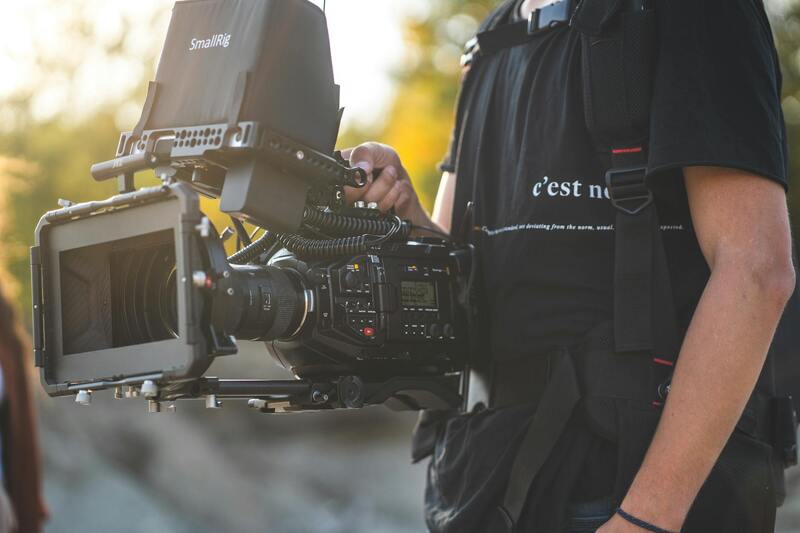
Continuous monitoring during the event is critical. This process involves real-time tracking of live feeds, audio levels, and network conditions. Redundant systems and backup data pathways are often employed to mitigate any risks associated with equipment failure or connectivity issues. If a problem arises, the technical team rapidly implements solutions to minimize disruptions, utilizing backup hardware or switching to alternative data streams.
Post-event activities are equally vital. Technical staff conduct a thorough review of the broadcast, analyzing performance metrics such as stream stability, viewer engagement indicators, and equipment logs. Documentation of any issues encountered provides valuable feedback that informs future infrastructure improvements. This iterative approach ensures that subsequent live streams are even more reliable and of higher quality, fostering continued client confidence and viewer satisfaction.
Maintaining a seamless viewer experience requires meticulous on-site coordination, advanced technology, and expertise in live broadcast environments. The integration of audio-visual components, internet infrastructure, and real-time troubleshooting exemplifies the complexity of professional live stream production. Each step—from pre-event testing to post-event evaluation—is designed to uphold the highest standards of quality and reliability, demonstrating a commitment to delivering engaging, uninterrupted live content.
Incorporating the latest advancements in broadcast technology also extends the capabilities of live streaming services. Features like multi-camera switching, augmented reality graphics, and low-latency transmission are seamlessly managed by on-site teams, enhancing viewer immersion and interaction. The technical crew’s expertise ensures these innovations are executed flawlessly, across diverse event types ranging from corporate webinars to large-scale concerts.
Overall, on-site production and technical support form the backbone of successful live streaming services. Reliable, well-trained teams equipped with cutting-edge technology deliver the professional results clients expect, establishing trust and fostering long-term partnerships in the dynamic live broadcast industry.
Integration of Multi-Platform Streaming and Audience Engagement
Maximizing reach and interaction during live streaming events requires sophisticated integration of multiple digital platforms. A professional live streaming production service manages simultaneous broadcasts across social media channels, corporate websites, and dedicated streaming platforms. This multi-platform approach not only broadens the event's visibility but also enhances audience engagement through real-time interactions such as live chat, polls, and Q&A sessions.
Effective audience engagement strategies are crucial for amplifying the impact of the broadcast. Services include setting up interactive overlays, real-time viewer analytics, and targeted messaging. These tools allow organizers to tailor content delivery, respond promptly to viewer feedback, and foster a sense of community around the event. The seamless integration of these elements ensures that the live stream is not just a broadcast but a dynamic, interactive experience that maximizes viewer retention and participation.
Ensuring Seamless Broadcast Quality and Reliability
Quality assurance is integral to live streaming success. This involves meticulous pre-production testing, including bandwidth assessments, equipment calibration, and contingency planning for potential technical issues. During the event, a dedicated technical team monitors stream stability, audio-visual synchronization, and stream latency, making real-time adjustments as needed.
High-quality video and audio are non-negotiable in professional live streaming. To achieve this, services employ advanced encoding hardware, multi-camera setups, professional-grade microphones, and audio mixing consoles. These tools ensure crisp visuals and clear audio, regardless of the event size or venue acoustics. Redundant internet connections and backup systems further safeguard against disruptions, maintaining an uninterrupted broadcast experience.
Security and Data Privacy in Live Streaming
As live streams often involve sensitive content or controlled access, security measures are a fundamental aspect of professional production services. Implementing secure streaming protocols, encrypted data transmission, and access controls prevents unauthorized viewing and data breaches. Client-defined privacy settings enable selective access, ensuring only intended audiences can view the content.
Additionally, compliance with regional data privacy standards and best practices protects both the host and the viewers. This includes secure handling of viewer information, transparent data policies, and routine security audits. Ensuring robust cyber security measures builds trust with clients and viewers, solidifying the service provider's reputation for reliability and integrity.
Comprehensive Post-Stream Services and Data Analytics in Live Streaming Production
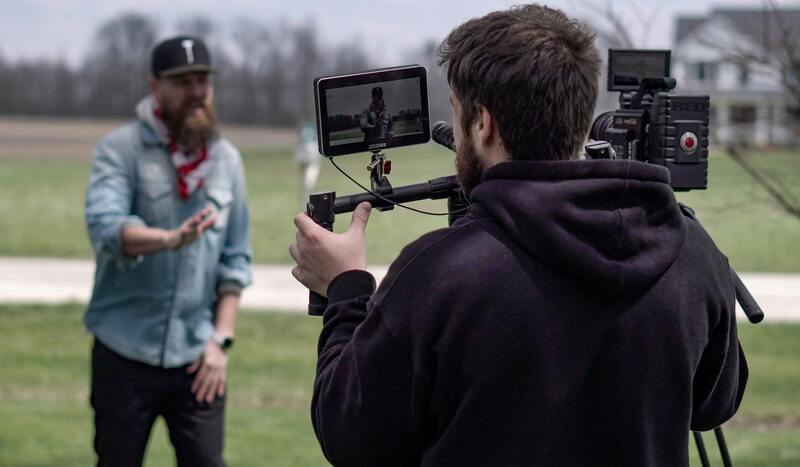
Post-stream services are vital for extracting maximum value from live streaming events. These services include comprehensive content review, audience engagement analysis, and data reporting, all of which provide insights into the event’s reach and effectiveness. After the live event concludes, a dedicated team often conducts detailed evaluations to assess stream quality, viewer metrics, and engagement levels.
One of the primary benefits of post-stream analytics is understanding viewer demographics, geographic distribution, and viewing behaviors. This data allows event organizers and content creators to tailor future content strategies effectively. Analytics tools can track metrics such as viewership duration, peak concurrent viewers, and interaction rates, offering a clear picture of audience engagement.
Enhancing Content Delivery through Post-Event Editing
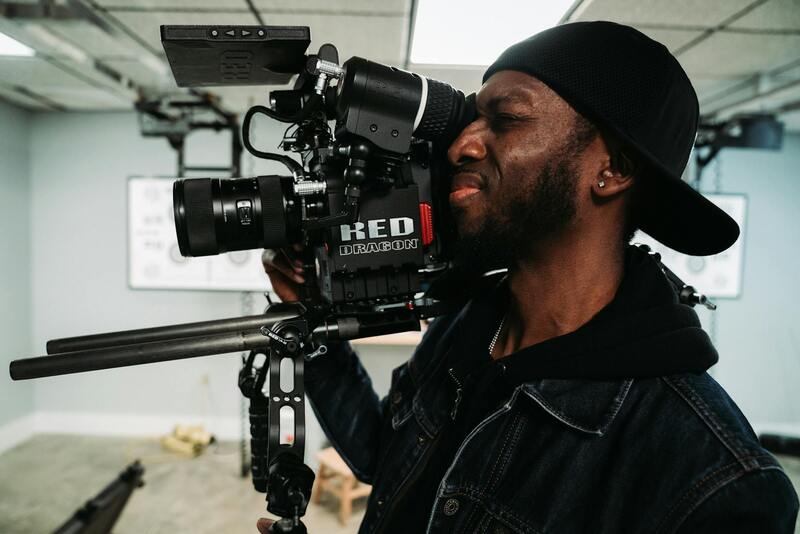
Post-production editing is an integral part of the post-stream process. Recorded segments from the live broadcast are often edited for quality enhancement, highlight reels, or promotional materials. This process ensures that high-quality content can be repurposed for on-demand viewing, social media snippets, or marketing campaigns.
High-resolution recordings, synchronized multi-camera footage, and professional editing software combine to produce polished content that extends the lifespan of the event's reach. Moreover, edited highlights can be distributed across various platforms, increasing the event’s overall visibility.
Ensuring Data Security and Privacy During Post-Stream Processes
Handling recorded content and viewer data post-event necessitates stringent security protocols. Secure storage solutions with encrypted access prevent unauthorized use of sensitive content or viewer information. Implementing role-based access controls ensures only authorized personnel can handle or distribute recordings.
Additionally, compliance with regional data privacy standards is critical for safeguarding viewer data and maintaining trust. Transparency in data handling policies and adherence to privacy regulations help construct a responsible streaming environment. Regular audits and security updates protect against potential breaches.
Leveraging Analytics for Future Streaming Success
Analytics not only evaluate past events but also serve as a foundation for planning future streams. Data-driven insights guide decisions on optimal streaming times, platform preferences, and content formats that resonate most with specific audiences.
By reviewing engagement patterns and technical performance metrics, providers can identify areas for improvement, such as stream stability, visual quality, or interactive features. This continuous feedback loop enhances overall production quality, leading to more engaging and professional live streams.
The Significance of a Seamless Transition from Live Broadcast to On-Demand Content
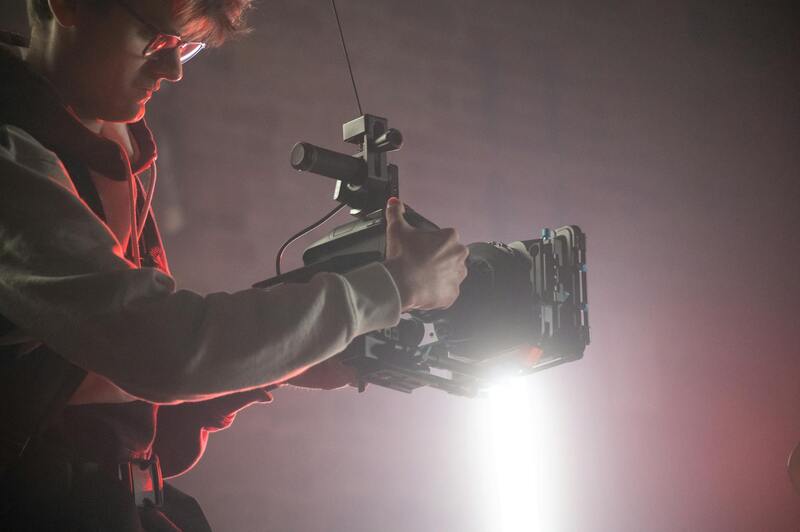
Transforming live events into on-demand content is an essential aspect of post-stream services. This transition enables extended audience reach beyond the live event window, catering to viewers in different time zones or those who missed the live broadcast. Platforms hosting on-demand content benefit from increased engagement and content longevity.
Efficiently managing the storage, cataloging, and distribution of recorded content is crucial. This involves professional digital asset management systems that organize content for easy retrieval and sharing. Ensuring high-quality playback and fast delivery mechanisms enhances viewer experience and encourages repeat engagement.
Importance of Continuous Support and Maintenance for Post-Stream Systems
Post-stream success depends on ongoing monitoring, support, and system updates. Regular maintenance of recording infrastructure, streaming platforms, and analytics tools ensures optimal performance. Rapid response teams are often on standby to address any technical issues arising post-event, especially during content upload or distribution.
Investing in reliable post-stream support services safeguards against data loss, content corruption, or system failures that could compromise the event’s impact. This lifetime service approach guarantees that clients receive consistent quality and data integrity while maximizing the return on their live streaming investments.