
Understanding Corporate Event Live Streaming
Corporate event live streaming has become an essential component of modern business strategy, especially in vibrant hubs like Miami, where connecting with a global audience can elevate a company’s visibility and reach. This technology allows organizations to broadcast live content of conferences, product launches, seminars, and other corporate gatherings directly to viewers across different locations. The process involves capturing high-quality audio and video from the event, encoding the content, and transmitting it over the internet in real-time.
Implementing live streaming for corporate events provides numerous advantages:
- Broader Reach: Engage remote employees, clients, and stakeholders who cannot attend in person, expanding the event’s impact beyond physical boundaries.
- Enhanced Engagement: Incorporate interactive elements such as live Q&A sessions, polls, and chat features to foster active participation.
- Cost Efficiency: Reduce expenses associated with travel, venue arrangements, and printed materials by delivering content virtually.
- Flexibility and Accessibility: Offer on-demand access to recorded sessions post-event, providing ongoing value to attendees and those who missed the live broadcast.
-
Data and Analytics: Gather valuable insights on viewer engagement, geographical distribution, and content preferences to refine future events.

Professional live streaming ensures seamless corporate event broadcasts, reaching audiences worldwide in real-time. In Miami’s dynamic business landscape, leveraging live streaming technology transforms traditional corporate gatherings into interactive, far-reaching events that boost brand visibility and foster connections across markets.
Key Components of a Successful Live Streaming Setup
To ensure a smooth and professional broadcast, several crucial components must be integrated effectively. These elements include high-quality audiovisual equipment, reliable internet connectivity, and skilled technical support. Each piece plays a vital role in maintaining the integrity and clarity of the broadcast.
Essential Equipment and Infrastructure
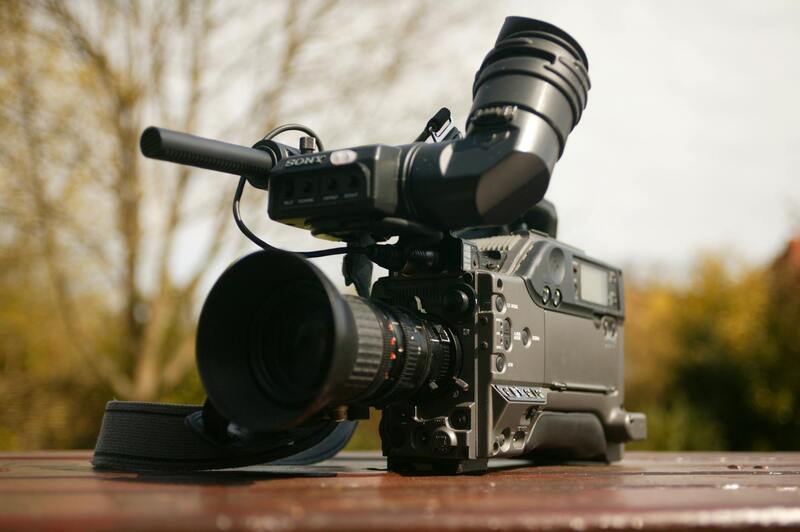
- Cameras: High-definition video cameras capable of capturing crisp visuals from multiple angles.
- Microphones: Lavalier, shotgun, or boundary microphones to ensure clear audio capture for speakers and presentations.
- Encoding Devices: Hardware or software encoders convert live video into streaming-compatible formats.
- Internet Connection: A robust, wired broadband connection with sufficient upload bandwidth is critical to prevent buffering or interruptions.
- Lighting: Adequate lighting enhances video quality and helps in delivering visually appealing content.
Additional Considerations
- Backup power sources to prevent disruptions due to outages.
- Proper placement and testing of equipment prior to the event.
- Secure and dedicated internet lines to ensure stable transmission.

Reliable hardware and stable internet connections form the backbone of a professional corporate live stream. Preparation and proper setup are essential to deliver a broadcast that reflects your company’s professionalism and engages viewers effectively.
Understanding Corporate Event Live Streaming
When planning a corporate event for live broadcasting, selecting the appropriate platform is crucial for maximizing reach and engagement. The right platform should align with your organization's goals, audience size, and technical requirements. It must support high-quality video output, offer reliable streaming capabilities, and provide options for interaction. Integration capabilities with other marketing tools and social media channels enhance visibility and audience participation, making the event more impactful.
Compatibility and user experience are also vital factors. A good platform should be accessible across various devices and operating systems, ensuring seamless viewing for all participants. Security features, such as encryption and access controls, safeguard proprietary content and restrict viewing to authorized personnel only. Additionally, scalability is important because it allows the streaming service to accommodate fluctuating viewer numbers without compromising quality or stability.

The process of selecting a platform involves assessing your specific requirements—including budget, technical support, and desired features. Some organizations opt for all-in-one services that incorporate streaming, interactive features, and analytics, while others prefer customizable solutions tailored to their unique needs. Consulting with industry professionals can help identify platforms that meet both technical standards and strategic objectives.
Best Practices for Content Delivery and Engagement
Once the streaming platform is selected, focusing on content delivery ensures the event runs smoothly and captivates viewers. Key practices include:
- Prioritizing high-quality audio and video to transmit a professional image.
- Using multiple camera angles for varied visual perspectives, enhancing viewer interest.
- Ensuring a stable internet connection to avoid disruptions during the broadcast.
- Employing a dedicated technical team to monitor and manage the stream in real-time.
- Segmenting the content to maintain audience attention, including live Q&A, interviews, and interactive polls.
- Providing clear instructions to participants and viewers on access and interaction protocols.
Engagement can be further boosted through real-time chat features, dedicated social media hashtags, and post-event follow-up content. Promoting the live stream prior to the event through email campaigns and social media helps in building anticipation and attracting a larger audience.
Integration with Event Planning and Marketing
Effective live streaming is part of a broader organizational strategy. Incorporating live broadcast planning into your overall event timeline allows for coordinated workflows and resource allocation. Marketing efforts should include targeted outreach to potential attendees, leveraging email lists, social media platforms, and corporate networks.
Pre-event content, such as teaser videos or behind-the-scenes footage, can generate excitement. During the event, live interactions encourage participation, while post-event activities—such as sharing highlights and recording access—extend the event's lifespan. Tracking metrics like viewership numbers, engagement rates, and participant feedback provides insights into what worked well and areas for improvement.
Technical Support and Troubleshooting
Ensuring consistent broadcast quality requires dedicated technical support. A team proficient in live streaming technology should be on hand to troubleshoot issues immediately, including connectivity problems, equipment malfunctions, or software glitches. Regular pre-event testing of all systems minimizes the risk of unexpected failures.
Common troubleshooting steps include verifying internet speeds, checking hardware connections, updating software, and having contingency plans such as backup internet lines or alternative devices. Clear communication channels between the technical team and presenters are essential for swift resolution of any arising issues.
Measuring Success and Gathering Feedback
Post-broadcast analysis provides valuable insights into the effectiveness of your live streaming effort. Key performance indicators include viewer count, average watch time, engagement levels, and social media interactions. Collecting feedback from attendees through surveys helps gauge satisfaction and gather suggestions for future improvements.
Analyzing these metrics allows planning more targeted and impactful future broadcasts. Continual refinement based on data ensures that each subsequent live stream achieves higher professionalism and audience engagement.
Optimal Transmission Technologies for Corporate Event Live Streaming
To ensure a seamless viewing experience for attendees, selecting the proper transmission technology is critical. Ethernet, Wi-Fi, and cellular networks each offer distinct advantages and limitations. Ethernet connections provide the most stable and high-bandwidth option, ideal for large-scale broadcasts requiring consistent quality. Wi-Fi offers flexibility, but its performance can fluctuate based on signal strength and interference, making it less reliable for high-demand streams without a dedicated network environment. Cellular networks, including 4G and 5G, can serve as backup or primary solutions in locations with limited wired infrastructure, offering mobility and rapid deployment. However, their data caps and varying signal quality necessitate careful planning.
Maximizing broadcast stability involves combining these transmission methods where feasible, such as utilizing wired Ethernet as the primary connection with cellular backup in case of outages. Network bandwidth management is equally important; dedicating sufficient bandwidth and monitoring network load can prevent bottlenecks that degrade stream quality. Employing Quality of Service (QoS) settings on networks prioritizes streaming data, ensuring minimal latency and buffering issues. For remote or hybrid events, leveraging Software-Defined Wide Area Networks (SD-WAN) technology can optimize routing and bandwidth allocation dynamically, adapting to changing network conditions in real-time.
Implementing Redundancy and Backup Systems
Establishing redundancy within your live streaming setup helps mitigate unexpected disruptions. Multi-network configurations enable automatic failover from primary to secondary connections, maintaining broadcast continuity. For example, a professional live streaming setup might incorporate both a wired Ethernet connection and a secondary cellular network, with automatic switching capabilities. Additionally, using hardware encoders with integrated backup power supplies and emergency data storage options bolsters resilience. Regular testing of these backup systems during rehearsals identifies potential issues before the actual event, reducing the risk of technical failures during the live broadcast.
Monitoring and Adjusting in Real-Time
Real-time monitoring tools are essential for maintaining stream quality throughout an event. These tools provide metrics on bandwidth usage, latency, packet loss, and other vital parameters. Operators can receive alerts if any anomalies arise, allowing prompt adjustments such as reducing stream quality, switching to backup systems, or addressing network congestion. Advanced streaming platforms include integrated dashboards that display performance data in an easy-to-understand format, enabling technical teams to make informed decisions quickly. This proactive approach minimizes disruptions and ensures that engagement remains high among viewers.
Best Practices for Content Delivery and Engagement
Delivering compelling content during a corporate event live stream is crucial for capturing and retaining audience attention. High-quality visuals and crisp audio are foundational; investing in professional cameras, lighting, and sound equipment ensures a polished presentation. Simultaneously, the content should be tailored to resonate with the audience’s interests, highlighting key messages and incorporating visual aids, infographics, and dynamic presentation styles. Employing multiple camera angles and switching between views can add visual interest and professionalism.
Effective engagement strategies include integrating real-time chat features, enabling viewers to submit questions and participate in polls. Moderating this interaction maintains a respectful and focused environment, encouraging active participation. Regularly updating viewers with behind-the-scenes footage or exclusive content during breaks sustains interest throughout the event. Additionally, clear call-to-actions, such as prompting viewers to visit specific web pages or download materials, can enhance the overall impact.
To ensure high-quality visuals and audio, pre-event testing of equipment and internet connections is vital. Streamers should also consider employing professional production crews for multi-camera setups and live switching to deliver a seamless viewing experience. Embedding subtitles and providing accessible content further broadens audience reach and improves inclusivity. These measures, combined with audience-centric content, help transform a standard broadcast into an engaging and memorable corporate event.
Ensuring Reliable Technical Support and Troubleshooting During Corporate Live Streams
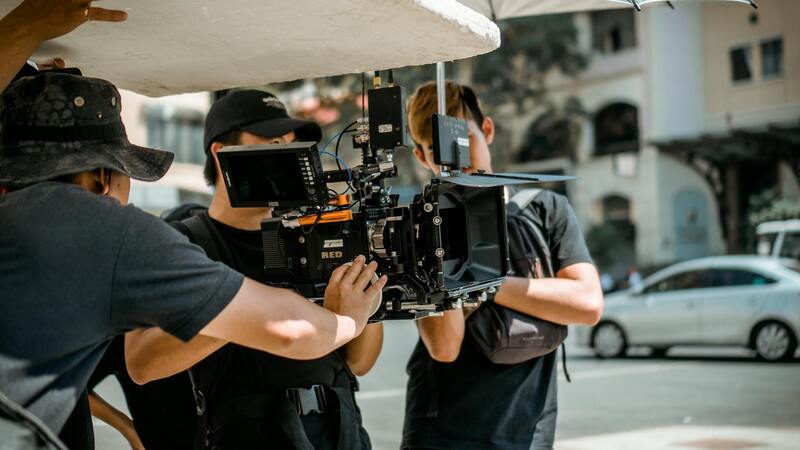
In the realm of corporate event live streaming, the importance of robust technical support cannot be overstated. Even minor disruptions can detract from the professionalism of the broadcast and impact stakeholder perception. To mitigate potential issues, comprehensive pre-event testing of all equipment—including cameras, audio systems, internet connectivity, and streaming hardware—is crucial. This process helps identify and resolve technical glitches before the event goes live, ensuring a smooth broadcast.
During the event, having a dedicated technical support team on standby is essential. These professionals should be well-versed in both the streaming platform’s intricacies and the specific technical setup. Their responsibilities include monitoring the stream in real time, addressing any audio-visual discrepancies, and managing transitions between different camera angles or presentation segments. Prompt troubleshooting can prevent minor hiccups from escalating into significant disruptions.
 igure>
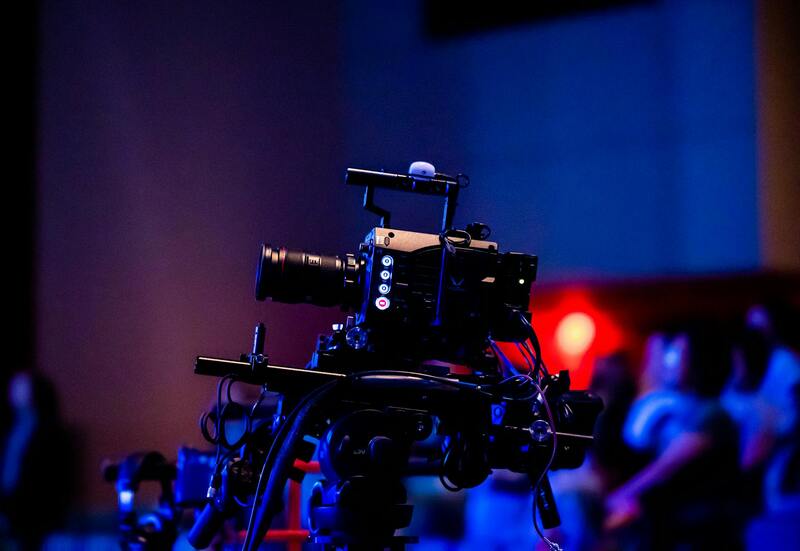
Establishing clear communication channels among the production team, IT support, and presenters enhances coordination. For instance, using dedicated walkie-talkies or internal messaging systems allows quick dissemination of information regarding technical adjustments or issues. Additionally, it's advisable to prepare contingency plans for common problems like internet failure, equipment malfunction, or audio feedback.
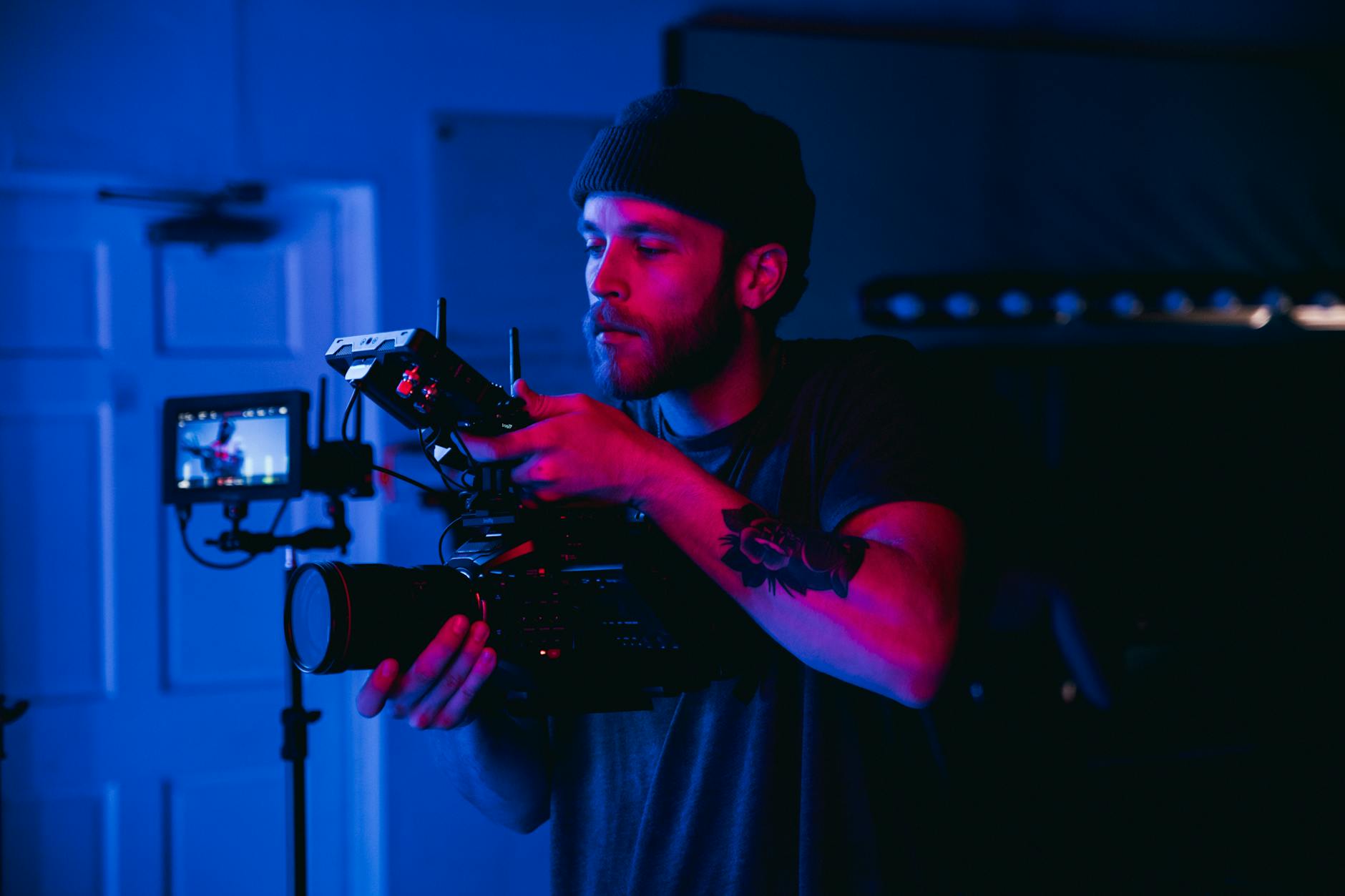
Real-time monitoring tools should be employed to track stream health, bandwidth usage, and viewer engagement metrics. If problems arise, solutions such as switching to backup internet sources, adjusting encoding settings, or switching to pre-recorded content can be implemented seamlessly. Post-event analysis of technical performance provides insights into areas for improvement, fostering better preparedness for future broadcasts.
 igure>
Ultimately, proper planning, skilled technical support, and real-time problem resolution are vital to delivering a professional and engaging streaming experience for all viewers. These measures build confidence in the broadcasting process, bolster brand reputation, and reinforce the organization's commitment to excellence in digital communication.
Legal and Privacy Considerations
Implementing corporate event live streaming involves a careful approach to legal and privacy considerations to safeguard all parties involved. Ensuring compliance with applicable laws and regulations not only protects the organization but also builds trust with viewers and participants. This includes obtaining necessary permissions for content sharing, respecting intellectual property rights, and adhering to data protection standards. Proper documentation and clear terms of use can clarify expectations regarding recording, broadcasting, and sharing of event content.
One crucial aspect is securing explicit consent from speakers, performers, and attendees before broadcasting their images, names, or proprietary information. This includes informing participants about how their data and footage will be used, stored, and potentially shared publicly or internally. Transparent communication about these points minimizes misunderstandings and legal complications post-event.
Organizations should also consider implementing secure streaming protocols, such as encryption, to prevent unauthorized access or recording of sensitive content. Application of digital rights management (DRM) solutions can further protect proprietary materials and prevent illegal redistribution. Additionally, understanding regional or international regulations—especially for companies with a global audience—is essential in ensuring the streaming practices meet all relevant legal frameworks.
Maintaining an audit trail of content permissions, consent forms, and access logs supports accountability and verification if issues arise later. Establishing internal policies for content handling and staff training on legal compliance can streamline adherence to these requirements. This proactive approach highlights the organization's dedication to ethical standards and aligns operations with best practices in digital communication.
Technical Support and Troubleshooting
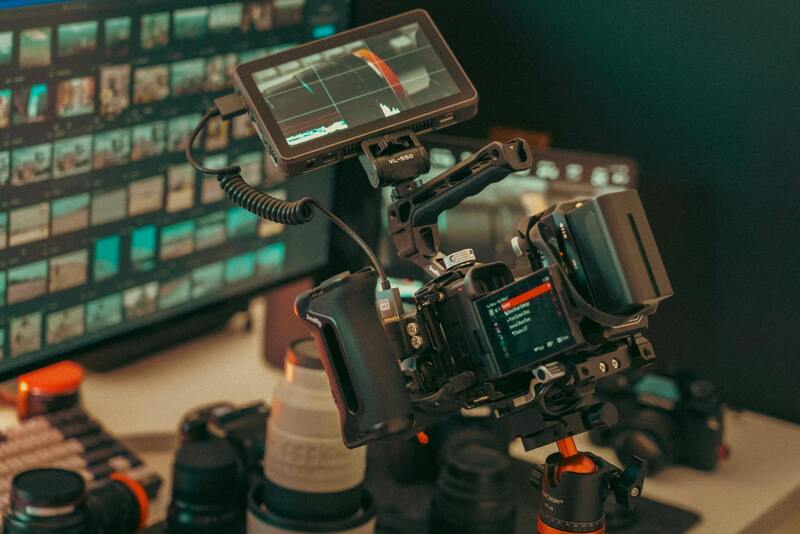
Implementing a robust technical support plan is essential to ensure the smooth execution of corporate event live streaming. Despite meticulous planning, technical issues can occasionally arise. Anticipating these problems and preparing effective troubleshooting strategies minimize disruptions and maintain professional standards.
Pre-Event Technical Checks
- Conduct comprehensive equipment tests prior to the event, including cameras, microphones, streaming hardware, and internet connectivity. This helps identify potential issues early and allows for timely resolution.
- Verify backup systems are in place, such as secondary internet connections, backup power supplies, and redundant streaming devices, to prevent single points of failure.
- Ensure all software and firmware are up to date. Outdated applications may cause compatibility issues or security vulnerabilities.
- Run a trial broadcast to confirm audio and video quality, latency, and synchronization among various sources.
Real-Time Monitoring During the Broadcast
- Assign dedicated technical staff or a support team to monitor the live stream continuously. They should oversee stream stability, audio and video quality, and viewer engagement metrics.
- Utilize monitoring tools that provide real-time feedback on stream health, bandwidth usage, and potential areas of concern.
- Have a rapid response plan in place to address issues promptly, such as switching to backup streams or restoring connectivity.

Post-Event Analysis and Troubleshooting
- Review all technical logs and performance reports to identify any anomalies or disruptions that occurred during the stream.
- Gather feedback from the technical team and event organizers to evaluate what went well and what could be improved for future streams.
- Update troubleshooting checklists and support protocols based on insights gained, ensuring continuous enhancement of the streaming process.
- Archive the stream files for future reference, replay, or legal compliance, maintaining a comprehensive record of the event’s technical performance.
Training and Staff Preparedness
- Invest in ongoing training for technical personnel to stay current with evolving streaming technologies, security practices, and troubleshooting techniques.
- Develop clear documentation and guides to facilitate quick issue resolution and consistent handling of technical challenges.
- Establish communication channels, such as dedicated chat groups or radio communications, to coordinate effectively during live streaming operations.
Legal and Privacy Considerations
Executing a corporate event live stream involves adhering to several crucial legal and privacy frameworks to ensure a smooth and compliant broadcast. Securing comprehensive permissions from all content rights holders is essential to prevent infringing on copyrighted material, whether it pertains to music, visuals, or proprietary presentations. Establishing clear agreements with speakers and performers to confirm their consent for live dissemination helps mitigate risks associated with unauthorized recordings or broadcasts.
Implementing strict confidentiality protocols safeguards sensitive information from unintended disclosures. This includes verifying that all participants are aware of the live streaming scope and have authorized the sharing of proprietary or confidential content. Employing secure streaming platforms with encrypted data transmission provides an additional layer of protection against unauthorized access or interception.
It is also vital to stay aligned with applicable regulatory standards, such as data protection laws, which govern the collection and handling of personal information of attendees and participants. This may involve obtaining explicit consent for data collection, informing viewers about how their data will be used, and providing options to opt out where applicable.

To that end, organizations should consult with legal counsel or compliance experts when planning a live stream. Developing comprehensive policies and guidelines tailored to the specific event and organization minimizes the potential for legal issues. Regular training for staff involved in live streaming operations on these policies enhances awareness and enforcement.
It's also recommended to maintain detailed records of permissions, consent forms, and compliance measures taken throughout the planning and execution phases. This documentation serves as evidence of due diligence and helps resolve any disputes should they arise post-event. By diligently managing these legal and privacy considerations, companies can deliver engaging live streams that uphold the highest standards of responsibility and respect for participant rights.