
Understanding Live Event Streaming Production
Live event streaming production is a comprehensive process that transforms a physical event into a digital experience accessible to remote audiences in real-time. This multifaceted operation involves much more than simply broadcasting a camera feed; it requires meticulous planning, advanced technology, and skilled personnel to ensure seamless delivery. Efficient live streaming allows organizations, brands, and event organizers to expand their reach, engage audiences more effectively, and generate valuable content that resonates long after the event concludes.
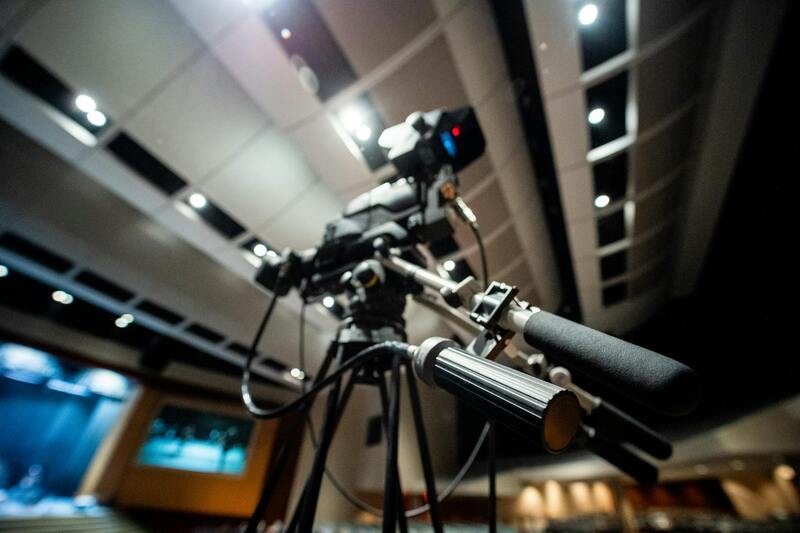
At its core, live event streaming production involves capturing various facets of an event — such as speeches, performances, and panel discussions — with professional audio-visual equipment. The footage is then transmitted using robust streaming protocols to digital platforms that support live broadcasting. The key components encompass camera setups, audio systems, encoding solutions, and reliable internet connectivity. These components work together to provide a clear, uninterrupted feed to viewers around the globe.
The significance of quality in live streaming cannot be overstated. High-resolution visuals, crisp audio, and minimal latency are crucial factors that contribute to a viewer’s experience and engagement. Technical flaws such as jitter, buffering, or poor image quality can diminish the perceived professionalism of an event, reduce viewer retention, and diminish brand reputation. Therefore, professional live event streaming production demands precision, advanced technology, and expertise to meet the expectations of both organizers and viewers.
Key Components of Live Event Streaming Production
- Video Capture: Multiple camera angles and high-definition equipment ensure dynamic and engaging visuals.
- Audio Management: Quality microphones and audio mixers deliver clear sound, essential for audience comprehension.
- Encoding and Transmitting: Hardware and software encoders convert raw footage into streams compatible with various platforms, ensuring smooth delivery.
- Internet Connectivity: Reliable, high-bandwidth internet connections are vital to prevent disruptions during the live broadcast.
- Graphics and Overlays: Branded graphics, lower thirds, and live feeds enhance viewer engagement and brand visibility.
Effective live event streaming production combines these elements seamlessly to produce a professional broadcast that captures the essence of the event while maintaining technical excellence. This integration allows remote viewers to experience the event as if they were there in person, creating memorable interactions and extending the event’s impact beyond physical boundaries.
Essential Equipment and Technology for Live Event Streaming
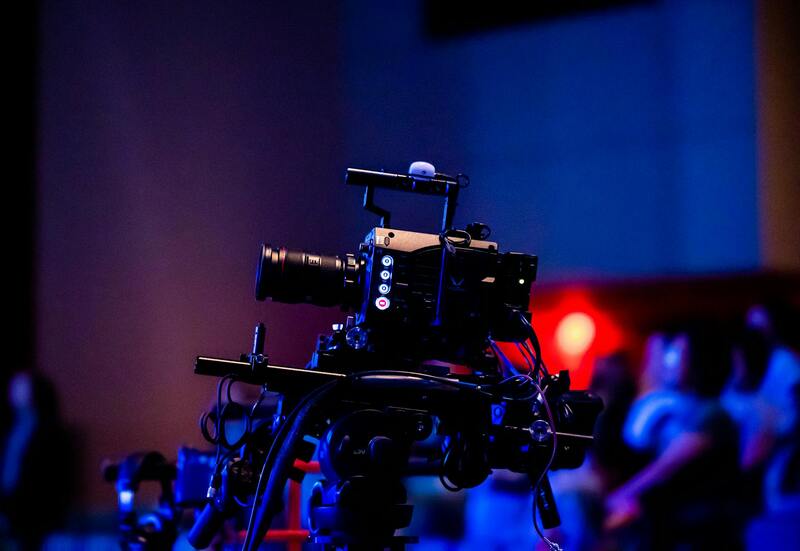
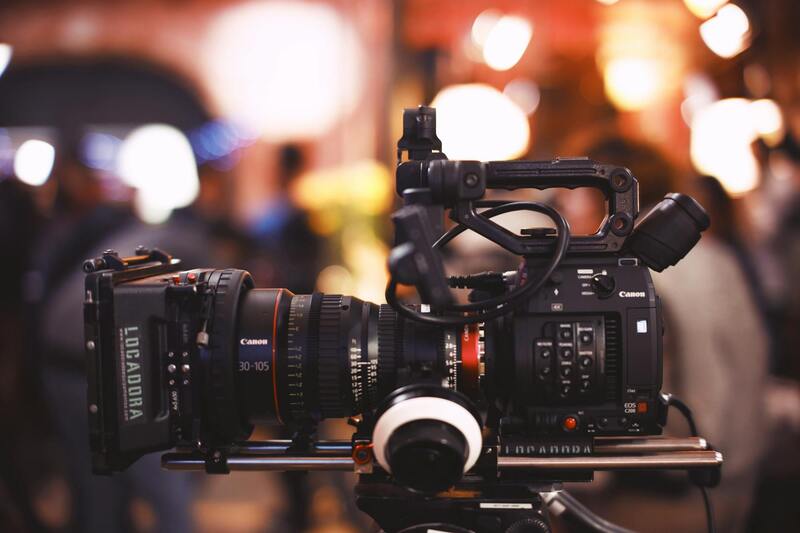
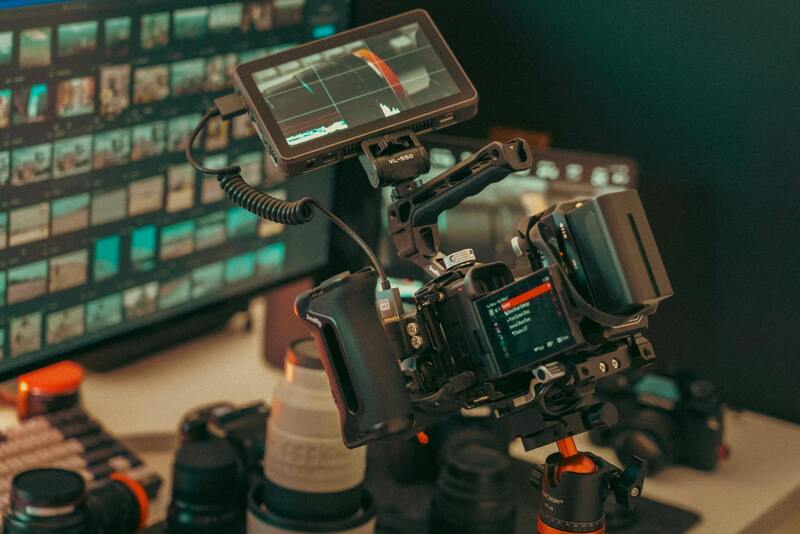
To guarantee a high-quality live streaming experience, a range of sophisticated equipment and cutting-edge technology are integral to the production process. The choice of gear influences image clarity, sound quality, and overall reliability of the broadcast. Key hardware components include professional-grade cameras capable of capturing multiple angles and high-definition footage. These cameras are often supported by tripods, cranes, or dollies to facilitate varied shot compositions and dynamic visuals, essential for engaging viewers.
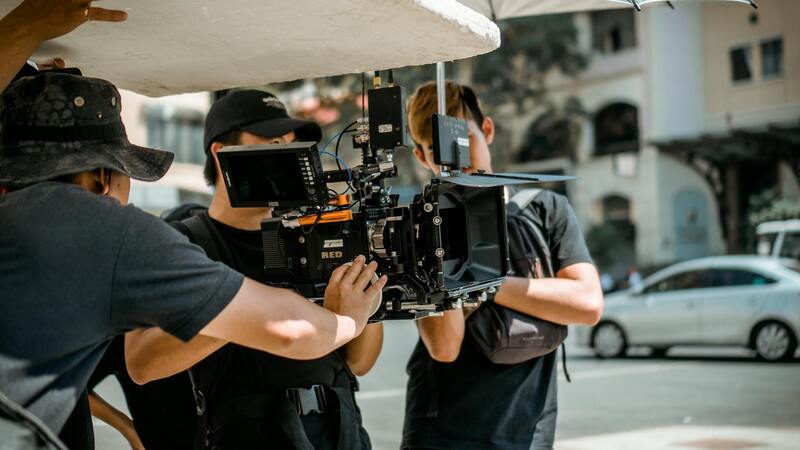
Audio quality is equally vital; thus, high-quality microphones—such as boom mics, lavaliers, or shotgun microphones—are employed to ensure clear sound. Audio mixers allow technicians to balance audio levels and eliminate background noise, resulting in an immersive auditory experience.
Encoding hardware and software are pivotal in converting raw footage into streaming-compatible formats. Hardware encoders provide stability and consistent performance, while software encoders like OBS Studio or vMix offer flexibility and advanced customization. Reliable internet connections with high bandwidth (preferably fiber optic) prevent interruptions and buffering, making the choice of an appropriate network infrastructure a top priority.
Graphics software and overlay systems are used to create professional visual elements such as branded lower thirds, event titles, and live scoreboards. These graphics are seamlessly integrated during the stream, enhancing viewer engagement and reinforcing branding efforts.
Production Crew and Roles
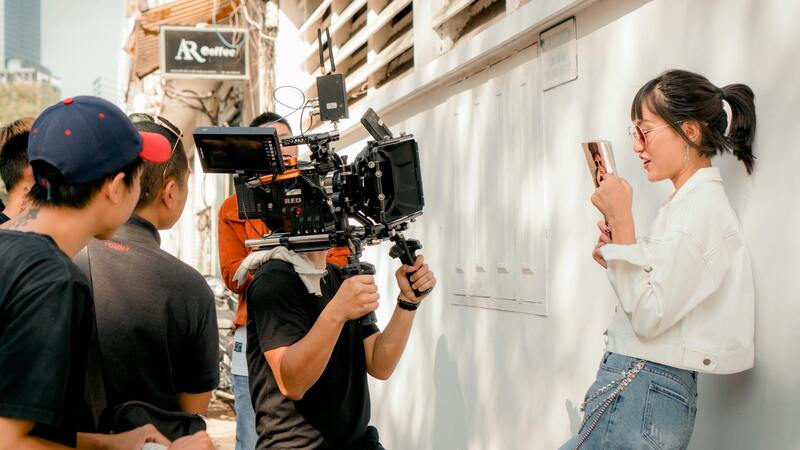
A dedicated team of skilled professionals orchestrates every aspect of a live event stream. The director oversees the entire broadcast, making real-time decisions on camera angles, graphics, and transitions. Camera operators focus on capturing the planned shots and adjusting angles as needed for the best visual impact.
The audio engineer manages sound inputs, ensuring audio levels are optimized and free of distortions. A technical director monitors the overall health of the streaming setup, troubleshooting issues that may arise. Additional roles include graphics specialists, who handle overlays and visual inserts, and a producer or coordinator who aligns the event schedule with the technical execution.
Effective communication among team members is essential. Use of intercom systems allows direction, technical updates, and cues to flow smoothly, enabling a cohesive and professional live stream.
Streaming Platforms and Delivery Methods
Selection of the appropriate streaming platform depends on the target audience, desired features, and integration capabilities. Popular solutions include dedicated enterprise streaming services, social media platforms, and specialized live streaming platforms that support high-definition broadcasting, multi-bitrate streaming, and real-time analytics.
Delivery methods involve choosing between multicast or unicast streams, real-time adaptive streaming techniques, and Content Delivery Networks (CDNs). CDNs help distribute the stream efficiently across vast geographic regions, reducing latency and buffering, thereby enhancing viewer experience. Secure streaming protocols, such as RTMP or SRT, are often employed to ensure stable and protected delivery of content.
In addition, content security measures like encrypted streams and access controls are implemented to safeguard the live broadcast and maintain exclusive access when required.
On-Site Setup and Technical Execution
Preparation begins days prior to the event, with on-site setup involving the arrangement of cameras, microphones, encoders, and network infrastructure. Proper cable management and equipment positioning facilitate smooth operation and safety compliance. Testing all systems under actual live conditions is crucial, including audio checks, camera angles, and network stability verification.
During the event, a dedicated technical team continuously monitors the streaming feed, making adjustments to maintain optimal quality. This includes managing audio levels, ensuring camera shots are clear, and addressing unforeseen technical issues swiftly. Redundancies, such as backup internet connections and spare equipment, are often employed to prevent disruptions.
Post-event, the technical team archives raw footage and stream data for further analysis. Immediate tasks include assessing stream quality, identifying areas for improvement, and gathering feedback from viewers and organizers for future enhancements.
Post-Event Handling and Content Repurposing
Once the live broadcast concludes, the recorded content serves multiple purposes. Edited highlight reels, promotional snippets, or full recordings can be repurposed for social media channels, marketing campaigns, or on-demand viewing. Proper archiving ensures content remains accessible and can be leveraged for long-term engagement.
The process also involves compiling viewer analytics to evaluate performance metrics such as viewership numbers, engagement rates, and geographic distribution. These insights inform future streaming strategies and help tailor content to audience preferences.
Choosing a Production Partner in Miami
Partnering with a reputable live event streaming production company in Miami guarantees access to cutting-edge technology, experienced personnel, and tailored solutions to meet specific event requirements. Local companies like Miami Video Company or similar providers offer comprehensive packages that include pre-production planning, equipment setup, real-time management, and post-event content handling. Selecting a partner with a proven track record ensures the seamless execution of live streams, elevating the overall quality and professionalism of your event.
Understanding Live Event Streaming Production
Mastering live event streaming production requires a strategic blend of technical expertise, high-quality equipment, and seamless coordination among team members. A successful live stream begins long before the event starts, with meticulous planning that considers factors such as audience expectations, event scale, and content delivery goals. The production process encompasses pre-production, live execution, and post-event activities, each vital to achieving professional results.
Key Components of Live Event Streaming Production
Technical Infrastructure and Equipment
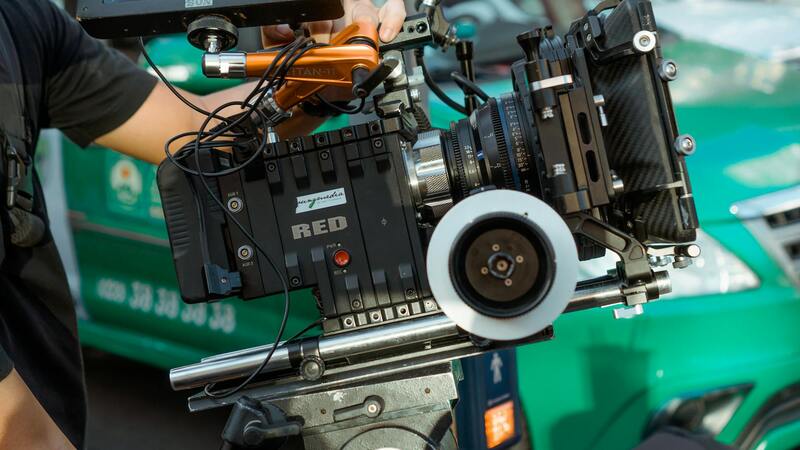
Implementing a reliable technical infrastructure is fundamental. This includes professional-grade cameras capable of delivering crisp visuals across various lighting conditions, audio mixers that ensure clear sound quality, and streaming encoders that transmit content smoothly to online platforms. Backup systems, such as redundant internet connections and power supplies, are crucial to mitigate potential disruptions, ensuring a seamless viewing experience.
The choice of streaming platform determines how the content is delivered and accessed. Popular options offer features like adaptive streaming, multi-bitrate support, and robust security protocols to protect content integrity. Deployment of content delivery networks (CDNs) enhances distribution efficiency, especially for large audiences across diverse geographical locations.
Audio and Visual Quality Assurance
High-quality visuals and audio are non-negotiable elements that influence viewer engagement. Employing professional-grade microphones and sound mixing equipment guarantees clarity, while multi-camera setups provide dynamic, engaging perspectives. Mixing techniques during the live broadcast help maintain a consistent visual and auditory experience, translating to an impactful event presentation.
Network Connectivity and Bandwidth Management
Stable internet connectivity is the backbone of live streaming. Dedicated high-speed connections, alongside load balancing across multiple channels, reduce latency and buffering issues. In high-profile events, network performance is continuously monitored with real-time diagnostics to swiftly address potential issues, minimizing the risk of stream interruptions.
Visual and Technical Aids for Audience Engagement
- Incorporating real-time graphics, lower thirds, and overlays enhance the visual appeal and provide supplementary information.
- Interactive features such as live polls, Q&A sessions, and chat integrations foster audience participation, boosting engagement metrics.
- Multi-camera switching, zooming, and graphical transitions create a professional broadcast flow, mimicking traditional television production standards.
Ensuring Stream Reliability and Quality
Rigorous testing before the event is non-negotiable. Conducting trial runs allows the production team to identify and troubleshoot potential technical issues, optimize camera angles, and calibrate audio levels. During the live event, dedicated technicians continuously monitor stream health, ready to swiftly implement corrective measures as needed. Post-event, analytics and viewer feedback provide insight into stream performance and viewer satisfaction, guiding future improvements.
Technical Setup and Live Signal Management
Implementing a robust technical framework is critical for successful live event streaming production. This includes meticulous planning of signal flow pathways, synchronization of audio and video sources, and ensuring seamless integration between various hardware components. Reliable routing of live feeds from cameras, microphones, and graphic systems to the switcher and encoder guarantees high-quality output. Signal processors should be calibrated carefully to prevent audio-visual mismatches, which can detract from viewer experience.
High-performance switchers are employed to manage multiple camera angles and sources effectively. These devices enable switching, layering, and adding effects in real-time, providing a dynamic broadcast similar to traditional TV studios. Encoders compress and transmit the processed signals over the internet, making them accessible across various platforms. It’s essential to select encoders that support multiple bitrates and resolutions, allowing adaptive streaming based on viewer bandwidth conditions.
Quality Assurance and Continuous Monitoring
During the live event, continuous monitoring is vital to maintain stream integrity. Dedicated technicians oversee the broadcast, checking for any latency issues, dropped frames, or audio-visual sync problems. Real-time diagnostics and performance metrics facilitate immediate intervention if anomalies arise. Tools like network analyzers and stream health monitors help identify bottlenecks before they impact viewer experience.
Technical teams often employ redundant systems, such as backup internet connections and secondary hardware units, ensuring seamless reliability. In the event of a failure, quick switchover protocols are enacted to maintain uninterrupted streaming. The integration of automated alerts and troubleshooting scripts reduces response times and enhances overall production resilience.

Integration of On-Screen Graphics and Branding Elements
Professional live stream production leverages real-time graphics to augment storytelling, provide context, and reinforce branding. Overlays such as lower thirds display speaker names, titles, and additional information without obstructing main content. Custom animations and animated transitions are employed to seamlessly shift between scenes or segments, maintaining a polished visual flow.
Interactive overlays can include sponsor logos, event schedules, or social media feed integration, increasing audience engagement and brand exposure. By synchronizing graphic outputs with live video feeds through dedicated graphics systems, producers ensure a cohesive and engaging visual narrative throughout the broadcast.
Understanding Live Event Streaming Production
Live event streaming production encompasses a comprehensive set of processes that transform a physical event into a digital broadcast accessible to audiences worldwide. It involves meticulous planning, precise execution, and advanced technology to deliver high-quality content in real time. This process begins with a clear understanding of the event’s objectives, audience expectations, and the type of content to be shared. Effective live streaming ensures real-time engagement, allowing viewers to experience the event as if they were physically present, whether it's a corporate conference, concert, sports game, or a community festival.
It requires coordination among various technical domains including video, audio, networking, and broadcasting. Successful live streaming production also emphasizes reliability and adaptability, enabling teams to respond swiftly to unforeseen issues such as equipment malfunctions or network glitches. Advanced production setups integrate multiple camera angles, dynamic graphics, overlay integration, and interactive features to enrich the viewer experience. As technology evolves, the scope of live event streaming broadens, offering innovative solutions that make broadcasts more immersive and accessible.
Planning and Pre-Production for Live Streaming
Pre-production is critical to ensure a smooth live streaming experience. Detailed planning involves defining the event timeline, securing equipment, coordinating crew roles, and establishing clear communication channels among all team members. It also includes assessing venue setup requirements, such as power sources, lighting conditions, and internet connectivity, to optimize the technical environment.
Pre-event rehearsals are essential to troubleshoot potential issues, fine-tune camera angles, test audio quality, and ensure the synchronization of all elements including graphics and overlays. Creating a comprehensive production schedule with designated responsibilities minimizes chaos during the live event. A well-structured plan covers contingencies for equipment failure, network disruptions, or other unforeseen challenges, enabling rapid response and maintaining stream stability.
Essential Equipment and Technology
The foundation of high-quality live event streaming production rests on robust hardware and cutting-edge technology. Core equipment includes professional-grade cameras capable of capturing high-definition video, wireless and wired microphones for crystal-clear audio, and video switchers that allow seamless scene transitions. Encoders convert raw video signals into stream-compatible formats, ensuring high efficiency in data transmission.
Reliable networking infrastructure is paramount; typically, a dedicated high-bandwidth internet connection with backup options is employed to prevent interruptions. Streaming servers or cloud-based platforms facilitate the distribution of content to multiple endpoints. Additional tools such as real-time monitoring software, graphic overlay systems, and interactive features enhance the production value. In terms of software, solutions that enable multi-camera control, live editing, and audience interaction are indispensable for producing professional-grade broadcasts.
The integration of these technologies must be handled with precision to maintain consistent streaming quality, reduce latency, and ensure seamless viewer experience. Proper calibration and testing before the event are vital to identify compatibility issues or potential bottlenecks that could compromise the broadcast.
Production Crew and Roles
A successful live streaming event demands a skilled, coordinated team. Key roles include:
- Director: Oversees the entire production, makes real-time decisions on camera angles, graphics, and transitions, and coordinates between team members.
- Technical Director: Manages video switching, signal routing, and monitors stream health, ensuring audiovisual synchronization and quality control.
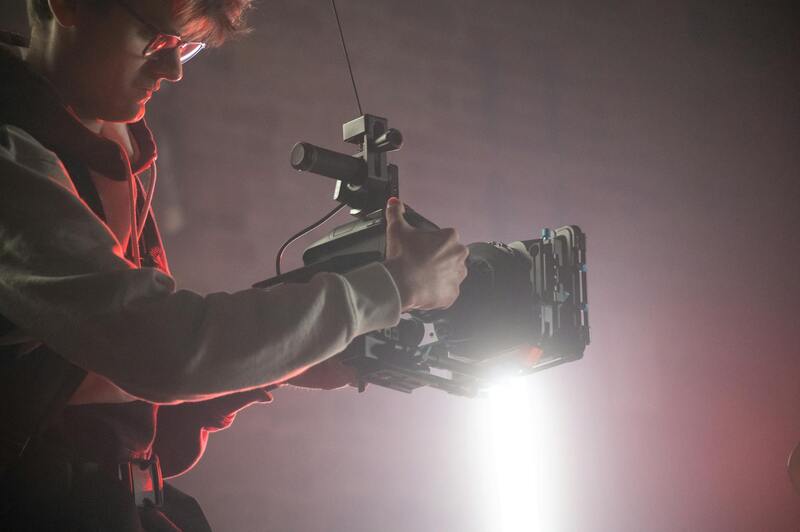
- Camera Operators: Execute planned camera shots, adjust angles, and ensure optimal framing to capture important moments.
- Audio Engineer: Manages sound levels, mixes microphones and music, and ensures clear audio delivery.
- Graphics Operator: Controls on-screen overlays, branding elements, and interactive features that enhance viewer engagement.
- Connectivity Specialist: Monitors internet stability, manages backup systems, and handles network troubleshooting to maintain uninterrupted streaming.
Effective communication among crew members is crucial to respond rapidly to changing event dynamics. Training and rehearsals familiarize the team with their responsibilities, technical workflows, and emergency procedures, ultimately elevating the quality and reliability of the live stream.
On-Site Setup and Technical Execution
Ensuring a seamless live event broadcast begins with meticulous on-site setup. This phase involves deploying all necessary hardware and connecting the audio-visual equipment securely to prevent any disruptions during the event. The setup process includes establishing camera arrays, audio mixing stations, streaming encoders, and backup power supplies, each mapped out to optimize coverage and reliability.
Prior to the event, a comprehensive technical rehearsal is conducted. This rehearsal tests all equipment and signal pathways, verifies audio and video synchronization, and evaluates network stability. It’s critical to simulate actual streaming conditions to identify potential points of failure, allowing the technical team to implement corrective measures. During these rehearsals, adjustments are made for camera placement, lighting, and audio levels to ensure high-quality visuals and sound.
Continuous monitoring during the live event is essential. Technical staff utilize real-time diagnostics tools to track stream health, bandwidth utilization, and system performance. Troubleshooting techniques such as switching to backup internet connections, activating redundant hardware systems, and employing manual intervention to adjust camera angles or audio levels help sustain an uninterrupted broadcast. Attention to detail in this phase directly impacts viewer experience, emphasizing the importance of experienced technical personnel and thorough preparation.
These measures foster resilience against unforeseen technical issues, guaranteeing that the digital audience receives a consistent, high-quality stream regardless of on-ground challenges. Properly trained technical staff are equipped to perform real-time problem resolution, minimizing downtime and maintaining high viewer engagement.
Understanding Live Event Streaming Production
Live event streaming production involves a comprehensive orchestration of multiple technical and logistical components to deliver a seamless viewing experience. It encompasses the coordination of video capture, audio management, encoding, transmission, and viewing platform integration. The goal is to provide high-quality, real-time content that reflects the event's essence and engages audiences effectively.
Key to successful live streaming is meticulous planning and execution, which include pre-event preparations, on-site technical deployment, and post-event activities. Each stage demands specialized expertise and sophisticated equipment to ensure the broadcast runs smoothly without interruptions or technical issues. Advanced encoding hardware, multiple camera angles, professional audio systems, and reliable internet connectivity form the backbone of high-caliber live production.
Furthermore, live event streaming production requires real-time monitoring to promptly address any disruptions. This necessitates a skilled technical team capable of executing quick troubleshooting and system adjustments, safeguarding the continuous delivery of content. The interplay of all these factors is crucial for maintaining viewer engagement and delivering an immersive live experience that meets or exceeds expectations.
Planning and Pre-Production for Live Streaming
Effective planning begins well before the event date. Establishing clear objectives, understanding the target audience, and selecting appropriate streaming platforms form the foundation of a successful live broadcast. During the pre-production phase, logistical arrangements such as equipment procurement, venue setup, and crew coordination are meticulously organized.
Pre-visualization with scriptwriting and shot planning helps streamline camera operation during the event. Conducting technical rehearsals ensures that all hardware and software components operate harmoniously under expected conditions. These rehearsals are vital for testing internet stability, verifying audio levels, and assessing lighting setups.
For complex productions, a detailed production schedule aligns tasks and assigns responsibilities to each crew member. This includes camera operators, sound engineers, technical directors, and on-site producers. Having an efficient plan minimizes delays and ensures a swift response to any unforeseen issues.
Essential Equipment and Technology
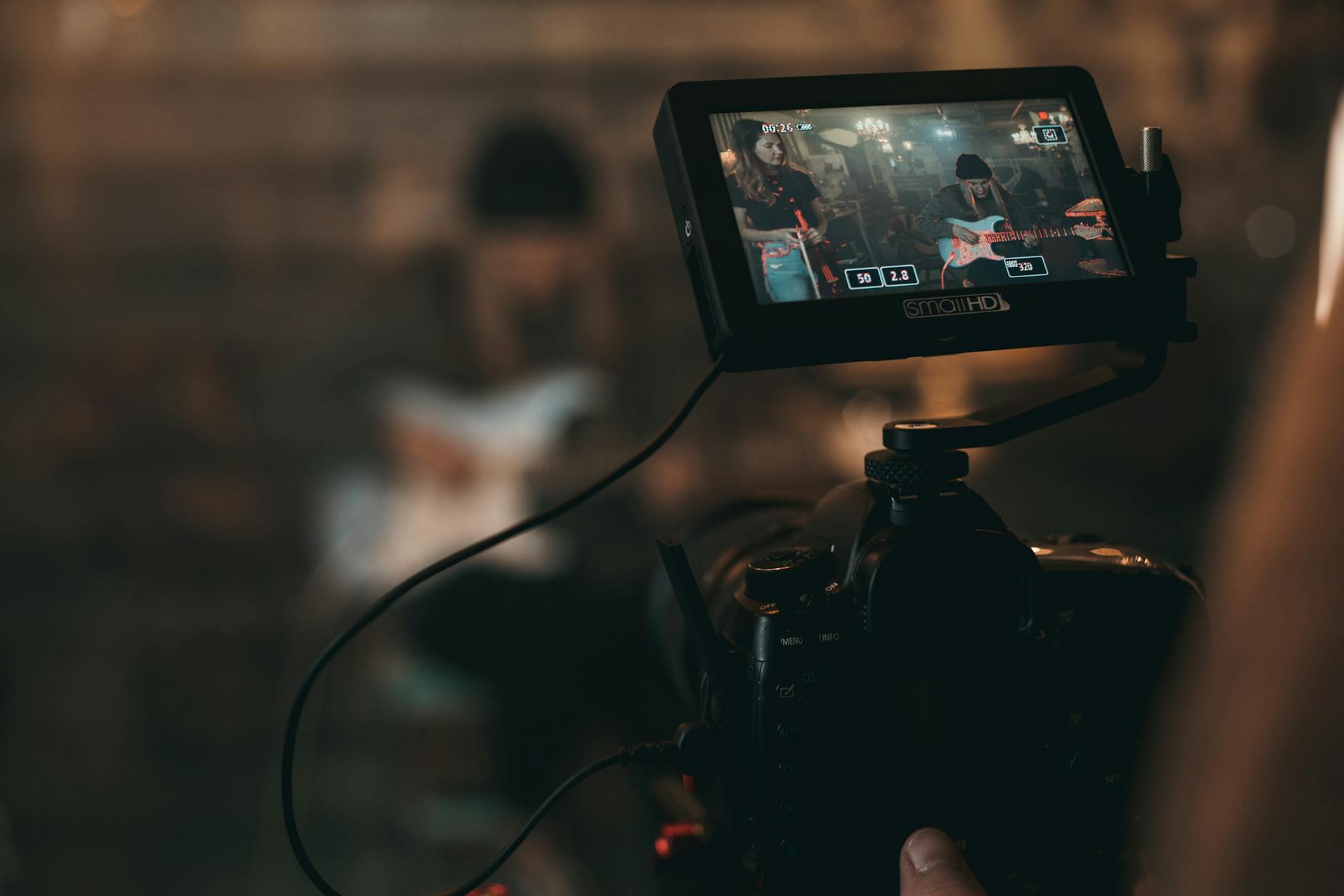
Choosing the right equipment is critical for effective live streaming production. High-definition cameras with multiple inputs allow for dynamic shots and audience engagement. Video mixers enable seamless switching between camera sources, while professional audio consoles guarantee crystal-clear sound.
Encoding devices, either hardware or software-based, convert raw footage into digital streams compatible with internet transmission. Redundant internet connections, such as primary broadband and backup cellular networks, are employed to maintain stream stability. Network monitoring tools track bandwidth usage and identify potential bottlenecks.
Additional equipment like lighting systems, tripods, stabilizers, and fiber optic cables contribute to the technical quality of the broadcast. Proper calibration and calibration checks throughout the setup process are essential for consistency.

Production Crew and Roles
A proficient production team is fundamental to the success of a live stream. The core crew typically includes a director, camera operators, audio technicians, a technical director, and a production assistant, among others.
- Director: Oversees the entire operation, making real-time decisions on camera angles and transitions.
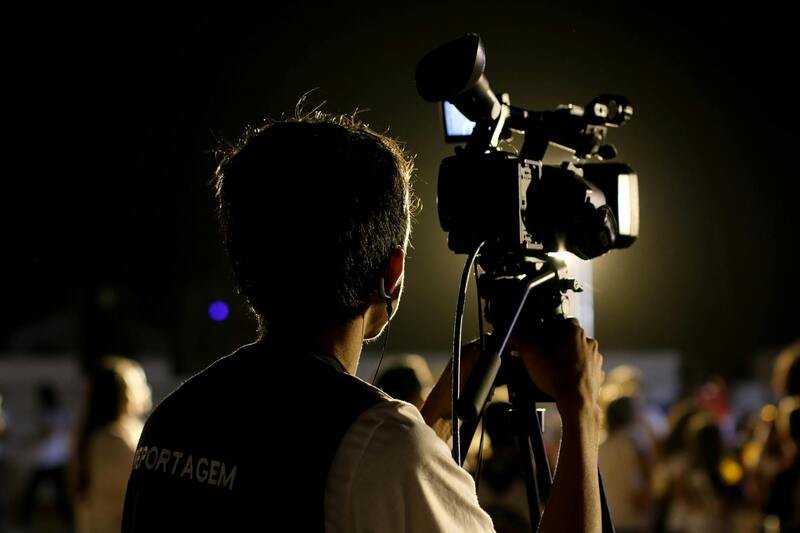
- Camera Operators: Capture various viewpoints, ensuring diverse and engaging content.
- Audio Technicians: Manage sound mixing, levels, and audio quality, vital for clear communication.
- Technical Director: Handles live switching, video feeds, and encoding parameters.
- On-Site Support: Addresses logistical needs, equipment setup, and troubleshooting.
Effective communication and coordination among team members are critical for addressing challenges swiftly during the live event. Proper training and experience directly impact the broadcast’s technical quality and overall professionalism.
Streaming Platforms and Delivery Methods
Selecting the appropriate streaming platform involves evaluating factors such as audience size, engagement features, and compatibility with various devices. Popular options include dedicated sites like YouTube Live, Facebook Live, and specialized streaming services optimized for live events.
Delivery methods may vary based on technical considerations and audience accessibility. udp multicast, adaptive bitrate streaming, and traditional CDN (Content Delivery Network) approaches are used to distribute content efficiently across geographies and device types.
Implementing secure streaming solutions can prevent unauthorized access and ensure a controlled broadcast environment. Compatibility across desktops, tablets, and mobile devices enhances viewer experience, requiring integrated player functionalities and responsive design.
On-Site Setup and Technical Execution
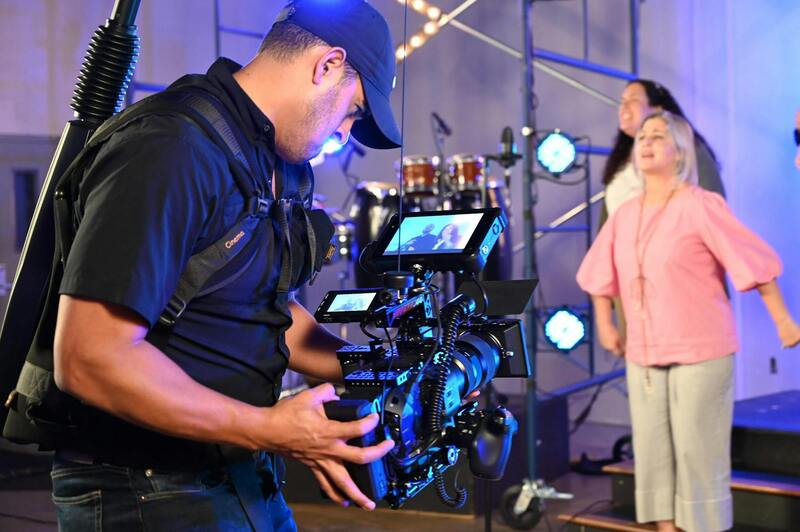
The on-site setup phase involves precise placement of cameras, lighting, and audio equipment. Ensuring that all hardware components are correctly installed and tested is fundamental to a successful live broadcast. This includes running high-quality cabling, securing stable internet connections, and calibrating all devices to achieve optimal performance.
Conducting a comprehensive technical rehearsal mimicking the actual event conditions helps identify potential challenges. During the live event, continuous monitoring with diagnostics tools allows the crew to respond swiftly to any issues with signal quality, hardware malfunctions, or network disruptions.
Backup systems such as secondary internet lines, spare hardware, and redundant power supplies play vital roles in mitigating risks associated with unforeseen failures. Real-time adjustments—switching camera angles, balancing audio, and managing visuals—are performed dynamically to maintain broadcast quality.
Ensuring Quality Delivery of Live Event Streams
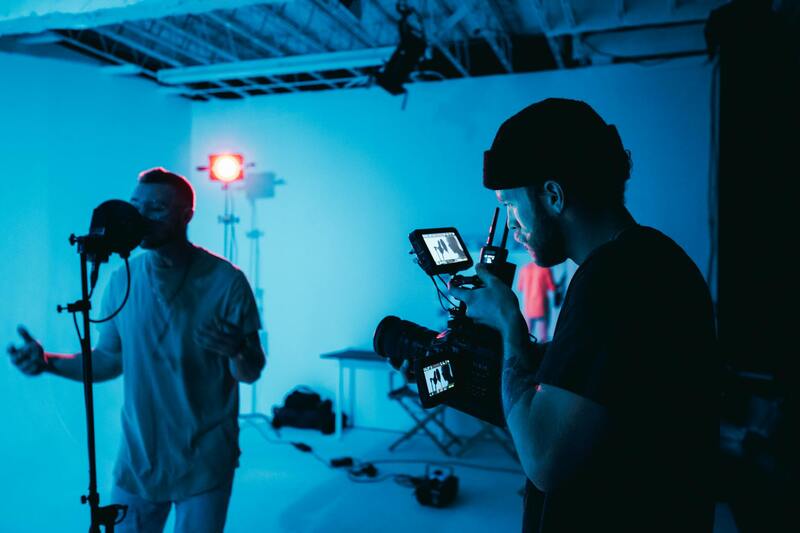
Effective live event streaming hinges on delivering a seamless and high-quality broadcast to viewers across various devices and platforms. This involves not only the right choice of streaming protocol but also meticulous management of each technical component involved in the chain of transmission. Employing robust streaming methods ensures minimal latency, high resolution, and reliable data delivery, which are crucial for maintaining viewer engagement and professionalism.
Secure and Reliable Streaming Protocols
Choosing official streaming protocols such as Real-Time Messaging Protocol (RTMP), Secure Reliable Transport (SRT), or Hypertext Transfer Protocol Live Streaming (HLS) provides a foundation for a stable broadcast. These protocols allow for adaptive streaming, dynamically adjusting video quality based on viewer bandwidth, ensuring an uninterrupted experience. Integrating encryption methods within these protocols safeguards content against unauthorized access, enhancing the security of the broadcast.
Content Delivery Networks (CDNs)
Utilizing Content Delivery Networks ensures efficient distribution of live streams by caching content across multiple geographically dispersed servers. This distribution reduces latency, prevents buffering, and supports high viewer volumes, which is essential for large-scale events. CDNs also improve redundancy, allowing streams to continue uninterrupted even if a particular server encounters issues.
Bandwidth Management and Network Optimization
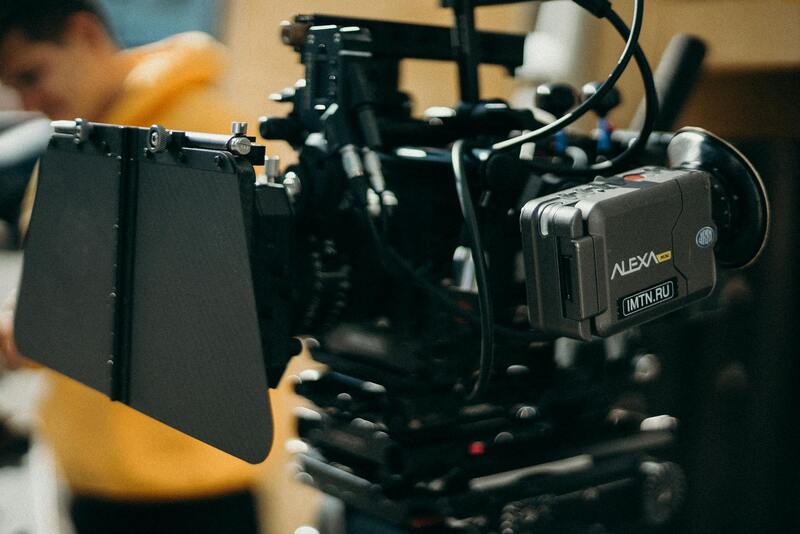
Prior to the event, conducting thorough bandwidth assessments and ensuring high-capacity internet connections are vital. Using dedicated internet lines or fiber optic connections minimizes network congestion and packet loss. During the event, real-time network monitoring tools provide analytics to quickly detect and resolve any issues that could impact stream quality.
Monitoring and Troubleshooting During Broadcast
Continuous monitoring of stream health through professional diagnostics software allows technical teams to detect issues proactively. Live diagnostics provide insights into video bitrates, latency, and signal integrity, enabling swift corrective actions such as switching camera feeds, adjusting encoding settings, or temporarily pausing the stream if necessary. This ongoing oversight prevents quality degradation and preserves the broadcast’s professional standard.
Comprehensive Archiving and Content Repurposing
Recording the live event in high quality not only preserves the content for post-event analysis but also opens opportunities for content repurposing. Edited highlights, full recordings, and thematic clips can be distributed across different platforms, increasing audience reach and engagement long after the live broadcast concludes.
Maintaining Compliance and Viewer Engagement
Adhering to best practices for content licensing and viewer interaction ensures a professional and ethical broadcast environment. Incorporating live chat moderation, polls, and real-time feedback mechanisms enhances viewer involvement. Ensuring proper content attribution and licensing for all multimedia elements used avoids potential copyright issues and fosters trust with your audience.
Evaluating and Enhancing Future Live Streaming Strategies
Post-event analysis through detailed reports on stream stability, viewer metrics, and technical performance provides valuable insights. These data points inform improvements for future broadcasts, optimizing equipment, staffing, and platform choices. Regular updates to streaming infrastructure and protocols improve resilience, ensuring each subsequent live event achieves even higher standards of quality and reliability.