
Overview of Broadcast Streaming Production Companies
Broadcast streaming production companies play a pivotal role in the modern media landscape by transforming live events into accessible digital content. These specialized firms coordinate every aspect of live content dissemination, ensuring viewers can access high-quality streams across various platforms. Their core responsibilities include capturing live footage, managing real-time audio and video feeds, and utilizing advanced transmission techniques to deliver seamless content to audiences worldwide. From small corporate gatherings to large-scale entertainment productions, these companies are integral in expanding the reach and visibility of live events.
At the heart of their operations is a focus on quality and reliability. Successful broadcast streaming production companies employ a combination of cutting-edge technology and experienced personnel to produce professional-grade live streams. They handle multiple video sources, integrate graphical overlays, and manage continuous audio-visual synchronization, all while maintaining stable streaming performance. Their expertise ensures that content is delivered without interruptions, regardless of the event complexity or venue challenges.
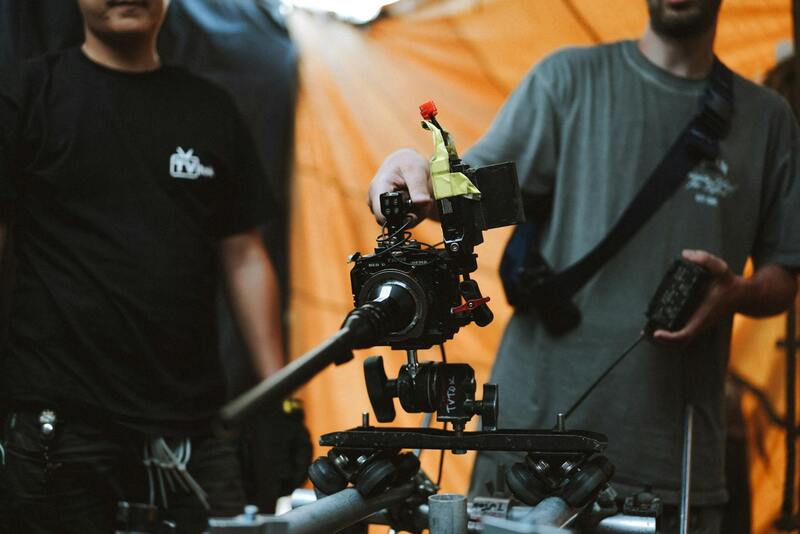
In addition to capturing live events, these firms also serve as critical partners in content distribution, leveraging various delivery methods such as webcasting, social media streaming, and dedicated streaming platforms. Their strategic approach enables organizations, brands, and content creators to connect with wide audiences, boost engagement, and achieve specific communication goals. The demand for skilled broadcast streaming production companies continues to grow, driven by the increasing importance of digital content in today’s media ecosystem.
Ultimately, a broadcast streaming production company acts as a bridge between event organizers and their viewers, ensuring that every moment is captured, transmitted, and experienced with clarity and professionalism. Their comprehensive understanding of technical workflows, transmission protocols, and audience engagement strategies makes them invaluable in producing successful live digital content.
Technology and Equipment Used in Broadcast Streaming
At the core of any successful broadcast streaming production lies a sophisticated array of equipment designed to deliver seamless, high-quality live content. Professional broadcast streaming companies employ advanced hardware and software solutions that optimize video and audio quality while ensuring stability throughout the transmission. This includes broadcast-grade video encoders that compress and transmit video feeds efficiently, eliminating latency and buffering issues.
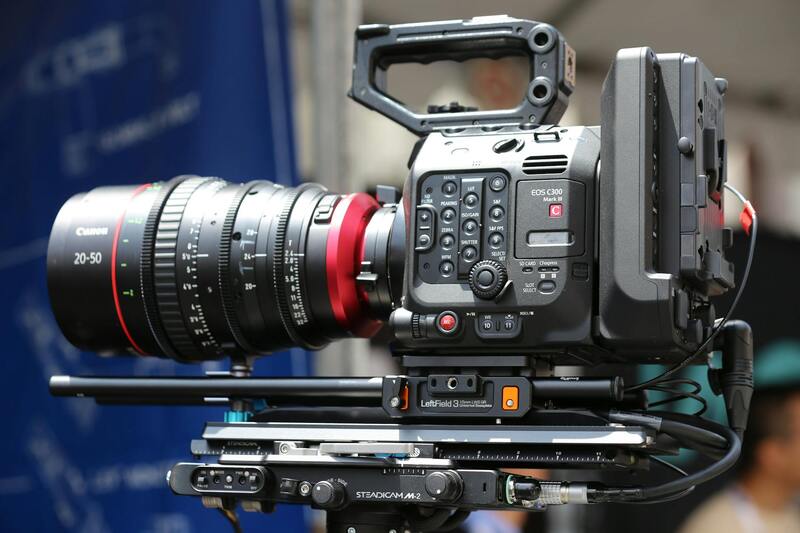
High-definition cameras form the backbone of visual capture, offering sharp, clear images suitable for various screen sizes and resolutions. These cameras are often integrated with robotic or remote-controlled systems, allowing for dynamic multi-camera setups that enhance production value and viewer engagement. Complementing the cameras, professional switchers and mixers enable real-time editing, transitions, and graphical overlays, providing a polished viewing experience.
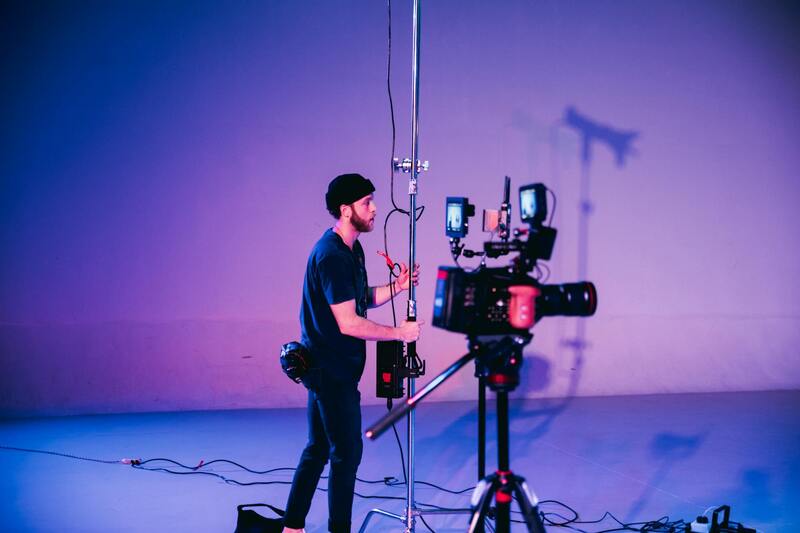
Audio quality is equally vital, and production companies utilize mixers, wireless microphones, and audio processors to capture clear sound that synchronizes flawlessly with the video feed. The integration of terrestrial and IP-based streaming protocols, such as RTMP and SRT, further guarantees reliable delivery across different platforms and devices.
To manage such complex setups, professional companies rely on sophisticated production control rooms equipped with monitors, servers, and redundant systems for fail-safe operations. These setups enable technical teams to monitor the broadcast in real-time, troubleshoot issues instantly, and switch between multiple sources smoothly.
In addition to hardware, software tools for content management, real-time graphics, and live social media integration play a crucial role. Features like graphics overlays, lower thirds, and real-time captioning are implemented seamlessly, contributing to the overall viewer experience.
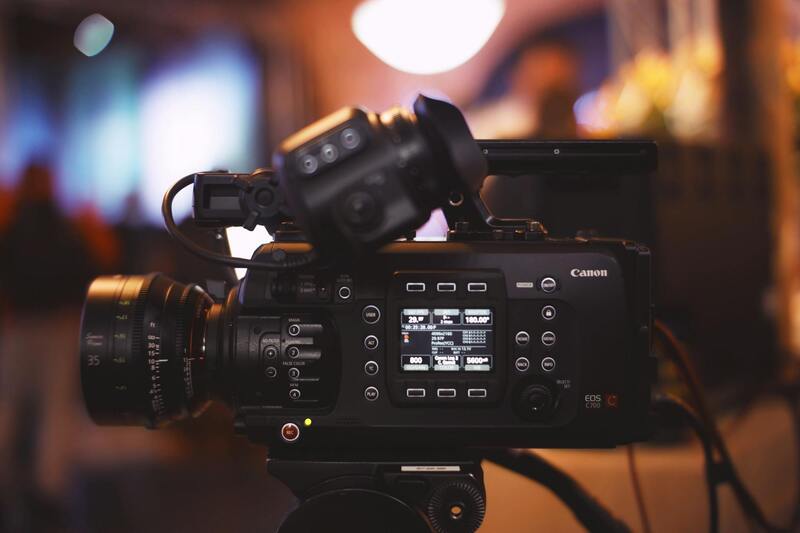
The continuous evolution of streaming technology ensures that broadcast production companies can deliver content with unprecedented levels of quality and reliability. By leveraging the latest tools and equipment, these organizations meet the demanding standards required for successful digital broadcasting, ensuring their clients' content reaches audiences effectively and professionally every time.
Customized Solutions for Diverse Broadcast Needs
Broadcast streaming production companies distinguish themselves by offering tailored solutions that address the unique requirements of each client and event. Whether it's a corporate conference, a religious service, a live concert, or an academic symposium, each scenario demands a specific approach to ensure seamless delivery. These companies work closely with clients during the planning stages to assess the scope, audience size, technical infrastructure, and desired broadcast quality.
Custom solutions often involve selecting the appropriate transmission protocols, determining the optimal streaming platform, and designing a graphics package that aligns with the event’s branding. Integration of multi-camera setups facilitates dynamic coverage, capturing multiple angles that enhance the viewer experience. Additionally, specialized audio configurations guarantee that spoken words, music, and on-site sounds are transmitted clearly and cohesively.
Furthermore, production companies develop comprehensive run sheets and rehearsal schedules to synchronize all technical elements. During the actual event, their teams monitor each component in real-time, managing transitions, switching between feeds, and ensuring audio-visual synchronization remains intact. After the event, they also provide on-demand access options, allowing audiences to revisit the content at their convenience.
Integration of Multi-Platform Streaming
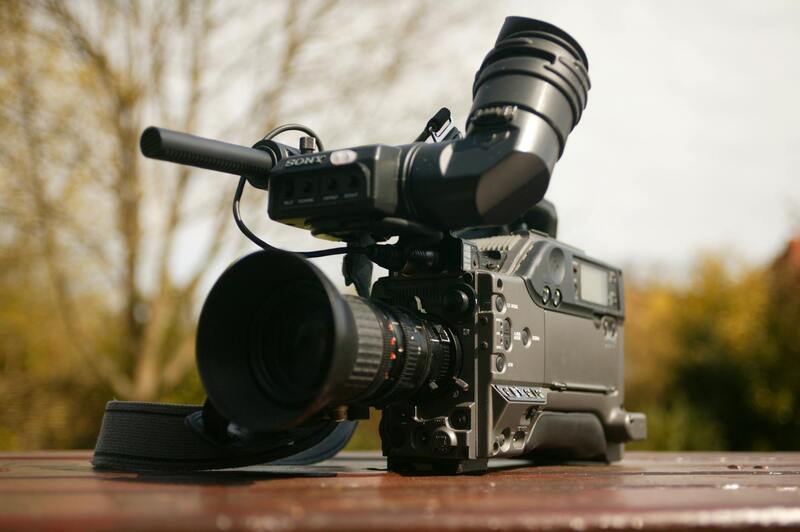
To extend the reach of live broadcasts, broadcast streaming production companies leverage multi-platform streaming strategies. By distributing content simultaneously across various platforms such as social media channels, dedicated streaming apps, and broadcast networks, they maximize audience engagement. This multi-channel approach requires sophisticated encoding hardware and software capable of transcoding content into different formats compatible with diverse devices and bandwidth conditions.
They implement adaptive bitrate streaming techniques that automatically adjust video quality based on the viewer’s internet connection, reducing buffering and ensuring a smooth viewing experience. Social media integration enables real-time interaction, live comments, and sharing, which further enhances audience participation. Such capabilities demand technical expertise and seamless coordination, which professional companies consistently ensure.
For events involving international audiences, localization features—including subtitles, multiple language options, and regional streaming servers—are incorporated. These adjustments help communicate effectively across diverse viewer groups, broadening the event's reach and impact.
Ensuring Smooth Broadcast Operations with Advanced Technologies
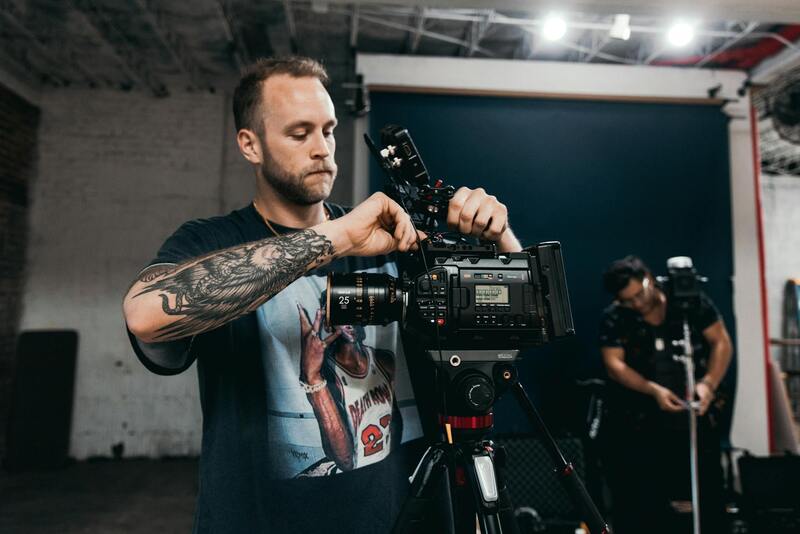
Advanced technologies underpin the capabilities of top-tier broadcast streaming production companies. They utilize high-definition cameras, robotic cameras, and stabilized camera systems to capture high-quality footage regardless of the venue or environment. Signal processors and encoders convert raw video feeds into efficient, high-quality streams suitable for internet transmission.
Control rooms are equipped with multi-view monitors, redundant servers, and automated switching systems, enabling technical teams to oversee multiple streams simultaneously. Protocols like SRT (Secure Reliable Transport) and RTMP are employed to maintain stream integrity, even under variable network conditions.
Software tools for visualization, audience analytics, and content management enable producers to make real-time adjustments and gain insights into viewership patterns. Such capabilities facilitate proactive responses to technical issues, making certain that the broadcast remains uninterrupted and of professional quality.
Technology and Equipment Used in Broadcast Streaming
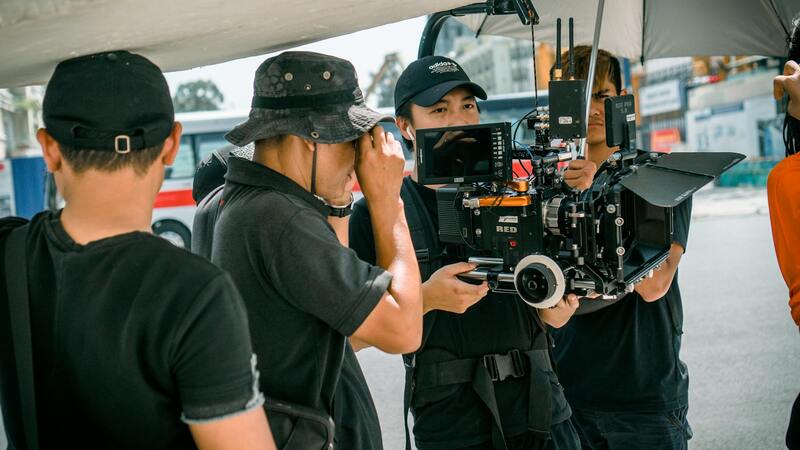
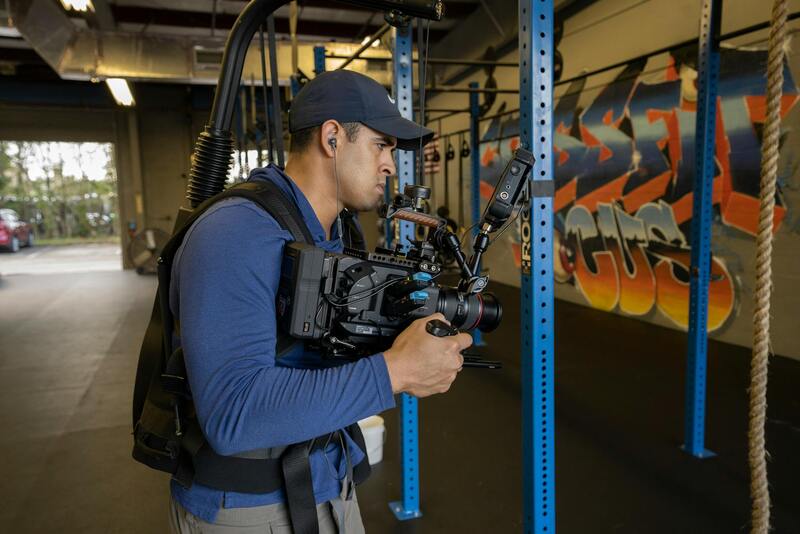
Professional broadcast streaming production companies rely on high-end hardware and software solutions to deliver seamless live transmissions. This equipment ensures that every event is broadcast in the highest quality, with minimal latency and maximum reliability. Central to this setup are state-of-the-art cameras, including 4K resolution models, robotic cameras for dynamic shot adjustments, and stabilized systems that adapt to movement and difficult environments. These tools capture diverse perspectives and ensure crisp visual output, regardless of the venue.
Encoders are critical for converting raw video signals into digital streams compatible with internet transmission. Software-based encoders often feature real-time adjustments to optimize bitrate, resolution, and compression, improving the viewer's experience across different devices and network conditions. Multipurpose streaming platforms, such as Wowza, Vimeo Live, or custom-built solutions, provide scalable infrastructure to distribute content efficiently to multiple channels simultaneously.
Signal processors and transmission protocols like Secure Reliable Transport (SRT) and Real-Time Messaging Protocol (RTMP) are integral to maintaining stream integrity, especially during fluctuating network conditions. These technologies safeguard the broadcast against interruptions, ensuring the audience receives a steady, high-quality feed. Additionally, broadcast production companies utilize sophisticated switching hardware and software, enabling live scene changes that enhance overall production quality.

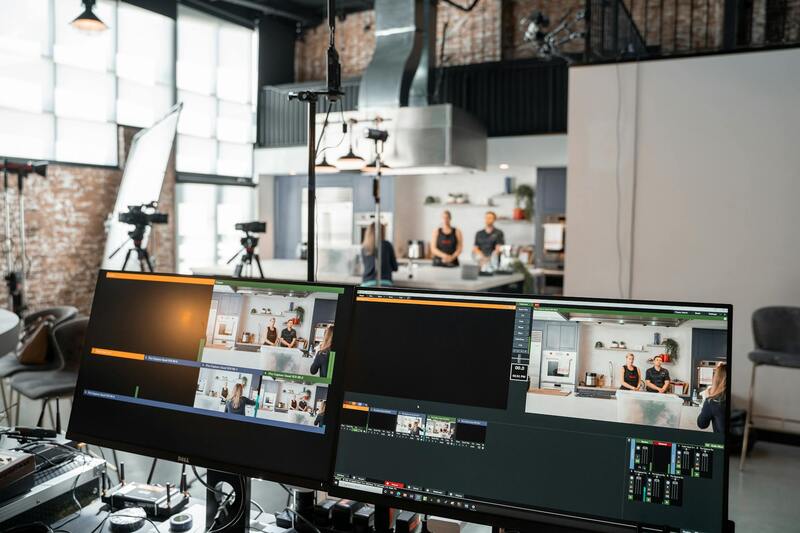
Control rooms equipped with multi-view monitors, redundant servers, and automated switching systems allow technical operators to monitor and manage multiple live streams simultaneously. These setups are essential for handling complex productions with multiple camera angles, overlays, and real-time graphics. Advanced software tools incorporate audience analytics and data visualization, empowering producers to monitor viewer engagement and respond to potential technical issues on the fly.
Planning and Execution of a Broadcast Streaming Project
An efficient broadcast streaming project begins with meticulous planning. This includes assessing the event’s scope, venue considerations, target audience, and platform requirements. A detailed pre-production checklist ensures all equipment is tested and operational before the event, reducing the risk of technical difficulties. Content flow, camera placement, and network bandwidth considerations are addressed in early stages.
During live execution, real-time coordination is crucial. Production teams utilize comprehensive event scripts, cue sheets, and communication protocols to synchronize camera operators, directors, and technical staff. The ability to adapt dynamically—such as switching camera angles, overlaying graphics, or managing live interviews—is vital to maintaining production quality. Post-event, detailed analytics and feedback help evaluate reach, engagement, and technical performance, guiding improvements for future projects.
Benefits of Hiring a Professional Broadcast Streaming Company
Engaging a seasoned broadcast streaming company guarantees access to cutting-edge technology, experienced personnel, and streamlined workflows. This expertise minimizes technical risks and enhances the overall quality of the broadcast. Moreover, professional companies have robust backup strategies and contingency plans, safeguarding against unforeseen disruptions.
Clients benefit from tailored streaming solutions that match their specific event requirements, whether it’s a corporate conference, concert, sports event, or religious service. These companies often provide end-to-end services, from pre-production planning and setup to live monitoring and post-event analysis. This comprehensive approach ensures a polished, professional presentation that elevates brand reputation and audience satisfaction.
Types of Events Covered by Broadcast Streaming Services
- Corporate events: meetings, product launches, webinars, and conferences
- Live entertainment: concerts, theater productions, festivals, and award shows
- Sports events: tournaments, matches, and community sports
- Religious gatherings: services, sermons, and spiritual events
- Educational programs: lectures, classroom sessions, and virtual graduations
- Public safety and civic events: demonstrations, rallies, and community outreach programs
Choosing the Right Broadcast Streaming Partner in Miami
Selecting a broadcast streaming production company in Miami necessitates evaluating their technical capabilities, industry experience, and client testimonials. It's essential to verify their familiarity with local venues, regulations, and regional viewer preferences. An ideal partner should demonstrate a comprehensive understanding of multi-platform distribution, support a variety of event types, and possess a proven track record of seamless live broadcasts.
Consulting with companies like Miami Video Production ensures access to experts who can customize solutions to fit specific event needs, provide reliable on-site support, and deliver high-quality streams that reach broad audiences. This collaboration guarantees a professional execution, elevating your event's visibility and engagement across digital platforms.
Technology and Equipment Used in Broadcast Streaming
For a broadcast streaming production company, leveraging cutting-edge technology and equipment is fundamental to delivering high-quality live content that meets client expectations. Advanced broadcast hardware, including professional-grade cameras, multi-camera setups, and stabilization tools, ensure crisp visuals and smooth shots during dynamic events. High-definition (HD) and ultra-high-definition (UHD) streaming capabilities allow for clarity and detail that engage viewers across various devices.
Complementing video equipment are robust audio systems, including wireless microphones, mixers, and digital audio processors, which guarantee clear sound reproduction. Audio quality is often as critical as video clarity, particularly during conferences or keynote speeches where intelligibility impacts viewer engagement.
In addition to traditional hardware, broadcast streaming relies heavily on powerful encoders that compress high-quality signals for transmission over the internet. These encoders support multiple bitrate profiles, ensuring compatibility with varying network speeds and viewer bandwidths. Live-switching equipment facilitates seamless transitions between camera angles, graphics, and pre-recorded segments, providing a polished broadcast experience.
To maintain reliability, businesses frequently incorporate backup systems, such as redundant internet connections, secondary power supplies, and duplicate hardware components. These measures mitigate potential disruptions during live events, ensuring continuous streams with minimal downtime.
Furthermore, specialized streaming software enables integration of real-time graphics, overlays, and interactive features, enhancing viewer engagement. For instance, live polls, chat integrations, and dynamic branding elements can be incorporated to create an immersive virtual experience.
As technology advances, wireless transmission options such as 5G networks are increasingly employed for mobile or outdoor events, offering greater flexibility and mobility. Additionally, remote production tools allow directors and production teams to operate from different locations, enabling more efficient workflows and rapid response to live event developments.
For broadcast streaming companies, staying updated with the latest technological innovations and equipment enhancements is essential to provide clients with reliable, flexible, and high-quality streaming solutions tailored to the unique demands of each event.
Planning and Execution of a Broadcast Streaming Project
Meticulous planning is fundamental to the successful execution of any live broadcast stream. It entails coordinating multiple facets, including technical configurations, content scheduling, and audience interaction strategies. A seasoned broadcast streaming production company begins by establishing a detailed pre-production plan, which outlines the event's objectives, key segments, and technical requirements. This planning phase includes site surveys to assess the location’s connectivity and infrastructure, ensuring optimal setup for equipment and personnel deployment.
Throughout the planning process, the production team collaborates closely with clients to tailor the content delivery to their specific goals. This might involve coordinating with speakers, performers, or presenters, and designing engaging on-screen graphics, overlays, and branding elements that resonate with the target audience. Advanced pre-production tools allow the team to create detailed storyboards and run-throughs, simulating the live experience to identify potential issues and refine the technical flow.
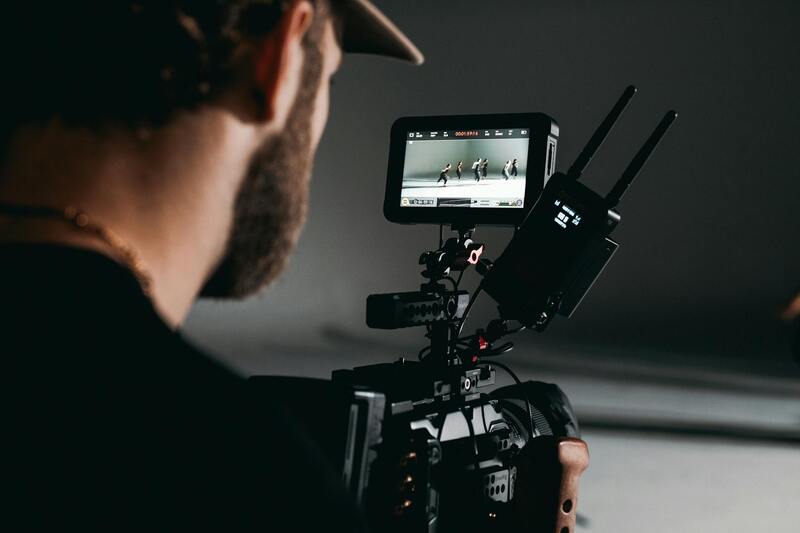
During the actual event, execution is driven by real-time coordination among camera operators, technical directors, and streaming specialists. Live switching involves seamlessly transitioning between camera feeds, inserting graphics or pre-recorded clips, and managing audio levels. The integration of multiple camera angles, including remote and mobile setups, expands the visual landscape while providing viewers with a dynamic viewing experience.
Redundancy in critical systems such as backup internet connections and power supplies plays a vital role in maintaining uninterrupted streams. The use of network monitoring tools ensures real-time assessment of connection quality, allowing for rapid troubleshooting if issues arise. Additionally, employing professional encoders and streaming software enables high-quality output, including adaptive bitrate delivery that adjusts to viewers’ bandwidth conditions.
Post-event, the team conducts comprehensive analysis to review stream performance, viewer engagement metrics, and technical reports. This feedback loop is essential for refining future productions, ensuring continuous improvement in quality, reliability, and audience satisfaction.
Incorporating remote production capabilities further enhances flexibility, especially for complex or multi-location events. Remote directors and producers can oversee the broadcast from a separate location, utilizing high-speed internet and remote collaboration tools. This approach reduces on-site staffing needs and accelerates decision-making processes amid live broadcast requirements.
Ultimately, meticulous planning and agile execution form the backbone of high-caliber broadcast streaming projects. By employing proven methodologies, advanced technology, and seasoned expertise, a professional company ensures an engaging, reliable, and seamless viewing experience for audiences across Miami and beyond.
Modern Methods for Broadcast Streaming Delivery
Broadcast streaming production companies utilize a range of official, proven techniques to ensure seamless content delivery across various platforms. These methods include multicast streaming, which allows the same content to be transmitted simultaneously to multiple viewers without overloading the network, ensuring broad accessibility and consistent quality. Adaptive bitrate streaming is another essential approach, dynamically adjusting video quality in real-time based on the viewer's internet bandwidth, thus minimizing buffering and maintaining a high-quality viewing experience regardless of connection speeds.
Secure streaming protocols are employed to protect content from unauthorized access or piracy. Transmission methods like Secure Reliable Transport (SRT) and Real-Time Messaging Protocol (RTMP) enable encrypted data transfer, safeguarding live broadcasts from potential breaches. These protocols facilitate robust, low-latency delivery, which is crucial for live events requiring real-time interaction and immediacy.

For multi-camera productions, companies use professional-grade streaming encoders that facilitate the live switching of video feeds, graphics, and effects. These encoders collaborate with streaming platforms to broadcast professional content directly to audiences, whether through social media, dedicated websites, or broadcast networks. The integration of Content Delivery Networks (CDNs) extends the reach of live streams, enabling rapid distribution to global viewers with minimal latency and buffering issues.
Technical teams also implement analytics tracking during live streams. This data provides insight into viewer engagement, geographic reach, and technical performance, informing ongoing improvements for future broadcasts. Continuous monitoring and real-time adjustments are facilitated through sophisticated network management tools and streaming analytics dashboards, which allow producers to respond swiftly to any technical anomalies or viewer experience issues.
In the context of Miami’s vibrant event scene, employing these official and advanced delivery techniques directly correlates with a reliable, high-quality broadcast that captures the energy of live occasions while providing audiences with a smooth, engaging viewing experience.

Advanced Techniques and Formal Methods in Broadcast Streaming Production
Implementing professional-grade broadcast streaming requires adherence to structured, reliable procedures that ensure seamless delivery of content to audiences worldwide. This involves utilizing state-of-the-art technology and detailed project management protocols that encompass every stage of the broadcast process, from initial planning to post-event analytics.
Technical Protocols for Secure and High-Quality Broadcasts
Broadcast streaming production companies employ sophisticated encryption methods to secure content integrity during transmission. Protocols such as Secure Real-time Transport Protocol (SRTP) and Transport Layer Security (TLS) safeguard live streams from unauthorized access and tampering, emphasizing the importance of official, dependable delivery channels.
Consistency in quality is maintained through the use of high-bandwidth, low-latency networks combined with professional content delivery networks (CDNs). These systems optimize the distribution process by minimizing buffering and lag, delivering a stable experience regardless of audience size or geographical dispersal.
Rigorous Project Planning and Coordination
Effective broadcast streaming involves meticulous preparation, including detailed pre-production meetings, technical rehearsals, and contingency planning. Official production companies develop comprehensive run sheets, technical checklists, and backup protocols to address potential disruptions proactively. This disciplined approach guarantees the smooth execution of live events and minimizes technical risks.
Compliance with Industry Standards and Best Practices
Adhering to established industry standards, such as SMPTE (Society of Motion Picture and Television Engineers) guidelines and ISO performance benchmarks, ensures broadcasts meet high-quality criteria and audience expectations. These frameworks help in maintaining consistency, security, and technical excellence across all streams, fostering trust and a professional reputation.
Quality Assurance and Continuous Improvement
Post-broadcast analysis includes detailed review of streaming metrics, viewer engagement data, and technical performance reports. This objective assessment facilitates ongoing enhancements, ensuring future broadcasts are increasingly reliable, engaging, and aligned with best practices. Official companies systematically document lessons learned and incorporate technological advancements to refine their techniques continually.
In high-stakes environments such as Miami, where the event landscape is diverse and dynamic, deploying validated procedures and cutting-edge technology guarantees that every broadcast adheres to the highest standards. Maintaining a strict focus on performance, security, and viewer experience solidifies the credibility and effectiveness of professional broadcast streaming operations.