
Understanding Live Video Stream Production
Live video stream production is a sophisticated process that enables real-time broadcasting of events, presentations, and entertainment across digital platforms. It plays a pivotal role in today’s media landscape, allowing organizations, businesses, and content creators to connect with audiences instantly and interactively. The core of live video stream production involves a blend of technical components, strategic planning, and execution to deliver seamless, high-quality content that engages viewers in the moment.
At its essence, live streaming integrates hardware and software systems that work in harmony to capture, encode, transmit, and display video content. This process begins with the collection of visual and audio signals through cameras and microphones. These signals are then processed by data encoders that compress the content for efficient transmission over the internet. The live feed is subsequently uploaded to a streaming platform or Content Delivery Network (CDN) that distributes the stream to audiences worldwide.
The significance of live video stream production is underscored by its capacity to reach vast, dispersed audiences instantaneously. Whether broadcasting a corporate event, an entertainment show, or an educational seminar, the immediacy and engagement of live streaming foster a sense of participation and authenticity that pre-recorded content cannot easily replicate. As digital media consumption continues to grow, the importance of well-executed live video production becomes even more pronounced, ensuring that content is delivered without latency, buffering, or quality issues that could diminish viewer experience.
 igure>
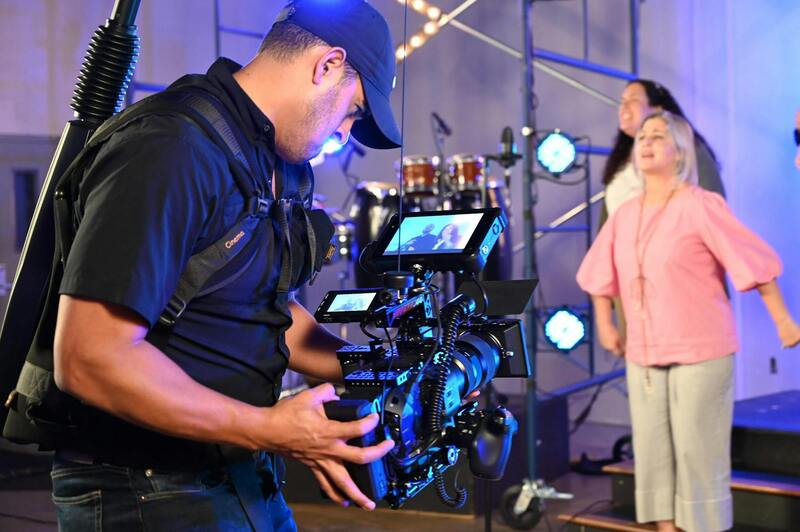
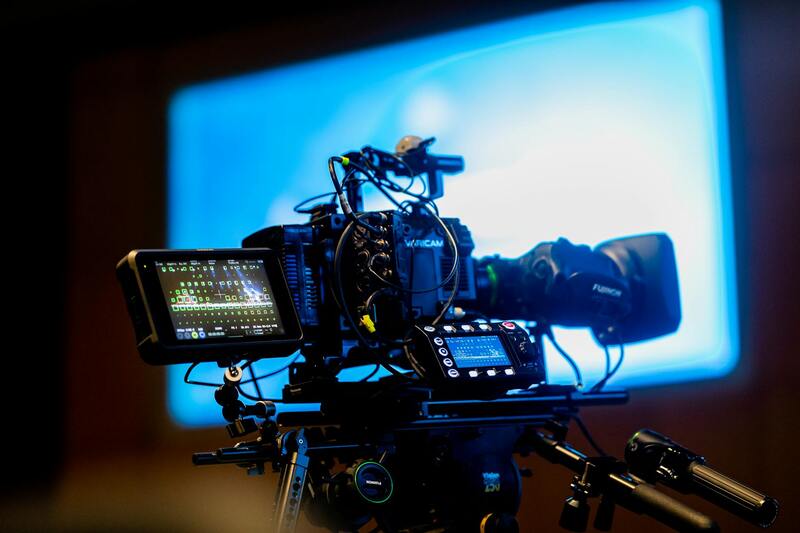
Furthermore, live video stream production encompasses a range of components that contribute to the overall quality of the broadcast. These include reliable internet connectivity, robust encoding devices, professional-grade cameras, audio equipment, and sophisticated streaming management software. Each component must function flawlessly to produce a seamless viewing experience, which highlights the importance of meticulous planning and technical expertise in the process.
In an era where digital transformation is reshaping everything from marketing to entertainment, understanding the intricacies of live stream production is essential. It ensures that content providers can deliver engaging, high-quality streams that meet the expectations of modern viewers, thus strengthening their online presence and audience engagement.
Understanding Live Video Stream Production
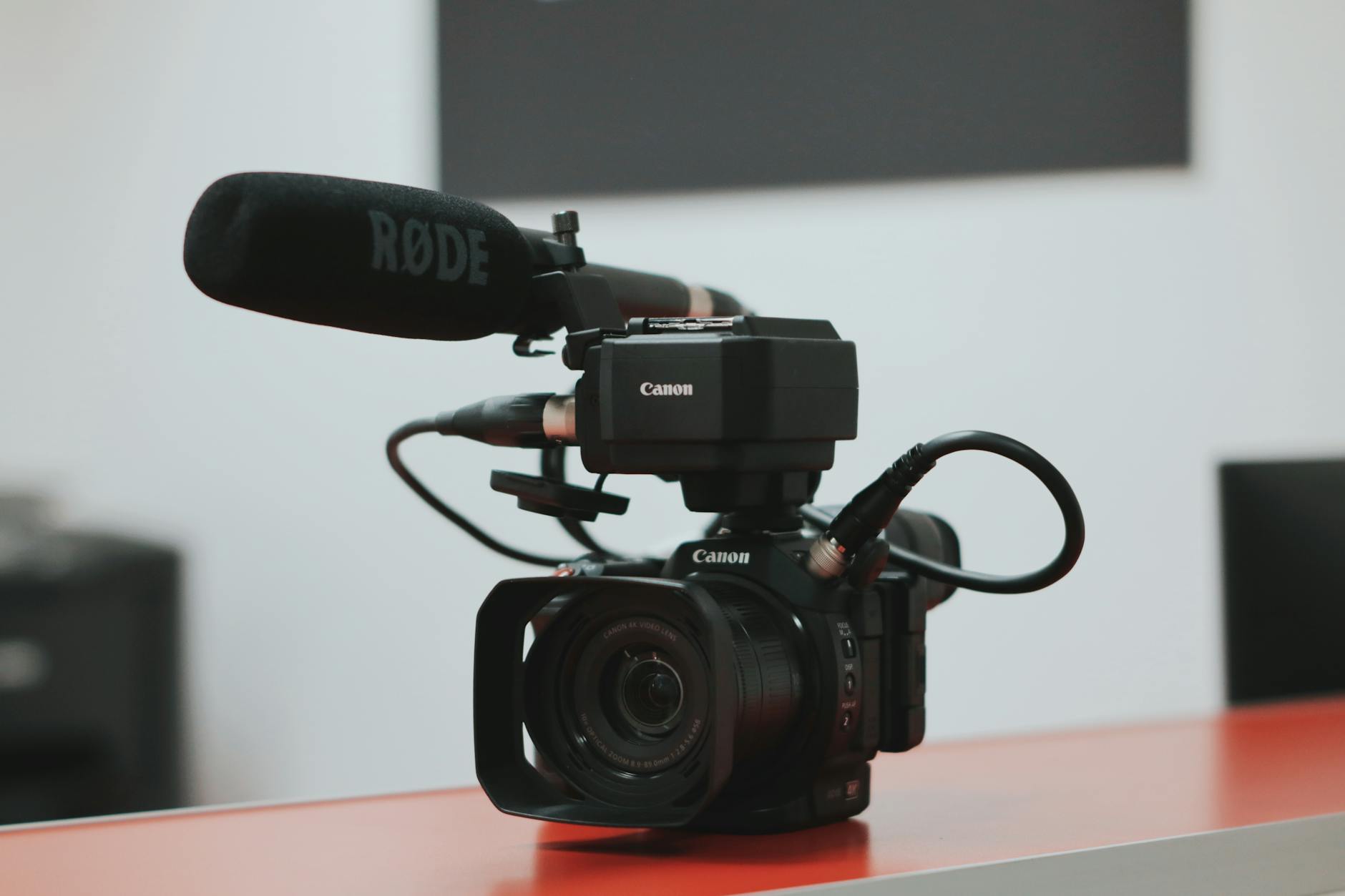
Achieving a professional grade in live video stream production involves meticulous coordination of multiple technical elements. Each step, from initial planning to the final broadcast, requires expertise to ensure the delivery of a smooth, high-quality stream. This process begins with selecting appropriate hardware components, such as professional-grade cameras capable of capturing clear, high-definition footage that can adapt to different lighting conditions and movement dynamics. Equally important are reliable audio capture devices, including shotgun microphones, lavalier microphones, or audio mixers, which ensure crisp sound that complements the visual content without distortions or background noise.

Stream encoding hardware, such as dedicated hardware encoders or software encoders integrated with high-performance computers, plays a crucial role in converting camera feeds into digital streams compatible with various streaming platforms. These encoders facilitate real-time compression and bitrate adjustment, ensuring the stream maintains clarity while accommodating different internet speeds. Additionally, robust internet connectivity, preferably via wired Ethernet connections, minimizes latency and buffering, which are detrimental to viewer experience. Backup internet options or redundant systems further prevent disruptions during the broadcast.
From a software perspective, advanced streaming management platforms enable producers to monitor multiple data streams, control transitions, and add live graphics or overlays seamlessly. These tools often feature real-time analytics, allowing adjustments on the fly to optimize quality, troubleshoot issues promptly, and ensure the stream runs smoothly throughout its duration.
Effective live stream production also involves comprehensive planning around content flow and technical setup. This includes designing a detailed production schedule, preparing backup plans for technical failures, and conducting test runs to calibrate equipment and connectivity. The integration of multiple camera angles, graphic overlays, and live interaction elements, such as chat moderation or viewer polls, enhances viewer engagement and provides a dynamic experience.
To maintain a professional standard, producers must also consider environmental factors—such as lighting conditions, soundproofing, and background setup—to reduce visual and audio distractions. Proper pre-production planning, combined with an understanding of hardware capabilities and software functionalities, creates a foundation for delivering compelling live content that meets audience expectations and supports brand objectives.
Setting Up for an Effective Live Broadcast
Preparing for a successful live video stream involves meticulous setup of both technical and environmental elements to ensure a seamless broadcast. The arrangement begins with establishing a stable and high-bandwidth internet connection, preferably through wired Ethernet, which significantly reduces latency and buffering. Redundant internet sources or failover systems should be considered to prevent interruption if primary connections experience delays or outages.
Camera positioning and angles are crucial components in conveying professionalism and keeping viewers engaged. High-quality cameras with adjustable settings enable clear images and flexibility in framing shots. Strategically placed lighting is vital; soft, diffused lighting minimizes shadows and highlights subjects without causing glare or overexposure. Environmental factors such as soundproofing the venue and utilizing directional microphones help ensure audio clarity and minimize background noise.
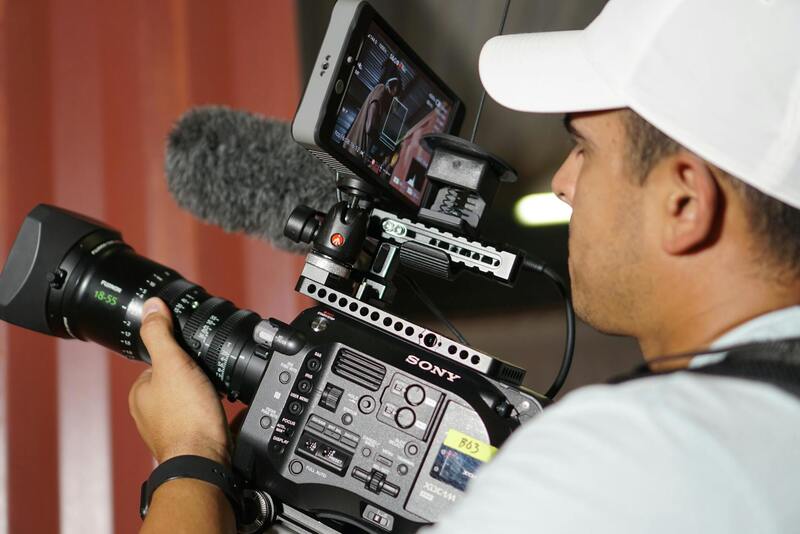
Backdrop choices and stage design contribute to a polished visual presentation. Simple, professional backgrounds that avoid visual clutter maintain audience focus. Incorporating graphic overlays, lower thirds, and branding elements enhances visual identity and provides context during the stream.
For live interaction elements such as audience polls, chat moderation, or Q&A sessions, reliable software platforms are essential. These tools enable smooth integration of interactive features without disrupting the stream’s flow. Additionally, having a dedicated production team or technical operators on-site can address issues promptly, from audio feedback to lighting adjustments.
Prior to going live, comprehensive testing—including equipment calibration, connectivity checks, and a full run-through—identifies potential technical hurdles. Technical rehearsals mimic actual streaming conditions, allowing adjustments that optimize the output quality and streamline transitions between segments. Consistency in pre-production practices fosters confidence in the production process and results in a more professional broadcast.
Finally, an effective setup accounts for contingency plans—such as backup power supplies, alternative camera setups, or secondary internet sources. These preparations ensure the live video stream maintains high standards of quality, even when unforeseen issues arise, fostering viewers’ trust and delivering a compelling viewing experience.
Executing the Live Stream: Monitoring and Troubleshooting
Successfully managing a live video stream requires vigilant real-time monitoring to ensure uninterrupted delivery quality. Technical teams should continuously observe key parameters such as audio levels, video synchronization, and feed stability. Utilizing multi-view monitors allows operators to oversee each camera angle and visual element simultaneously, facilitating prompt identification of issues. This proactive approach enables swift adjustments to prevent minor glitches from escalating into significant disruptions.
Reliable internet connectivity forms the backbone of a professional live broadcast. Even with high-bandwidth connections, fluctuations or brief interruptions can compromise stream integrity. Implementing backup internet sources, such as cellular data or secondary wired connections, is an essential contingency strategy. Automatic failover systems can facilitate seamless switching between sources, maintaining the stream’s continuity without viewer disruption.
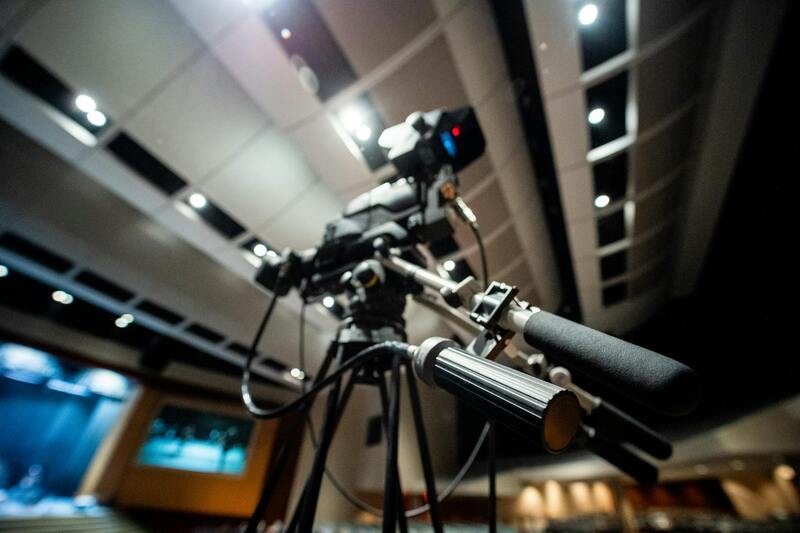
Diligent troubleshooting is vital when encountering technical issues during a live session. Common problems include audio feedback, video pixelation, or synchronization errors. Maintaining a communication channel among the technical team allows for quick dissemination of information and coordinated responses. Troubleshooting protocols should be clearly documented and rehearsed during pre-production to expedite resolution.
Adjustments during the broadcast may involve tweaking audio levels to eliminate feedback or optimizing lighting if shadows or glare become distracting. If a particular camera angle has issues, switching to a backup camera or adjusting camera settings can preserve visual continuity. Utilizing software with real-time analytics also helps detect latency or bandwidth issues, enabling corrective action.
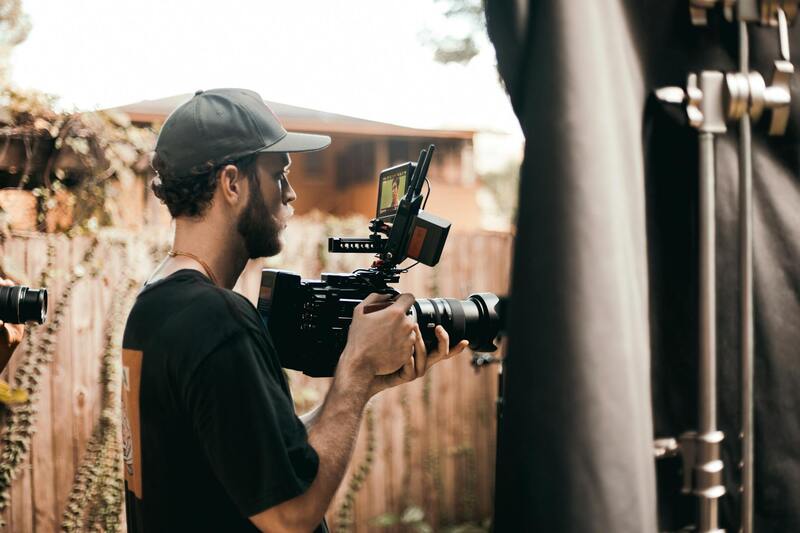
In addition to troubleshooting, setting up effective communication channels—such as dedicated headsets or chat applications—is crucial for coordination among on-set technical staff, performers, and directors. Clear communication minimizes delays in problem identification and resolution, fostering a smooth production process. Regularly updating contingency plans before the event ensures readiness for unforeseen challenges, ultimately safeguarding the production’s professionalism and viewer experience.
Executing the Live Stream: Monitoring and Troubleshooting
Throughout the live broadcast, continuous monitoring is essential to ensure that the stream remains smooth and professional. This involves overseeing multiple camera feeds, audio channels, and data transmission pathways simultaneously. Dedicated operators should watch for any signs of signal degradation, such as pixelation, lag, or audio dropouts. Real-time analytics tools display vital metrics on bandwidth usage, latency, and encoding stability, enabling immediate detection of potential issues.
Effective management of the live stream requires a proactive approach to troubleshooting. When technical anomalies occur—be it audio feedback, frozen video, or synchronization issues—quick, decisive actions are necessary. Common strategies include switching to backup feeds, adjusting encoding parameters, or temporarily disabling problematic inputs to prevent disruption. The use of redundant systems, such as backup encoders or secondary internet connections, provides extra layers of security against unexpected failures.
Communication among the production team is a cornerstone of seamless live streaming. Utilizing dedicated headsets, instant messaging apps, or control room consoles facilitates immediate exchange of information. When a technical issue arises, the technical manager or director can swiftly instruct the crew on corrective measures, minimizing viewer impact. Regular briefings before the live session help establish clear protocols and ensure all team members understand their roles in troubleshooting scenarios.
In addition, employing automation tools with built-in alerts can assist in identifying when parameters stray from set thresholds. These alerts serve as early warnings, prompting preemptive action rather than reactive fixes. Post-incident reviews are equally important; analyzing what caused disruptions and refining procedures helps improve future production resilience.
Maintaining a well-organized troubleshooting protocol, training staff on emergency procedures, and rehearsing contingency plans regularity serve to uphold high standards of broadcast quality. When technical difficulties are managed efficiently, they become less visible to viewers, thus preserving the professionalism of the live production and ensuring an engaging viewer experience.
Legal and Security Considerations in Live Video Streaming
While deploying a robust infrastructure is critical for successful live video stream production, it is equally important to address the legal and security aspects that underpin a trustworthy broadcast. Ensuring compliance with copyright regulations, data privacy laws, and content rights helps maintain integrity and avoids costly disputes. This involves verifying that all content, including music, videos, and images used during the live stream, is properly licensed or cleared for broadcast to prevent infringement issues. Additionally, safeguarding viewer information through secure data handling practices mitigates risks associated with data breaches or unauthorized access. Implementing secure streaming protocols is essential for protecting the transmission process. Many professional live streaming platforms utilize encryption standards such as Secure Real-Time Transport Protocol (SRTP) or Hypertext Transfer Protocol Secure (HTTPS) to safeguard data as it travels across the internet. These measures prevent unauthorized interception, ensuring that the stream remains confidential and tamper-proof. Content moderation plays a vital role in maintaining brand reputation and audience trust. Establishing clear guidelines on acceptable content and having moderation processes in place helps prevent the dissemination of offensive or inappropriate material. This may include real-time monitoring capabilities to swiftly address any violations that could impact the stream's integrity. Furthermore, employing digital rights management (DRM) technologies can control access to streamed content, enabling producers to restrict viewing to authorized subscribers or regions. This control promotes monetization strategies and minimizes unauthorized sharing. Producers should also consider securing their production environment from cyber threats. Regular software updates, network firewalls, multi-factor authentication, and staff training on cybersecurity best practices are crucial defenses against cyber-attacks or infiltration. Finally, documenting all legal and security procedures, regularly reviewing compliance policies, and staying informed about changing regulations ensures that live stream operations remain compliant and secure over time. These measures not only protect content and audience data but also uphold the reputation of the production team and the platform hosting the broadcast.
Understanding Live Video Stream Production
Live video stream production requires meticulous planning, precise execution, and ongoing management to deliver high-quality content that engages viewers effectively. It involves coordinating various technical elements, logistical considerations, and creative input to ensure a seamless broadcast. Success in this domain hinges on understanding the entire workflow, from pre-production preparations to post-broadcast enhancements, integrated with the use of reliable tools and methods developed specifically for professional live streaming environments.
Fundamentals of Live Video Stream Production
At its core, live stream production involves capturing live audiovisual content, transmitting it over the internet, and showcasing it to a remote audience in real time. This process demands a strong grasp of both technological components and storytelling techniques to maintain viewer interest and ensure smooth delivery. Effective production balances visual quality, audio clarity, and minimal latency, providing a broadcast experience comparable to traditional television but with the interactive potential of digital platforms.
Essential Components of a Professional Live Streaming Setup
- Cameras: High-definition cameras capable of capturing crisp visuals are fundamental. Professional-grade cameras offer features such as adjustable focus and reliable low-light performance, crucial for maintaining visual consistency throughout the broadcast.
- Video Switchers: Multi-input switchers enable smooth transitions between camera angles or sources, vital in creating engaging live content sequences.
- Audio Equipment: Clear sound enhances viewer experience immensely. Using professional microphones, audio mixers, and soundproofing ensures optimal audio quality.
- Encoding Hardware or Software: Encoding devices translate audiovisual signals into digital formats suitable for streaming. Reliable encoders prevent lag and buffering, directly affecting broadcast quality.
- Transmission Infrastructure: Stable internet connections, preferably fiber optic or bonded internet setups, provide the bandwidth necessary for high-definition streams without interruptions.
- Streaming Platforms and CDN: Content Delivery Networks (CDNs) distribute the stream efficiently, reducing latency and buffering for global audiences.
Advanced Techniques and Tools for Enhancing Live Streaming Quality
To elevate the standard of live productions, professionals employ a variety of advanced tools and techniques. These include multi-camera switching with real-time graphics overlays, scenic virtual backgrounds, and chroma key technology to simulate various environments. Additionally, audio mixers and noise suppression filters help maintain a clean and professional sound, while real-time analytics tools assess viewer engagement, allowing producers to adjust content dynamically.
Integration of Remote Interaction and Multichannel Broadcasts
Increasingly, live streams incorporate audience interaction through live chat, polls, and Q&A sessions. This interface enhances engagement and offers real-time feedback to modify the broadcast as it occurs. Multichannel broadcasting enables simultaneous streaming across various platforms—expanding reach and diversifying audience segments, which is essential for broad marketing strategies.
Conclusion
Mastering live video stream production entails combining technical expertise with creative storytelling. It involves deploying appropriate equipment, utilizing advanced broadcasting tools, and continuously refining workflows to deliver consistent, high-quality content. Professionals who master these elements can elevate their live streaming capabilities, providing engaging experiences that resonate with viewers and meet organizational objectives effectively.
Legal and Security Considerations in Live Video Streaming
When undertaking live video stream production, professionals must prioritize adhering to established procedures that ensure safety, privacy, and compliance. Implementing official methods safeguards the integrity of the broadcast while maintaining viewer trust. This encompasses strict access controls, encrypted data transmission, and comprehensive content management strategies.
Secure streaming protocols such as Secure Reliable Transport (SRT) and Real-Time Messaging Protocol (RTMP) with encryption enabled, help prevent unauthorized access and tampering during live broadcasts. Ensuring that all involved hardware and software utilize up-to-date security measures minimizes vulnerabilities. Additionally, deploying firewalls and virtual private networks (VPNs) creates secure communication channels for remote production teams.
Content rights management is a foundational element of legitimate live streaming. Authorization protocols must be in place for any copyrighted material, including music, video clips, or proprietary branding. This often involves obtaining licenses or permissions from rights holders and maintaining transparent documentation for compliance purposes.

Data privacy policies should be strictly observed, especially when collecting viewer data through interactions, registrations, or surveys. Secure storage and handling of personal information, aligned with accepted standards, help prevent breaches and misuse.
Regular training sessions for staff on security protocols and best practices further reinforce the importance of official procedures. This includes proper handling of equipment, managing access rights, and responding swiftly to any technical anomalies that could compromise the broadcast.
Furthermore, having robust contingency plans addresses unexpected disruptions like cyberattacks, network failures, or hardware malfunctions. These plans include failover protocols, backup streams, and immediate response teams ready to intervene.
By adhering strictly to proven methods for security and compliance, live video stream production can be executed smoothly, safeguarding content integrity and viewer trust.