
Understanding Livestream Video Production
Livestream video production is a comprehensive process that involves the creation and broadcast of live video content over the internet. Its core objective is to deliver real-time content to audiences across various platforms with high quality and reliability. This process encompasses several critical phases, starting from meticulous planning to technical execution, ensuring the broadcast captures the audience’s attention and meets the event’s objectives.
Fundamentally, livestream video production requires a clear understanding of the event's purpose, the target audience, and the desired outcome. This understanding shapes every aspect of the production, from setting up the appropriate infrastructure to engaging viewers during the event. The planning stage includes determining the format, setting timelines, and coordinating multiple elements such as camera work, audio quality, and visual graphics.
Key components of effective livestream production include pre-event preparations, on-site technical arrangements, and real-time management of the broadcast. Employing high-quality equipment such as professional cameras, broadcasting encoders, and sound systems is fundamental. Additionally, reliable internet connectivity is crucial to maintain seamless streaming without interruptions.
Execution during the live event involves a coordinated effort among producers, camera operators, and technical support staff. They work together to ensure the stream runs smoothly, adjusting for unforeseen issues and making real-time decisions to enhance viewer experience.
High engagement levels rely heavily on a well-orchestrated production process that ensures clarity, stability, and visual appeal of the live broadcast. Properly managed livestreams empower organizations to connect with their audiences more effectively, making each broadcast a professional showcase of content.

Planning and Pre-Production for Live Streaming Events
Effective livestream video production begins with meticulous planning and pre-production strategies that ensure a smooth and successful broadcast. This phase involves defining clear objectives for the event, understanding the target audience, and establishing key performance indicators to measure success. Content creators and organizers should develop a comprehensive outline of the event structure, including segment timing, visual themes, and transition cues.
Pre-production also encompasses technical preparations such as assessing the venue’s infrastructure, securing the necessary permits, and conducting site surveys to identify potential logistical challenges. Selecting appropriate locations that provide optimal lighting, acoustics, and backdrop settings contributes significantly to the visual quality of the stream. Additionally, detailed equipment checklists should be compiled to ensure all necessary hardware and software components are available and functioning correctly.
Creating a detailed production schedule helps align all team members, from camera operators to technical support staff. This schedule includes timelines for setup, rehearsals, and the live event itself. Conducting test runs allows teams to troubleshoot any technical issues beforehand, minimizing the risk of disruptions during the actual broadcast. This preparatory phase is crucial for calibrating audio levels, verifying internet connectivity, and coordinating camera angles for optimal coverage.
Aligning content with audience interests is also vital during pre-production. Incorporating branding elements, visual graphics, and interactive features can significantly enhance viewer engagement. If the livestream includes multiple speakers or segments, coordinating their schedules and preparing cue sheets ensures seamless transitions. The goal is to establish a cohesive flow that maintains audience interest and delivers a professional presentation throughout the event.

Investing time and resources in detailed pre-production planning ultimately leads to fewer unforeseen issues, higher quality content, and a more engaging live streaming experience. It lays the groundwork for flawless execution, allowing organizers to focus on delivering impactful content without technical distractions.
Understanding Livestream Video Production
Effective livestream video production requires meticulous planning and execution to ensure a seamless broadcast that engages viewers and delivers high-quality content. It involves a comprehensive approach that combines technological infrastructure, creative content development, and real-time management. A well-orchestrated livestream not only captures the intended message but also enhances the brand’s visibility and credibility in a competitive digital landscape.
Key to successful livestream production is the integration of various professional tools and techniques. This includes the use of multi-camera setups, advanced audio systems, and reliable streaming platforms. The technical crew must be adept at managing live feeds, switching between cameras, and maintaining audio levels to produce a polished final product. Moreover, content planning around the target audience helps tailor the stream’s presentation, pacing, and interactive elements to maximize viewer retention and engagement.
To achieve excellence in livestream production, it’s essential to understand the core components that contribute to a successful event. These encompass pre-production planning, real-time management, and post-event content handling. Each phase plays a critical role in delivering a broadcast that appears professional, is free from technical glitches, and resonates with viewers. Professionals specializing in livestream video production often leverage industry-best practices, cutting-edge technology, and strategic planning to meet these objectives effectively.
Essential Equipment and Technology for Livestreams
Choosing the right equipment forms the backbone of a successful livestream. High-definition cameras are fundamental, offering multiple angles and capturing clear visuals that elevate viewer experience. Professional-grade microphones and sound mixers are also critical to ensure crisp audio, minimizing ambient noise and echo issues that can detract from content clarity. For complex productions, switchers and vision mixers enable seamless transitions between different camera feeds, creating a dynamic and engaging presentation.
Reliable internet connectivity is paramount. Using dedicated high-bandwidth connections reduces latency and buffering, ensuring smooth data transmission throughout the broadcast. Many professionals deploy backup solutions such as secondary internet lines or cellular networks to safeguard against unforeseen disruptions. Streaming hardware like encoders compress video signals for efficient transmission and are optimized for different streaming platforms and resolutions.
Additional support tools include video switchers, teleprompters, lighting equipment, and graphics generators. These elements contribute to the overall production quality, enabling real-time overlays, branding integration, and visual effects that boost professionalism and viewer engagement. For remote or hybrid events, integrating audience interaction software and live chat features can foster direct communication, adding an interactive dimension to the livestream.
Stream Management and Optimization
Managing a livestream requires on-the-fly adjustments and real-time troubleshooting. Stream management involves monitoring multiple data points, such as the stability of the internet connection, server load, and video quality metrics. Software dashboards provide live feedback, allowing operators to identify and address issues promptly to minimize viewer impact.
Optimization strategies include pre-broadcast testing, adjusting bitrates based on network conditions, and employing adaptive streaming techniques that automatically modify quality levels for viewers with varying internet speeds. These measures help maintain a consistent viewing experience, reducing interruptions and quality degradation that could frustrate audiences.
Furthermore, deploying Content Delivery Networks (CDNs) helps distribute streams efficiently to viewers across different geographical regions. CDNs minimize latency and buffering, particularly during large-scale broadcasts with significant viewer numbers. Collaborating with experienced livestream service providers in Miami ensures that all technical aspects—from encoding to distribution—are handled professionally, guaranteeing a high-quality output that aligns with brand standards and viewer expectations.
On-Site Production Setup and Execution
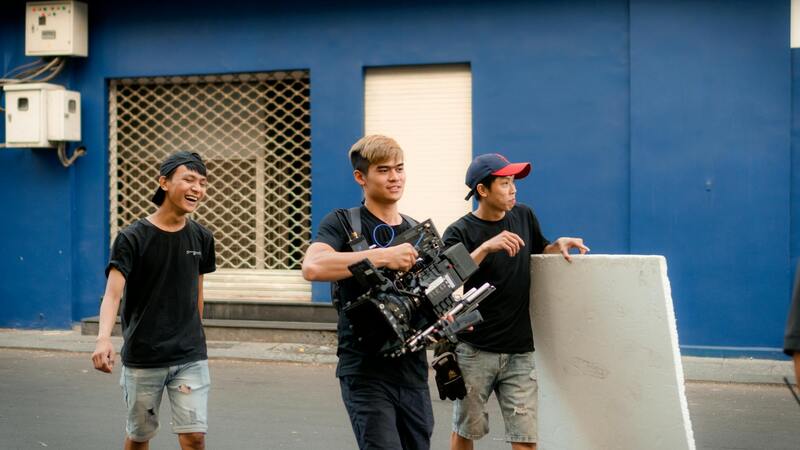
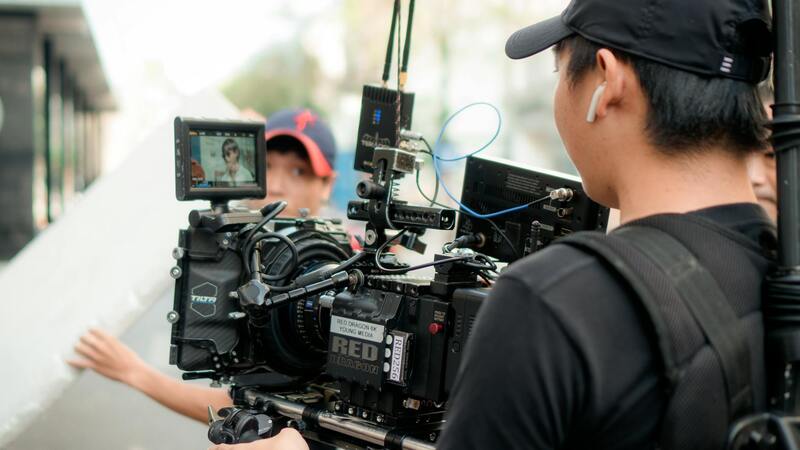
Executing a successful livestream requires meticulous on-site preparation and a seamless setup process. This involves establishing a reliable workflow that encompasses camera placement, audio configuration, lighting arrangements, and signal flow management. Proper positioning of cameras ensures comprehensive coverage of the event, with angles that highlight key moments and speakers, creating an engaging visual experience for viewers. Multiple camera feeds may be utilized, with professional switchers to seamlessly transition between shots, maintaining a dynamic and polished broadcast.
Audio quality is equally critical; employing high-quality microphones and mixing consoles guarantees clear sound, minimizes background noise, and accommodates multiple speakers or live performances. Lighting setups should be tailored to the environment, ensuring all participants are well-lit without causing glare or shadows, which can detract from the visual quality. A dependable power supply and backup systems are essential to prevent interruptions caused by electrical failures.
During the event, a dedicated technical team monitors all streams, manages camera switching, adjusts audio levels, and ensures graphics or overlays are integrated smoothly. Transition cues, such as lower thirds, logos, or countdown timers, contribute to a professional presentation. Consistent communication among crew members helps anticipate and resolve technical issues swiftly, avoiding disruptions that could impact viewer experience.
Implementing redundancy measures, such as backup cameras and multiple internet connections, enhances the robustness of the broadcast. Testing all equipment thoroughly beforehand reduces potential technical glitches during the live event. This preparation fosters confidence among production staff and ensures the livestream runs seamlessly from start to finish.
Overall, the on-site setup forms the backbone of professional livestream video production. Precision in equipment configuration, execution, and coordination ensures that the final broadcast is clean, engaging, and aligned with the event’s objectives, making a lasting impression on viewers nationwide or globally.
Advanced Techniques for Enhancing Livestream Quality
To elevate the production value of live streaming events, integrating advanced techniques is crucial. These methods include multi-camera setups, professional-grade audio, real-time graphics, and synchronized transitions that create a cohesive viewing experience. Utilizing high-resolution cameras with zoom capabilities ensures detailed visuals, especially for events that feature multiple stages or speakers. Moreover, employing consistent framing and dynamic shot composition can make the stream more visually appealing.
Incorporating graphics, lower thirds, and overlays seamlessly into the live feed can highlight key information, sponsor branding, or speaker identification without disrupting the viewer's experience. Transition effects, such as fade-ins and wipes, lend a professional polish, making the broadcast appear polished and well-produced.
Ensuring high audio fidelity is equally important, with professional microphones, audio mixers, and real-time sound balancing helping to deliver clear narration and music. Use of wireless microphones or lavalier mics allows mobility for hosts and participants, contributing to dynamic coverage.
Implementing real-time monitoring and feedback systems enables the production team to swiftly address issues as they arise. For instance, software solutions for latency management, encoding, and stream optimization contribute to minimizing buffering and lag, providing viewers with smooth playback.
Leveraging Technical Support and IT Infrastructure
Robust IT infrastructure underpins successful live streaming. This involves multiple internet connections, including wired and wireless links, to ensure reliable bandwidth. Load balancing and failover systems are vital for maintaining stream stability amidst network fluctuations.
Technical support teams should conduct comprehensive pre-event testing, covering all equipment, internet connectivity, and streaming platforms. During the event, constant monitoring facilitates quick responses to technical difficulties, with backup protocols ready to activate if primary systems encounter failure.
Integration of Interactive Elements to Boost Viewer Engagement
Embedding interactive components such as live polls, Q&A sessions, and social media integration encourages active participation from viewers. Such features not only enhance engagement but also provide real-time feedback valuable for event adjustments.
Employing dedicated moderation teams for chat management ensures a positive environment, filtering inappropriate comments and highlighting pertinent questions to speakers. Using multimedia tools like on-screen graphics, shared screens, and video clips complement the live content, making the stream more dynamic and engaging.

Implementing Secure Video Streaming Methods
Authentic live streaming relies heavily on employing secure protocols to prevent unauthorized access and ensure the integrity of the broadcast. Utilizing secure streaming protocols like Real-Time Messaging Protocol (RTMP) over Secure Sockets Layer (SSL) encrypts the data in transit, reducing the risk of interception or tampering. This is particularly crucial for content that involves sensitive information or proprietary material.
Content Delivery Networks (CDNs) play a vital role in live streaming by distributing the stream across multiple servers geographically dispersed. This not only reduces latency and buffering but also enhances security by mitigating Distributed Denial of Service (DDoS) attacks. A CDN with robust security features ensures that streaming data remains protected against malicious activities, providing a reliable delivery framework that maintains high-quality viewing experiences.
Implementing Digital Rights Management (DRM) solutions further safeguards live content from unauthorized redistribution or recording. DRM systems control how viewers access and share streamed content, enforcing usage policies and preventing piracy. When integrated with secure streaming protocols and CDNs, DRM provides a comprehensive approach to content security.

Monitoring and Quality Assurance During Live Streams
Active monitoring during a livestream allows production teams to identify and rectify issues instantly. Utilizing dedicated software dashboards that track real-time metrics such as bandwidth, bitrate, latency, and viewer engagement is essential. This real-time data helps detect irregularities, such as sudden drops in quality or signal disruptions, enabling immediate corrective actions.
Quality assurance measures involve pre-event testing to verify all equipment functions properly and that stream settings are optimized for stable delivery. During the event, continuous checks on audio and video synchronization, clarity, and stream stability are conducted. In case of technical disturbance, predefined protocols—such as switching to backup feeds or rerouting internet connections—are implemented swiftly.
Employing a dedicated technical support team ensures consistent oversight throughout the live session. This team handles troubleshooting, manages bandwidth allocation, and ensures proper integration of all streaming components, thus minimizing downtime and delivering a seamless viewer experience.
Implementing Effective Content Security Measures
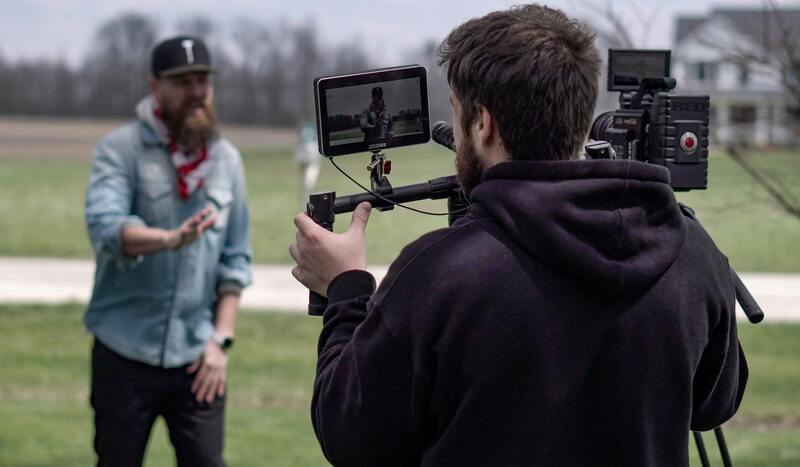
Securing livestream content requires adherence to best practices that leverage advanced technological solutions. One of the most reliable methods involves utilizing digital rights management (DRM) systems, which control access to live streams and prevent unauthorized redistribution. These systems employ encryption techniques that restrict content viewing to authenticated users, ensuring that only permitted audiences can access the stream within designated parameters.
Additionally, integrating encryption protocols such as Secure Real-Time Transport Protocol (SRTP) and Transport Layer Security (TLS) fortifies data transmission, making interception by malicious actors significantly more difficult. When combined with Content Delivery Networks (CDNs) that support secure streaming, this layered approach creates a robust environment for content protection, effectively deterring piracy and unauthorized copying.
Implementing digital watermarking provides another layer of security, embedding invisible identifiers within the video stream. These markers can help trace leaks back to the source, serving as a deterrent against unauthorized sharing. Coupled with strict access controls and user authentication measures—including multi-factor authentication and session timeouts—these methods form a comprehensive security infrastructure.
Content security isn't solely about technology; operational policies are equally important. Developing clear guidelines on stream access, monitoring for suspicious activity, and establishing protocols for handling breaches can significantly mitigate risks associated with live streaming. Regular audits and security assessments ensure that measures remain effective against evolving threats.
By adopting these secure practices, event organizers and content creators can confidently broadcast live events, knowing their material is well-guarded against unauthorized access and distribution. This not only preserves the integrity of the content but also maintains compliance with distribution policies and licensing agreements, fostering trust with viewers and rights holders alike.
Advanced Security Measures in Livestream Video Production
As live streaming becomes an integral part of digital content distribution, implementing robust security protocols is essential to protect intellectual property and maintain trust with clients and audiences. While technological solutions form the core of security strategies, operational policies and best practices also play a critical role.

Secure Streaming Protocols and Digital Encryption
Utilizing cutting-edge streaming protocols such as Secure Reliable Transport (SRT) and Real-Time Messaging Protocol (RTMP) with encryption capabilities helps prevent interception of video feeds during transmission. These protocols encrypt data streams, making them unreadable to unauthorized viewers and reducing the risk of content theft.
Content Delivery Networks (CDNs) with Security Features
Integrating your live stream with a CDN that supports access controls and geofencing streamlines content delivery while adding layers of security. CDNs can enforce restrictions based on IP addresses or geographic locations, ensuring that only authorized viewers can access the stream.
Digital Watermarking and Tracking
Embedding invisible digital watermarks within livestream content allows for the tracking of leaks or unauthorized sharing. These watermarks are difficult to detect, yet provide identifiable information that can help trace the source of any security breaches, serving as both a deterrent and a means of forensic analysis.
User Authentication and Access Control
Employing multi-factor authentication (MFA) and personalized login credentials ensures only authorized viewers can access live streams. Structured session management with timeout controls and real-time monitoring of access activity can further prevent unauthorized access and identify suspicious behavior promptly.
Operational Policies and Staff Training
Developing comprehensive operational policies that specify access rights, incident response plans, and content handling procedures enhances security posture. Regular training for staff involved in live streaming ensures they are aware of potential threats, security protocols, and response strategies, minimizing human error risks.
Regular Security Assessments and Updates
Performing periodic security audits and vulnerability assessments helps identify potential weaknesses in the streaming infrastructure. Keeping software, hardware, and security protocols up-to-date ensures resilience against emerging threats, safeguarding live content at all times.
Dedicated Security Infrastructure
Employing firewalls, intrusion detection systems (IDS), and data loss prevention (DLP) tools creates a fortified environment for live streaming. Strategically configuring these tools to monitor traffic, block suspicious activity, and prevent data exfiltration ensures continuous protection against cyber threats.
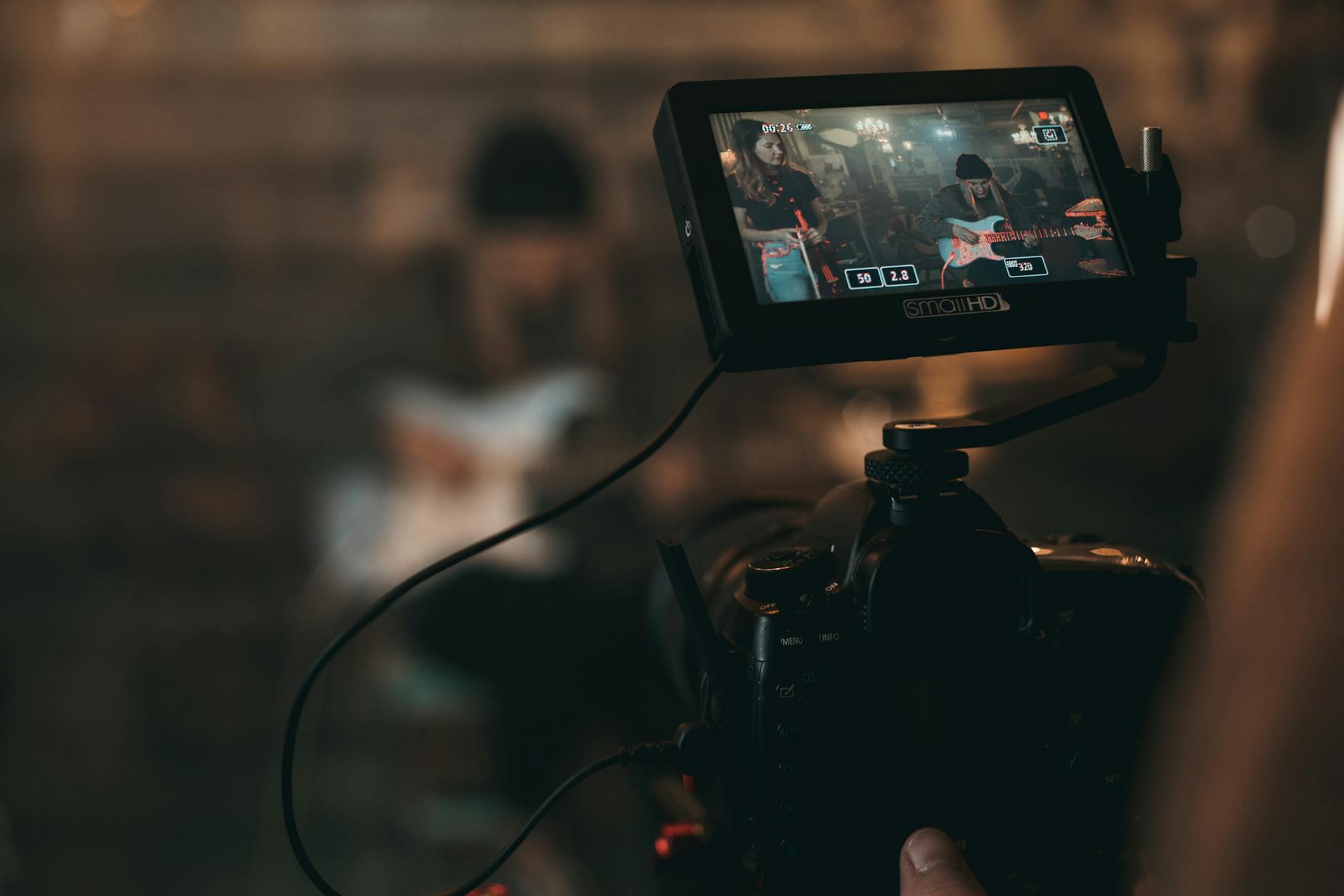
Adopting an integrated security approach that combines technological safeguards with operational controls ensures the continuity and integrity of livestream video content. Such comprehensive measures foster a resilient streaming environment capable of deterring unauthorized access and preserving content rights in an increasingly digital landscape.