
Overview of Live Streaming Services
Live streaming services have become an essential component of modern media and event management. They enable real-time broadcasting of events, conferences, performances, and corporate communications to audiences around the globe. For businesses and organizations operating within Miami, leveraging professional live streaming solutions enhances their outreach and engagement, providing seamless content delivery across multiple platforms and devices.
In the vibrant and diverse Miami market, live streaming services facilitate a wide range of applications—from high-profile concerts and sports events to corporate town halls and community festivals. They allow organizers to reach remote audiences without compromising quality or reliability, ensuring that viewers experience events as if they were physically present. As live content continues to drive audience interaction, using expert services ensures smooth operations, high-definition video output, and minimal latency during broadcasts.

Providing robust live streaming solutions also supports brand visibility and marketing efforts, helping institutions connect with target demographics and expand their digital footprint. With Miami’s dynamic event scene and growing digital landscape, establishing a partnership with a professional live streaming services company becomes a strategic move to unlock new levels of audience engagement and event success.
In this highly competitive environment, ensuring a stable and high-quality broadcast is paramount. Live streaming services encompass everything from video capture and encoding to streaming infrastructure and viewer analytics. By choosing a reputable company, organizations ensure their content is delivered efficiently and professionally, reinforcing their reputation and expanding their reach within Miami and beyond.
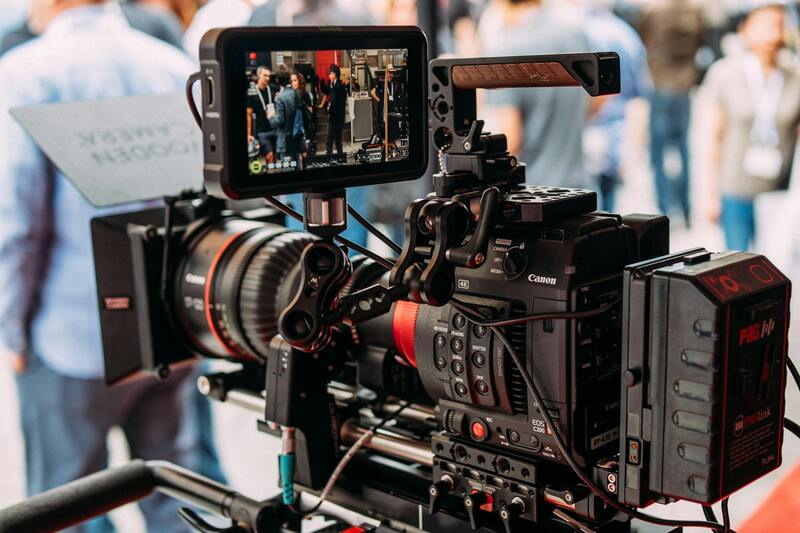
As the demand for live content continues to grow, Miami-based live streaming services companies are expanding their technologies and expertise to meet diverse client needs. This evolution involves adopting cutting-edge solutions that support 4K resolution, multi-camera productions, interactive features, and audience engagement tools. Thus, understanding the scope and capabilities of such services is crucial for organizations looking to maximize their event impact and audience reach in the vibrant Miami scene.
Types of Live Streaming Solutions
Live streaming companies in Miami employ a variety of solutions tailored to meet diverse client needs and event specifications. These options range from basic single-camera streams suitable for small conferences to complex multi-camera setups integral to large-scale productions and broadcasts. The choice of solution impacts the overall quality, interactivity, and viewer engagement levels.
Among the most prevalent formats are linear live streams, which deliver real-time content with minimal delay and are ideal for linear programming, such as concerts or sports matches. Adaptive streaming technologies, such as HLS (HTTP Live Streaming) and CMAF (Common Media Application Format), allow for seamless viewing across devices by dynamically adjusting quality based on the viewer’s bandwidth. This ensures a smooth experience whether accessed via smartphones, tablets, or desktop computers.
Furthermore, certain Miami-based live streaming services incorporate platforms that facilitate on-demand content alongside live broadcasts, providing greater flexibility for content delivery. Social media integration also plays a significant role, allowing content to be simultaneously broadcast across multiple channels like Facebook Live, YouTube Live, or specialized streaming platforms that support broader audience engagement.
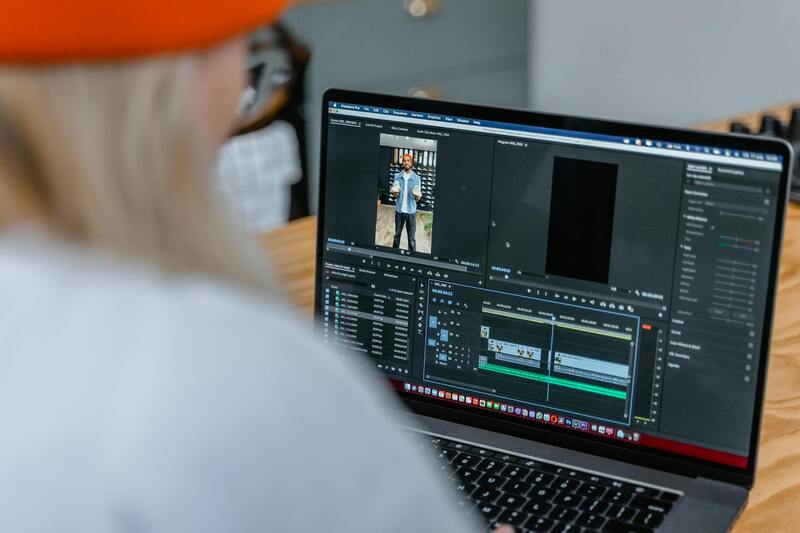
In terms of technology, providers often utilize cloud-based streaming infrastructures to ensure scalability and reliability, especially for large audiences. These systems enable real-time encoding, transcoding, and distribution, reducing latency and optimizing broadcast quality. Additionally, the integration of interactive features such as live polls, chat modules, and multi-view options enhances viewer participation, making streams more immersive and engaging.

Custom solutions are also available, including virtual event platforms that combine live streaming with virtual networking environments, allowing participants to interact in real time, access breakout rooms, and engage with speaker sessions. These comprehensive services are vital for conferences, trade shows, and corporate events aiming to create dynamic online experiences.
Ultimately, selecting the appropriate live streaming solution involves evaluating the scale of the event, expected audience size, desired interactivity, and technical infrastructure. Working with a professional Miami-based provider ensures that each component—from encoding to delivery—is aligned with the event’s specific goals and audience expectations, resulting in a polished and impactful live broadcast.
Overview of Live Streaming Services
Live streaming services have become an essential component for organizations seeking to broadcast events to a wide audience in real time. These services involve the transmission of live video and audio content over the internet, allowing viewers to experience events as they happen, regardless of their location. In Miami, a vibrant hub for entertainment, corporate events, and cultural programs, professional live streaming providers offer comprehensive solutions that cater to diverse needs. These include high-quality video encoding, adaptive bit rate streaming for varying internet speeds, and robust distribution networks that ensure seamless delivery of content across multiple devices such as smartphones, tablets, desktops, and smart TVs. By leveraging advanced cloud-based platforms, these companies achieve scalability, enabling them to manage large audiences without compromising stream quality. Moreover, integration of interactive features enhances engagement—viewers can participate via chat, polls, and Q&A sessions—making online events more dynamic and participatory.
Types of Live Streaming Solutions
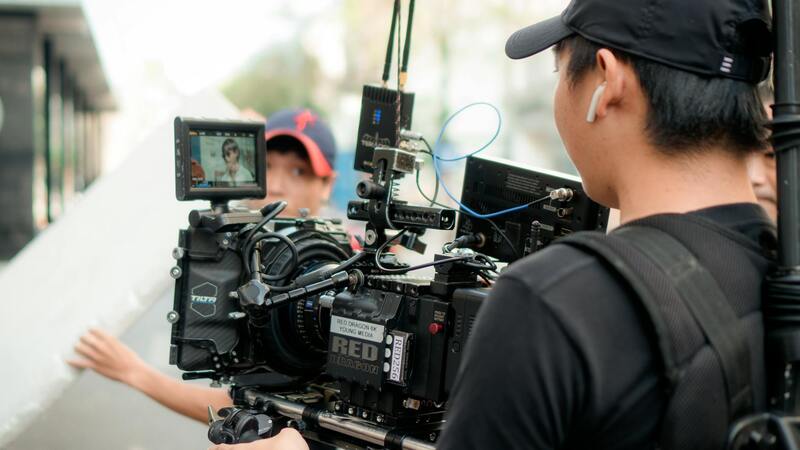
- Event-Specific Streaming: Designed for conferences, concerts, sports, and festivals, these solutions focus on delivering high-resolution streams with minimal latency, often integrating multi-camera feeds and real-time graphics.
- Virtual Event Platforms: These combine live broadcasting with interactive virtual environments, allowing participants to navigate virtual booths, attend breakout sessions, and network in real time.
- Institutional and Corporate Solutions: Tailored for business webinars, product launches, and shareholder meetings, these include secure streaming options, attendee management, and post-event analytics.
- On-Demand Streaming: While not live in nature, these services facilitate the storage and later access of streamed content, often bundled with live events for broader reach and promotional purposes.
Key Components of Professional Live Streaming Hardware and Software
Providers in Miami utilize a combination of high-end hardware and sophisticated software to deliver dependable streaming services. This includes professional-grade cameras capable of capturing multiple angles, audio mixers for crystal-clear sound, and encoders that convert raw footage into digital streams compatible with internet delivery platforms. Software tools for live editing, graphics overlay, and real-time broadcasting management are also critical for producing polished presentations. Additionally, content delivery networks (CDNs) play a vital role in minimizing buffering and ensuring content reaches viewers simultaneously across the globe. The use of backup systems and redundant infrastructure enhances reliability, especially during high-stakes events. The combination of top-tier equipment and robust software solutions facilitates professional-grade live streams that meet the expectations of clients requiring high-quality content delivery.
Benefits of Partnering with a Miami-Based Live Streaming Company
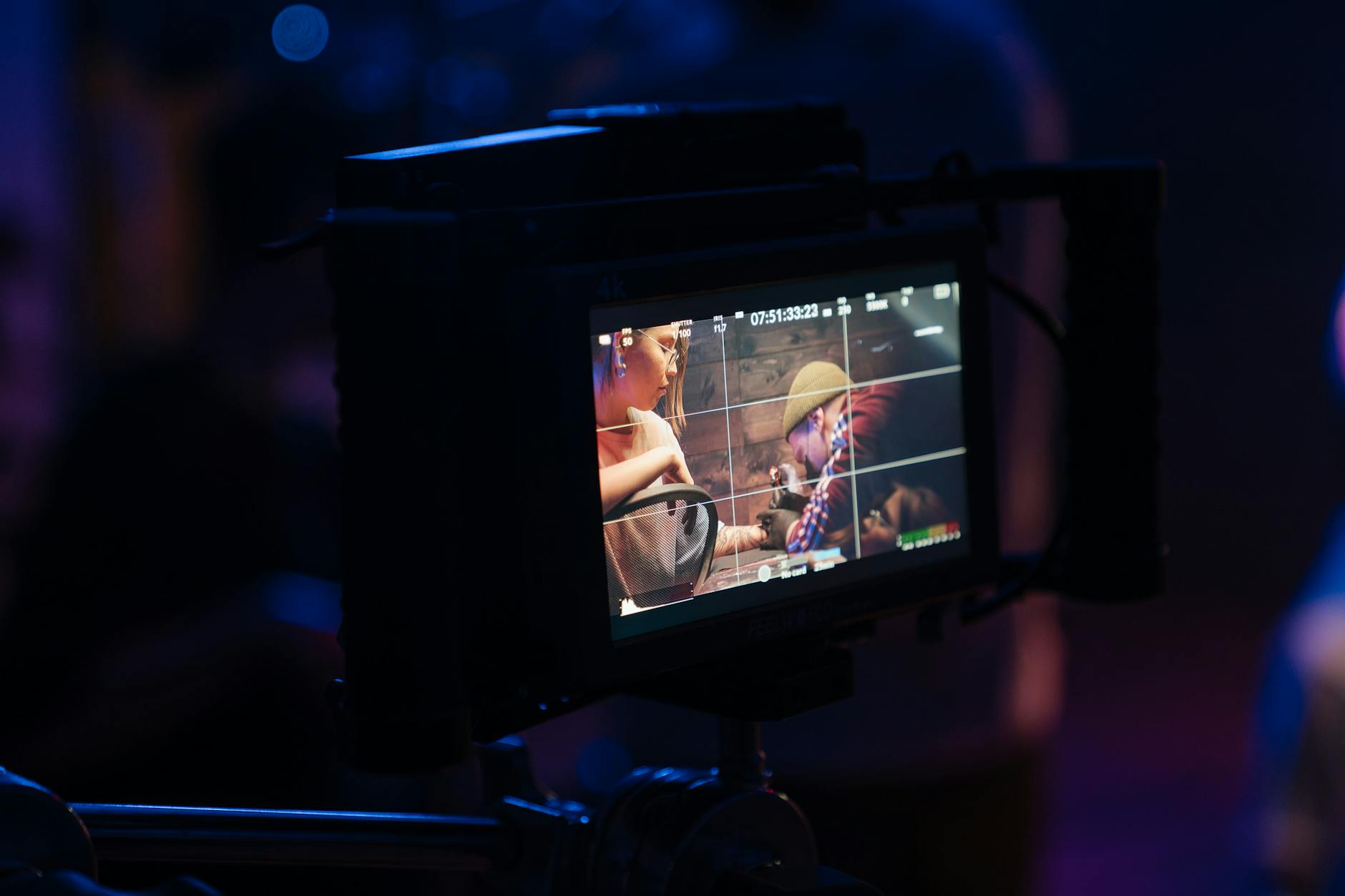
- Local Expertise: In-depth understanding of Miami’s event landscape ensures customized solutions aligned with regional audience preferences and logistical needs.
- Enhanced Support and Accessibility: Easy collaboration with local technical teams allows for quick troubleshooting and onsite assistance during live events.
- Networking Opportunities: Partnering locally opens doors to a broad network of event organizers, venues, and industry professionals within Miami and its environs.
- Cost-Effectiveness: Reduced travel and logistics costs associated with hiring local providers directly impact budget management for events.
- Time-Sensitive Deployment: Closer proximity translates to faster setup and deployment, crucial for time-bound projects or last-minute broadcasts.
Common Use Cases in Miami Events and Productions
- Music and Cultural Festivals: Broadcasting Miami’s vibrant music scene and cultural festivals to global audiences.
- Corporate Conferences: Hosting large-scale business summits and product launches with integrated live feeds.
- Sports Events: Streaming local sports tournaments, community races, and college games to fans both locally and internationally.
- Religious Services: Live broadcasting of church services and community gatherings, fostering broader participation.
- Educational Programs: Supporting virtual classrooms, university lectures, and professional training sessions to reach wider student and participant groups.
Cost Factors and Pricing Models
Pricing for live streaming services varies depending on several key factors. These include the duration of the broadcast, resolution quality, interactivity features, and the complexity of the production setup. Standard packages often include basic streaming capabilities, while premium options incorporate high-definition output, multi-camera feeds, custom graphics, and interactive tools. Subscription-based models are common, offering fixed monthly or yearly fees that cover a set number of events or streaming hours. Pay-as-you-go options provide flexibility for sporadic or one-off events, charging based on actual usage. Additional costs may arise from equipment rentals, professional staffing, and post-production editing if included. Working with a Miami-based provider allows clients to receive transparent pricing tailored to their event scale, ensuring budget adherence and optimal resource allocation.
Technologies and Equipment Used in Professional Live Streaming Services
Execution of high-quality live streaming requires a sophisticated blend of hardware, software, and network infrastructure. At the core are durable broadcasting cameras, which can range from professional-grade 4K sensors to crane-mounted rigs for dynamic shots. These cameras are often complemented by switchers and mixers that enable seamless transitions between multiple video sources, enhancing the viewer’s experience and ensuring professional production standards.
Sound quality is equally vital for engaging live streams. High-definition audio equipment, including professional microphones, mixers, and wireless systems, are employed to capture clear, natural sound. Proper audio management ensures that commentary, live audience reactions, or environmental sounds enrich the broadcast without distracting noise or interference.

Networking plays a critical role in live streaming. Reliable, high-bandwidth internet connections are essential to support the transmission of high-resolution video feeds without lag or buffering. To mitigate disruptions, many providers utilize dedicated fiber optic lines or bonded internet solutions that aggregate multiple sources for maximum stability. Additionally, Content Delivery Networks (CDNs) are employed to distribute data across various servers, ensuring smooth viewing experiences worldwide and reducing latency issues.
On the software side, streaming platforms and encoder technologies facilitate real-time encoding of video and audio signals into formats suitable for internet delivery. Software like OBS Studio, Wirecast, or vMix are common choices, offering features such as multi-camera switching, graphic overlays, and real-time analytics to enhance production quality. These tools, combined with automated scheduling, teleprompter integrations, and audience engagement features, elevate the professionalism of live streams.
Equally important are auxiliary devices such as wireless transmitters, portable encoders, and power backup systems to ensure uninterrupted service during live events. Professional setups often include redundant systems and emergency protocols to handle unexpected technical issues, safeguarding the event’s success regardless of potential challenges.
Overview of Live Streaming Services
Live streaming services have revolutionized the way organizations, businesses, and event organizers reach their audiences. These services facilitate real-time broadcasting of events, conferences, concerts, and corporate presentations over the internet, allowing viewers to participate from anywhere worldwide. A typical live streaming solution involves capturing video and audio feeds, encoding them into digital formats, and transmitting them via a robust content delivery network (CDN) to viewers’ devices. The goal is to deliver high-quality, uninterrupted streams that engage the online audience effectively. When selecting a live streaming services company, it is essential to consider their experience with various event types, the range of technical solutions they offer, and their ability to tailor services to meet specific client needs.

Types of Live Streaming Solutions
Different live streaming solutions cater to diverse event requirements. These include:
- Basic Webcast Streaming: Suitable for small to medium-sized audiences, often using simple setups that rely on a single camera and basic streaming software.
- Multi-Camera Broadcasts: Designed for productions needing multiple camera angles, switching, and professional production workflows, ideal for conferences or concerts.
- Simulcast Streaming: Distributes content across multiple platforms simultaneously, increasing reach and engagement across social media and dedicated portals.
- On-Demand Playback: Offers viewers access to recorded streams after the event, providing extended value and content longevity.
- Private and Secure Streaming: Ensures sensitive content is protected through password protection, encryption, or geo-restrictions, suitable for corporate meetings or confidential presentations.

Factors to Consider When Choosing a Live Streaming Company
When selecting a provider for live streaming services, it is vital to evaluate several key aspects to ensure the success of your broadcast. Here are primary considerations:
- Technical Expertise and Experience: Look for companies with a proven track record of managing live streams for similar events. Their expertise will help mitigate unforeseen challenges and ensure smooth operation.
- Equipment and Technology: A reputable provider should utilize state-of-the-art streaming hardware, encoders, and software platforms. Advanced technology ensures high-resolution videos with minimal latency.
- Network Reliability: Since uninterrupted internet connectivity is critical, confirm that the company employs dedicated fiber optic lines, bonded internet, or redundant systems to prevent disruptions during live events.
- Customization Capabilities: The ability to tailor streaming workflows, graphics, overlays, and audience interaction features enhances production quality and viewer engagement.
- Support and Customer Service: On-demand technical support during the event is essential. A focused support team can troubleshoot issues swiftly, minimizing downtime.
- Scalability and Flexibility: The provider should have scalable solutions that grow with your needs, accommodating larger audiences or more complex production elements as required.
- Pricing Structure: Transparent pricing models, whether fixed or based on viewer count or duration, help in accurately budgeting for your event.
- Post-Event Services: Consider whether the company offers analytics, recordings, and on-demand content management to extend reach beyond the live event itself.
Technologies and Equipment Used
In the realm of professional live streaming, the infrastructure combines hardware and software components to produce broadcast-quality content. High-performance cameras, often in 4K resolution, form the core of the video acquisition process. These are paired with professional-grade audio mixers and microphones to ensure crystal-clear sound. Signal transmission is managed through encoders – either hardware-based or software solutions like OBS Studio, Wirecast, or vMix – which convert raw signals into internet-friendly formats.
Network stability is maintained via dedicated internet connections, with some providers utilizing bonded connections that aggregate multiple sources to prevent lag or buffering. Auxiliary devices such as wireless transmitters, portable encoders, and uninterrupted power supplies (UPS) provide redundancy, ensuring seamless transmission even during power fluctuations or technical issues. The integration of Content Delivery Networks (CDNs) distributes content globally, minimizing latency and buffering for viewers regardless of their location.
Visual overlays, graphical elements, and real-time analytics are integrated into the streaming process to enhance viewer engagement and provide valuable insights. Automated scheduling and teleprompter tools streamline production workflows, making complex events manageable without sacrificing quality.
Benefits of Partnering with a Miami-Based Live Streaming Company
Collaborating with a Miami-based live streaming services provider offers distinct advantages for organizations looking to maximize their event’s impact and reach. These companies bring localized expertise, understanding of regional audience preferences, and connectivity advantages that can significantly enhance your broadcast quality. A Miami-based firm typically has established relationships with local venues, equipment rental companies, and technical staff, reducing logistical challenges and streamlining production workflows.
Moreover, partnering with a locally situated company ensures more responsive support during live events. Quick troubleshooting and real-time technical adjustments are critical for maintaining broadcast quality, especially during high-stakes occasions such as corporate launches, sports events, or religious ceremonies. The proximity also facilitates on-site presence, allowing for customized setups and immediate adaptation to venue-specific requirements.

Choosing a Miami-based provider often translates into cost efficiencies. Local providers typically have lower travel and logistics expenses, which can be reflected in their pricing structures. They also maintain robust local infrastructure, ensuring reliable internet connections and quick deployment of necessary technology. This enables high-quality streaming even in challenging environments where bandwidth consistency might be a concern.
Additionally, Miami’s vibrant event scene benefits from providers who are well-versed in the city’s unique cultural and business context. Whether hosting a luxury corporate event, a live concert, or a religious gathering, local expertise ensures that the streaming content aligns with audience expectations and event branding. These firms can tailor solutions that incorporate region-specific graphical overlays, language options, and interactive features that resonate with the local viewer base.
Furthermore, partnering with a Miami-based company supports local economic growth and creates opportunities for ongoing collaborations in future projects. Regular clients often benefit from personalized service, flexible scheduling, and the ability to incorporate last-minute changes seamlessly. Over time, these relationships can lead to innovative production techniques and expanded service offerings, elevating the overall quality and engagement of your live streaming broadcasts.
Overview of Live Streaming Services
Live streaming services have become an essential component of modern event broadcasting, offering seamless real-time content delivery to audiences worldwide. These services enable organizations, broadcasters, and event organizers to reach viewers instantly, regardless of geographical barriers, fostering greater engagement and interaction. By utilizing advanced video technology, reliable internet infrastructure, and expert technical teams, live streaming companies ensure high-quality delivery that meets the demanding expectations of diverse audiences.
Nothing compares to the immediacy and vibrancy of live content, which is why businesses and event professionals increasingly turn to specialized providers to handle the complexities involved. From multi-camera setups and professional audio systems to adaptive streaming technology that adjusts quality based on viewer bandwidth, top-tier providers focus on delivering pristine, uninterrupted streams. They also facilitate interactive features such as live chat, polls, and real-time feedback, enriching the viewer experience and encouraging active participation.
Types of Live Streaming Solutions
- Event Streaming: Covering seminars, conferences, concerts, and sports events in real-time, often with multi-camera configurations and professional directing.
- Webinars and Virtual Conferences: Interactive sessions with audience participation, Q&A features, and breakout rooms, tailored for corporate communications and educational purposes.
- Corporate Broadcasts: Company announcements, product launches, and press conferences streamed directly to stakeholders and customers.
- Religious and Community Events: Streaming church services, community gatherings, and cultural festivals to expand reach and engagement among local and remote audiences.
- Social Media Live: Content optimized for platforms like Facebook, Instagram, and YouTube, designed for maximum visibility and audience interaction.
Factors to Consider When Choosing a Live Streaming Company
Selecting the right provider involves assessing several critical aspects to ensure the success of your broadcast. Key considerations include:
- Technical Expertise: The company's experience with various event types and their proficiency in managing complex setups are vital for smooth execution.
- Infrastructure and Equipment: State-of-the-art cameras, encoders, and backup systems guarantee high-quality output and minimize disruptions.
- Reliability and Bandwidth: A robust internet connection and contingency plans for potential technical failures are crucial for uninterrupted streaming.
- Customization and Support: Flexibility to tailor the streaming experience to your branding needs and dedicated technical support throughout the event.
- Pricing and Contract Terms: Transparent pricing structures and clear service level agreements (SLAs) help in aligning expectations and budget planning.
Technologies and Equipment Used
Modern live streaming relies heavily on advanced technology to ensure consistency and quality. Equipment typically includes professional-grade cameras capable of delivering high-definition footage, switchers for real-time multi-camera production, and encoders that convert video signals into streams suitable for the internet. Reliable streaming servers and content delivery networks (CDNs) distribute the content efficiently, reducing latency and buffering issues. Additionally, audio equipment such as microphones, mixers, and wireless systems help maintain pristine sound quality. These components are integrated with cutting-edge software solutions for live editing, graphic overlays, and viewer interaction management.
Benefits of Partnering with a Miami-Based Live Streaming Company
Collaborating with a Miami-based live streaming company offers distinct advantages grounded in regional expertise and infrastructure. Local providers possess an intimate understanding of Miami’s vibrant event landscape, allowing them to adapt services specifically to the cultural and logistical nuances of the area. Their established network of reliable internet providers and venues ensures seamless connectivity, even in venues with challenging bandwidth conditions. Moreover, proximity facilitates quicker deployment, face-to-face consultations, and on-site support, which are crucial for complex or high-profile events. Businesses benefit from personalized service, quicker response times, and the ability to make last-minute adjustments, which can significantly enhance the overall broadcast quality and audience engagement.
Common Use Cases in Miami Events and Productions
Miami’s dynamic event scene encompasses a broad spectrum of live streaming applications, including:
- Luxury corporate events such as galas, product launches, and investor meetings, where high-quality streaming enhances brand prestige.
- Music festivals and concerts held in iconic venues, reaching audiences both locally and globally.
- Religious gatherings, including church services and spiritual retreats, expanding community access.
- Sports tournaments and athletic competitions, providing real-time coverage for fans unable to attend in person.
- Urban cultural festivals celebrating Miami’s diverse heritage, often utilizing regional language options and locale-specific graphics to foster inclusivity.
Overview of Live Streaming Services
Live streaming services have become an integral part of contemporary media distribution, enabling real-time broadcasting of events, conferences, performances, and more to audiences worldwide. These services combine high-speed internet connectivity, advanced encoding hardware, and robust content delivery networks to ensure a seamless viewing experience. When working with a professional live streaming services company, clients gain access to a comprehensive suite of solutions tailored to meet specific event needs, whether that involves multi-camera setups, high-definition broadcasting, or interactive viewer engagement features. A reliable provider ensures stable streams, minimal latency, and optimal image quality, making live streaming an effective method to expand reach and elevate event profiles.
Types of Live Streaming Solutions
Varieties of live streaming options range from simple single-camera broadcasts suitable for small seminars to complex multi-camera productions for large-scale events. These solutions typically include:
- Event Streaming: Covering corporate conferences, product launches, and special occasion broadcasts with customizable overlays and branding.
- Webcast Channels: Continuous streaming channels for ongoing content, educational series, or religious services.
- Interactive Live Streaming: Incorporating viewer engagement tools such as live chats, polls, and Q&A sessions to foster community interaction and feedback.
- On-Demand Content Integration: Combining live streams with recorded content for a comprehensive content distribution strategy.
Factors to Consider When Choosing a Live Streaming Company
Selecting the right live streaming partner involves evaluating multiple key aspects. These include their technical expertise, experience within your specific event niche, and their ability to provide customized solutions. Connectivity options are crucial, as stable high-bandwidth internet access is fundamental to quality streams. A dependable provider should also possess advanced encoding hardware capable of delivering high-resolution streams, even in venues with limited infrastructure. Furthermore, assessing their on-site support capabilities, contingency plans for technical issues, and their familiarity with local venues in Miami can substantially impact the final broadcast quality. Client testimonials and past project portfolios serve as valuable indicators of their reliability and professionalism.
Technologies and Equipment Used
Leading live streaming companies employ an array of cutting-edge technologies to deliver impeccable quality and reliability. Key hardware includes professional-grade video cameras, switchers, and audio equipment, complemented by encoders optimized for high-definition broadcast. Software platforms facilitate real-time editing, graphic overlays, and multi-camera switching, ensuring dynamic production quality. Streaming is typically delivered through Content Delivery Networks (CDNs), which distribute content efficiently to global viewers, reducing buffering and latency. Moreover, advancements such as 4K Ultra HD streaming, HDR imaging, and adaptive bitrate technology enable high-quality viewing experiences tailored to the viewer's bandwidth capabilities.
Benefits of Partnering with a Miami-Based Live Streaming Company
Collaborating with a live streaming services company based in Miami offers distinct advantages. Proximity enables quicker deployment and on-site presence, which is critical for time-sensitive or high-profile events. Local companies are acutely attuned to Miami’s unique event landscape, from its diverse cultural festivals to high-profile corporate functions, allowing for tailored solutions that resonate with regional audiences. Additionally, a local provider can leverage established relationships with venues, internet providers, and technical crews to ensure seamless connectivity. This regional expertise often translates into smoother event execution, immediate troubleshooting, and personalized customer service, ultimately enhancing the overall broadcast experience for clients and viewers alike.
Common Use Cases in Miami Events and Productions
Miami’s lively event industry encompasses a broad spectrum of live streaming applications, including:
- Luxury corporate events: Galas, product launches, and executive meetings that leverage high-quality streaming to boost brand presence and stakeholder engagement.
- Music festivals and concerts: Large-scale entertainment events broadcast live to reach audiences both locally and globally, often with multi-channel streaming capabilities.
- Religious gatherings: Streaming church services and spiritual retreats to foster community inclusion, especially for attendees unable to be physically present.
- Sports and athletic competitions: Real-time coverage of tournaments, marathons, and other sporting events, offering fans immersive viewing experiences regardless of location.
- Cultural festivals: Showcasing Miami’s diverse heritage through live broadcasts that incorporate multilingual options and regional graphics, enhancing cultural representation and inclusivity.