
Overview of Live Stream Video Services
In today’s digitally interconnected world, live streaming has become an essential tool for businesses, event organizers, and content creators to reach broad audiences in real-time. A live stream video company specializes in providing comprehensive live broadcasting solutions that transform traditional events into dynamic online experiences. These companies leverage advanced technology and professional expertise to ensure seamless transmission of live video content across various platforms.
In Miami, a vibrant hub for entertainment, corporate events, and cultural festivities, live stream video services cater to a diverse spectrum of industries. From music festivals and sports competitions to corporate conferences and religious gatherings, local live streaming providers enable organizations to extend their reach beyond physical boundaries. This allows audiences to engage with content from remote locations with high-quality video and audio, fostering greater participation and interaction.
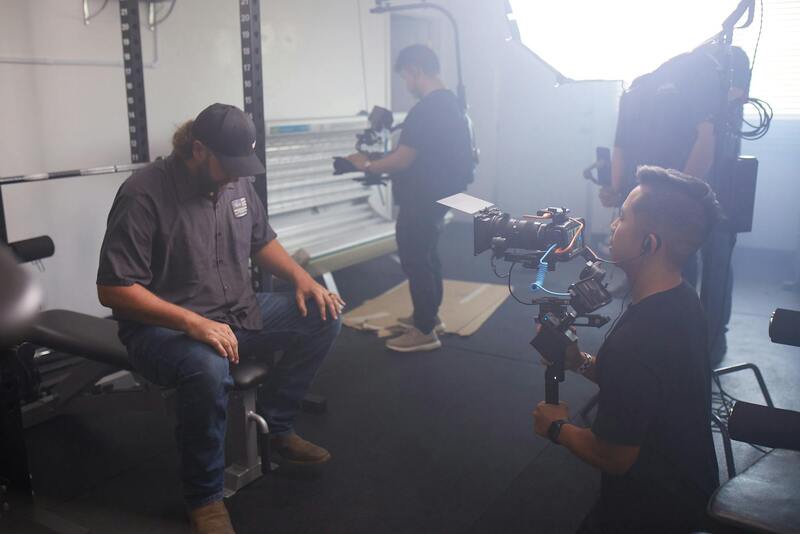
The core function of a live stream video company involves capturing, encoding, and transmitting live footage using sophisticated equipment. These companies handle every aspect of the broadcasting process, including technical setup, internet connectivity, and post-production editing if needed. Their services are tailored to accommodate various event types, ensuring that the content is delivered professionally, reliably, and with optimal visual quality.
In Miami, live stream providers often serve industries such as hospitality, arts and entertainment, sports, education, and religious organizations. Their offerings are designed to support both small-scale local events and large-scale productions, providing scalable solutions that meet different client requirements. By integrating streaming into their event plans, businesses and organizations expand their visibility, facilitate wider audience engagement, and enhance overall event impact.
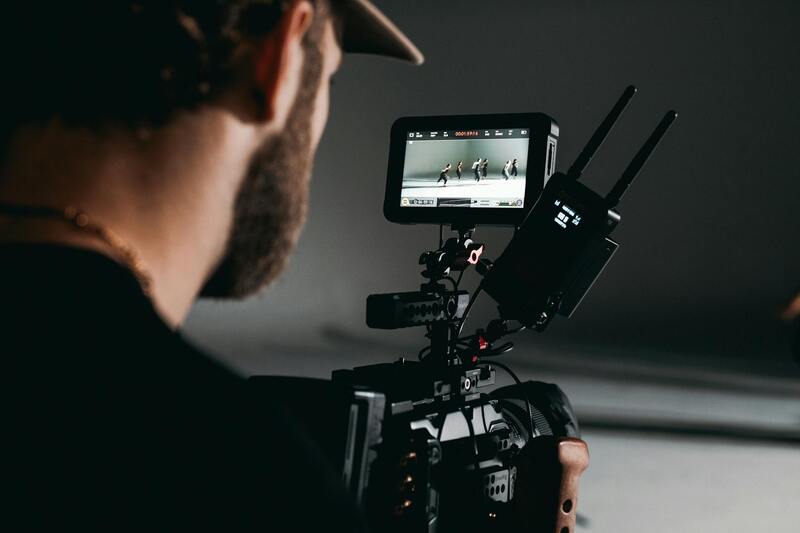
Overall, the role of a live stream video company is to seamlessly connect live event content with viewers, ensuring high-quality delivery regardless of location. As Miami continues to grow as a center of innovation and entertainment, these services become indispensable for organizations seeking to elevate their event presence and reach audiences in real-time with professionalism and technical excellence.
Production Equipment and Technical Requirements
Successfully streaming live content necessitates a comprehensive array of high-caliber production equipment and meticulous technical planning. A proficient live stream video company relies on advanced hardware to capture and encode live footage. This includes professional-grade cameras capable of delivering crisp, high-resolution images, regardless of ambient lighting conditions or movement dynamics. These cameras are often equipped with multiple lenses and stabilization systems to ensure steady, clear visuals during dynamic event coverage.
Audio quality is equally critical; hence, companies utilize professional microphones such as lavaliers, shotgun mics, and mixing consoles to capture clear, balanced sound. Proper audio setup minimizes background noise and echoes, ensuring that viewers receive an immersive experience that closely resembles being physically present.
Encoding hardware, such as dedicated streaming encoders or software-based solutions, convert the raw audio-visual signals into digital formats suitable for internet transmission. Reliable encoders guarantee minimal latency and consistent streaming quality, which are vital for real-time engagement. These tools enable seamless transitions between camera angles, picture-in-picture effects, and graphical overlays, enriching the viewer experience.
Internet connectivity forms the backbone of a high-performing live stream. Live stream video companies prioritize stable, high-bandwidth connections—often utilizing dedicated fiber-optic lines or bonded internet solutions—to prevent interruptions. Redundant internet setups are common to provide failover options, ensuring uninterrupted transmission even if primary connections encounter disruptions.
Monitoring and control systems are also integral; real-time monitoring panels enable technical teams to oversee broadcast health, viewer engagement, and stream stability. This setup allows for immediate troubleshooting, minimizing potential issues during live transmission.
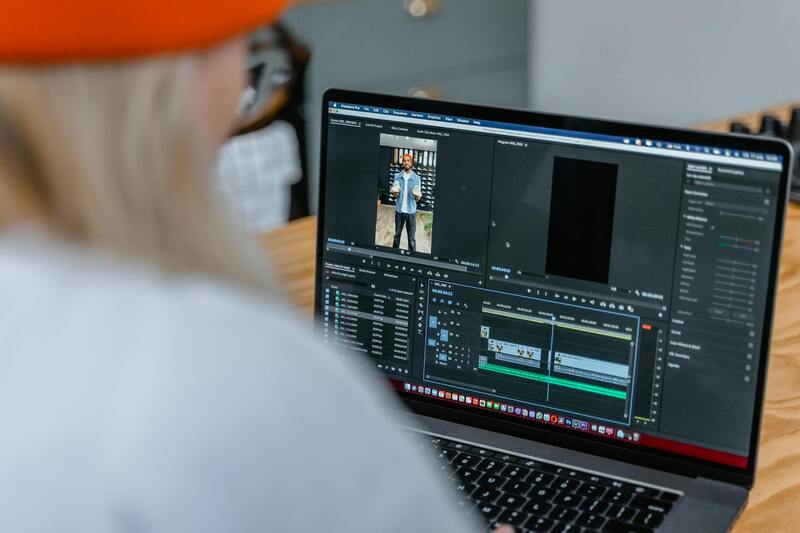
For post-production purposes, editing suites and streaming management software are employed. These tools facilitate pre-event testing, encoding adjustments, and live switching between different media sources, ensuring a polished final broadcast.
In essence, a detailed understanding of the technical requisites and their precise implementation ensures that a live stream remains visually appealing, audible, and reliable from start to finish—key factors that augment viewer engagement and overall event success.
Production Equipment and Technical Requirements
Executing a professional live stream hinges on deploying the appropriate production equipment and understanding the critical technical parameters that influence broadcast quality. Modern live streaming relies heavily on high-definition cameras, advanced audio capture devices, and reliable encoding systems. These components must work in unison to deliver crisp visuals and clear sound, both essential in maintaining viewer engagement and conveying a polished brand image.
High-quality cameras are selected based on the event's scale, location, and lighting conditions. For indoor events with controlled lighting, professional broadcast cameras with high ISO capabilities provide excellent image clarity. Outdoor events or those in variable lighting require cameras with dynamic range and weatherproofing. Encoder units convert camera footage into digital streams, often utilizing hardware encoders for optimal compression and minimal latency.
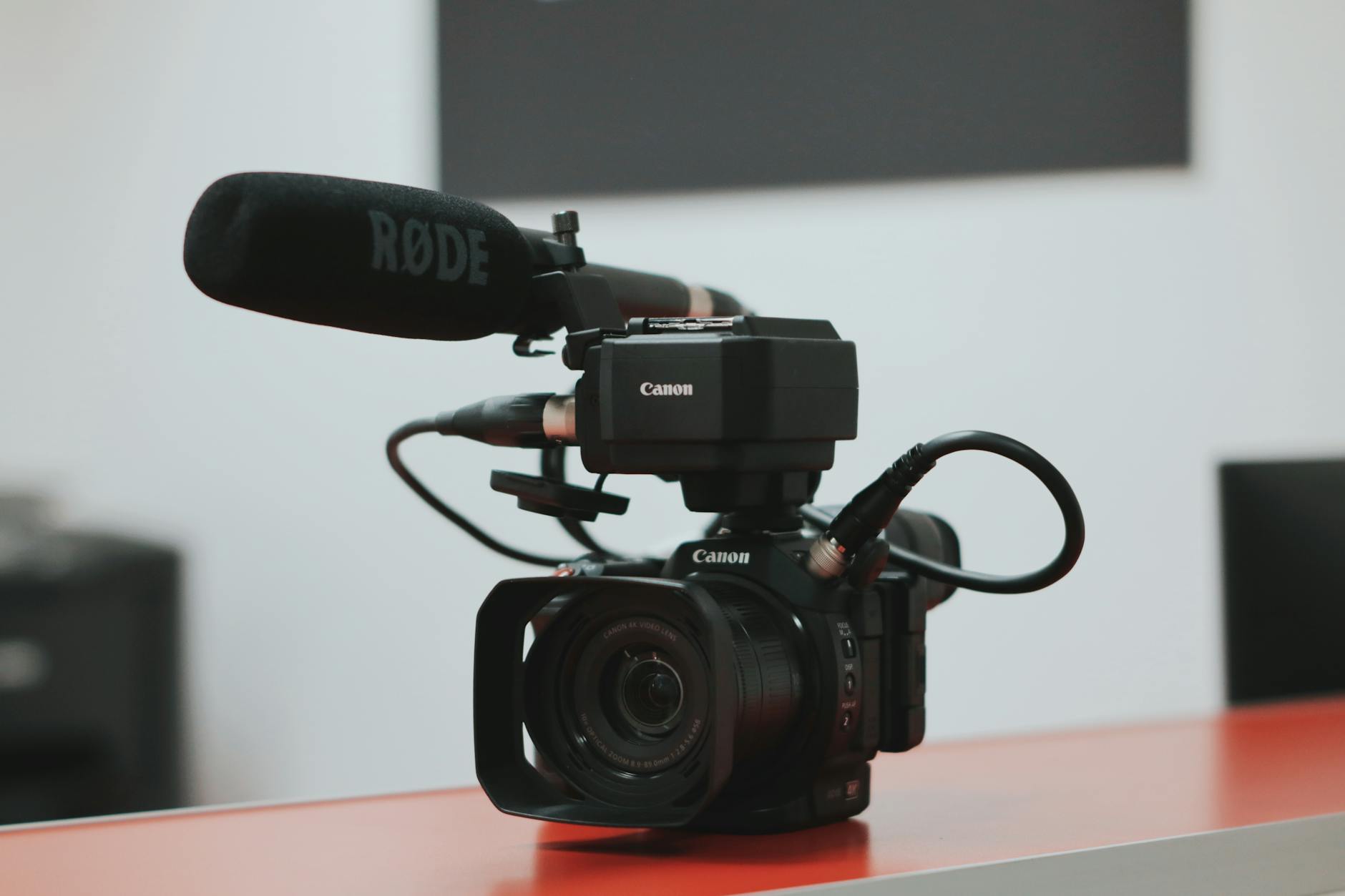
Audio quality is equally important; high-fidelity microphones, audio mixers, and monitoring headphones ensure clear sound, free from background noise or distortion. For multi-source setups, audio interfaces allow for mixing multiple feeds, providing a balanced output that complements the visual content.
Connectivity and Network Infrastructure
A stable internet connection forms the backbone of a reliable live stream. Live stream video companies typically utilize dedicated fiber-optic lines or bonded internet solutions combining multiple connections to ensure bandwidth sufficiency. Bonded internet aggregates several internet sources, distributing data load across multiple networks to prevent disruptions. Redundant connections are often set up alongside primary links to enable seamless failover, minimizing the risk of broadcast interruptions caused by network failure.
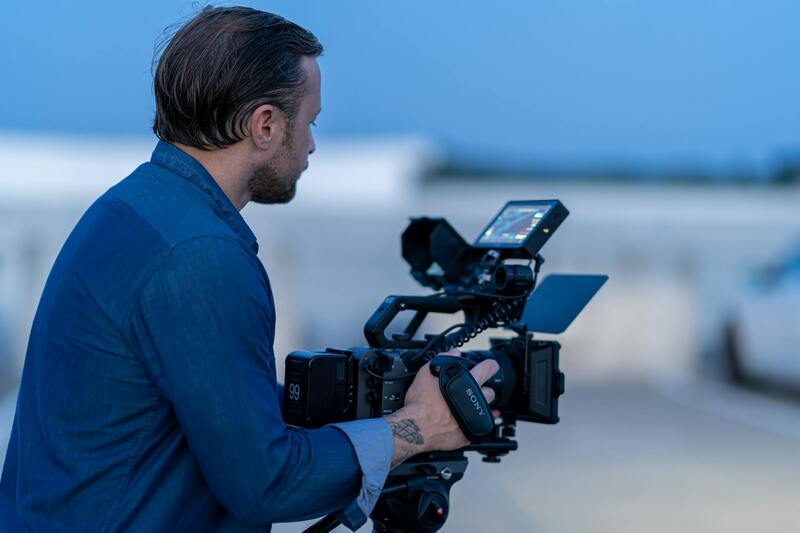
Real-time monitoring systems are integrated into the setup, allowing technical teams to oversee stream health, viewer metrics, and technical issues actively. These control panels provide immediate alerts if performance dips, granting operators the opportunity to troubleshoot before viewers notice any inconsistencies.
Software Solutions and Control Systems
Modern streaming software plays a pivotal role in managing and executing a live event. These tools facilitate pre-event testing, real-time encoding adjustments, and switching between multiple media sources such as cameras, graphics, and video clips. Dynamic overlays, lower thirds, and branding graphics are applied during the broadcast, enhancing visual engagement and professionalism.
Stream management platforms also support multi-platform broadcasting, enabling simultaneous streaming to various social media channels, websites, or dedicated apps. Integrated chat modules and viewer engagement tools further enrich the experience, fostering interaction and real-time feedback from the audience.
With these advanced tools and robust technical foundations, live streaming becomes a smooth, high-quality presentation—an essential asset for promotional events, conferences, or large-scale productions.
Production Equipment and Technical Requirements
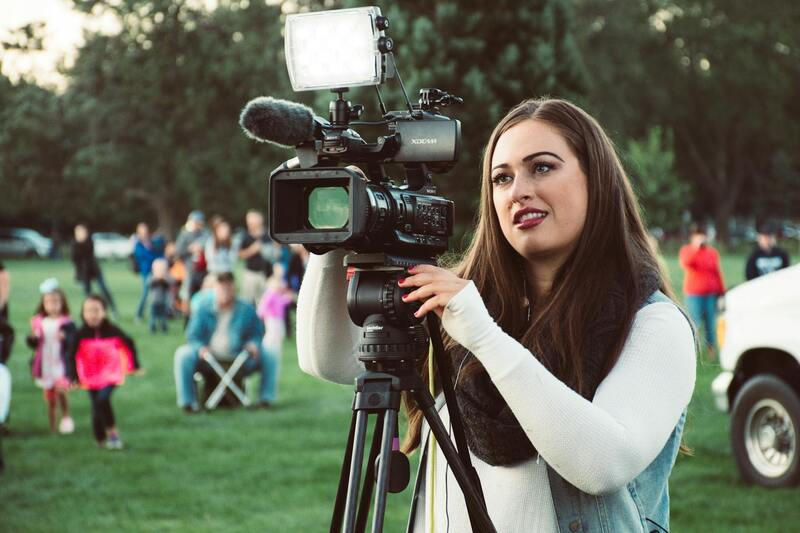
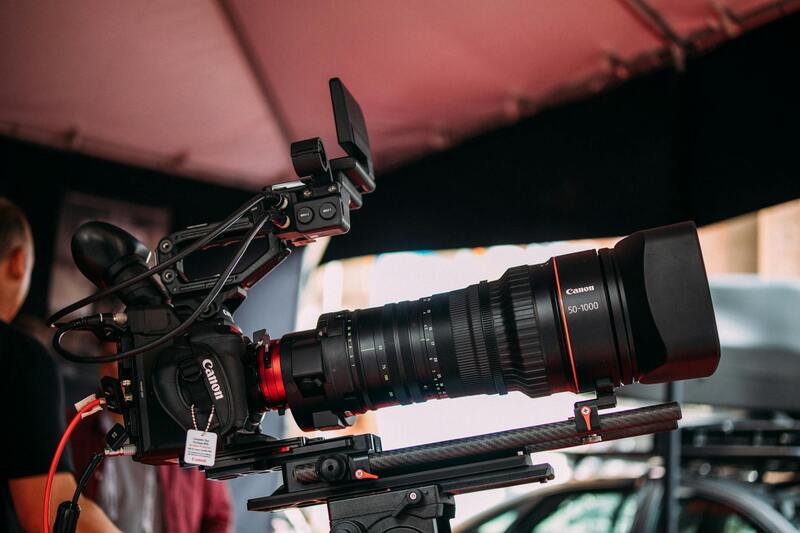
Achieving a professional and seamless live stream relies heavily on the quality and compatibility of the production equipment employed. Key hardware components include high-definition cameras capable of capturing crisp, clear video footage. These cameras should support various resolutions and frame rates, ensuring versatility across different event types and lighting conditions. Complementing the cameras, video encoders are crucial for converting raw footage into digital streams suitable for online broadcasting. Hardware encoders are preferred for their stability and minimal latency, especially during high-stakes live events.
Video mixers or switchers enable operators to seamlessly transition between different camera angles, overlay graphics, or incorporate videos and images during the broadcast. These tools facilitate a polished appearance, mimicking the production quality of traditional television broadcasts. Additionally, audio equipment such as high-fidelity microphones, mixers, and audio interfaces ensure that sound quality matches visual clarity, creating a comprehensive viewing experience.
Beyond the hardware, a stable and high-bandwidth internet connection is fundamental. This often involves dedicated fiber optic lines or bonded internet solutions, which combine multiple connections to sustain the high data transfer rates required for 1080p or 4K streams. Redundant internet paths and failover systems are implemented to automatically switch to backup connections if primary links experience disruption, ensuring continuous broadcast flow.
Furthermore, technical support teams utilize dedicated control rooms equipped with monitoring software to oversee stream health, viewer engagement, and real-time troubleshooting efforts. These setups require a combination of reliable hardware, robust network infrastructure, and skilled personnel to operate seamlessly.
Types of Live Streaming Platforms and Technologies
When selecting a live stream video company, understanding the variety of platforms and technologies available is essential for a tailored broadcasting experience. Different platforms cater to specific needs, whether it’s a corporate event, a musical performance, or a religious service, each offering distinct features and integration options.
- Web-Based Streaming Platforms: These platforms, such as proprietary web players or integrated services, allow live streams to be hosted directly on websites. They often provide customizable player interfaces, branding options, and compatibility with various devices and browsers, making them versatile choices for organizations seeking seamless embedding of streams within their sites.
- Social Media Live Streaming: Major social networks like Facebook, YouTube, and Instagram have built-in live streaming functionalities. Leveraging these platforms can maximize audience reach due to their extensive user bases. They also provide features such as live chat, real-time sharing, and analytics tools to monitor engagement, making them effective for outreach and community building.
- Dedicated Live Streaming Platforms: Specialized solutions like Vimeo Livestream, Wowza, or DaCast offer advanced options, including high-definition streaming, multi-camera feeds, real-time analytics, monetization features, and professional player customization. These platforms are often used by organizations seeking high-quality, scalable streams with robust security and compliance measures.
- On-Premise Streaming Technologies: For enterprise-level or sensitive broadcasts, on-premise setups utilize infrastructure within an organization’s network. This approach grants complete control over the streaming process, ensuring security and compliance. Technologies such as Wowza Streaming Engine or custom-built solutions enable broadcasters to deliver high-quality streams over internal or dedicated networks.
 igure>
Choosing the appropriate platform depends on factors such as audience size, interactivity requirements, content type, and budget constraints. Collaborating with a professional live stream video company ensures access to the latest technological advancements and strategic guidance to optimize the broadcast for specific event goals.
Overview of Live Stream Video Services
Live streaming has transformed how organizations, businesses, and event organizers connect with their audiences, offering real-time engagement regardless of geographic boundaries. Professional live stream video companies provide comprehensive services that encompass planning, equipment setup, broadcast execution, and post-event support. Their expertise ensures high-quality video delivery, minimal technical disruptions, and a seamless viewer experience. The scope of services includes multi-camera production, graphics integration, audience interaction tools, and post-broadcast analytics, all tailored to meet the specific objectives of each event. As the demand for live content increases, companies specializing in live stream videos have developed advanced solutions to handle diverse content types, ranging from webinars and corporate presentations to large-scale concerts and sporting events.
Key Features of Professional Live Streaming
- High-Definition Video Quality: Ensuring viewers experience crisp, clear visuals regardless of device or internet speed, through adaptive streaming technologies that optimize resolution in real-time.
- Multiple Camera Angles and Inputs: Integrating feeds from multiple cameras, drones, and content sources to provide dynamic and engaging broadcasts.
- Graphics and Branding Integration: Adding overlays, lower thirds, logos, and other visual elements to enhance professionalism and brand visibility.
- Real-time Interactivity: Features such as live chat, polling, Q&A sessions, and social media integrations promote audience participation and foster community engagement.
- Secure Streaming and Access Control: Implementing encryption, password protection, and geo-restrictions to ensure content security and control over who can view the stream.
- Analytics and Reporting: Providing detailed insights into viewer engagement, retention rates, and geographic demographics to inform future content strategies.
Types of Live Streaming Platforms and Technologies
Professionals leverage a variety of platforms and technologies to deliver tailored streaming experiences. This includes:
- Cloud-Based Platforms: Solutions such as Vimeo Livestream, DaCast, and Wowza Cloud offer scalable, reliable broadcasting with features like multi-bitrate streaming, monetization options, and comprehensive analytics.
- On-Premise Solutions: For organizations requiring full control and enhanced security, on-site setups using software like Wowza Streaming Engine or custom infrastructure provide robust alternatives, suitable for sensitive or mission-critical content.
- Hybrid Approaches: Combining cloud and on-premise elements, hybrid solutions enable flexibility, scalability, and enhanced security, adaptable to a variety of event sizes and types.
- Multiplatform Distribution: Utilizing Content Delivery Networks (CDNs) and adaptive streaming protocols ensures high-quality delivery across desktops, mobile devices, smart TVs, and social media channels simultaneously.
Production Equipment and Technical Requirements
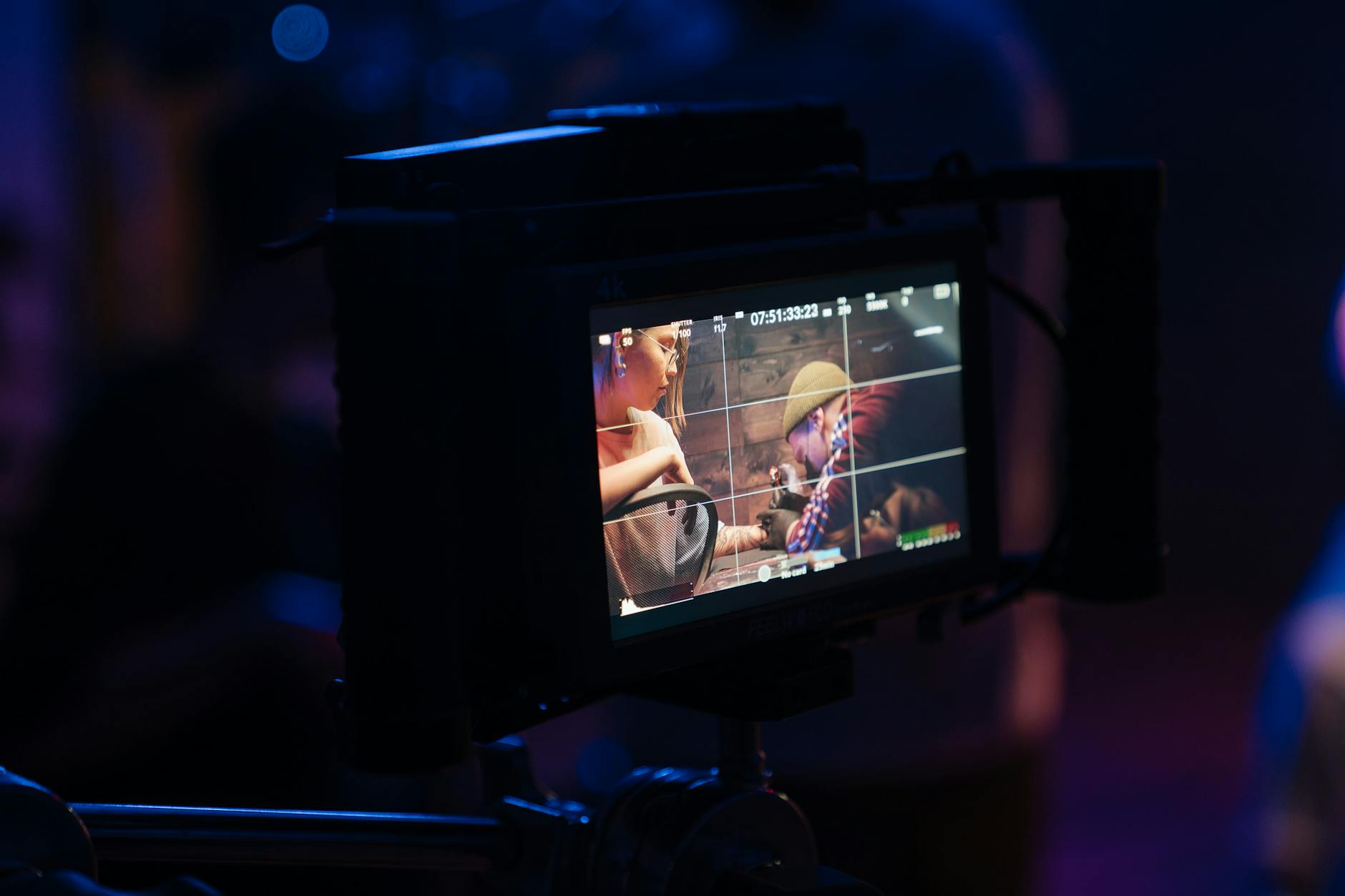
Achieving a professional live stream relies heavily on the quality of production equipment and the technical infrastructure. Essential components include:
- Cameras: High-definition cameras capable of delivering 4K or HD resolutions, with options for pan-tilt-zoom (PTZ) or fixed models depending on the event’s needs.
- Mixer and Switching Hardware: Video switchers that allow seamless switching between multiple camera feeds and integrating graphics or pre-recorded content.
- Audio Equipment: Lavalier and shotgun microphones, audio mixers, and wireless systems to ensure clean, synchronized sound.
- Encoding Devices: Hardware or software encoders that convert live feed into streams compatible with chosen platforms, supporting multiple streams and bitrates.
- Internet Connection: High-bandwidth, stable internet with backup options such as LTE or fiber connections to prevent stream interruptions.
- Lighting: Proper lighting setups optimize video quality, especially for indoor broadcasts or controlled environments.
Properly integrating these elements requires technical expertise, which is provided by experienced live stream video companies. They ensure optimal calibration and synchronization, resulting in broadcast quality that meets professional standards and engages viewers effectively.
Overview of Live Stream Video Services
Live stream video services have emerged as an essential component in modern event coverage, offering real-time broadcasting to audiences across various locations. These services encompass a range of solutions tailored to different event types, including corporate conferences, music festivals, sports tournaments, religious gatherings, and community events. The core goal is to deliver a seamless, engaging viewing experience that captures the event's essence and broadens its reach. By leveraging advanced broadcasting infrastructure, robust content delivery networks (CDNs), and professional-grade equipment, live stream providers ensure high-quality, uninterrupted streams that can be accessed via desktops, laptops, tablets, smartphones, and smart TVs.
Key Features of Professional Live Streaming
- High-Definition Video Quality: Professional companies prioritize crisp, clear visuals, often supporting 4K or HD resolutions to enhance viewer engagement.
- Multiple Platform Integration: Seamlessly broadcasting across various social media platforms, websites, and custom player integrations ensures a wider reach.
- Secure Streaming: Utilizing encryption and secure delivery methods to protect content from unauthorized access and ensure moderator control over live chat and interactions.
- Adaptive Bitrate Streaming: Adjusting video quality dynamically based on viewers' internet speeds guarantees smooth playback despite varying connection qualities.
- Real-Time Monitoring and Support: Constant oversight during broadcasts to quickly resolve technical issues minimizes downtime and maintains broadcast integrity.
Types of Live Streaming Platforms and Technologies
Choosing the appropriate platform depends on the event size, audience engagement goals, and content type. Common options include:
- Web-Based Platforms: Solutions like custom websites or third-party services provide a dedicated viewing environment, often integrated with ticketing or registration features.
- Social Media Integration: Sharing live streams directly through channels like Facebook Live, YouTube Live, or Instagram Live leverages existing audiences.
- Dedicated Streaming Servers: For larger or more controlled broadcasts, private on-premise or cloud-based servers offer greater customization and security.
- Hybrid Approaches: Combining multiple platforms allows for broad accessibility and engagement, optimizing reach across different viewer segments.
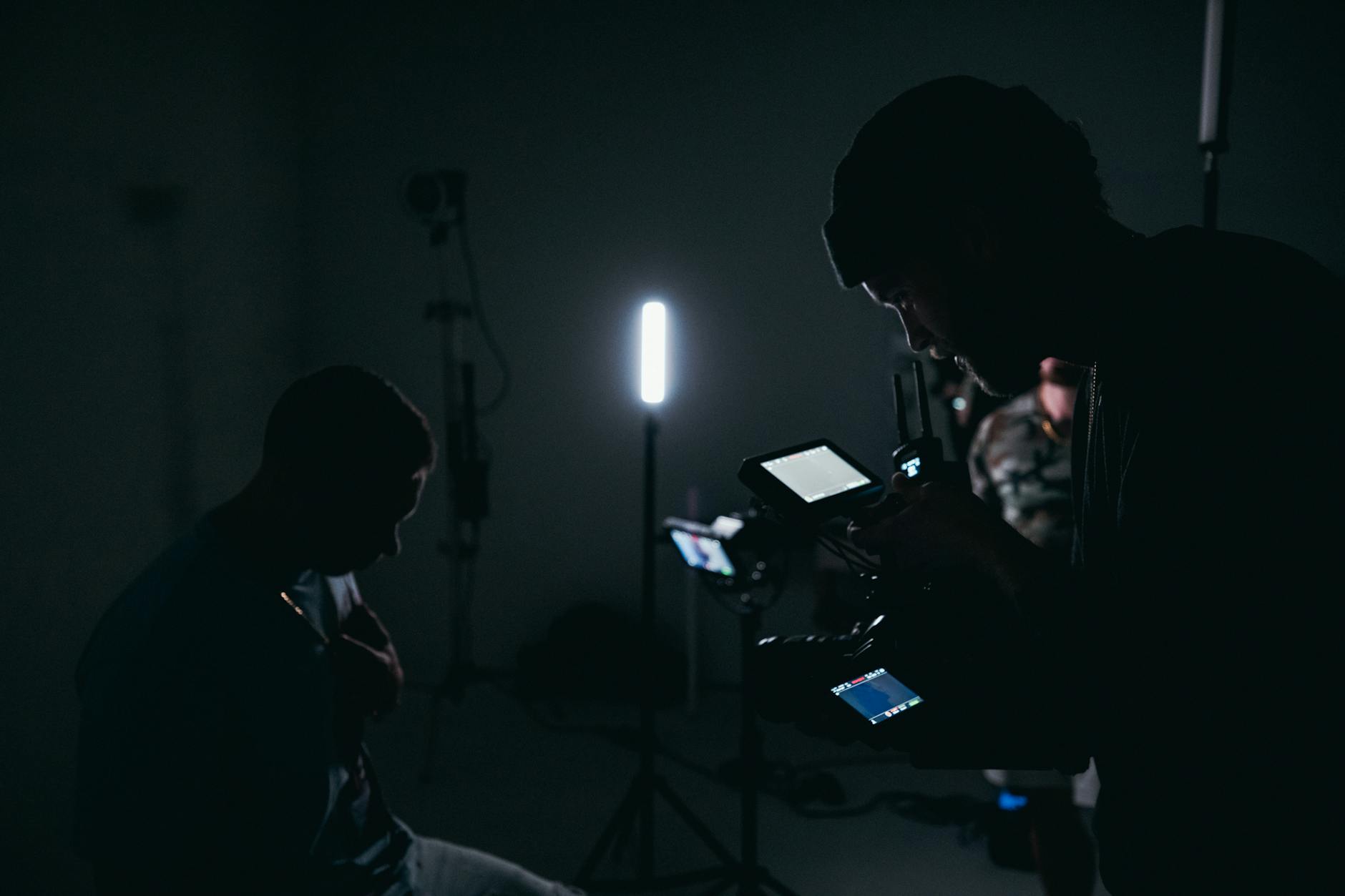
Production Equipment and Technical Requirements
Achieving a professional-level live stream hinges on deploying the right combination of hardware and technical expertise. The primary components include:
- Cameras: High-definition devices capable of capturing 4K or HD footage, fitted with pan-tilt-zoom (PTZ) or fixed setups based on the shot requirements.
- Video Switchers: Hardware or software tools to switch between camera feeds smoothly, adding transitions, overlays, and graphics in real time.
- Microphones and Audio Equipment: Lavalier, shotgun, and wireless microphones paired with audio mixers ensure clear, synchronized sound.
- Encoding Devices: Hardware or software encoders convert raw footage into optimized streams compatible with distribution platforms, supporting multiple bitrates for adaptability.
- Reliable Internet Connection: High-bandwidth, stable internet with backups such as LTE or fiber optic lines prevents stream interruptions, especially critical for live events.
- Lighting and Environment Control: Proper lighting enhances video clarity and color accuracy, particularly for indoor setups or controlled environments.
Proper integration and calibration of this equipment demand specialized knowledge. Experienced live stream professionals manage the setup, ensuring synchronized cues and high broadcast quality, thus providing a resilient streaming experience that captures the event authentically and professionally.
Overview of Live Stream Video Services
Live stream video services have become a vital tool for organizations and individuals aiming to reach a broad audience in real-time. They encompass a range of solutions designed to broadcast live events, seminars, concerts, corporate meetings, and more via the internet. These services ensure that viewers can engage with content regardless of their geographical location, offering interactive features such as chat, Q&A, and multiple viewing options to enhance audience engagement.
Professional live streaming involves a seamless integration of hardware, software, and technical expertise to deliver high-quality content. By leveraging cutting-edge technology and reliable infrastructure, live stream video companies facilitate the smooth transmission of events with minimal latency and maximum visual clarity. This process includes encoding, streaming platform integration, and post-event analytics to measure engagement and reach.
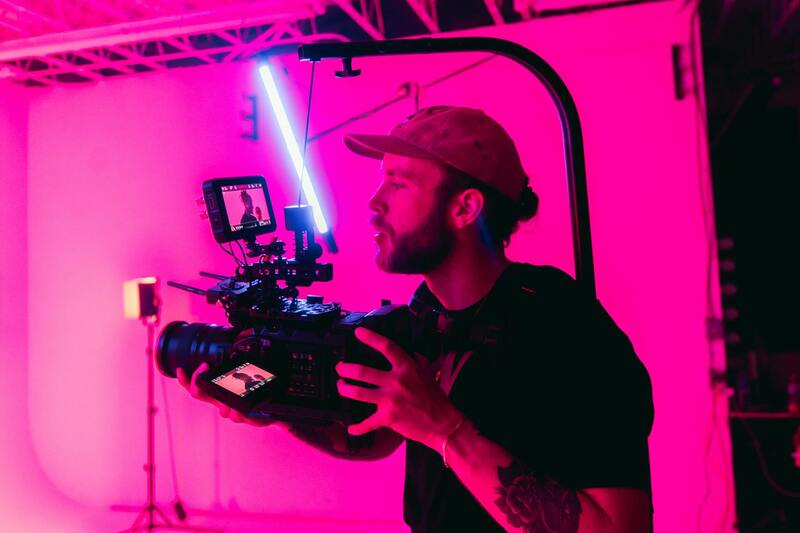
Key Features of Professional Live Streaming
- High-definition Video Quality: Support for 4K and HD resolution for an immersive viewing experience.
- Multi-platform Compatibility: Streams can be broadcast across various platforms such as social media, dedicated websites, and streaming services.
- Real-time Interaction: Incorporation of chat functions, live polls, and Q&A sessions fosters audience participation.
- Reliable Infrastructure: Use of redundant internet connections and backup systems ensures uninterrupted streaming even during unexpected issues.
- Custom Branding and Graphics: Ability to include overlays, logos, and other visual elements to enhance brand visibility.
- Secure Streaming Channels: Implementing encryption and access controls to restrict viewership and protect content.
- Analytics and Reporting: Gathering data on viewer engagement, demographics, and stream performance for future optimization.
Types of Live Streaming Platforms and Technologies
Different platforms and technologies cater to varied needs, from large-scale productions to intimate events. Some of the predominant types include:
- Dedicated Streaming Platforms: Platforms like Vimeo Livestream, Wowza, and YouTube Live offer customizable solutions tailored to professional broadcasters.
- Social Media Live Streams: Facebook Live, Instagram Live, and LinkedIn Live provide immediate reach and built-in engagement tools.
- Custom-Built Solutions: Tailored streaming platforms developed by technical teams to meet specific branding and functionality requirements.
The core technologies powering these platforms include RTMP (Real-Time Messaging Protocol), HLS (HTTP Live Streaming), and DASH (Dynamic Adaptive Streaming over HTTP), which enable adaptive bitrate streaming, ensuring optimal video quality across a range of device types and internet speeds.
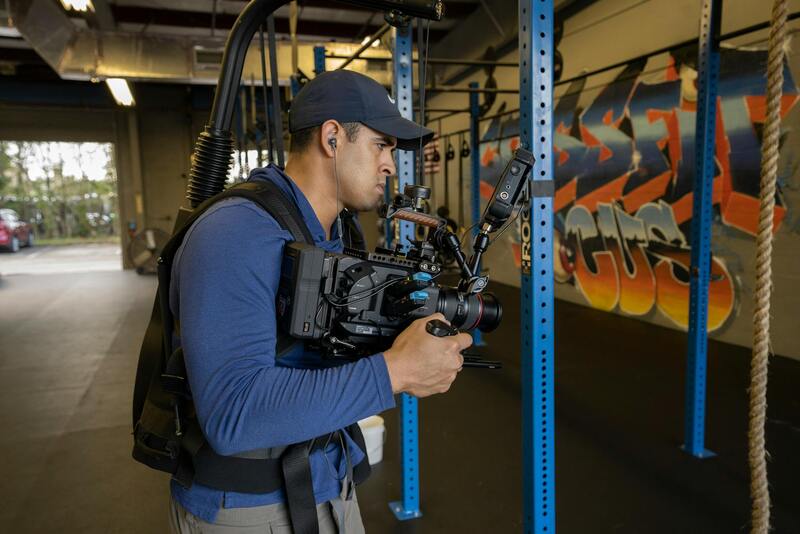
Production Equipment and Technical Requirements
Producers aiming for professional-grade live streams depend on a comprehensive set of hardware and technical resources, including:
- Professional Cameras: Capable of capturing high-resolution footage, with features like pan-tilt-zoom (PTZ) for dynamic shots.
- Video Switchers and Mixers: Enable smooth transitions between multiple camera feeds, incorporate overlays, and add graphical elements in real-time.
- Audio Gear: Lavalier microphones, shotgun mics, and audio mixers to ensure pristine sound quality.
- Encoding Equipment: Hardware or software encoders translate raw footage into streamable formats, supporting multiple bitrates for diverse viewer experiences.
- Power Backup and Network Stability: Uninterrupted power supplies and multiple internet connections like fiber optics and LTE ensure resilience during events.
- Lighting Solutions: Well-planned lighting setups improve visual clarity and color accuracy, especially in indoor environments.
Managing these equipment components requires technical expertise to guarantee synchronization, proper calibration, and optimal performance. Experienced live stream professionals oversee the entire production process, from setup and testing to broadcast, ensuring that every aspect operates seamlessly.
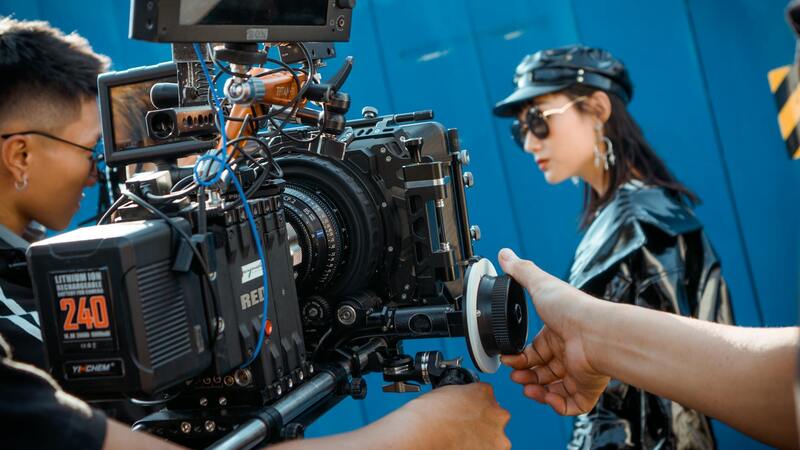
Benefits of Hiring a Local Miami Live Stream Video Company
Engaging a professional live stream video company based in Miami offers numerous advantages. Local providers possess an understanding of regional event requirements, venues, and logistical considerations, ensuring smoother coordination. They have established relationships with local venues and vendors, which streamlines setup and technical support. Additionally, local companies are adept at managing time zones, ensuring timely execution and delivery.
Furthermore, Miami's vibrant event scene necessitates tailored solutions that comply with local regulations and standards. A local live stream provider can customize services to meet specific event needs, whether it's a corporate conference, cultural festival, or sports event. On-site staff familiar with the local environment can troubleshoot issues rapidly, minimizing disruptions and maintaining high stream quality throughout the broadcast.
Customizing Live Stream Services for Different Events
Every event has unique requirements, and a seasoned live stream video company in Miami offers customized solutions to match these needs. The process begins with a thorough assessment of the event parameters, audience expectations, and technical landscape. Based on this, tailored service packages may include:
- Event Size and Venue: Selecting appropriate equipment and bandwidth based on anticipated attendance and venue layout.
- Production Style: Whether a simple single-camera setup or a multi-camera production with graphics and special effects.
- Interaction Level: Integrating live chat, social media engagement, and real-time polling for interactive events.
- Content Accessibility: Providing multilingual subtitles, sign language interpreters, or audio descriptions for enhanced accessibility.
- Post-Event Content Delivery: Archiving streams for on-demand viewing or sharing highlights across platforms.
By customizing these elements, an experienced Miami live stream video company ensures that each event achieves its engagement goals while maintaining a high production standard.