
Overview of Live Stream Companies
Live stream companies play a vital role in the digital broadcasting landscape, providing essential services that enable real-time content delivery across various platforms. In Miami, these companies serve as pivotal partners for events, corporate functions, and entertainment broadcasts, ensuring seamless streaming experiences for audiences both locally and globally. They utilize advanced technology and professional expertise to produce high-quality live video feeds, making live streaming a practical solution for reaching widespread viewers without geographical limitations.
These organizations operate by capturing video content through sophisticated equipment, encoding it into digital signals, and broadcasting it via dedicated servers or cloud-based platforms. This process allows live content to be accessed instantly via the internet on multiple devices, including smartphones, tablets, and computers. Miami's dynamic event scene benefits greatly from these services, where live streaming facilitates real-time engagement, expands viewership, and enhances event accessibility for a diverse audience base.
Furthermore, live stream companies in Miami cater to a diverse range of industries, offering customized solutions tailored to the specific needs of each client. Their expertise extends from simple single-camera productions to complex multi-camera setups with interactive features. Whether it’s a corporate announcement, a local concert, or a charity fundraiser, these providers ensure smooth execution, professional production quality, and reliable distribution channels, helping organizations maximize impact and audience engagement.

Types of Live Streaming Services Offered
Live stream companies in Miami offer an array of services designed to meet various event requirements. These range from simple, straightforward broadcasts to complex productions that incorporate multiple camera angles, graphics, and audience interaction features. The primary service categories include:
- Event Live Streaming: Covering weddings, conferences, festivals, and other gatherings, providing real-time access to attendees and remote viewers.
- Corporate Broadcasts: Facilitating product launches, seminars, and internal communications to ensure immediate stakeholder engagement.
- Sports and Entertainment: Broadcasting sporting events, concerts, and shows with high production standards to engage fans and audiences worldwide.
- Educational Live Streaming: Streaming classes, workshops, and university events to promote broader learning opportunities.
Additionally, many providers offer live editing, replay services, and integration with social media platforms to enhance audience interaction and content sharing.
Overview of Live Stream Companies
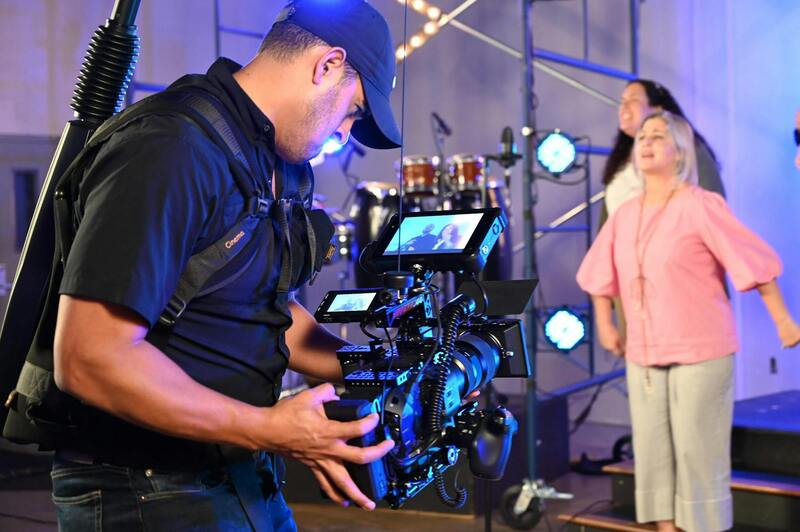
Live stream companies in Miami specialize in delivering high-quality broadcasting solutions tailored to diverse event needs. Their services encompass everything from basic single-camera setups to intricate multi-camera productions equipped with advanced graphics and real-time interactions. These providers are equipped with the latest streaming technology, ensuring that content reaches audiences seamlessly across various platforms. Their expertise extends across sectors like corporate events, entertainment, education, and community outreach, offering scalable solutions that match both the scope and desired engagement level of each event.

Many live stream providers also focus on integration features, such as simultaneous social media broadcasting, live chat interactions, and instant replays, which amplify audience engagement and event visibility. The aim is to create an immersive viewing experience that replicates on-site participation, regardless of geographic barriers. By leveraging cutting-edge equipment, including high-definition cameras, professional lighting, and robust audio systems, these companies ensure broadcast quality that meets the highest standards of clarity and professionalism.
Types of Live Streaming Services Offered
Miami's live stream companies cater to a broad spectrum of event types, each requiring specific technical approaches and production elements:
- Event Live Streaming: Suitable for weddings, festivals, and conferences, providing real-time coverage to local and remote audiences.
- Corporate Broadcasts: Including product launches, seminars, and internal training sessions, these services focus on delivering polished presentations that enhance stakeholder engagement.
- Sports and Entertainment: High-energy broadcasts for concerts, sporting events, and shows, with emphasis on high-definition visuals and immersive sound quality.
- Educational Platforms: Streaming academic classes, workshops, and university events to extend learning opportunities beyond traditional classrooms.
In addition to live content delivery, many providers also offer supplementary features such as professional editing, highlight reels, and integration with social media to boost real-time interaction and content sharing. These elements are crucial in maximizing the reach and impact of each streaming event.
Key Features to Consider When Choosing a Live Stream Company
When selecting a live streaming partner, several technical and service-oriented features are vital for ensuring a smooth transmission. These include:
- Technical Expertise: Experience in managing diverse event scales and complexities to guarantee stable and high-quality broadcasts.
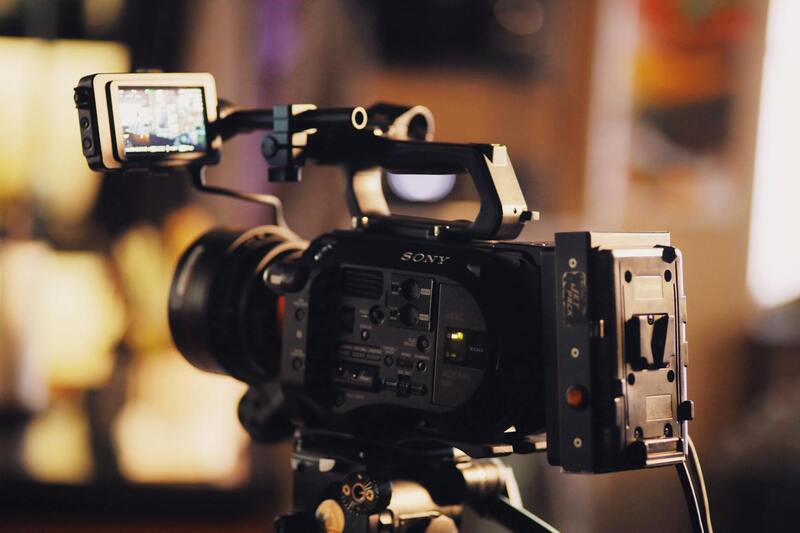
- Equipment Quality: Use of professional-grade cameras, microphones, and streaming hardware.
- Platform Compatibility: Ability to stream across multiple platforms such as YouTube, Facebook, and custom websites.
- Support and Staff: Availability of skilled technicians on-site and remote support during the broadcast.
- Scalability: Capacity to handle large audiences and incorporate additional elements like multiple camera angles or interactive features.
Benefits of Hiring Local Miami Live Stream Companies
Partnering with a local Miami-based live stream company offers distinct advantages, including rapid response times, familiarity with the local event landscape, and the ability to tailor services to regional audience preferences. These providers understand the logistical nuances of Miami events, ensuring that technical setups align with venue specifications. Additionally, local companies can offer personalized consultation and on-site coordination, resulting in a more cohesive and reliable streaming experience.
By working with nearby professionals, organizers also benefit from reduced travel costs and quicker troubleshooting, minimizing potential disruptions. Their established relationships with Miami venues and vendors streamline the entire process, making it easier to coordinate complex event logistics seamlessly.
Pricing and Packages for Live Streaming Services
Pricing structures vary based on scope, production value, and additional features requested. Typical packages include:
- Basic Live Streaming: Covering simple events with one camera and minimal edits, suitable for small gatherings.
- Standard Packages: Incorporating multi-camera setups, branding overlays, and social media integration, ideal for larger or more formal events.
- Premium Productions: Customizable options with high-end equipment, multiple angles, real-time graphics, and full post-event editing services.
Most providers tailor quotes based on factors such as venue complexity, expected audience size, and content duration, ensuring clients receive solutions aligned with their goals and budget constraints.
Technical Elements and Equipment Used
Industrial-grade equipment underpins reliable live streaming. These include:
- Cameras: 4K and HD professional-grade models for crisp, clear visuals.
- Audio Gear: High-fidelity microphones and sound mixers to capture and optimize audio quality.
- Encoding Hardware: Advanced streaming encoders that ensure seamless live broadcast transmission.
- Lighting: Proper lighting setups to enhance visual clarity and focus on speakers or performers.
- Backup Systems: Redundant power supplies and internet connections to prevent disruptions during critical moments.
Industries and Events Served by Live Stream Companies
The versatility of live streaming services extends across numerous sectors. Some prominent categories include:
- Corporate Sector: From product launches to annual meetings, facilitating internal and external corporate communication.
- Entertainment and Arts: Broadcasting concerts, festivals, and theatrical performances to global audiences.
- Education: Live classes, virtual campus tours, and seminars expanding access to knowledge.
- Nonprofit and Community Events: Supporting charity events, fundraisers, and local community initiatives with professional streaming solutions.
Selecting the Right Live Stream Partner in Miami
Choosing an optimal provider involves assessing their technical competence, portfolio of past events, and customer feedback. Prioritizing companies that demonstrate extensive experience with similar event types ensures a high-quality broadcast. Clarifying the scope of services and understanding the technical capabilities of prospective providers can facilitate a partnership that effectively meets event objectives and audience expectations.
Understanding the Scope of Live Stream Companies
Live stream companies play a crucial role in bridging physical and digital audiences through sophisticated broadcasting technologies. Their operations extend beyond just transmitting video; they encompass comprehensive solutions tailored to the unique demands of each event. These companies usually possess a well-structured team of videographers, sound engineers, and technical specialists who work behind the scenes to deliver seamless streaming experiences.
In addition to the core broadcast services, many firms offer supplementary features such as multi-camera setups for varied viewing angles, real-time graphics, and on-screen branding to enhance viewer engagement. Their infrastructure includes high-performance servers and content delivery networks (CDNs) to ensure uninterrupted streaming, even during high-traffic moments. Utilizing such advanced technologies helps maintain high-quality output, minimizes latency, and guarantees that audiences receive a live feed identical in clarity and responsiveness.
Choosing a reliable live stream company involves understanding their technical capabilities as well as their ability to adapt to different event sizes and types. Whether it’s a small corporate meeting or a large music festival, these providers customize their solutions to meet specific requirements, ensuring optimal audio-visual quality and minimal downtime. Their expertise spans across different platforms, including social media channels, dedicated streaming websites, and proprietary apps, allowing for flexible distribution tailored to target audiences.
Core Responsibilities of Live Stream Companies
- Pre-Event Planning: This includes site visits, technical assessments, and equipment setup tailored to the venue's logistics and environmental conditions.
- Live Operation: Management of video and audio feeds, real-time switching, and monitoring of streaming platforms to promptly address issues.
- Post-Event Support: Archiving recordings, analyzing viewer statistics, and providing feedback for future events.
Fundamentally, these operations require a blend of technical mastery and strategic planning to deliver engaging, stable live content that aligns with the intended event goals and audience expectations. As technology evolves, live stream companies continually integrate innovations such as 4K broadcasting, virtual reality, and interactive features to enhance viewer experiences further.
Types of Live Streaming Services Offered
Live stream companies provide a diverse array of services tailored to meet the specific needs of different clients and events. These services typically encompass live event broadcasting, on-demand streaming, multi-camera production, and integrated platform distribution. Each type plays a vital role in ensuring the seamless delivery of content, engaging viewers across various channels.
Live Event Broadcasting
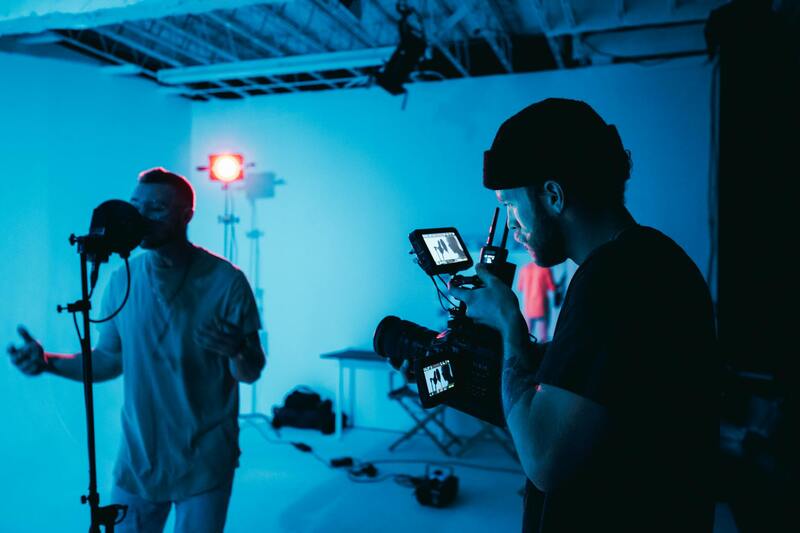
This is the core service where entire events — such as conferences, concerts, sports competitions, or corporate meetings — are streamed in real-time. Companies leverage high-capacity servers, multiple cameras, and professional audio equipment to capture every detail. Strategic camera placement and live switching create a dynamic viewing experience that closely mimics the in-person event.
On-Demand Streaming
Many live stream companies extend their services to include recording and post-event hosting. This allows audiences to access content at their convenience, expanding the reach and longevity of the event. On-demand content typically includes full recordings, highlight reels, and edited segments, accessible via dedicated portals or embedded players.
Multi-Camera Production
Multi-camera setups enable a professional broadcast environment, featuring multiple angles and dynamic transitions. Skilled technicians switch between various feeds in real-time, emphasizing important moments and providing viewers with an immersive experience. This service is particularly popular for live musical performances, sports matches, and panel discussions.
Distributed Platform Integration
Streaming companies often integrate their services across multiple platforms, including social media channels, proprietary apps, and dedicated streaming websites. This multi-channel approach broadens the audience reach and ensures the content is accessible on the viewers' preferred devices and applications.
Technical Elements and Equipment Used
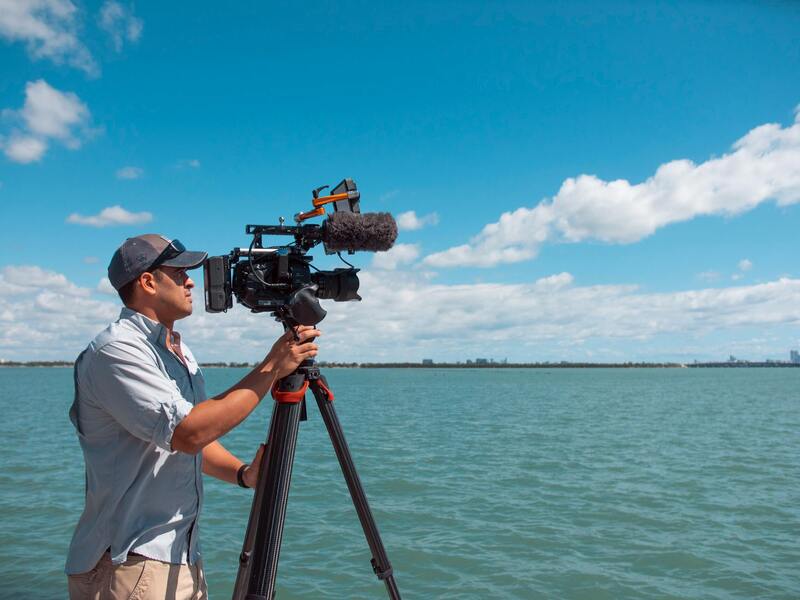
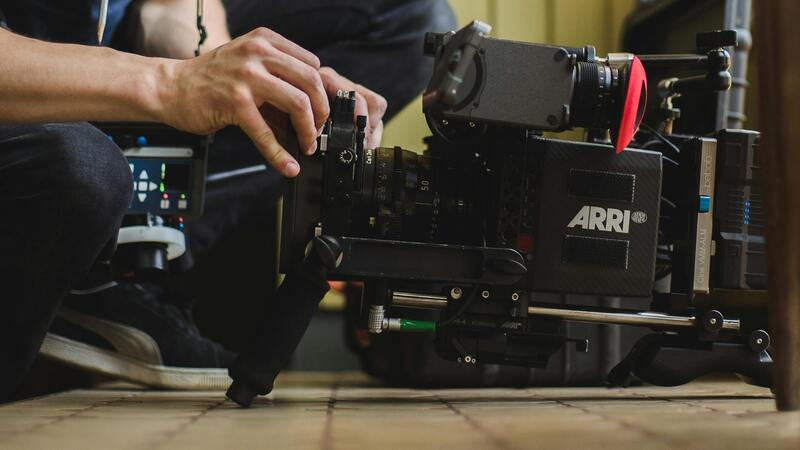
To guarantee a seamless and high-quality broadcast, live stream companies employ a comprehensive array of technical equipment. This includes professional-grade cameras capable of capturing crisp visuals from multiple angles, advanced audio systems to ensure clear sound, and reliable encoding hardware to convert raw footage into streamable content. Additionally, companies utilize high-speed internet connections and redundant network setups to prevent interruptions during live events.
A typical setup involves switchers for real-time camera management, video mixers, and broadcast servers that handle the load of streaming large audiences nationwide or globally. Specialized hardware such as wireless transmitters and remote control units allow flexibility in camera positioning, especially for dynamic events like outdoor festivals or sporting competitions.
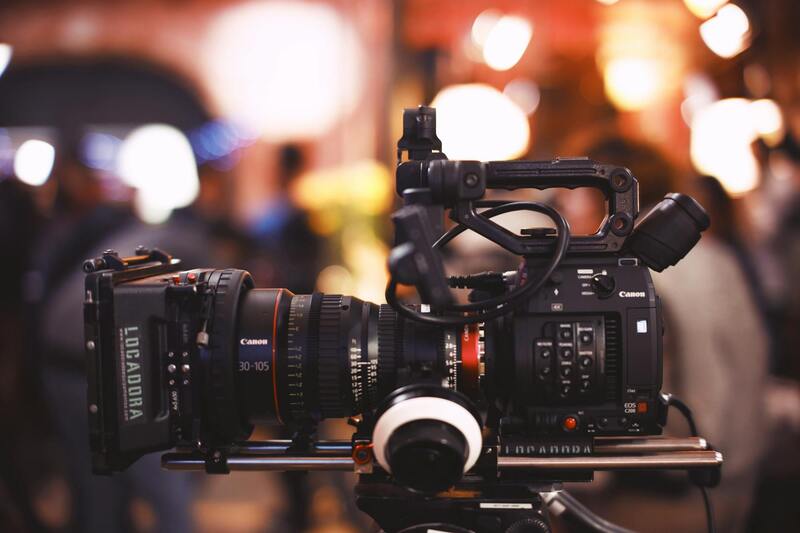
Furthermore, live streaming companies incorporate various accessories including lighting rigs to enhance image clarity under different conditions and matte boxes to control glare and reflections. Use of stabilizers and tripods ensures steady footage, while professional audio equipment such as lapel and shotgun microphones captures dialogue clearly amidst noisy environments. Technical planning also encompasses integrating backup systems and backup power supplies, critical for maintaining continuous broadcast quality even in unforeseen circumstances.

Overview of Live Stream Companies
Live stream companies specializing in event broadcasting provide professional solutions to deliver real-time video content across various platforms. These companies employ advanced technology, including high-definition cameras, robust servers, and scalable streaming platforms, to ensure seamless delivery regardless of audience size. Their expertise encompasses a broad spectrum of events such as corporate meetings, concerts, sports competitions, religious gatherings, and community festivals. By partnering with experienced live stream providers, organizations can extend their outreach, engage audiences more effectively, and enhance the overall event experience through high-quality video transmission.
Types of Live Streaming Services Offered
Live stream companies typically provide a range of services tailored to meet diverse event requirements, including:
- Event Broadcasts: For conferences, seminars, and product launches, delivering high-quality streams to online viewers.
- Multi-camera Productions: Multiple camera angles synchronized for dynamic viewing experiences.
- On-demand Content: Recording live events for later viewing or archiving purposes.
- Hybrid Streaming: Combining live and pre-recorded elements to enhance production value.
- Platform Integration: Streaming directly to social media platforms, websites, or dedicated apps.
Each service is designed to maximize engagement and ensure a professional broadcast tailored to the specific needs of clients.
Key Features to Consider When Choosing a Live Stream Company
When selecting a provider, several critical features can influence the success of your event's broadcast:
- Technical Expertise: A track record of handling live streams for similar event types ensures reliable service.
- Equipment Quality: Use of high-definition cameras, professional audio gear, and streaming hardware provides clarity and stability.
- Scalability: Ability to support large audiences without degradation in stream quality.
- Customization: Options for branding, overlays, and interactive features to enhance viewer engagement.
- Customer Support: Responsive technical assistance before, during, and after the event.
- Platform Compatibility: Compatibility with multiple streaming platforms and devices ensures broad accessibility.
Benefits of Hiring Local Miami Live Stream Companies
Partnering with local providers in Miami offers distinct advantages that can improve overall broadcast quality and logistics:
- Familiarity with Local Venues: Local companies are well-acquainted with area venues, ensuring effective setup and troubleshooting.
- Quick Response Times: Proximity allows for rapid deployment and real-time support during events.
- Reduced Transportation and Equipment Costs: Local providers can often offer more competitive pricing by minimizing logistical expenses.
- Tailored Service Delivery: Knowledge of Miami’s diverse event spaces and audience preferences facilitates customized solutions.
- Community Relationships: Strong local networks can enhance collaborative opportunities and broader outreach.
Pricing and Packages for Live Streaming Services
Pricing for live streaming services varies based on event scope, technical requirements, and service complexity. Basic packages may include setup and streaming of small events with minimal equipment, while advanced packages for large-scale productions encompass multiple cameras, graphics integration, and dedicated technical personnel. Many companies offer customizable options to match specific needs, whether for single-day broadcasts or ongoing streaming contracts. Transparent pricing structures often feature:
- Flat rates for standard events with predefined services.
- Hourly rates for additional technical support or extended streaming hours.
- Package discounts for multi-event engagements or long-term partnerships.
- Optional add-ons such as live editing, graphics, and audience interaction features.
Clients are encouraged to evaluate each proposal carefully, considering not only the cost but also the technical capabilities, support services, and overall value delivered by the live stream provider.
Overview of Live Stream Companies
Live stream companies specialize in delivering high-quality video broadcasting solutions for a diverse range of events and organizations. These companies provide the technical expertise, equipment, and production support necessary to broadcast live content over the internet, reaching audiences in real-time across the globe. Their core mission is to ensure seamless transmission, superior video and audio clarity, and reliable streaming regardless of the event size or complexity. They often serve a broad spectrum of clients, including corporate entities, entertainment venues, religious organizations, educational institutions, and sports leagues, each requiring tailored solutions to meet specific needs.
Types of Live Streaming Services Offered
Within the realm of live streaming, companies offer a variety of service models designed to suit different event requirements. Some of the most common include:
- Event Broadcasts: Covering everything from small meetings to large conferences, these services include multi-camera setups, professional audio, and real-time switching to produce a polished broadcast.
- Webinars and Virtual Conferences: Interactive streaming solutions that facilitate audience engagement through live Q&A, chat functions, and integrated presentation tools.
- Music and Concert Streaming: High-fidelity audio and video transmission tailored for live concerts, festivals, and other entertainment events.
- Religious Services and Ceremonies: Streaming of sermons, mass services, and spiritual gatherings to reach congregants unable to attend physically.
- Sports and Outdoor Events: Real-time broadcasting of matches, races, and tournaments, often utilizing multiple camera angles and slow-motion replays.
Key Features to Consider When Choosing a Live Stream Company
Selecting the appropriate provider hinges on evaluating several critical features. These components ensure the chosen service aligns with your event goals and quality standards:
- Technical Reliability: The provider’s history of consistent, glitch-free streaming demonstrates their capability to handle your event without interruptions.
- Production Quality: High-definition video, professional audio clarity, and proficient camera work enhance viewer experience.
- Customization Capabilities: Ability to incorporate branding, graphics, overlays, and interactive features to tailor the broadcast.
- Audience Engagement Tools: Compatibility with chat functions, polls, and social media integration to foster interaction.
- Platform Compatibility: Support for popular streaming platforms like YouTube Live, Facebook Live, or proprietary portals to maximize reach.
- Technical Support and Flexibility: Availability of on-site or remote support, along with adaptable service packages for evolving needs.
Benefits of Hiring Local Miami Live Stream Companies
Opting for a local Miami-based live stream provider offers several distinct advantages that enhance service delivery. Proximity allows for easier coordination, quick deployment of equipment, and on-site technical assistance. Local companies possess an acute understanding of Miami’s unique venues, logistical challenges, and audience preferences, enabling tailored solutions that resonate well with regional viewers. Additionally, working with nearby providers often results in cost efficiencies, as travel and logistical expenses are minimized. They also tend to have established relationships within the Miami event scene, facilitating smoother collaborations and broader community engagement.
Pricing and Packages for Live Streaming Services
Pricing structures for live streaming services vary based on several factors, including the scale of the event, technical complexity, and additional features required. Basic packages typically encompass setup and broadcast of small events, such as seminars or church services. These might include a single camera, standard streaming platform, and minimal post-event support. Larger events, such as conferences or concerts, demand multi-camera arrangements, professional audio, graphics overlay, and dedicated technical staff, which influence costs significantly.
Many providers offer customizable packages to fit specific event needs, often composed of:
- Flat-rate pricing for standard events with defined service parameters.
- Hourly rates for technical support, extended streaming durations, or last-minute requests.
- Discounted rates for multi-event engagements or long-term partnerships.
- Optional add-ons, including live editing, synchronized graphics, and audience interaction features.
Clients are advised to scrutinize each proposal for clarity in scope, support levels, and value to ensure the chosen package aligns well with their expectations and budget constraints.
Technical Elements and Equipment Used by Live Stream Companies
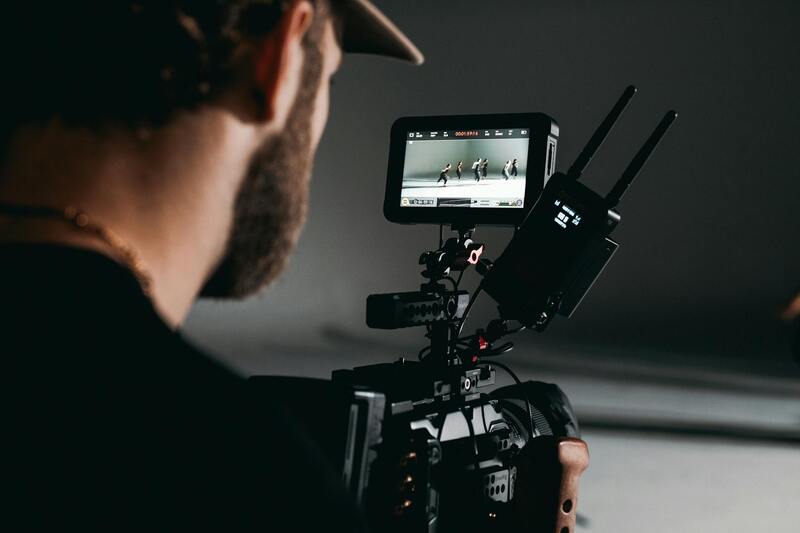
When assessing live stream companies in Miami, understanding the technical foundation they employ can provide valuable insight into the quality and reliability of the service. Leading providers utilize state-of-the-art equipment to ensure crisp visuals, uninterrupted streams, and seamless integration of multimedia elements. Essential components typically include high-definition cameras capable of multiple angles, professional-grade audio mixers for clear sound, and robust encoding hardware that transmits data efficiently across various platforms.
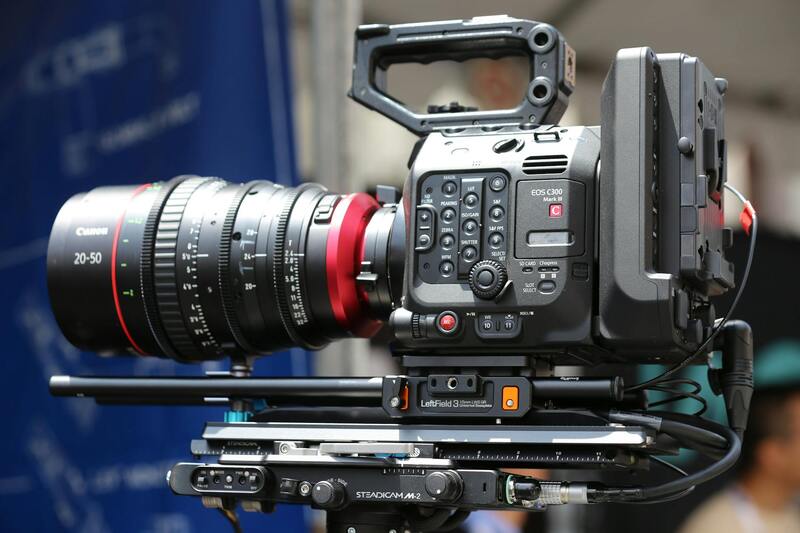
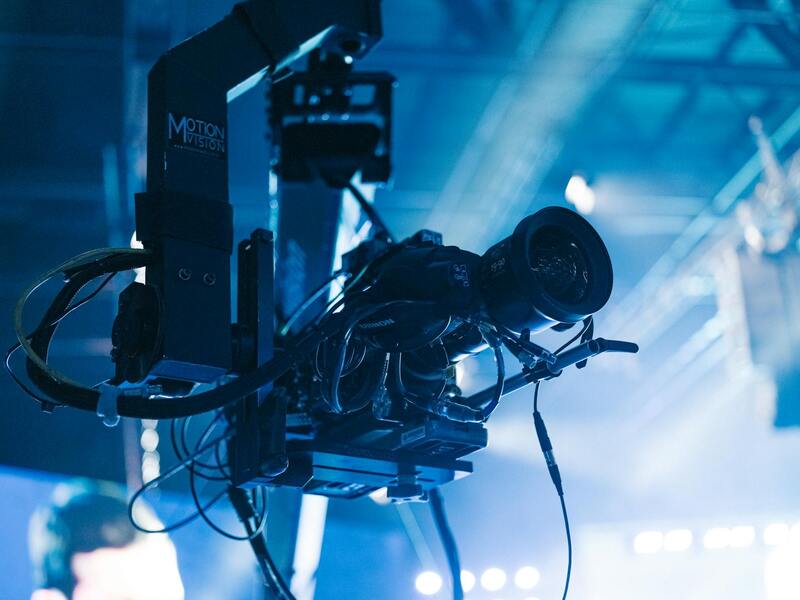
Modern live stream setups often incorporate specialized switchers and control systems that allow operators to switch between multiple camera feeds smoothly, add real-time graphics or overlays, and manage on-the-fly adjustments. For larger events, auxiliary equipment like portable lighting rigs, wide-angle lenses, and stabilization gimbals contribute to broadcast quality, especially in dynamic environments or outdoor locations.
Moreover, technical teams employ connectivity solutions such as dedicated internet lines or bonded cellular networks to mitigate potential disruptions, ensuring stable streaming regardless of venue limitations. Backup power sources and redundant hardware enhance resilience, minimizing the risk of downtime during critical moments.
Key Technologies Facilitating Modern Live Streaming
- 4K Resolution Cameras: Deliver sharp, detailed visuals suitable for large screens and high-definition viewers.
- Stream Encoders: Compress raw video data for efficient transmission across the internet while maintaining quality.
- Multipoint Switching: Enable live editing and switching between different camera angles or sources seamlessly.
- Audio Mixing Consoles: Provide balanced sound quality with options for live dialogue, music, and ambient sounds.
- Remote Management Software: Allow operators to monitor and control streams from centralized locations, facilitating prompt adjustments.
Additional Technologies Supporting Engagement and Interaction
- Sponsoring and Branding Overlays: Integrate graphics for branding, informational purposes, or viewer prompts.
- Audience Interaction Extensions: Incorporate live chat, polls, or Q&A features to boost viewer participation.
- Cloud-Based Streaming Platforms: Offer scalable, reliable delivery of content across multiple devices while allowing for easy access and recording.
Security Considerations in Live Streaming Equipment
Modern live streaming companies implement security measures such as encrypted streams and firewalled networks to prevent unauthorized access and safeguard sensitive content. Regular maintenance and firmware updates for equipment further protect against vulnerabilities, ensuring each broadcast is secure and uninterrupted.