
Overview of Live Streaming Services
In today’s digital landscape, live streaming services have become integral for businesses, broadcasters, and event organizers seeking to extend their reach beyond traditional audiences. These services allow real-time broadcast of events, presentations, conferences, and performances directly over the internet. As live streaming continues to evolve, it provides a seamless way to connect with viewers regardless of geographical barriers, offering immediacy and engagement that pre-recorded content cannot match.
Effective live streaming involves a complex blend of technology, infrastructure, and expertise to deliver high-quality video and audio content. For organizations aiming to maximize visibility and interaction, partnering with professional live streaming providers ensures a polished and reliable broadcast. These providers handle everything from the initial setup and content management to streaming and troubleshooting, enabling clients to focus on their core message or event.
The importance of live streaming services extends across multiple sectors. Corporations utilize these solutions for product launches, webinars, and internal communications. Educational institutions stream lectures and seminars to reach broader student populations. Event planners and entertainment companies broadcast concerts, festivals, and sporting events. The ability to transmit live content professionally enhances brand visibility, facilitates real-time engagement, and opens new avenues for monetization and audience participation.
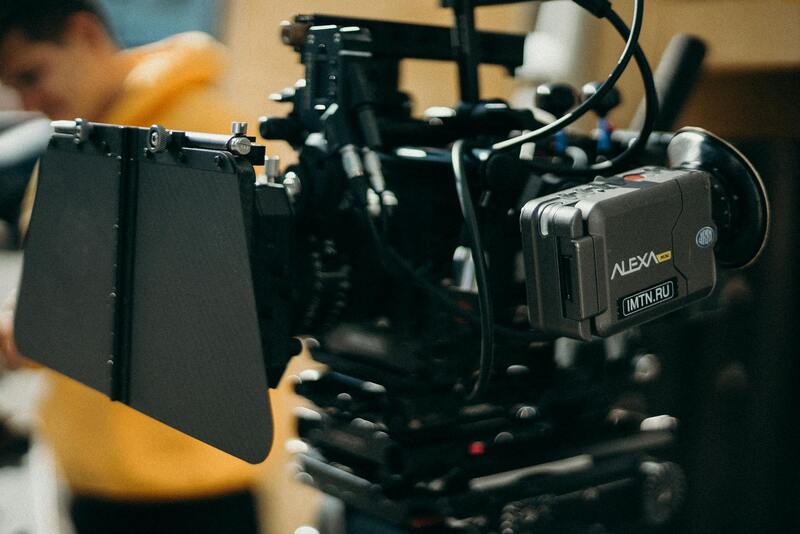
As the demand for live streamed content continues to grow, so does the need for sophisticated solutions that guarantee stability, clarity, and broader accessibility. This creates an environment where businesses can leverage the most effective methods and strategies to present their frames and messages to viewers worldwide, making professional live streaming an essential component of modern digital engagement.
Key Features of Professional Live Streaming
- High-Quality Video and Audio: Utilizes advanced encoding technologies to ensure crisp visuals and clear sound, even in high-pressure environments.
- Reliable Connectivity: Establishes stable internet connections to prevent interruptions, buffering, or drops during broadcasts.
- Multi-Platform Compatibility: Streams seamlessly across various devices and platforms, including social media, websites, and dedicated apps.
- Interactive Capabilities: Incorporates live chat, poll features, and Q&A sessions to engage viewers actively.
- Scalability: Adapts to the size and scope of an event, handling large audiences without compromising quality.
- Security Measures: Implements encryption and access controls to protect content and prevent unauthorized streaming.
Types of Live Streaming Solutions
Various live streaming options cater to different needs, from simple event broadcasting to complex multi-camera productions. These include:
- Single-Camera Live Streaming: Suitable for small events or individual presentations, offering simplicity and ease of operation.
- Multi-Camera Production: Provides dynamic, professional-grade broadcasts with multiple angles, transitions, and overlays.
- Webcast Hosting Platforms: Cloud-based services where content is uploaded and distributed directly to audiences over the internet.
- Hybrid Solutions: Combine local streaming with cloud distribution for enhanced flexibility and reach.
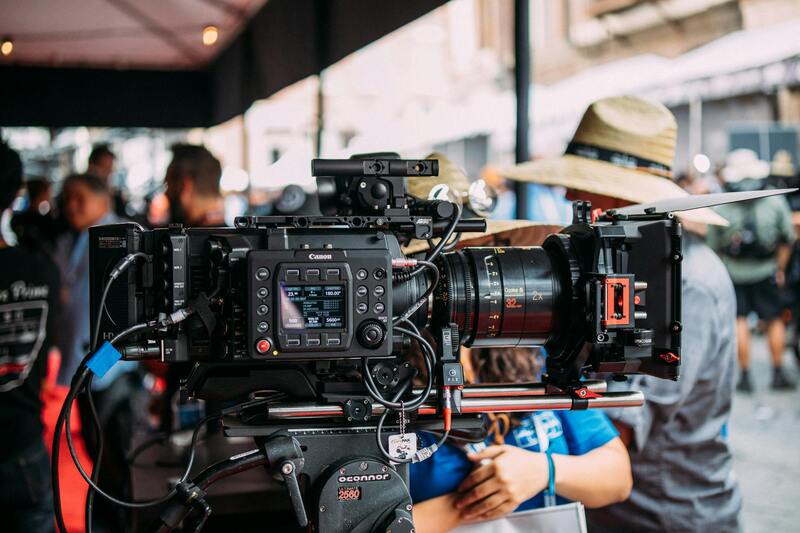
Choosing the right solution depends on the specific requirements, target audience, and budget of each project, which professional service providers can expertly evaluate and execute.
Key Features of Professional Live Streaming
Utilizing professional live streaming services ensures a superior broadcasting experience that distinguishes itself through advanced technical features and seamless delivery. At the core of these services are high-definition video quality capabilities, providing crisp visuals that are crucial for engaging viewers and delivering impactful presentations, performances, or corporate events. Reliability is another critical aspect; professional providers incorporate redundant network connections and backup systems to minimize disruptions, buffering, or delays, even during high-demand periods.
Multi-platform broadcasting is designed to maximize audience reach by simultaneously streaming content across various channels such as social media platforms, dedicated websites, and custom apps. This multi-channel approach ensures viewers can access content through their preferred devices and interfaces, increasing visibility and engagement.
Interactive features are integrated to foster audience participation and engagement. These include real-time chat functions, live polls, and Q&A sessions, which enable direct communication between hosts and viewers. Additionally, professional services often incorporate customizable overlays and graphics, enhancing brand presentation and visual appeal.
Robust security measures are a fundamental component, safeguarding content through encryption protocols and access controls. This ensures that only authorized audiences can view the streams, preventing unauthorized access or illegal distribution.
The ability to adapt these features to various event types—ranging from small meetings to large-scale conferences—is vital. Professional live streaming providers tailor their offerings to meet specific organizational needs, ensuring a tailored approach that aligns with event goals and audience expectations.
Equipment and Technology Used
Technical gear such as high-definition cameras, professional audio systems, and advanced encoding hardware form the backbone of high-quality streams. Efficient network infrastructure, including dedicated internet connections and content delivery networks (CDNs), facilitates smooth transmission. Moreover, software solutions for mixing, live editing, and graphic overlays contribute to a polished final product.
Key Considerations When Choosing a Service Provider
- Experience and Reputation: Proven track record in delivering seamless live broadcasts.
- Technical Capabilities: Range of equipment, platform compatibility, and scalability options.
- Customer Support: Availability of technical assistance before, during, and after an event.
- Customization Options: Flexibility in branding, overlays, and interactive feature integration.
- Cost and Packages: Transparent pricing models aligned with event requirements and budget.
Advanced Technologies and Equipment Employed
To deliver an exceptional live streaming experience, providers utilize cutting-edge technology and sophisticated equipment. High-definition cameras capture visuals with crystal-clear clarity, whether during a small corporate presentation or a large conference. These cameras often include pan-tilt-zoom (PTZ) functionalities, allowing for dynamic shots and seamless transitions that enhance viewer engagement.
Professional audio systems complement the visuals, with industry-standard microphones and sound mixers ensuring crystal-clear audio quality. This combination provides an immersive experience, vital for maintaining viewer attention and conveying professionalism.
Encoding hardware plays a crucial role in compressing high-quality video streams for efficient transmission across networks. Advanced encoders are capable of handling multiple input sources, enabling real-time mixing, overlays, and graphics that enhance the presentation. Content delivery networks (CDNs) further optimize distribution, reducing latency and buffering, particularly when streaming to large audiences across various locations.
Complementing hardware, specialized software solutions are employed for live editing, real-time graphic overlays, and audience interaction features. These tools allow producers to add branding elements, lower-thirds, live chats, and polls, creating a dynamic and engaging viewer experience.
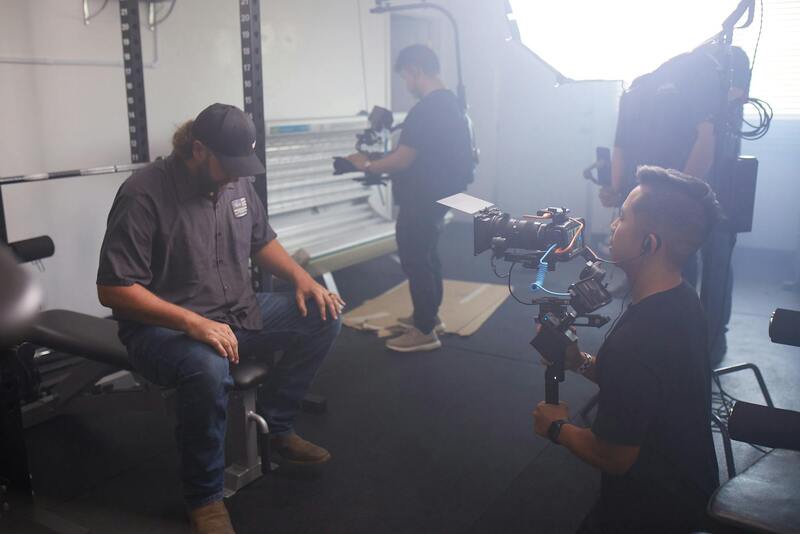
Ensuring a seamless streaming process depends heavily on robust network infrastructure. Dedicated high-speed internet connections minimize disruptions during broadcasts. In many cases, providers implement redundant systems and failover mechanisms, allowing for uninterrupted streaming even in case of technical issues. The integration of these advanced tools and infrastructure results in a polished, professional live stream capable of meeting the high standards expected by clients and audiences alike.
Equipment and Technology Used
Professional live streaming services employ a comprehensive array of advanced equipment and cutting-edge technology to ensure broadcast quality, reliability, and viewer engagement. Central to these capabilities are high-definition cameras, which provide crisp, clear visuals essential for capturing the essence of live events. These cameras often feature multiple lenses and adjustable settings to adapt to different lighting conditions and shot requirements, enabling a seamless visual experience regardless of event complexity.
In addition to top-tier cameras, streaming providers utilize professional-grade audio equipment, including high-fidelity microphones, audio mixers, and sound processing units. These components work together to capture and deliver pristine sound, eliminating background noise and balancing audio levels for an optimal listening experience. Proper sound reproduction is vital for conveying information clearly and maintaining audience interest throughout the event.
Encoding hardware is another critical element, responsible for compressing and transmitting video data efficiently across networks. Advanced encoders handle multiple input sources simultaneously, enabling live switching, overlays, and graphics to enhance visual appeal and branding. These encoders often support multi-channel streaming, providing redundancy and failover options to prevent interruptions during critical broadcasts.
Content delivery networks (CDNs) play a pivotal role in distributing live streams globally with minimal latency. By utilizing expansive server networks, CDNs ensure consistent streaming quality across different regions, reducing buffering and lag, especially during high-traffic events. This technological infrastructure is essential for maintaining a reliable and professional broadcast experience.
Complementing hardware, specialized software solutions facilitate real-time editing, live graphic overlays, and audience interaction features such as chat integrations and polls. These tools allow producers to dynamically modify content, embed branding elements, and engage viewers, creating a lively and interactive broadcast. Seamless integration of hardware and software is fundamental to producing a polished live stream that meets high standards of professionalism and viewer satisfaction.
Wherever the live event takes place—whether indoors or outdoors—the equipment must be versatile and durable. Many providers employ portable setups that can be deployed quickly and adapted to various environments, ensuring consistency in quality regardless of physical constraints. Additionally, robust network infrastructure with dedicated high-speed internet and backup systems is critical to prevent unexpected disruptions and guarantee smooth streaming from start to finish.
Equipment and Technology Used
To deliver high-quality live streaming experiences, professional service providers leverage state-of-the-art equipment and cutting-edge software solutions. At the core of this technology stack are advanced cameras capable of capturing high-definition (HD), 4K, or even higher resolution videos, ensuring crystal-clear visuals that meet the high standards expected in professional broadcasts. These cameras often feature low-light sensitivity and fast autofocus to adapt to varying lighting conditions, whether indoor or outdoor.
Complementing the cameras are professional audio mixing consoles and wireless microphones that provide clear, balanced sound, crucial for audience engagement. High-quality audio ensures that viewers receive a seamless auditory experience, free from noise or distortion, even in noisy environments or outdoor settings.
Integration of advanced broadcast software enhances the overall production quality. Software platforms like vMix, Wirecast, or OBS Studio enable live switching between multiple camera feeds, adding real-time graphics, overlays, and transitions. These tools facilitate dynamic content adjustments, such as displaying live scores, branding, or viewer comments, which elevate engagement levels.
Hardware encoders convert the video signals into streamable data formats compatible with online platforms. These encoders, whether hardware or software-based, are designed to handle high data throughput, ensuring smooth delivery even during peak traffic periods. Network hardware such as high-performance routers and switches provide stable internet connections, minimizing latency and buffering.
To ensure robustness, professional setups often include redundant systems—backup encoders, secondary internet lines, and UPS (Uninterruptible Power Supplies)—to maintain broadcast continuity in case of technical issues. This redundancy safeguards against interruptions and guarantees that the live stream remains uninterrupted, providing viewers with a consistent, professional experience.
Summary of Technical Tools
- High-definition and 4K streaming cameras
- Professional-grade audio mixers and wireless microphones
- Advanced broadcast software for live switching and overlays
- Reliable hardware encoders and network infrastructure
- Redundant power supplies and internet failover systems
Equipment and Technology Used
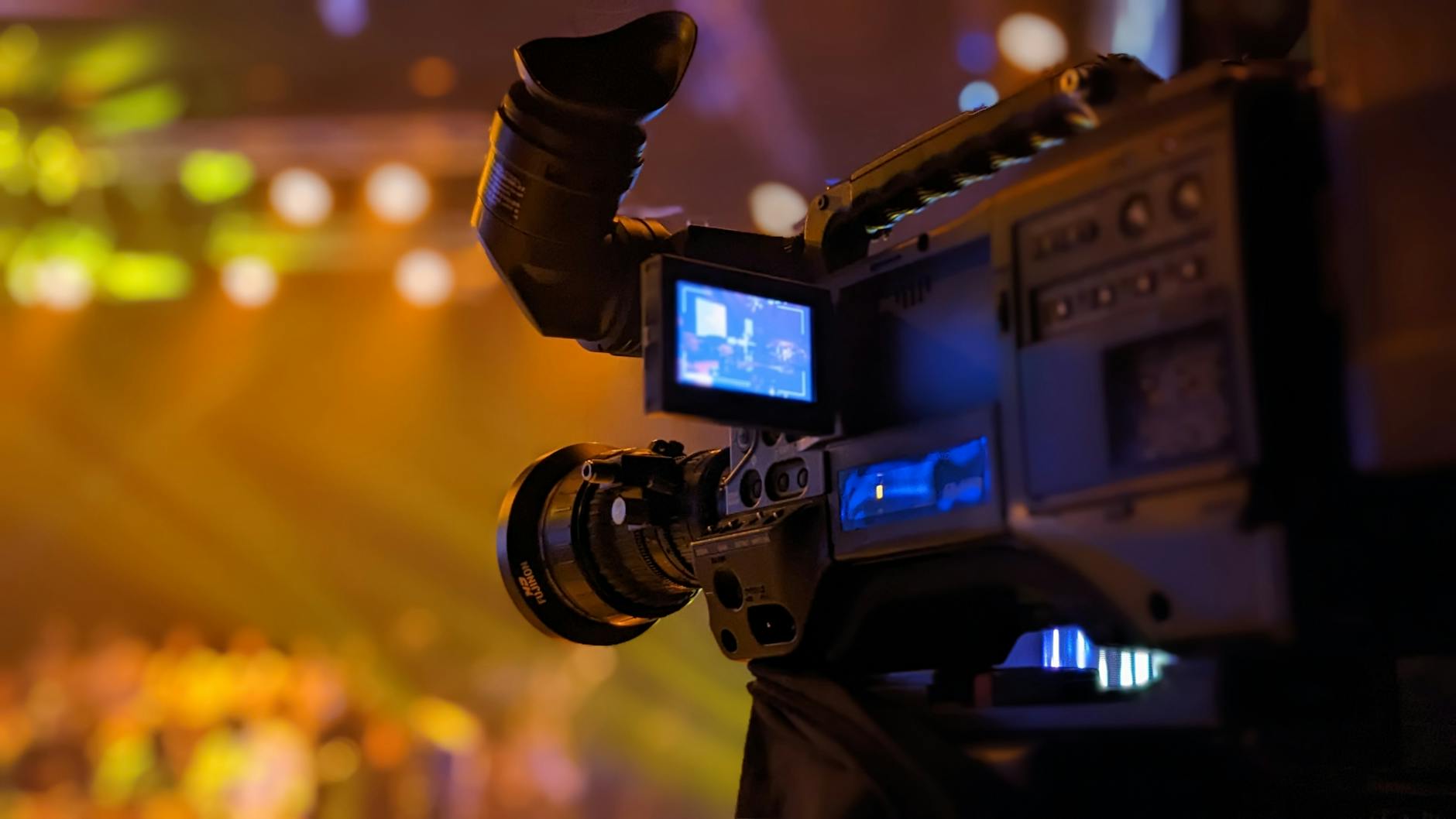
Professional live streaming services rely on a sophisticated blend of hardware and software to deliver high-quality broadcasts. Central to this setup are high-definition and 4K cameras capable of capturing every detail with clarity, ensuring that viewers experience crisp visuals regardless of their device. These cameras often feature professional-grade lenses, stabilization systems, and remote control capabilities to facilitate dynamic shots and varied angles seamlessly.
Accompanying the video capture devices are advanced audio systems, including professional mixers and wireless microphones, which guarantee clear, balanced sound that enhances viewer engagement without distractions. Proper audio integration is crucial, especially for live events such as conferences or performances, where sound quality significantly impacts overall viewer satisfaction.
The video signals generated by cameras are processed through high-performance broadcast software like vMix, Wirecast, or OBS Studio. These applications enable live switching between multiple video feeds, addition of real-time graphics, overlays, and transitions, creating a polished and engaging broadcast. The software also allows for real-time editing to adapt to evolving event dynamics, maintaining broadcast fluidity.
Hardware encoders are vital in converting raw video signals into formats suitable for streaming over the internet. These encoders, whether standalone devices or integrated within software solutions, are designed to sustain high data throughput and minimize latency, ensuring that the live feed remains stable and smooth even during intensive traffic periods.
Reliable network infrastructure forms the backbone of professional streaming setups. High-performance routers and switches provide stable internet connectivity, while redundant systems such as backup internet connections, secondary encoders, and uninterruptible power supplies (UPS) are implemented to prevent disruptions. These redundancies enable continuous broadcast operations despite unexpected technical hitches.
Overview of Live Streaming Services
Professional live streaming services have become essential for delivering high-quality digital content across diverse audiences and platforms. These services encompass end-to-end solutions, including content production, encoding, transmission, and distribution, ensuring a seamless experience for viewers. Whether broadcasting corporate events, sports competitions, concerts, or conferences, the reliance on sophisticated infrastructure and expertise allows organizations to expand their reach significantly while maintaining a polished presentation. Such services often incorporate advanced tools for video mixing, real-time graphics, and interactive features that enhance viewer engagement and deliver a compelling broadcast.
Key Features of Professional Live Streaming
- High-Definition Quality: Utilization of 1080p, 4K, and multi-bitrate streams to ensure clarity and adaptability to various devices and internet speeds.
- Multi-Platform Distribution: Simultaneous streaming across social media channels, proprietary websites, and specialized platforms broadens audience accessibility.
- Custom Branding and Graphics: Integration of overlays, logos, and branded elements to reinforce event identity and professionalism.
- Real-Time Monitoring and Analytics: Continuous tracking of stream health, viewer metrics, and engagement levels to optimize ongoing broadcasts.
- Interactive Features: Live chat, Q&A sessions, polls, and viewer participation tools increase engagement during the event.
- Redundancy and Reliability: Backup encoders, internet connections, and power supplies ensure uninterrupted streams even amid technical issues.
Types of Live Streaming Solutions
Various solutions cater to specific event needs, ranging from small-scale webinars to large-scale, multi-camera productions. These include:
- Webinar and Virtual Conference Streaming: Focused on interactive presentations with moderate production requirements, often utilizing cloud-based platforms for ease of access.
- Event Live Streaming: For concerts, festivals, and sports, this mode employs multiple camera feeds, on-site control rooms, and advanced switching capabilities.
- On-Demand Streaming: Post-event content that remains accessible, allowing extended viewer engagement beyond the live moment.
- Hybrid Broadcasts: Combining live and pre-recorded content, hybrid setups offer flexibility and integration for complex event programming.
Benefits of Hiring a Professional Streaming Provider
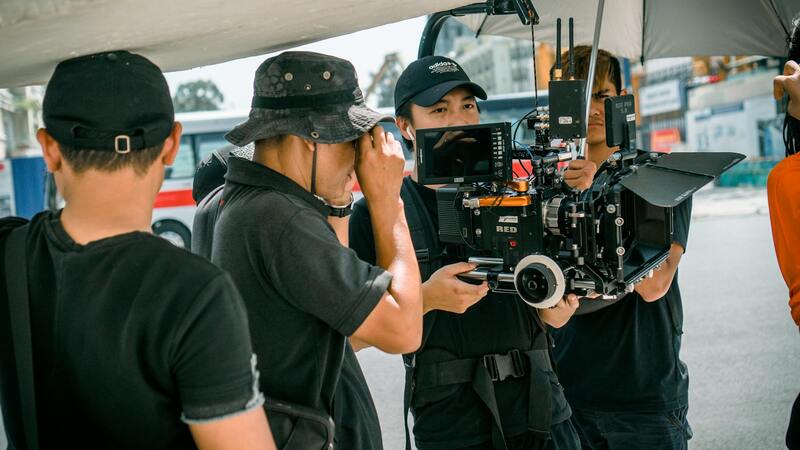
Opting for experienced providers ensures that all technical aspects, from high-quality content capture to reliable transmission, are meticulously managed. Their expertise minimizes the risk of disruptions and guarantees a smooth viewing experience, which is critical when broadcasting high-stakes or large audiences. Additionally, professional providers bring a wealth of industry knowledge, allowing customization to meet specific event goals, audience engagement strategies, and branding requirements. This partnership often results in enhanced audience retention, greater online visibility, and the ability to adapt swiftly to live event dynamics.
Equipment and Technology Used
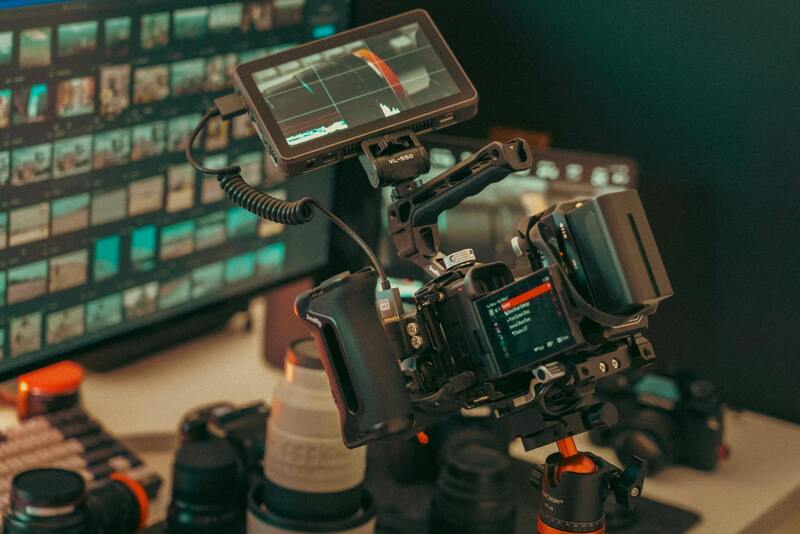
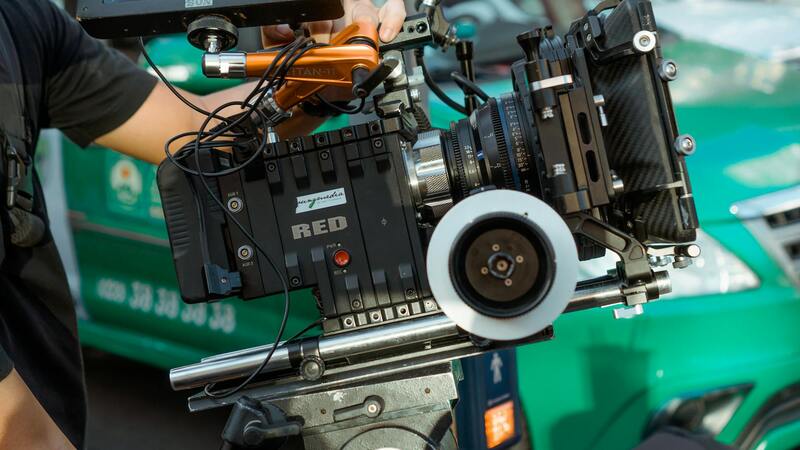
High-end hardware forms the backbone of professional live streaming. Key components include:
- Cameras: 4K, PTZ (pan-tilt-zoom), and mobility-enabled units to capture various angles and high-quality footage.
- Encoding Devices: Hardware encoders enable real-time video compression suitable for live transmission, often integrated with streaming software.
- Switchers and Mixer Boards: Facilitate smooth transitions between camera feeds, overlays, and graphics during the live broadcast.
- Audio Equipment: Wireless microphones, audio mixers, and sound processors ensure clean, synchronized sound.
- Networking Infrastructure: High-speed internet connections, routers, switches, and redundant systems guarantee stable data flow and minimize latency.
Key Considerations When Choosing a Service Provider
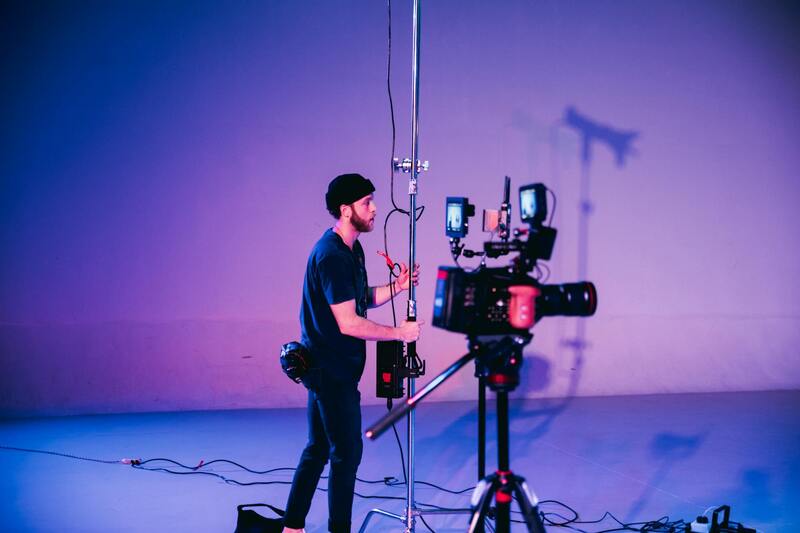
When selecting a professional live streaming provider, it is vital to evaluate their technical expertise, portfolio, and client testimonials. Consider their experience with events similar to yours, their capacity to handle project scope, and the quality of equipment they deploy. Clarity on their workflow—from pre-production planning and setup to the actual broadcast and post-event analytics—helps ensure alignment with your objectives. Additionally, assessing their responsiveness and customer support is crucial, as seamless communication often directly correlates with a successful live event. Cost transparency, including all associated fees for equipment, bandwidth, and post-production, should also be thoroughly reviewed to avoid unexpected expenses. Ultimately, a provider with proven reliability and the ability to customize solutions to your specific event needs becomes an invaluable partner in delivering impactful live streams.
Overview of Live Streaming Services
Live streaming services have revolutionized the way organizations and individuals broadcast events, allowing real-time sharing of content over the internet. These services encompass a range of offerings, from basic streaming solutions suitable for small gatherings to comprehensive packages designed for large-scale productions. Professional live streaming services provide high-quality audio and video transmission, robust infrastructure, and expert technical support to ensure seamless broadcast experiences. By partnering with experienced providers, clients gain access to specialized equipment, customized workflows, and featured functionalities that elevate their event presentations. Such services are vital for reaching diverse audiences, increasing engagement, and expanding the reach of events beyond physical locations.

Key Features of Professional Live Streaming
Professional solutions are distinguished by their advanced feature set, ensuring reliable and engaging broadcasts. High-definition video delivery (including 4K options), multi-camera support, and real-time graphics integration contribute to a polished presentation. Additionally, these services feature end-to-end encryption and secure data transmission to uphold content integrity. User-friendly interfaces for event management, streamlined workflows for pre-event planning, and accessible analytics post-broadcast help clients optimize future streams. Furthermore, multi-platform streaming capabilities allow audiences to watch via various devices and social media channels simultaneously, maximizing coverage and audience interaction.
- High-definition video quality including 4K support
- Multi-camera switching and overlays
- Real-time graphics and subtitle integration
- End-to-end encryption and security protocols
- Multi-platform broadcasting to social media and web portals
- Detailed post-event analytics and reports
Types of Live Streaming Solutions
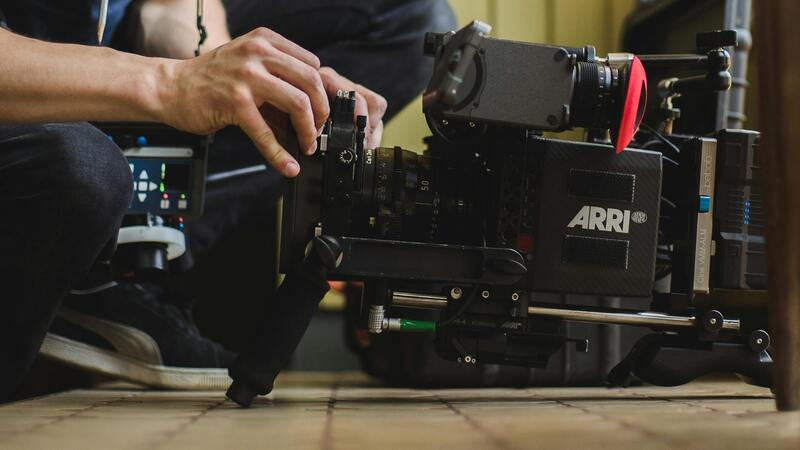
There are several main types of live streaming solutions, each tailored to specific event requirements and audience expectations. These include:
- Event-Specific Streaming: Designed for conferences, festivals, sports, or corporate events, these solutions often incorporate customized branding and multimedia content.
- Webcast Platforms: Focused on broad audience reach via dedicated portals or integrated platforms, providing scalability and easy access.
- Multistreaming Services: Allow simultaneous broadcasting across multiple social media channels or streaming sites, broadening audience engagement.
- On-Demand Replay: Post-event recording services, enabling viewers to access content after the live broadcast concludes for increased exposure.
Each solution type offers distinct benefits and features, making it essential to select the one that aligns with the specific goals and logistics of your event.
Benefits of Hiring a Professional Streaming Provider
Engaging a professional live streaming service provider ensures high production quality, technical reliability, and an overall smooth viewing experience for audiences. Professional providers bring specialized expertise in handling complex setups, managing multiple camera feeds, and troubleshooting technical issues quickly. Their experience enhances the visual and audio clarity of the broadcast, making the event more engaging and memorable. Additionally, trusted providers offer comprehensive support throughout the entire process—from pre-event planning and setup to live execution and post-event analysis. This partnership reduces the risk of technical failures, minimizes downtime, and ensures your event’s success across all digital platforms. Furthermore, leveraging their infrastructure and content delivery networks (CDNs) ensures that streams reach large and geographically dispersed audiences without interruption, optimizing viewer satisfaction and participation.
Equipment and Technology Used
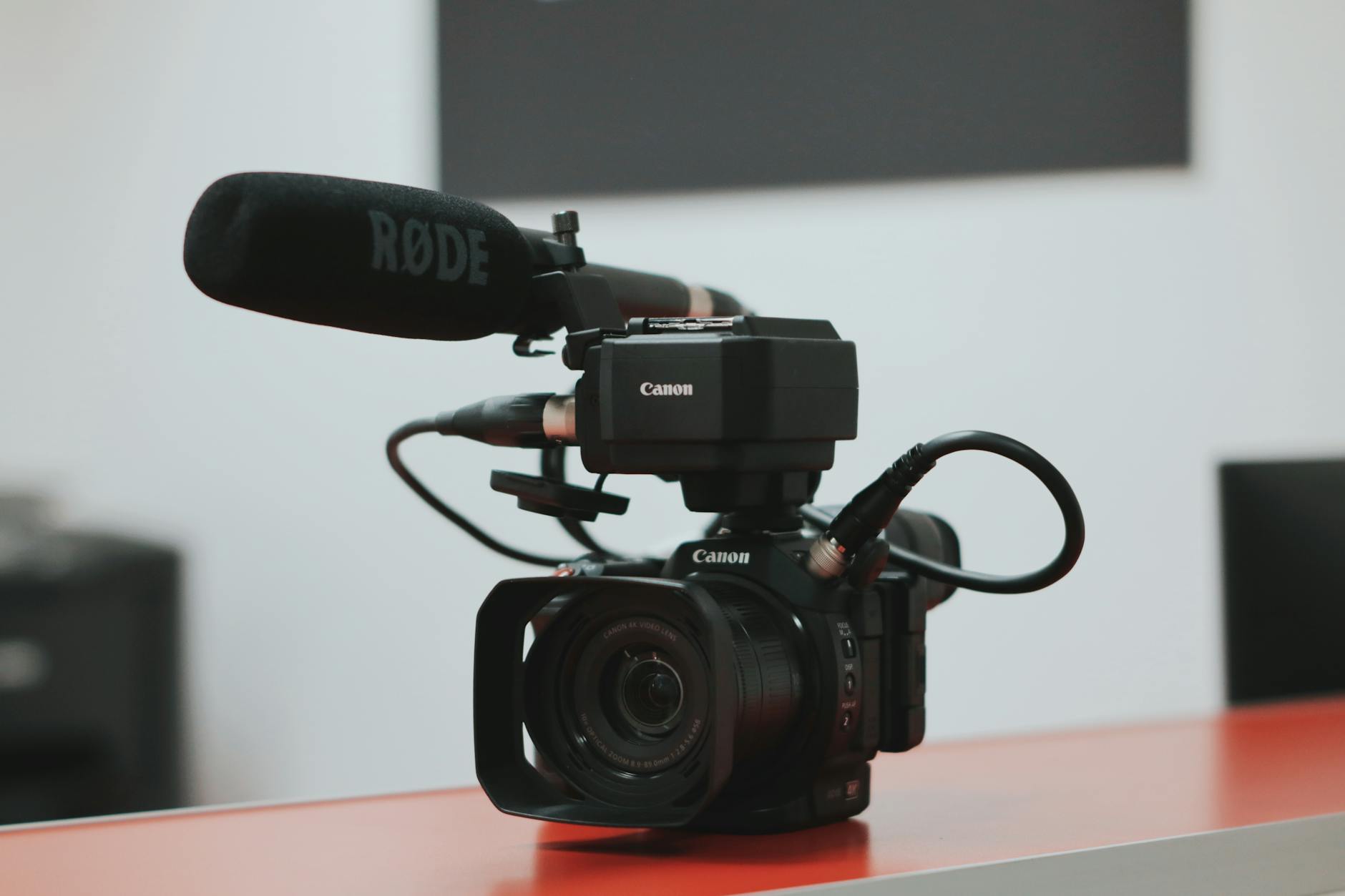
For professional live streaming, top-tier equipment is essential to deliver high-quality content. This includes:
- Cameras: High-definition and 4K cameras with remote control capabilities for flexible positioning.
- Switchers and Mixer Boards: Devices that facilitate seamless transitions between camera feeds, overlays, and graphic inserts during live broadcasts.
- Audio Equipment: Wireless microphones, sound mixers, and digital audio processors to ensure pristine sound quality.
- Streaming Hardware: Encoders and dedicated streaming servers that convert video signals into streaming formats compatible with various platforms.
- Networking Infrastructure: High-speed internet, redundant connections, and optimized routers to maintain stable and low-latency streams.
Key Considerations When Choosing a Service Provider
Selecting the right live streaming partner involves evaluating their technical expertise, equipment, and client support structure. It is critical to review their portfolio, especially their experience with similar types of events, to gauge their capability in handling your specific needs. Transparency around project workflows—from planning phases and content setup to live management and post-event analytics—is vital. Responsiveness to client requests, communication efficiency, and the ability to adapt solutions as needed enhance the overall experience. Cost considerations should also be clarified upfront, including charges for bandwidth, equipment, and subsequent content management. Reliable providers typically offer customizable service packages, enabling you to tailor solutions that align perfectly with your event’s objectives and budget.
Local Live Streaming Service Providers in Miami
Miami boasts a vibrant market for professional live streaming services, with several reputable providers specializing in events of all scales. These local companies leverage cutting-edge technology and local expertise to deliver tailored solutions for corporate events, concerts, sports, and community gatherings. When choosing a Miami-based provider, consider their familiarity with the local event landscape, prior client success stories, and their ability to provide on-site support. Many local providers also maintain a network of technical specialists who can assist in pre-event planning, technical setup, and real-time management. Engaging with a nearby provider simplifies logistics, facilitates faster response times, and fosters smoother collaboration throughout the event lifecycle.