
Understanding Professional Streaming Services
In the digital age, the demand for high-quality live and on-demand content continues to grow exponentially. Professional streaming services have emerged as essential components for organizations, production agencies, and content creators aiming to deliver seamless, reliable, and engaging media experiences. These services go beyond simple broadcast solutions, offering sophisticated platforms designed to handle complex broadcasting needs, ensure optimal viewer engagement, and maintain high production standards.
At their core, professional streaming services enable entities to transmit audio-visual content through the internet with professional-grade quality. This includes live event coverage, corporate broadcasts, educational webinars, and entertainment programming. Unlike basic streaming options, these services are equipped with advanced features such as adaptive bitrate technology, multi-camera support, real-time editing, and interactive viewer engagement tools that ensure the content remains vibrant and accessible across various devices and network conditions.

Producing high-caliber live or on-demand content requires a robust infrastructure, which professional streaming providers supply through high-capacity servers, optimized CDN (Content Delivery Network) integration, and dedicated bandwidth management. These elements ensure minimal latency, buffer-free streams, and a consistent viewing experience, even during peak traffic periods. For production agencies, utilizing these services allows for focus on content creation while relying on expert infrastructure management.
The role of professional streaming services extends to comprehensive content management, including secure access controls, analytics to monitor viewer engagement, and scalability to accommodate growing audiences. Whether broadcast involves a few dozen viewers or thousands, these services adapt to meet the demands efficiently. This capability enables production companies in Miami and beyond to deliver premium content that meets professional standards and exceeds client expectations.
Furthermore, many providers offer customizable solutions tailored to specific industry requirements, such as live sports, corporate communications, or educational content. This customization is vital for maintaining brand consistency, meeting compliance standards, and achieving targeted outreach. As technology advances, the integration of features such as 4K resolution, virtual reality, and augmented reality is becoming commonplace within professional streaming services, further elevating the quality and immersive experience of broadcasts.
Key Features and Capabilities
Professional streaming services are distinguished by their robust feature set designed to deliver high-quality, reliable content to diverse audiences. One of the core attributes is the capacity for high-resolution streaming, including 4K and ultra-high-definition formats, which ensure crisp visuals and immersive viewing experiences suitable for broadcasts, corporate presentations, and live events. Such clarity is essential for maintaining a polished, professional appearance that reflects positively on the producing organization.
Seamless integration with multiple platforms is another critical feature. Modern streaming solutions often support broadcasting across websites, mobile applications, smart TVs, and social media channels simultaneously. This multi-platform approach maximizes reach and engagement while providing viewers with convenient access points tailored to their preferred devices.
Security remains paramount in professional streaming. Advanced encryption protocols, secure access controls, and digital rights management (DRM) safeguard content against unauthorized distribution. Detailed analytics tools embedded within these services enable content creators and broadcasters to monitor viewer engagement, track performance metrics, and gather insights for future content optimization.
Furthermore, user engagement tools, such as live chat, polls, and interactive graphics, foster a dynamic viewer experience. These features not only enhance interaction but also provide valuable data reflecting audience preferences and behaviors.
Understanding Professional Streaming Services
Professional streaming services represent a sophisticated approach to digital content dissemination, catering to organizations that require high-quality, reliable, and customizable delivery channels. These platforms are designed to support a diverse array of content types, from live broadcasts and webinars to on-demand media, ensuring seamless transmission across multiple devices and networks. Unlike consumer-grade streaming solutions, professional platforms emphasize robust infrastructure, security, and technical support, making them suitable for enterprise-level events, corporate communications, and large-scale public presentations.

Central to these services is the capability to handle high data throughput with minimal latency, which is critical for maintaining viewer engagement during live events. They often incorporate adaptive bit-rate streaming, enabling the transmission of content at different quality levels based on user bandwidth, thus preventing buffering and ensuring a smooth viewing experience. Additionally, multi-platform compatibility allows audiences to access streams seamlessly on desktops, tablets, and smartphones, broadening audience reach and engagement.
Key Features and Capabilities
- High-Resolution Support: Enabling 4K, HD, and SD streams to cater to varying viewer preferences and device capabilities.
- Scalability: Dynamically adjusting bandwidth and resources to accommodate fluctuating audience sizes.
- Interactive Tools: Features like live chat, Q&A, polls, and real-time analytics to foster viewer interaction and gather engagement data.
- Multi-Platform Support: Compatibility across different operating systems and devices ensures broad accessibility.
- Security Measures: Encryption, access controls, and authentication protocols safeguard content and viewer data.
- Customization Options: Tailoring streaming workflows, branding elements, and interface layouts to meet specific organizational needs.
- Integration Capabilities: Compatibility with third-party apps and services, including marketing automation tools and content management systems.
These core features are complemented by emerging technological integrations, such as virtual reality (VR) environments for immersive viewing experiences and augmented reality (AR) overlays that enhance visual storytelling. Advanced analytics dashboards provide detailed insights into viewer behavior and engagement, enabling event organizers and content creators to optimize future productions. The ability to incorporate these capabilities into a cohesive streaming strategy is vital for organizations aiming to stand out within competitive markets, particularly in vibrant hubs like Miami where content quality and viewer experience are paramount.

Understanding Professional Streaming Services
Professional streaming services are essential tools for organizations seeking to deliver high-quality live and on-demand content across diverse audiences. These platforms go beyond basic streaming, offering advanced functionalities that ensure reliability, scalability, and security. They are built to cater to the complex needs of broadcasters, media companies, and corporate clients, providing a robust foundation for content delivery and audience engagement. Such services typically include high-capacity infrastructure capable of handling large viewer loads without interruption, customizable interfaces that align with branding requirements, and integration capabilities with other digital tools vital for content management and marketing strategies.

Enhanced Reliability and Quality Assurance
Professional streaming platforms are equipped with redundancies and failover protocols that minimize disruptions, ensuring continuous content delivery even in the face of technical issues. Advanced encoding and adaptive bitrate streaming dynamically adjust video quality based on viewers’ internet speeds, maintaining optimal viewing experiences across a broad spectrum of devices and connection speeds. This level of technical sophistication is indispensable for broadcasters aiming to provide consistent, high-quality streaming that meets audience expectations.
Interactive and Analytical Capabilities
Modern solutions incorporate interactive tools such as live chat, polling, and Q&A sessions that foster real-time viewer engagement. Additionally, comprehensive analytics dashboards monitor viewer behavior, demographics, and engagement metrics, providing actionable insights that inform future content strategy. These features are crucial for organizations that prioritize audience interaction and data-driven decision-making, especially in competitive markets like Miami.
Multi-Platform Compatibility and Security Measures
Seamless compatibility across various devices and operating systems ensures that content reaches viewers wherever they are. Security features, including encryption, access controls, and robust authentication protocols, protect content and sensitive viewer information, maintaining trust and content integrity. Such safeguards are integral to professional streaming ecosystems, where content exclusivity and data privacy are directly linked to organizational reputation and viewer confidence.
Customization and Integration Capabilities
Organizations can tailor streaming workflows, branding elements, and interface layouts to align with organizational identity and specific production needs. Integration with third-party applications such as marketing automation tools, customer relationship management (CRM) systems, and content management systems (CMS) enhances workflow efficiency and enriches the viewer experience. These capabilities allow businesses to create cohesive digital ecosystems that support comprehensive content delivery and audience engagement strategies.
Understanding Professional Streaming Services
Professional streaming services represent a sophisticated ecosystem designed to cater to the demands of high-quality, reliable, and secure content delivery. Unlike consumer-oriented solutions, these platforms provide extensive features tailored for organizational needs, including live broadcasting, on-demand content management, real-time analytics, and multi-platform distribution. They serve a broad spectrum of users from corporate entities to media companies, enabling them to reach audiences efficiently and effectively. In Miami’s dynamic media landscape, selecting a platform that offers comprehensive technical capabilities and scalability becomes essential for achieving strategic objectives.
Core Components of a Professional Streaming Platform
- Robust Content Management: Allows users to organize, upload, and deliver high-quality video assets seamlessly, supporting various formats and resolutions.
- Scalable Infrastructure: Ensures smooth streaming experiences even during peak viewership periods, accommodating growing audiences without compromise.
- Advanced Encoding and Transcoding: Converts raw video content into multiple formats suitable for different devices, enhancing accessibility and user experience.
- Secure Content Delivery: Implements encryption protocols, access controls, and authentication systems to protect sensitive content and viewer data.
- Real-Time Monitoring and Analytics: Provides insights into viewer behaviors, engagement levels, and demographic data, informing future production strategies.
- Multi-Platform Compatibility: Ensures content can be accessed across desktops, mobile devices, tablets, and smart TVs without impairing quality or functionality.
Technical Capabilities that Elevate Streaming Quality
Professional streaming services leverage cutting-edge technology to deliver uninterrupted high-definition content. Adaptive bitrate streaming dynamically adjusts video quality based on viewer bandwidth, preventing buffering issues and enhancing user satisfaction. Content delivery networks (CDNs) distribute data through geographically dispersed servers, reducing latency and ensuring swift access regardless of viewer location. Additionally, firewall and DDoS protection systems safeguard streaming infrastructure from malicious attacks, maintaining service continuity at all times.

Integration with Existing Organizational Systems
Seamless integration allows organizations to embed streaming capabilities into their broader digital environment. This includes linking with content management systems (CMS) for streamlined content deployment, marketing automation platforms to enhance promotional strategies, and customer relationship management (CRM) solutions to target and analyze viewer interactions. Such integration fosters operational efficiency, enhances content discoverability, and helps organizations maintain a cohesive digital presence.
Choosing a professional streaming service with adaptable APIs and flexible architecture ensures compatibility with current technological frameworks. This adaptability minimizes disruptions during implementation and empowers organizations to customize their streaming workflows for maximum effectiveness.
Understanding Professional Streaming Services
Professional streaming services are dedicated platforms designed to deliver high-quality video content to diverse audiences across multiple devices and locations. Unlike standard streaming solutions, these platforms offer advanced features that cater specifically to the needs of businesses, broadcasters, and content creators who require reliable, scalable, and secure delivery of live or on-demand content. They typically provide customizable solutions that can be tailored to organizational needs, allowing for integration with existing digital infrastructures and workflows.
Such services operate on robust infrastructure that ensures seamless streaming experiences, supporting features like adaptive bitrate streaming, multi-bitrate encoding, and multi-platform compatibility. By leveraging global content delivery networks (CDNs), they minimize latency and maximize accessibility, creating smooth and uninterrupted viewing experiences regardless of viewer location. Additionally, these platforms often include extensive analytics and reporting capabilities, enabling organizations to track viewer engagement and optimize their content strategies effectively.

Key Features and Capabilities
- Adaptive Streaming: Dynamic adjustment of video quality based on viewer internet bandwidth, reducing buffering and ensuring smooth playback.
- Scalability: Ability to handle large-scale audiences during live events or peak consumption times without compromising performance.
- Security Measures: Implementation of encryption, digital rights management (DRM), and advanced firewalls to protect content and maintain service integrity.
- Multi-platform Compatibility: Support for streaming across desktops, mobile devices, smart TVs, and integrated applications.
- Content Management Integration: Seamless embedding with existing content management systems for efficient content deployment and updates.
- Analytics & Reporting: In-depth insights into viewer behavior, engagement metrics, and content performance to inform strategic decisions.
Benefits for Miami Production Agencies
For production entities based in Miami, employing a professional streaming service enhances their capacity to broadcast live events, corporate communications, and cultural showcases without geographical limitations. These platforms facilitate real-time audience interaction, broadening reach and engagement during live sessions. Agencies benefit from consistent high-definition outputs that elevate the quality of their productions, reinforcing their reputation for professionalism and technical excellence.
Furthermore, with robust analytics tools, Miami-based agencies can better understand viewer preferences, tailor content accordingly, and improve future productions. The scalable nature of these services allows for growth and adaptation as audience demands evolve, making them a strategic asset in the competitive media landscape.

Choosing the Right Streaming Platform
Selection begins with evaluating the platform’s compatibility with organizational requirements and technical infrastructure. Key considerations include the platform’s ability to handle expected audience sizes, support for various content formats, and ease of integration with existing systems. Administrators should also assess the platform’s security features, including encryption standards and access controls, to protect content. Additionally, the availability of dedicated customer support and technical assistance plays a critical role in ensuring smooth deployment and ongoing operation.
Cost considerations should include not only the initial setup but also ongoing maintenance, scalability options, and usage-based fees. Platforms that offer flexible APIs and customization options enable agencies to adapt streaming workflows to their specific needs, maximizing value and efficiency. Finally, a proven track record of reliable delivery and positive customer feedback can guide organizations toward choosing a trusted provider that aligns with their strategic goals.
Understanding Professional Streaming Services
Professional streaming services have revolutionized how media content is produced, distributed, and consumed, especially within vibrant markets like Miami. These platforms go beyond basic live broadcasting capabilities, offering robust features designed to meet the rigorous demands of media professionals, corporate entities, and educational institutions. They facilitate high-quality content delivery, real-time audience engagement, and seamless integration with existing production workflows. Leveraging such services means access to reliable infrastructure, scalable solutions, and advanced tools that ensure content reaches viewers with clarity and consistency across multiple devices and networks.
Key Features and Capabilities
Modern professional streaming platforms encompass a comprehensive suite of features that optimize the delivery and management of live and on-demand content. Core functionalities include:
- High-Definition and 4K Streaming: Ensures broadcast quality that meets the highest industry standards, providing a visually immersive experience for viewers.
- Adaptive Bitrate Streaming: Dynamically adjusts video quality based on viewers’ internet connection speeds, minimizing buffering and enhancing viewing stability.
- Multi-Device Compatibility: Supports streaming across desktops, mobile devices, smart TVs, and embedded players, broadening audience reach.
- Secure Content Delivery: Incorporates encryption, DRM (Digital Rights Management), and access controls to protect proprietary content from unauthorized access.
- Real-Time Analytics and Reporting: Offers detailed insights into viewer engagement, geographic distribution, and content performance, enabling data-driven decision making.
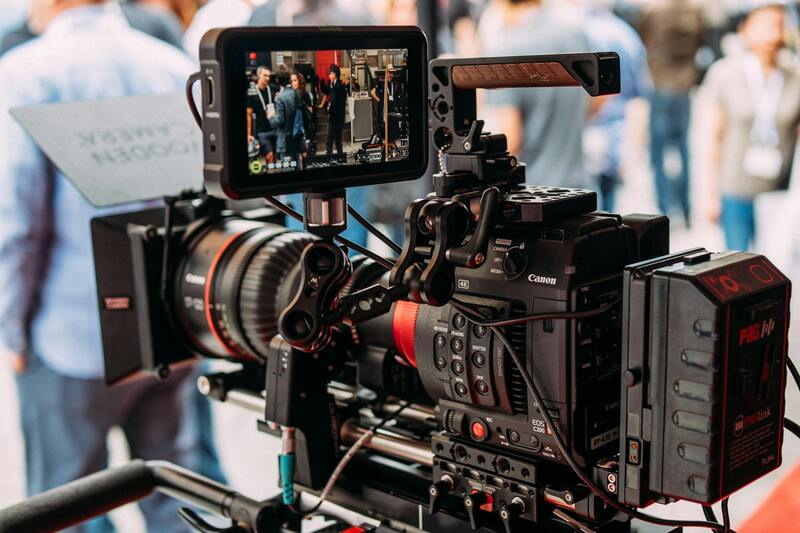
- Integration with Production Equipment: Compatible with professional cameras, encoders, and editing software, streamlining the end-to-end production pipeline.
- Scalability and Redundancy: Supports audience growth with robust infrastructure that minimizes downtime and ensures continuous streaming availability.
 igure>
Benefits for Miami Production Agencies
For Miami’s dynamic media and production agencies, deploying a professional streaming service translates into multiple operational advantages. Firstly, these platforms enable wider audience engagement, allowing agencies to extend their reach beyond traditional media channels, tapping into the city’s diverse and tech-savvy demographic. High-quality streaming ensures the production's professionalism, making content more compelling and increasing viewer retention rates. Additionally, the real-time analytics capabilities provide actionable insights, helping agencies craft targeted content strategies that resonate with their audiences.
Moreover, professional streaming services support collaborative workflows, allowing multiple team members to contribute and manage content seamlessly from different locations. This flexibility is crucial for Miami’s fast-paced environment, where live events, interviews, and corporate broadcasts often require rapid setup and execution. Enhanced security features also safeguard sensitive material, which is vital for corporate and governmental clients concerned with content protection. Overall, integrating these platforms not only elevates production quality but also enhances operational efficiency, streamlining project timelines and reducing technical friction.
Choosing the Right Streaming Platform
Selecting an appropriate professional streaming platform involves a thorough evaluation of technical compatibility, feature set, and support options. Organizations should begin by considering their immediate and future content needs, including expected audience size, types of content (live, on-demand, or hybrid), and specific security requirements. Compatibility with existing hardware and software, such as broadcasting encoders, editing tools, and content management systems, should also be assessed to ensure smooth integration.
Flexibility in customization and API availability are important factors—allowing teams to tailor user interfaces, workflows, and analytics dashboards to align with operational workflows. Reliability and scalability are equally vital; the platform should have a proven track record for delivering uninterrupted streams during peak usage and be capable of scaling seamlessly to accommodate growth.
Support and training services are often overlooked but crucial components. Reliable customer support and technical assistance allow agencies to address issues promptly, minimizing downtime and ensuring consistent content delivery. Cost considerations go beyond initial setup; ongoing expenses related to bandwidth, storage, and future upgrades need to be factored into decision-making.
Implementation and Integration
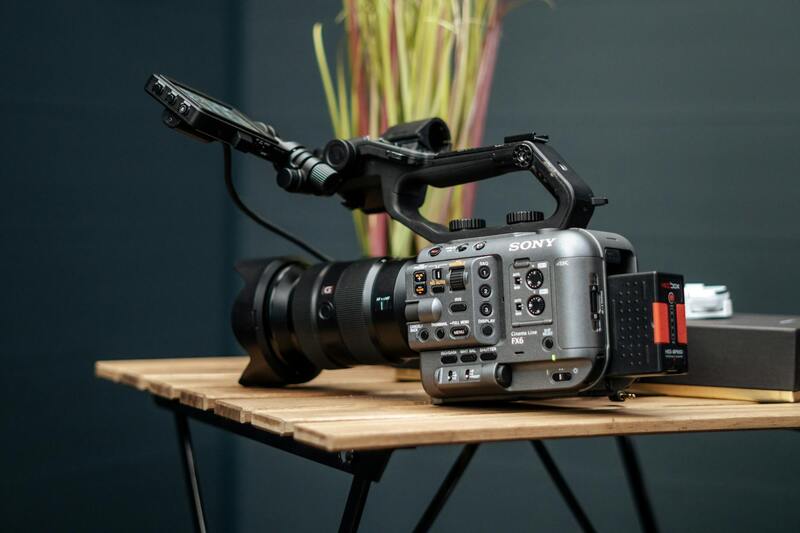
Successfully deploying a professional streaming service involves meticulous planning and collaboration between technical teams and content creators. The process begins with infrastructure assessment, followed by configuring encoding equipment, setting up content management systems, and testing streaming workflows. Compatibility with existing hardware, such as broadcast cameras, audio devices, and switchers, must be confirmed to facilitate high-quality input in real time.
Integration with content management and scheduling tools allows for streamlined content uploads, metadata tagging, and automatic playback. Security protocols—such as encryption keys, access restrictions, and watermarking—should be implemented from the outset to protect sensitive material. Once the system is configured, comprehensive testing ensures that streams are stable, quality remains consistent, and user access controls function correctly.
Training staff and establishing clear operational protocols ensure smooth ongoing management. Regular maintenance, updates, and performance evaluations help maintain optimal system health, ready to handle high-profile live events or continuous on-demand streaming. This layered approach minimizes technical disruptions and maximizes viewer satisfaction, positioning Miami agencies as leaders in delivering high-quality digital content.
Understanding Professional Streaming Services
Professional streaming services provide a comprehensive and reliable foundation for broadcasting high-quality video content to audiences across various digital platforms. These services are designed with advanced infrastructure that ensures minimal latency, high resolution, and secure delivery, fulfilling the demanding needs of content creators, broadcasters, and corporate clients. Unlike casual streaming options, professional platforms offer scalable solutions capable of supporting live events, on-demand video, and interactive features essential for engaging modern viewers. They incorporate robust encoding technologies, CDN integrations, and adaptive streaming protocols, which collectively optimize viewer experience regardless of geographic location or device used.

Selecting a professional streaming service involves evaluating core competencies such as security, reliability, customization options, and the ability to handle complex workflows. These platforms often feature flexible API integration, comprehensive analytics, and support for multiple formats, which are crucial for maintaining broadcast standards and meeting viewer expectations. For Miami-based production agencies, such services bridge the gap between innovative content creation and seamless delivery, ensuring that their productions maintain a competitive edge within South Florida’s vibrant media landscape.
Key Features and Capabilities
- High-Quality Video Encoding: Supporting both HD and 4K streams, enabling broadcast-grade output.
- Content Delivery Network (CDN) Integration: Ensuring global reach and minimized buffering.
- Adaptive Bitrate Streaming: Adjusting video quality based on viewer bandwidth for optimal experience.
- Advanced Security Features: Encryption, access controls, watermarking to protect content integrity.
- Analytics and Reporting: Providing insights into viewer engagement and platform performance.
- Multi-Platform Compatibility: Supporting streaming across desktops, mobile devices, and smart TVs.
- Content Management and Scheduling: Streamlining uploads, metadata tagging, and playback automation.
Benefits for Miami Production Agencies
Utilizing professional streaming services empowers Miami agencies to deliver their content reliably and professionally. These platforms elevate the production value by ensuring stable streams with minimal downtime, which is essential for live broadcasts and significant corporate events. The ability to customize delivery parameters and integrate with existing workflows enhances operational efficiency and reduces turnaround times.
Moreover, local support channels provide quick assistance, aiding agencies in troubleshooting, technical setup, and ongoing maintenance. This support ensures that their productions meet the highest standards without technical disruptions, fostering a reputation for excellence within the competitive Miami entertainment and corporate sectors.
Choosing the Right Streaming Platform
When selecting a professional streaming platform, Miami agencies should consider compatibility with their existing hardware, scalability to accommodate future growth, and the range of features offered. Conducting an in-depth assessment of platform capabilities and trial periods can help determine the best fit for specific production needs.
It’s essential to evaluate the provider’s customer support infrastructure, including regional technical assistance, to address challenges swiftly during critical projects. Integration flexibility, security measures, and compliance with industry standards further influence platform selection. Agencies should also analyze cost structures, ensuring transparency and value for investment over time.
Implementation and Integration
Implementing a professional streaming solution involves detailed planning, from hardware setup to software configuration. Starting with an infrastructure review ensures compatibility with existing broadcast equipment such as cameras, switchers, and audio interfaces. Configuring encoding settings, establishing content management workflows, and conducting test streams are critical steps to validate performance.
Successful integration often requires collaborative efforts between technical teams and content creators. Establishing operational protocols, training staff on platform functionalities, and implementing security measures like encryption and access controls mitigate risks and ensure consistent quality. Regular system reviews and updates keep the streaming environment optimized for Miami's dynamic media market.
Case Studies and Use Cases
Numerous Miami production agencies have leveraged professional streaming platforms to host large-scale conferences, live concerts, and corporate communications. For example, a local event organizer utilized a streaming service with multiple camera feeds and real-time graphics to broadcast a city-wide festival, reaching thousands of viewers without latency issues.
Similarly, a corporate client employed an integrated platform to facilitate a hybrid annual meeting, combining live in-person sessions with virtual participation, ensuring engagement and seamless content flow across all channels. These examples illustrate how tailored streaming solutions can enhance event production, audience interaction, and brand visibility in Miami’s diverse media environment.
Future Trends in Streaming Technology
The evolution of streaming technology continues to shape Miami’s media industry. Emerging trends include the adoption of 5G networks, which promise ultra-fast, low-latency streaming experiences, and the integration of AI-powered analytics to personalize viewer engagement. Enhanced security features, such as blockchain-based content protection, will be increasingly vital to safeguard sensitive material.
Augmented reality (AR) and virtual reality (VR) streaming will open new avenues for immersive storytelling, particularly in live events and digital branding. As these technologies mature, the demand for robust, scalable platforms capable of supporting such innovations will grow, reinforcing the importance of investing in sophisticated, professional streaming solutions that can adapt to future industry demands.