
Understanding Live Video Streaming Production
Live video streaming production encompasses the entire process of planning, executing, and broadcasting real-time video content to audiences across various platforms. It involves a complex combination of technical expertise, creative planning, and equipment management to deliver seamless and engaging live videos. For businesses,-event organizers, media outlets, and content creators in Miami, mastering live video streaming production is essential for enhancing visibility, engaging audiences, and delivering impactful messaging.
The significance of live streaming has grown exponentially within Miami’s vibrant media landscape, especially given the city's diverse audience base and dynamic event scene. Whether it's a corporate conference, music festival, product launch, or community gathering, live streaming allows organizations to extend their reach beyond physical boundaries. It provides real-time interaction, enhances brand awareness, and facilitates broader engagement than traditional pre-recorded media.
In today’s digital environment, professional live video streaming production ensures high-quality visuals and audio, synchronized delivery, and a user experience that feels immersive and immediate. This process involves multiple stages—from initial concept development, logistical planning, and technology setup to live execution and post-event analysis. Understanding these core components enables Miami-based businesses and media entities to produce professional-grade live streams that resonate strongly with their target audiences.

Required Equipment and Technology
To execute a seamless live video streaming production, a comprehensive suite of equipment and technology is indispensable. The foundation begins with high-definition cameras capable of capturing clear, detailed visuals under varying lighting conditions. These cameras should be complemented by professional audio equipment, including wireless microphones, mixers, and audio interfaces, to ensure crystal-clear sound that complements the visual content.
Broadcasting hardware plays a critical role, with encoders being central to converting raw video signals into digital formats suitable for streaming. Hardware encoders offer more stability and lower latency compared to software-based options, making them ideal for live production where timing is critical.
Reliable internet connectivity is paramount. A dedicated bandwidth connection minimizes interruptions, buffering, and latency issues. It is recommended to have a backup internet source, such as a secondary wired connection or LTE/5G mobile data, to quickly switch in case of primary connectivity failure.
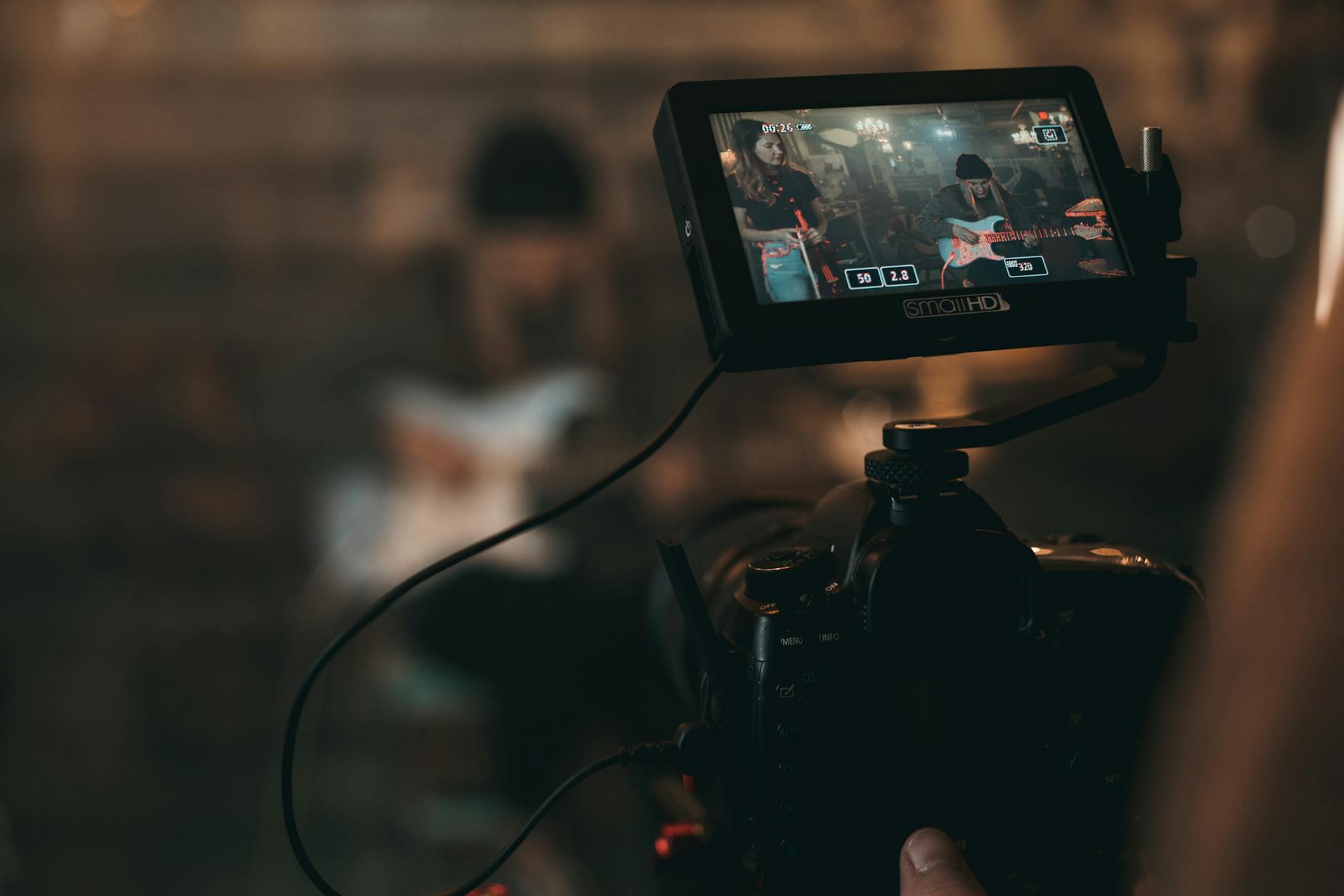
In addition to core hardware, appropriate software solutions are necessary for control and management of the production. Video switchers enable live mixing of multiple camera feeds, overlays, and graphics, enhancing the production quality and viewer engagement. Streaming software, often integrated with encoders, manages the transmission process, encoding parameters, and platform-specific settings.
Lighting equipment also makes a significant difference in visual quality, ensuring subjects are well-illuminated and colors are accurately rendered. Portable and customizable lighting setups allow productions to adapt to diverse environments, from indoor conference rooms to outdoor events.
Further, staging and teleprompters can enhance presenter delivery and ensure smooth on-camera performances. All these components combined create a professional, polished broadcast that commands viewer attention and communicates your message effectively.
Set-Up and Production Workflow
Establishing an efficient workflow begins with meticulous planning and configuration. Prior to the live event, all equipment should undergo thorough testing to verify operational integrity. This includes checking camera angles, audio levels, lighting conditions, internet stability, and streaming hardware/software functionality.
The setup process involves positioning cameras for optimal coverage, connecting audio inputs, and configuring encoders and streaming platforms. It’s essential to create a comprehensive technical checklist that details each step, from equipment calibration to network testing, ensuring all aspects are aligned.
During the live event, a designated production team manages multiple roles, including camera switching, audio mixing, graphic overlays, and troubleshooting. Clear communication protocols among team members mitigate errors and facilitate swift responses to any technical issues that arise.
Post-event, the team performs system audits, reviews footage, and adjusts workflows based on insights gained. This continuous improvement cycle helps raise production standards and streamline future broadcasts.
Live Streaming Platforms and Distribution
Selecting the appropriate platform for streaming is crucial in reaching your target audience effectively. Platforms such as YouTube Live, Facebook Live, and dedicated enterprise solutions like Vimeo or Wowza Streaming Engine offer diverse features tailored for different needs—ranging from casual engagement to high-security corporate broadcasts.
Effective distribution involves synchronizing the streaming platform with your website or social media channels. Embedding live streams directly into your web pages or utilizing multi-platform broadcasting (also known as simulcasting) maximizes viewer reach and engagement across multiple touchpoints.
Additionally, employing Content Delivery Networks (CDNs) ensures high-quality delivery with minimal latency, even during peak traffic. Tailoring the distribution strategy to your audience's viewing habits and technological preferences increases overall interaction and success of the broadcast.
Quality Assurance and Troubleshooting
Maintaining high production quality requires ongoing monitoring and swift troubleshooting during the live broadcast. Utilizing real-time analytics and streaming dashboards enables operators to track metrics such as video resolution, bitrate, and connection stability.
Potential issues, including audio dropouts, video freezes, or synchronization errors, should be preemptively addressed through redundancies like backup encoders and secondary internet links. Engaging a dedicated technician or technical director during the stream helps monitor these parameters, allowing for immediate corrective actions.
Preparation also involves establishing contingency protocols for common problems, such as hardware failures or platform outages, ensuring minimal disruption and a professional viewer experience.
Post-Stream Activities and Analytics
After concluding the live stream, analyzing performance data provides valuable insights into viewer engagement, technical issues, and overall effectiveness. Metrics such as peak viewership, audience retention, and interaction rates inform future content strategies.
Gathering viewer feedback through surveys or social media comments adds qualitative data on audience satisfaction and expectations. Compiling and reviewing this information helps refine production workflows, equipment choices, and platform strategies.
Furthermore, post-production editing allows for highlights, replays, and promotional content to be created, extending the value of the live event and attracting additional viewers for upcoming streams.
Trends and Innovations in Live Streaming
Staying at the forefront of live video streaming involves adopting emerging trends such as 4K Ultra HD broadcasting, augmented reality (AR), and interactive viewer engagement tools. These innovations enhance the visual appeal and interactivity, making broadcasts more immersive.
Integration of cloud-based production solutions simplifies remote editing, multi-camera control, and real-time analytics, providing greater flexibility and scalability. Additionally, advances in artificial intelligence (AI) are being used to optimize video quality automatically and generate live subtitles for broader accessibility.
The adoption of 5G technology dramatically reduces latency and enhances mobile streaming capabilities, broadening the scope of live events, especially outdoor and remote productions. As these trends evolve, they offer new avenues for creativity, reach, and audience engagement in the realm of professional live video streaming production.
Required Equipment and Technology
Implementing high-quality live video streaming production necessitates the deployment of sophisticated equipment and cutting-edge technology. The foundation begins with professional-grade cameras capable of capturing high-resolution footage, preferably supporting 4K Ultra HD to deliver crystal-clear visuals that resonate with diverse viewing devices. These cameras should be complemented by robust lenses and stabilization systems to ensure smooth footage, especially in dynamic or outdoor environments.
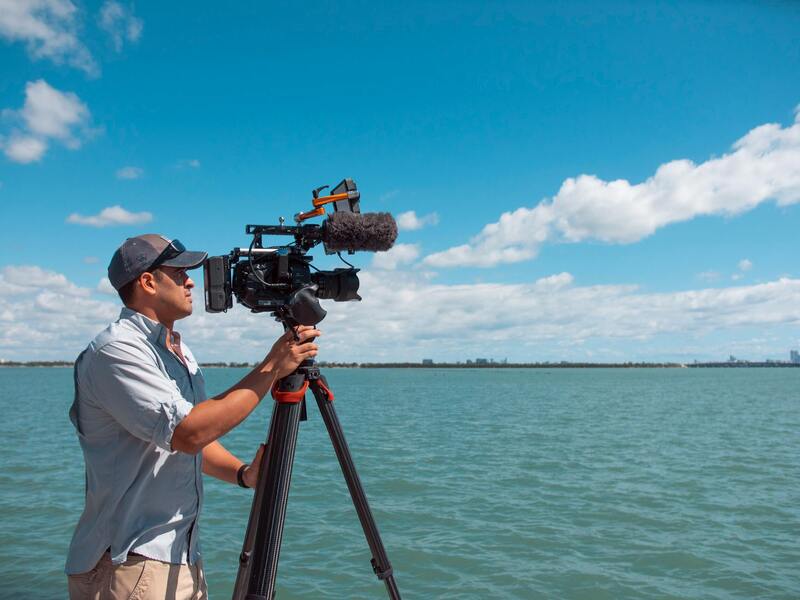
Encoding hardware plays a pivotal role in processing video signals for live transmission. Hardware encoders, often in the form of dedicated boxes or servers, transform raw footage into compressed data streams compatible with various streaming platforms, maintaining high video and audio fidelity while minimizing latency. Encoders should support multiple input sources and advanced features such as adaptive bitrate streaming, which adjusts video quality dynamically based on viewer bandwidth, ensuring a seamless experience across devices.
Streaming platforms require reliable servers and distribution networks to broadcast content effectively. Cloud-based solutions are increasingly favored for their scalability, redundancy, and ease of access. These platforms often integrate analytics tools to monitor stream performance and viewer engagement in real-time, facilitating immediate adjustments when necessary.
Reliable connectivity infrastructure is fundamental for uninterrupted live broadcasts. Multi-point internet connections, including wired Ethernet, Wi-Fi, and cellular data (such as 5G), provide redundancy to mitigate potential connectivity issues. Bonding routers can aggregate multiple internet sources to enhance bandwidth and stability, crucial for outdoor or remote productions where network reliability is a concern.
Audio equipment is equally critical. High-quality microphones, audio mixers, and digital audio interfaces capture and process sound with clarity and naturalness, vital for delivering engaging content. Audio processing tools such as noise reduction and equalization further enhance the listening experience.
Additional peripherals like switchers, multiview monitors, and graphics generators facilitate professional production workflows. Switchers allow seamless switching between camera angles, while multiview monitors provide a comprehensive view of all video sources for real-time management. Graphics software enables overlays, lower thirds, and branding elements to be incorporated live, elevating production quality.
Software solutions for encoding, streaming management, and post-production are integral to the workflow. Professional software platforms enable multi-camera control, scene transitions, and integration of visual effects, essential for maintaining a polished and engaging broadcast. Automated systems for closed captioning and subtitles, often powered by AI, assist in expanding accessibility and reach.
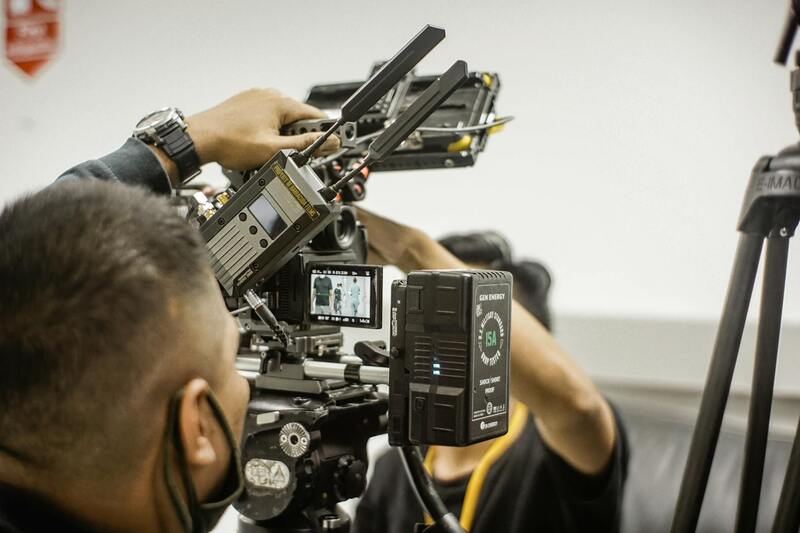
Integrating these hardware components with compatible software and reliable connectivity solutions forms the backbone of a successful live video streaming production. As technology advances, adopting scalable, high-performance tools will continue to boost the professionalism and reach of live broadcasts, enabling content creators and organizations to meet and exceed audience expectations effectively.
Understanding Live Video Streaming Production
In effective live video streaming production, careful planning and execution underpin the success of each broadcast. This process begins well before the camera starts rolling, encompassing technical preparation, content scheduling, and meticulous coordination among team members. Establishing clear objectives for each session, such as audience engagement goals, branding integration, or real-time interaction, helps tailor the technical setup and production flow to meet specific outcomes.
One of the core elements involves identifying the target audience and determining the suitable streaming platforms that align with viewer preferences and content type. Whether broadcasting to social media channels, specific enterprise platforms, or hosting on proprietary websites, understanding the distribution landscape guides equipment choices and production design. Pre-production also includes creating a detailed script or storyboard, scouting locations if necessary, and organizing media assets like visuals, graphics, or prerecorded content to be integrated seamlessly into the live stream.
Required Equipment and Technology
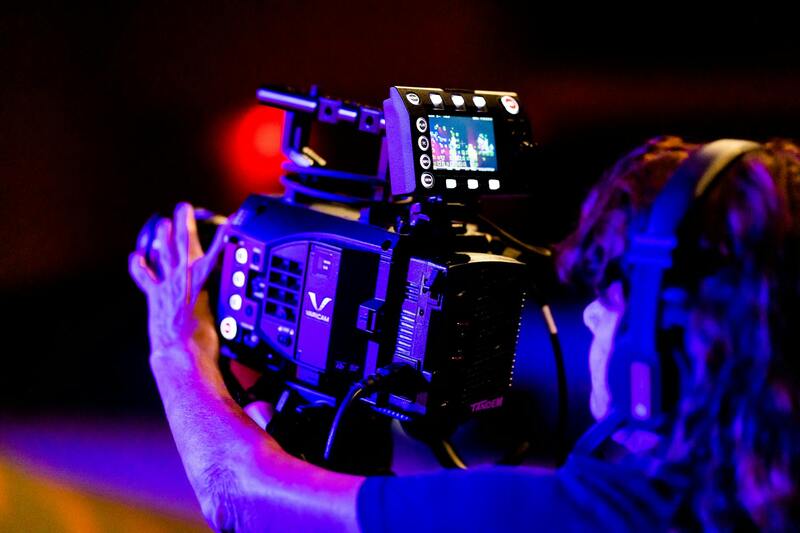
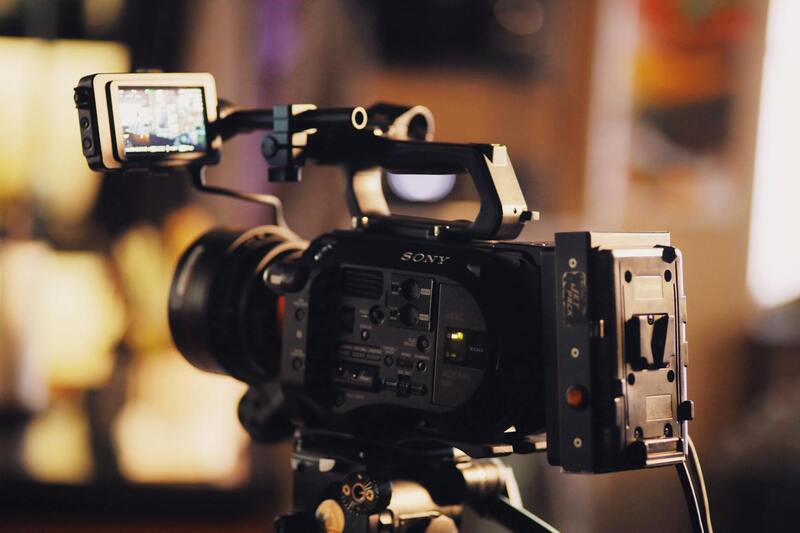
Achieving high-quality live video streams relies on deploying appropriate hardware and software tools that ensure stability, clarity, and professional presentation. The cornerstone is a robust video capture setup, typically involving multiple cameras suited to different shot types and a mix of wired and wireless connections for mobility and flexibility. High-definition video transmission requires professional-grade encoders that convert raw footage into streamable formats with minimal latency.
Complementing the video hardware are audiovisual components such as high-fidelity microphones, audio mixers, and monitoring systems that guarantee sound quality, a defining factor of viewer engagement. Lighting systems are equally critical; well-designed lighting setups enhance the visual perception and help create a consistent look, regardless of the environment.
Switchers and multiview monitors facilitate seamless transitions and real-time management of multiple sources, providing producers with comprehensive oversight. Graphics generators enable live overlays, titles, captions, and branding elements that improve visual appeal and reinforce messaging. Advanced streaming solutions incorporate encoding software capable of handling multiple input sources, managing bitrates, and encoding in formats supported by various platforms. Reliable networking infrastructure, including high-speed internet connections with failover capabilities, guarantees stable streams and reduces buffering or downtime.
Set-Up and Production Workflow
The setup phase involves arranging all hardware components, configuring software settings, and testing connectivity to support a smooth live broadcast. This process begins with staging the physical environment: positioning cameras, adjusting lighting, and soundproofing as needed. Once the physical setup is complete, the technical team conducts comprehensive tests to verify that audio levels are optimal, video feeds are clear, and streaming software functions correctly.
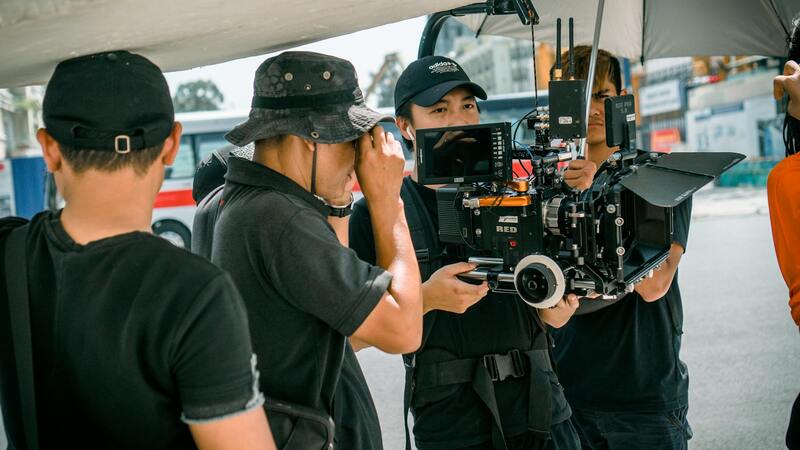
Coordination among production team members is crucial, encompassing roles such as director, camera operators, audio engineers, and technical support. A detailed production schedule ensures each task aligns with the overall timeline, from initial warm-up to the live broadcast. During the production, teams monitor feeds and adjust camera angles, overlays, and audio levels in real-time, responding promptly to any technical issues or content changes.
The operational workflow is designed to be flexible, allowing for quick adjustments and scene changes, which enhances viewer engagement. Protocols are established for troubleshooting common issues, such as connectivity problems or equipment failures, to minimize disruption and maintain a professional presentation. Post-broadcast, teams typically review the session, gather feedback, and prepare reports that inform future streams and improve workflow efficiency.
Quality Assurance and Troubleshooting in Live Video Streaming Production
To maintain the highest standards of broadcast quality, comprehensive quality assurance (QA) measures are integral at every stage of live video production. These measures include pre-broadcast tests, ongoing monitoring during the stream, and post-broadcast reviews. Implementing detailed checklists helps production teams identify potential issues before, during, and after the stream, ensuring minimal disruptions and a seamless viewing experience.
Pre-broadcast QA involves verifying all hardware and software configurations. This includes confirming that cameras are functioning correctly, audio levels are balanced, and streaming feeds are stable. Network connectivity tests are conducted to check bandwidth capacity and latency, preventing unforeseen buffering problems. Additionally, visual and audio quality is inspected to confirm compliance with the desired broadcast standards. This proactive approach helps catch any technical shortcomings before the live event commences.
During the live stream, continuous monitoring is vital. Dedicated personnel track video feeds, audio clarity, and streaming health indicators. Many production systems feature alerts that notify the crew of issues such as dropped frames, audio distortions, or network congestion. Real-time adjustments can then be made, like switching camera angles, altering audio mixes, or rerouting streams through secondary servers to ensure uninterrupted delivery. Having an experienced technical team on call allows for swift troubleshooting when unexpected complications arise.

Common troubleshooting techniques include checking hardware connections, restarting streaming software, adjusting bitrate settings, and temporarily switching to backup internet sources. If visual artefacts or audio issues persist, deeper diagnostics are performed, such as examining encoder logs or updating device firmware. These steps help rectify issues swiftly, reducing the risk of viewer dissatisfaction and maintaining a professional broadcast standard.
Post-broadcast, the focus shifts to review and analysis. Playback of the recorded stream allows the production team to assess video quality, audio fidelity, and synchronization. Viewer feedback collected through social media, surveys, or direct contact provides insights into audience experience. Analyzing stream metrics, such as engagement levels, buffer times, and multi-platform viewership, offers valuable data to optimize future productions.
To streamline troubleshooting and QA efforts, many live streaming setups utilize dedicated software tools. These tools offer comprehensive dashboards displaying real-time stream health, platform analytics, and diagnostic logs. Establishing clear protocols for issue escalation and resolution ensures a quick response during critical moments, preserving broadcast integrity and stakeholder confidence.
Regular staff training on troubleshooting methods and technological updates plays a crucial role in maintaining an effective QA process. Situational rehearsals and simulation exercises prepare teams to handle potential issues efficiently, reinforcing their skills and familiarity with the streaming infrastructure. The goal is to create a resilient production environment capable of delivering continuous high-quality live content, regardless of unforeseen technical challenges.
Implementing Quality Assurance Protocols and Troubleshooting Procedures
Maintaining a high standard of live video streaming production necessitates meticulous quality assurance protocols and effective troubleshooting procedures. This involves continuous monitoring of stream parameters such as bitrate, frame rate, resolution, and audio synchronization in real-time, ensuring that technical issues are promptly identified and addressed. Advanced monitoring tools and software dashboards provide a comprehensive view of stream health, enabling operators to detect anomalies like dropped frames, latency spikes, or audio-video mismatch before they impact viewers.
Addressing common issues swiftly prevents disruptions that could diminish viewer engagement. For instance, buffering problems might signal network congestion or insufficient bandwidth, requiring adjustments to stream quality settings or network configurations. Audio dropouts may necessitate immediate audio source checks or equipment resets. Troubleshooting also includes verifying encoding settings, ensuring that hardware encoders or software solutions function correctly, and that live feeds are properly ingested and transmitted.
Developing clear escalation paths and response protocols is essential for minimizing downtime. Teams should be trained to follow systematic troubleshooting steps, starting with basic checks such as cable connections and power supplies, advancing to complex diagnostics involving network diagnostics and hardware diagnostics. Simulation exercises and regular training sessions enhance personnel readiness and familiarize them with the latest tools and procedures, enabling quick resolution of issues during live broadcasts.
 igure>
Furthermore, comprehensive documentation of troubleshooting processes supports continuous improvement. Recording incidents and resolutions provides valuable data for refining procedures and training new staff. Establishing a repository of common issues and their solutions ensures that teams can reference proven strategies quickly, reducing response times and maintaining a seamless viewing experience.
In addition to manual troubleshooting, automation plays an increasingly vital role. Automated alerts triggered by system monitoring software notify operators of potential issues, allowing preemptive actions before problems escalate. In critical scenarios, automatic failover systems can switch streams to backup servers or alternative content feeds, minimizing interruption and preserving broadcast integrity.
Overall, proactive quality assurance combined with systematic troubleshooting cultivates a resilient streaming setup capable of handling unexpected technical challenges, thereby safeguarding the professionalism and reliability of the live event.
Understanding Live Video Streaming Production
Achieving a professional live video streaming production requires meticulous planning, state-of-the-art technology, and strategic execution. The process begins with defining clear objectives, selecting appropriate content formats, and determining the desired reach. It involves coordination across multiple teams, including technical operators, content creators, and on-screen talent, to ensure seamless delivery. A comprehensive understanding of the entire workflow—from pre-production to post-broadcast analysis—is fundamental to producing engaging and high-quality live streams.
Key Components of Effective Live Video Streaming Production
- Content Planning: Developing a detailed content outline, scripting segments, and scheduling transitions to maintain audience interest.
- Technical Rehearsals: Conducting dry runs to test equipment functionality, signal flow, and team coordination, thereby identifying potential issues prior to the live event.
- Audience Engagement Strategies: Integrating real-time interaction features such as live chat, polls, and Q&A sessions to foster viewer participation.
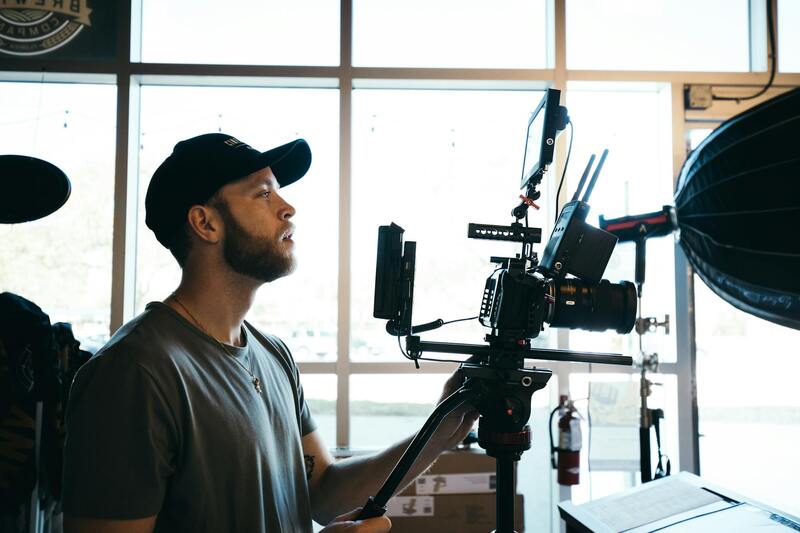
High-quality live video production also emphasizes maintaining a professional on-screen appearance, incorporating dynamic visual elements, and ensuring clear audio delivery. The integration of multi-camera setups allows for varied shot compositions, adding a polished aesthetic that enhances viewer experience. Precise timing and transition management keep the broadcast cohesive, synchronized, and free from disruptions.
The choice of streaming platform and distribution channels is equally crucial. Opting for reliable, scalable solutions ensures consistent delivery regardless of audience size. Employing well-established streaming protocols and adaptive bitrate technologies helps accommodate different network conditions, thereby reducing buffering and lag issues.
Expertise and Best Practices in Live Streaming
In-depth expertise is necessary for managing complex hardware setups, troubleshooting technical glitches, and optimizing stream quality in real time. Skilled operators monitor signal integrity, manage encoding settings, and coordinate with content teams to execute smooth transitions. Simultaneously, ongoing staff training keeps the team updated on emerging tools and evolving standards, promoting continuous improvement.
Furthermore, implementing strict quality assurance measures—from data validation to infrastructure checks—facilitates the early detection of potential problems. These include network diagnostics, hardware performance monitoring, and real-time system health assessments. Such practices minimize the risk of unexpected interruptions, ensuring viewers experience uninterrupted, high-quality streams.

Security and Compliance in Video Streaming
Secure streaming involves safeguarding content against unauthorized access and ensuring copyright compliance. Implementing encrypted data transmission protocols helps protect sensitive content, while access controls restrict stream viewing to authorized audiences. Proper digital rights management (DRM) systems are employed to prevent unauthorized redistribution and piracy.
Additionally, compliance with industry standards and best practices ensures consistent quality and legal adherence. Regular audits, timely updates to security protocols, and staff training are integral components in maintaining a secure streaming environment.
As live video production becomes increasingly sophisticated, the integration of automation tools and advanced monitoring systems enhances operational efficiency. Automated alerts notify technicians of potential issues, enabling proactive troubleshooting. Backup systems and automatic failover mechanisms safeguard content delivery, ensuring uninterrupted transmission despite unforeseen technical challenges.
Maintaining rigorous quality assurance throughout all phases of production—from initial planning to post-broadcast analytics—establishes a resilient framework capable of handling the dynamic demands of live streaming. This comprehensive approach guarantees professional, engaging, and reliable live broadcasts that meet the expectations of diverse audiences.
Enhancing Live Video Streaming Production with Secure and Advanced Techniques
As the landscape of live video streaming continues to evolve, producers and broadcasters are seeking methods to enhance security and leverage new technological advancements. Ensuring content is delivered securely while maintaining high quality and engaging features requires a focus on robust infrastructure, innovative tools, and strategic implementation. This section explores secure transmission methods, advanced streaming technologies, and emerging innovations shaping the future of live video production.
Implementing Robust Encryption Protocols
Encryption serves as a fundamental component in safeguarding live streaming content. By employing secure encryption protocols such as TLS (Transport Layer Security) and AES (Advanced Encryption Standard), broadcasters can prevent unauthorized interception and access to streams. These protocols encrypt data during transmission, ensuring that only authorized viewers can decrypt and view the content.
Additionally, end-to-end encryption (E2EE) provides a higher layer of security by encrypting data from the source to the final viewer, minimizing vulnerabilities during broadcast. Utilizing secure key exchange mechanisms ensures that encryption keys are shared only with authenticated devices, further protecting the stream from malicious access.
Network Security and Access Control
Securing the network infrastructure involved in live streaming is critical. Firewalls, intrusion detection systems (IDS), and virtual private networks (VPNs) help create a controlled environment, preventing unauthorized network access. Implementing authentication protocols and access controls restrict content viewing to registered or approved audience members, reinforcing content protection.
For large-scale broadcasts, employing secure token-based authentication systems enables dynamic access management. This approach allows broadcasters to revoke or grant access in real time, ensuring that only authorized viewers can participate.
Advanced Streaming Technologies and Features

As technology advances, live video production incorporates higher resolutions such as 4K and even 8K streaming, offering viewers unparalleled clarity. Transitioning to these formats involves investing in high-performance cameras, encoding hardware, and high-bandwidth networks capable of handling increased data rates.
Interactive features are also transforming viewer engagement. Real-time polling, chat integrations, and interactive overlays enable audiences to participate actively during live events. These features are integrated through software platforms that synchronize seamlessly with streaming hardware, creating a dynamic viewing experience.
Future developments focus on augmented reality (AR) and virtual reality (VR), allowing viewers to experience broadcasts immersively. These technologies require specialized headsets and real-time rendering capabilities but promise to redefine how live content is consumed.
Emerging Innovations and Future Trends
- AI-Driven Content Enhancement: Artificial intelligence is increasingly used for real-time content moderation, automated camera control, and predictive analytics, improving production efficiency and viewer satisfaction.
- Edge Computing: Deploying processing power closer to the end-user reduces latency and bandwidth usage, enabling smoother streaming experiences, particularly in remote or high-traffic scenarios.
- 5G Connectivity: The rollout of 5G networks offers vastly improved data speeds and lower latency, supporting higher-quality streams and mobile broadcasting capabilities.
- Hybrid Broadcast Solutions: Combining traditional broadcasting with internet-based streaming allows for versatile delivery methods, optimizing reach and redundancy.
Innovations like these pave the way for more resilient, interactive, and visually stunning live streaming experiences. As Miami content creators and broadcasters adopt these cutting-edge solutions, they can deliver content that not only meets viewer expectations but exceeds them in terms of fidelity, security, and engagement.