
Understanding Video Streaming Production
Video streaming production is a specialized field that involves the creation, management, and delivery of live or on-demand video content over digital platforms. It encompasses a comprehensive process that starts with idea conception and extends through to the final distribution, ensuring viewers receive high-quality visual experiences regardless of their geographic location.
This production process is integral to many industries, including corporate communications, entertainment, education, and marketing. As the demand for online video content continues to rise, businesses and agencies increasingly rely on professional video streaming services to reach their audiences effectively. In Miami, a vibrant hub for media and digital innovation, local video streaming production companies are equipped with advanced technology and expertise to meet diverse content needs.
Role of Video Streaming Production in Digital Content Delivery
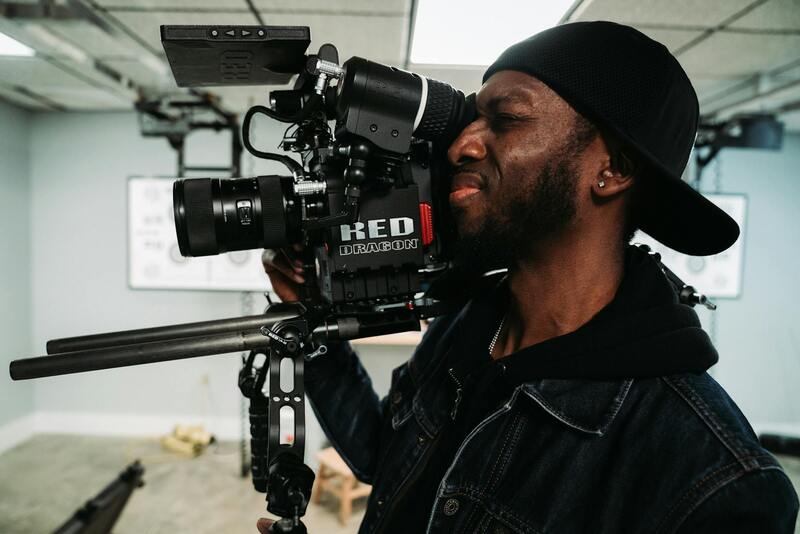
The core function of video streaming production is to facilitate seamless delivery of digital content in real-time or for on-demand access. It involves multiple stages, from content planning and production to distribution and performance analysis. This end-to-end approach ensures that content maintains its integrity across varied devices and network conditions, providing viewers with a consistent, engaging experience.
For businesses and agencies operating within Miami’s dynamic economic landscape, deploying polished video streaming strategies can significantly enhance brand visibility, customer engagement, and overall communication effectiveness. Professional production teams ensure that every element — including video quality, sound clarity, encoding standards, and platform compatibility — adheres to industry best practices for optimal viewer retention.
Why Professional Video Streaming Matters
- Elevates brand presence through high-quality visuals
- Reaches large or geographically dispersed audiences efficiently
- Supports interactive features such as live polls or Q&A sessions
- Allows precise tracking of viewer engagement and analytics
- Enables scalable content delivery suited for various platforms and devices
As Miami continues to grow as a center for digital content creation, expert video streaming production provides a strategic advantage, enabling businesses to communicate effectively in an increasingly competitive environment. Whether broadcasting live events, hosting webinars, or streaming promotional videos, a professional approach ensures content quality, security, and viewer satisfaction are maintained at the highest levels.

Planning and Pre-Production Strategies
Effective video streaming production commences long before the camera starts rolling. Meticulous planning and pre-production activities are essential to ensure a seamless broadcast and to maximize audience engagement. These strategies involve defining clear objectives, understanding the target audience, and establishing a comprehensive content outline. Creating detailed storyboards or shot lists provides a visual guide for the production team, ensuring that each segment aligns with the overarching message and branding standards.
Conducting thorough location scouting is a critical component, particularly when the streaming involves multiple venues or outdoor environments. Considerations include assessing lighting conditions, ambient noise levels, and power supply availability. Securing appropriate permissions and permits is essential to avoid interruptions or legal complications. Additionally, pre-production planning involves coordinating schedules with talent, crew, and technical staff to streamline the shoot and minimize delays.

Developing a detailed production timeline facilitates task assignment, resource allocation, and contingency planning. This timeline should include milestones for script finalization, equipment checks, rehearsal sessions, and final run-throughs. Pre-production also encompasses configuring the technical setup to support live or on-demand streaming. This involves verifying internet bandwidth, testing backup systems, and establishing communication protocols among team members to address any unforeseen issues swiftly.
Technical Setup and Equipment
The backbone of professional video streaming lies in deploying high-quality equipment optimized for broadcast standards. This includes selecting the right cameras capable of capturing crisp, vibrant images under various lighting conditions. Professional-grade encoders are used to compress and format video signals for efficient transmission across networks. Sound quality is equally important; wireless microphones, lavaliers, or shotgun mics ensure clear audio capture, reducing background noise and improving overall viewer satisfaction.
Monitoring tools and software facilitate real-time oversight during streaming, allowing operators to adjust settings dynamically to maintain production quality. Reliable internet connectivity, preferably via dedicated fiber optic lines, is paramount to prevent buffering issues or disconnections. Redundant systems, such as backup internet sources and power supplies, safeguard against technical failures that could disrupt the broadcast. Additionally, employing staging areas for equipment testing and calibration is standard practice to guarantee everything operates flawlessly during the live event.
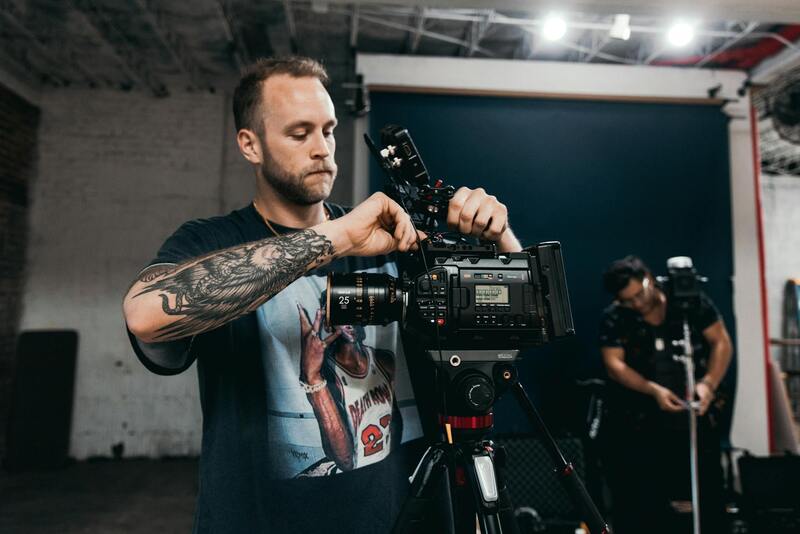
Integrating production software, like switching and graphics systems, enhances visual appeal and professionalism. These tools allow for seamless transitions, overlays, and real-time editing, which are especially valuable during live events. Properly setting up and testing the entire technical environment prior to going live minimizes potential issues, ensuring a smooth and engaging viewing experience for the audience.
Execution and Live Streaming Management
On the day of the event, the focus shifts to executing the planned activities flawlessly. The technical team monitors the stream constantly, addressing any packet loss, lag, or audio issues promptly. Directional cues and camera switching are managed according to the predetermined shot list or in response to live interactions. The production team must also be prepared to adapt adaptively, handling unexpected disruptions efficiently to maintain broadcast continuity.
Managing viewer interactions in real-time, such as moderating chat comments or conducting live polls, can significantly enhance engagement. Clear communication channels between the technical crew and the on-screen talent ensure synchronized cues, reducing the risk of technical or coordination errors. During the event, maintaining consistent video quality, audio clarity, and stable internet connections are top priorities to deliver a professional streaming experience.
Post-Production and Content Optimization
After the live broadcast, the focus shifts to editing and refining the content for on-demand viewing or further distribution. This process involves cutting unnecessary segments, enhancing video and audio quality, and adding graphics or subtitles for better accessibility. Optimizing content for various platforms requires encoding videos in appropriate formats and resolutions tailored to the target audience’s viewing devices and network conditions.
Metadata, such as titles, descriptions, and tags, should be meticulously crafted to improve searchability and viewer engagement. Thumbnails and preview clips can be created to promote the content across marketing channels. Additionally, analyzing viewer data and engagement metrics provides insights into content performance, informing future production strategies and content adjustments.
Compliance, Security, and Copyright
Ensuring compliance with relevant standards and regulations is vital during the entire production process. This involves verifying that content does not infringe on copyrighted material, securing necessary releases and permissions, and adhering to platform-specific guidelines. Protecting the stream from unauthorized access through encryption and secure login protocols maintains confidentiality and prevents piracy.
Implementing digital rights management (DRM) and monitoring tools helps to safeguard the content and track unauthorized distribution. Regular updates to security protocols and thorough staff training on copyright policies significantly reduce risks related to intellectual property violations. Proper documentation of rights and clear licensing agreements support the smooth legal management of streaming content and distribution rights.
Planning and Pre-Production Strategies
Effective planning is crucial to delivering a seamless video streaming experience. This begins with detailed content scripting that aligns with the intended message and audience expectations. Scripts should incorporate visual cues, timing, and key talking points to ensure clarity and engagement. For Miami-based productions, knowing the local culture and audience preferences can elevate content relevancy. Scheduling also plays a vital role, involving precise date and time planning to maximize viewer accessibility. Consider time zone differences and sports, cultural, or business activity peaks in the Miami region. Platform selection must be aligned with target audiences — whether it’s social media, dedicated streaming services, or corporate websites — to ensure optimal reach. Technical rehearsals are essential to identify and resolve potential issues before the live event. Rehearsals help test audio-visual setups, verify internet stability, and confirm synchronization of broadcast elements. For Miami productions, leveraging local expertise in setting up robust internet and power backup solutions can prevent interruptions. Further, creating a comprehensive production timeline ensures coordination among all team members. Assigning roles and responsibilities, establishing communication protocols, and scheduling checkpoints facilitate smooth execution. Adequate preparation, including contingency plans for technical failures or unforeseen circumstances, reduces the risk of disruptions. Tailoring this planning process to Miami’s dynamic environment — with considerations for outdoor venues or high-traffic urban settings — can enhance production quality and viewer satisfaction. Collecting pre-production insights from local stakeholders and integrating their feedback fosters a more targeted and effective streaming event.
Understanding Video Streaming Production
Video streaming production entails much more than simply broadcasting footage over the internet. It involves a multifaceted approach that covers technical setup, content creation, real-time management, and post-event refinement. In a vibrant market like Miami, where diverse venues and audiences demand high-quality delivery, mastering each aspect of the production process becomes essential for success.
Key Components of Video Streaming Production
Effective video streaming production integrates several fundamental elements to ensure seamless content delivery and engaging viewer experiences. These components include high-quality hardware, reliable software, skilled personnel, and a strategic approach to content management. Each element plays a vital role in creating a polished, professional broadcast that resonates with viewers and meets the objectives of the event.
High-Quality Hardware
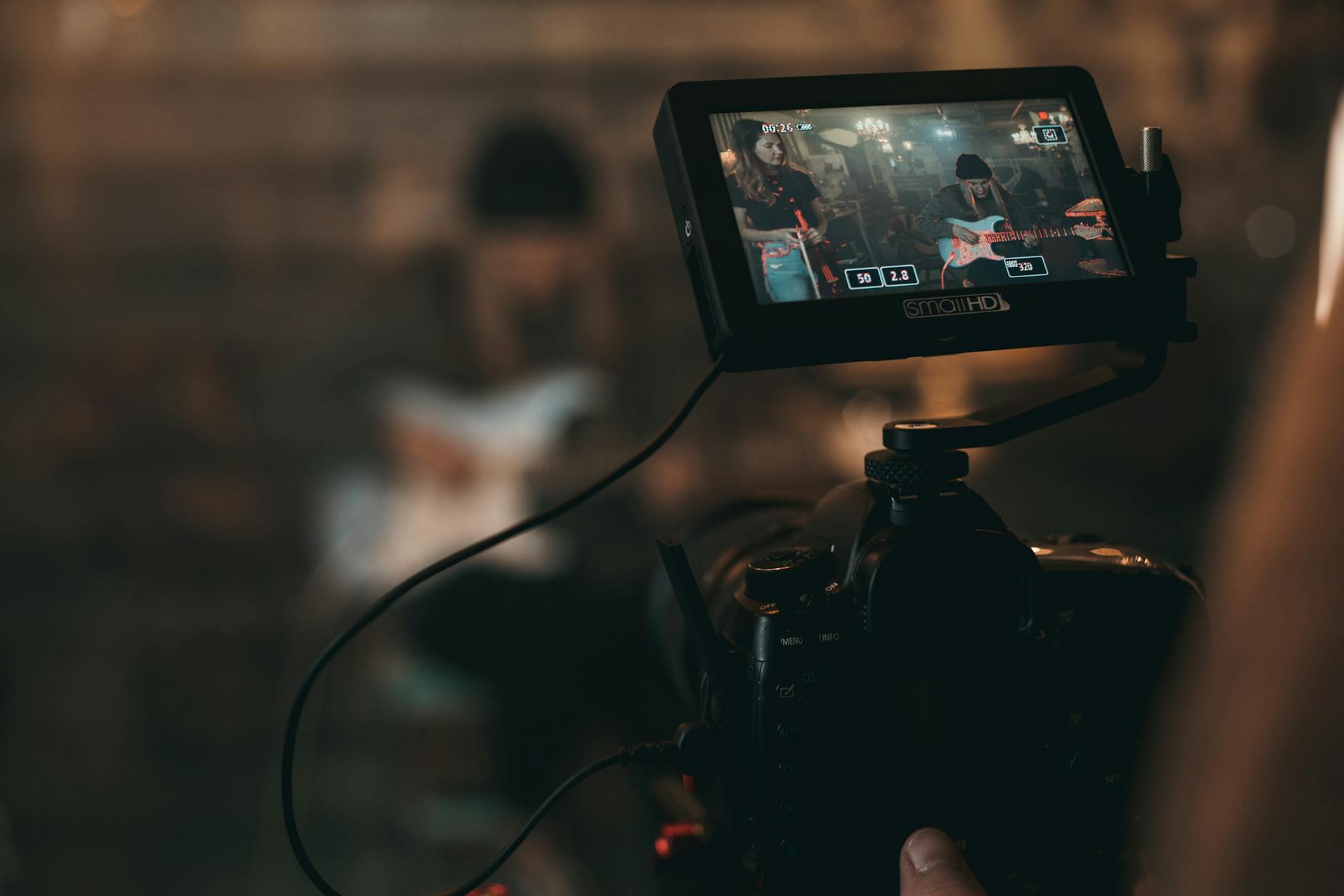
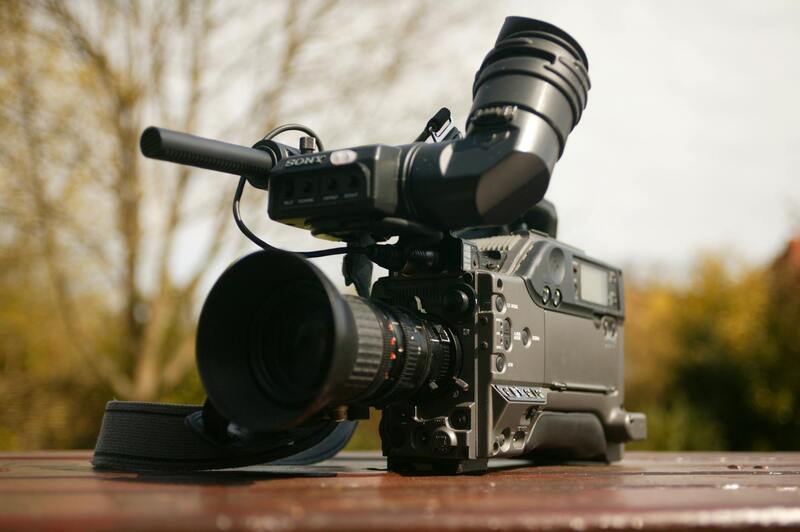
- Camera Systems: Modern IP cameras with low latency and high resolution are standard for capturing sharp, clear images. PTZ (pan-tilt-zoom) cameras are especially useful for dynamic shots and remote operation in different locations around Miami.
- Audio Equipment: Clear sound is crucial; thus, condenser microphones, wireless systems, and sound mixers are employed to capture and manage audio streams effectively.
- Streaming Servers and Hardware Encoders: These devices convert the raw audio-visual signals into digital streams compatible with various platforms, ensuring flexibility and reliability during live broadcasts.
Software Solutions
Stream management relies on robust software tools for encoding, mixing, and broadcasting. Professional streaming platforms support multi-camera switching, overlay graphics, and real-time chat integration, creating a dynamic viewing experience. Additionally, content management systems help schedule broadcasts, manage user access, and analyze viewer engagement data for continuous improvement.
Personnel and Expertise
- Technical Crew: Including camera operators, sound engineers, and broadcast technicians, each responsible for ensuring equipment functions correctly throughout the event.
- Production Coordinators: They oversee the overall flow, coordinate between teams, and troubleshoot issues promptly to minimize disruptions.
- Content Creators and Directors: Focused on visual storytelling, scene framing, and overall content quality to ensure the stream aligns with the event’s goals.
Connectivity and Infrastructure
Reliable internet connectivity is the backbone of any successful streaming event. Miami’s vibrant urban environment offers numerous options, but dedicated fiber-optic connections and backup solutions like cellular bonding are recommended to prevent interruptions. Power stability is equally important, with uninterruptible power supplies (UPS) and generators being vital in outdoor or high-foottraffic venues.
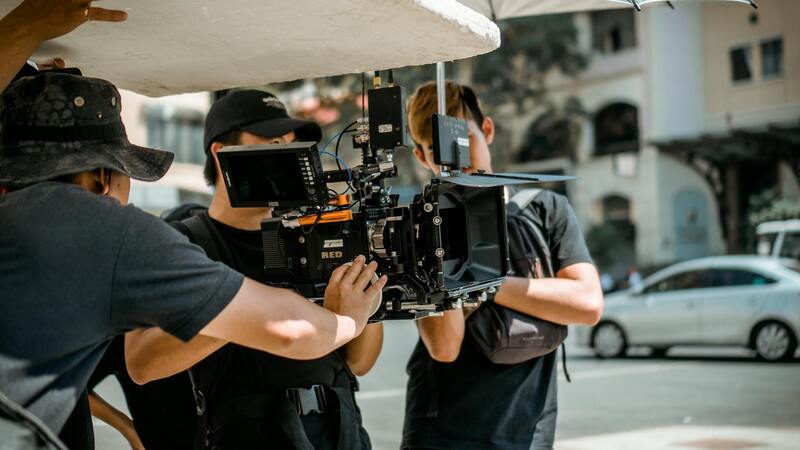
Execution and Live Streaming Management
The live execution phase demands meticulous coordination among team members to translate pre-production plans into a successful broadcast. This involves real-time monitoring of audio-visual feeds, adjusting camera angles, managing audio levels, and ensuring stream stability. Integrating multiple camera feeds with smooth transitions, graphics, and overlays enhances professionalism and viewer engagement. Constant communication between technical staff and on-screen talent ensures quick responses to any unforeseen issues, such as technical glitches or content adjustments.
In Miami’s diverse environment, having a dedicated team familiar with local venues, internet service providers, and emergency protocols improves the overall reliability of the broadcast. Additionally, utilizing remote control and monitoring tools allows the production team to oversee the stream from multiple locations, providing rapid support when needed.
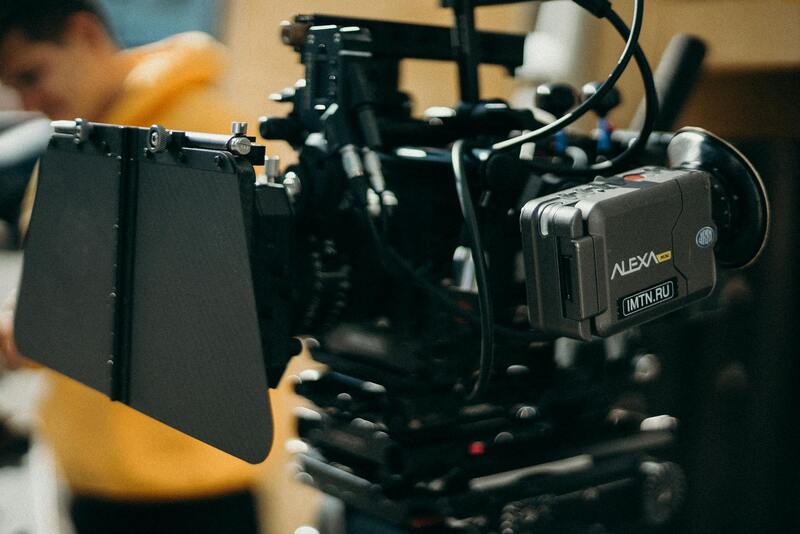
Continuous evaluation during the broadcast aids in maintaining high quality, with on-the-fly adjustments to audio levels, video feeds, or graphical overlays. Post-broadcast analytics can be leveraged to gauge audience engagement, identify technical bottlenecks, and inform strategies for future productions. Effective live management ultimately hinges on preparedness, technical proficiency, and seamless teamwork, especially in the fast-paced and continuously evolving landscape of Miami’s dynamic venues.
Advanced Techniques for Secure and High-Quality Video Streaming
To ensure robust delivery of live video content, employing advanced streaming techniques is essential. Adaptive bitrate streaming, for example, dynamically adjusts the quality of the video based on the viewer's internet connection. This approach minimizes buffering issues and provides a seamless viewing experience across different devices and network conditions. Implementing this technology requires sophisticated encoding solutions and real-time analytics that monitor network performance, allowing the streaming platform to automatically switch between different quality levels.
Encryption methods such as Secure Real-Time Protocol (SRTP) and Transport Layer Security (TLS) are critical for safeguarding sensitive content. These protocols encrypt the data transmitted during streams, ensuring that unauthorized parties cannot intercept or tamper with the feed. Incorporating Digital Rights Management (DRM) systems further reinforces content protection by controlling access and distribution rights, which is especially vital for premium or proprietary content.
Furthermore, meticulous content management systems enable streamers to categorize, schedule, and customize streams efficiently. Using Content Delivery Networks (CDNs), video streams are distributed across geographically dispersed servers, reducing latency and preventing overload during peak traffic. This infrastructure is vital for maintaining high-quality streams in fast-paced environments like Miami, where high demand can strain less capable systems.
Execution and Live Streaming Management
Managing a live video stream in real-time requires a comprehensive approach to ensure seamless delivery, viewer engagement, and technical stability. Central to this is the use of reliable streaming software that supports multi-platform broadcasting, enabling simultaneous streaming to various social media and content distribution channels. This software should include features like real-time analytics, chat moderation, and backup streaming options to handle unexpected disruptions.
Streamers and production teams must monitor their streams continuously, employing tools that provide instant feedback on stream health, bandwidth usage, and viewer engagement metrics. Quick reaction to any signal interruptions or quality degradation minimizes the risk of viewer dissatisfaction. For example, adaptive bitrate streaming dynamically adjusts video quality based on the viewer’s internet speed, preserving a smooth viewing experience even during fluctuating network conditions.

Furthermore, a dedicated team should oversee live broadcasts, addressing potential issues such as audio-mismatch, visual glitches, or latency problems. Incorporating a protocol for rapid troubleshooting and rehearsing emergency procedures ensures preparedness for technical failures. Additionally, engaging with viewers through chat and feedback during the live event enhances participation and can provide immediate insights into audience preferences and experience.
Equipment setup during execution typically involves:
- High-quality cameras with multiple angles for dynamic shots.
- Professional audio systems to ensure clear sound capture.
- Reliable encoders that transfer the video signal to streaming platforms with minimal delay.
- Uninterruptible Power Supplies (UPS) to prevent power loss interruptions.
- Backup internet connections to maintain stream stability in case of primary connection failure.
Implementing these measures ensures continuous and high-quality live video delivery, crucial for engaging audiences in the fast-paced Miami market where innovations in streaming technology are rapidly adopted. Closely coordinated efforts, together with state-of-the-art equipment, allow for versatile and resilient production capabilities tailored to diverse client needs.

Understanding Video Streaming Production
Video streaming production encompasses the entire process of creating, managing, and delivering live or on-demand video content across various digital platforms. The goal is to ensure high-quality, seamless viewing experiences that resonate with targeted audiences. With the rapid evolution of digital technology and increasing consumer demand for instant access to content, production teams must leverage sophisticated tools and innovative strategies to stay ahead in the competitive Miami market.
Key Components of Video Streaming Production
- Content Creation and Scriptwriting: Developing engaging scripts and storyboards that align with the intended message and viewer preferences.
- Pre-Production Planning: Scheduling, resource allocation, and technical rehearsals to anticipate and address potential challenges.
- Technical Infrastructure: Deploying state-of-the-art equipment, including cameras, encoders, and audio systems, tailored for quality and reliability.
- Live Management: Overseeing real-time broadcast operations, monitoring technical parameters, and managing audience interaction.
- Post-Production Editing: Enhancing content through editing, color correction, and adding visual effects to optimize overall presentation.
- Distribution Strategies: Distributing content across multiple channels, utilizing adaptive streaming technologies to cater to diverse devices and internet conditions.
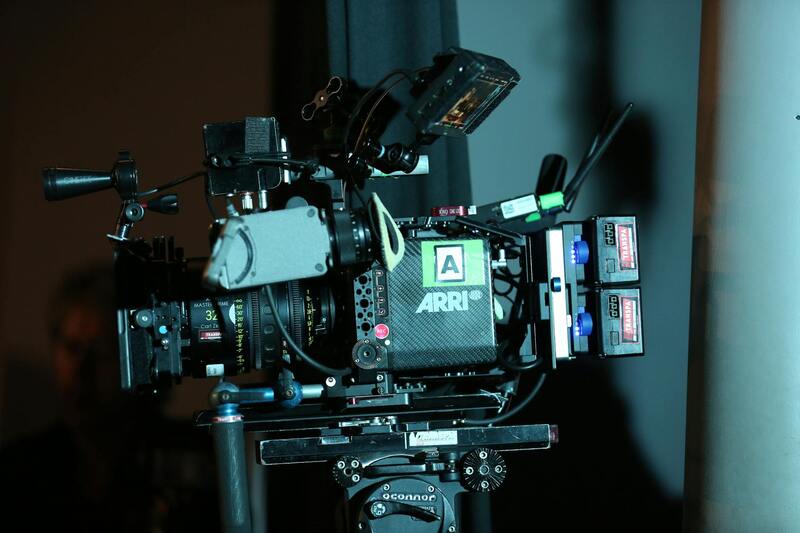
Planning and Pre-Production Strategies
Effective planning forms the backbone of a successful streaming event. This phase involves comprehensive coordination between content creators, technical teams, and clients to align all project elements. Establishing clear objectives, target audience analysis, and content objectives helps tailor the production approach. Logistics such as scheduling rehearsals and equipment testing are vital to ensure smooth execution. Digital storyboarding and shot listing contribute to visual coherence, enabling the crew to anticipate camera angles, lighting requirements, and scene transitions.
Pre-production also emphasizes compliance with branding guidelines and legal considerations, ensuring that all content conforms to regional standards and contractual rights. Establishing communication protocols for team members enhances coordination, minimizing delays during the actual event. Contingency planning for equipment failure or unforeseen issues further solidifies the foundation for a resilient production process.
Technical Setup and Equipment
The technical setup demands meticulous attention to detail. Central to the setup are high-definition cameras capable of capturing multiple angles, which can be switched instantaneously to create a dynamic viewing experience. In parallel, professional-grade microphones and sound mixing consoles are deployed to ensure audio clarity, manage ambient noise, and facilitate participant communication.
Encoding hardware transforms raw video feeds into digital signals compatible with streaming platforms. Adaptive bitrate encoders dynamically adjust video quality according to network performance, preventing buffering and lag. Redundant internet connections, including fiber optic links and 4G/5G backup options, are critical in maintaining continuous streams, especially during high-profile events. UPS units safeguard against power failures, ensuring uninterrupted operation.
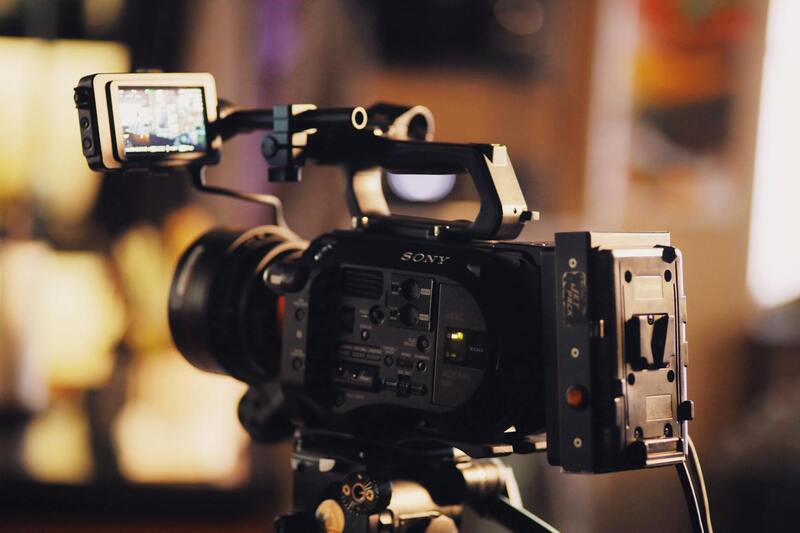
Execution and Live Streaming Management
During live transmission, real-time monitoring is essential. This process involves managing multiple video feeds, adjusting audio levels, and addressing any technical glitches promptly. Multi-platform streaming requires software solutions capable of broadcasting to various channels simultaneously while maintaining synchronization.
Engaging viewers through on-screen graphics, chat moderation, and interactive features enhances audience participation. A dedicated live control room staffed with technicians ensures rapid response to issues like dropped feeds or audio discrepancies. Implementing rehearsed emergency protocols allows the team to resolve problems efficiently without disrupting viewer experience. Continuous communication between crew members ensures a coordinated response, minimizing latency and maintaining broadcast quality.
Post-Production and Content Optimization
After the broadcast, content moves into the post-production phase where it is reviewed for quality assurance. Editing adjustments, visual enhancements, and inclusion of branding elements refine the final product. Metadata tagging, creating captions, and optimizing file formats improve discoverability and viewer engagement on on-demand platforms.
Analysis of viewer metrics, such as engagement rates and dropout points, offers valuable insights into content performance. These metrics inform future production strategies, enabling teams to refine their approach for different audience segments. Additionally, editing for highlight reels or promotional snippets extends the lifespan of the video content and increases outreach.
Understanding Video Streaming Production
Video streaming production encompasses a comprehensive suite of processes that transform raw footage into engaging live or on-demand content accessible across multiple digital platforms. This field demands meticulous planning, sophisticated technology, and a focus on viewer experience to ensure seamless delivery and high-quality visuals. Producing compelling streaming content involves multiple interconnected stages, from initial concept development to post-broadcast analysis. Each phase requires precise execution and a keen understanding of the latest industry standards and technological advancements.
Key Components of Video Streaming Production
- Content Development: Establishing the theme, format, and overall message that aligns with target audience interests.
- Pre-Production Planning: Scriptwriting, storyboarding, and logistical coordination to set the foundation for a smooth shoot.
- Technical Infrastructure: Selecting appropriate hardware and software solutions that support high-resolution streaming, multi-platform broadcasting, and real-time interaction.
- Execution: The live or recorded production process, including camera operation, sound management, lighting, and real-time switching.
- Post-Production: Editing, visual effects, sound mixing, and quality checks to enhance the final product before distribution.
Planning and Pre-Production Strategies
Effective planning begins with defining clear objectives tailored to specific target audiences. This involves selecting suitable content formats—whether live events, webinars, or pre-recorded series—and mapping out production timelines. Strategic considerations include determining the required personnel, securing necessary licenses, and establishing a content distribution plan. Creating detailed shot lists, technical specifications, and contingency protocols minimizes potential disruptions during execution.
Pre-production also encompasses securing permits, coordinating locations, and rehearsing with presenters or talent to ensure familiarization with the set-up and technology. Additionally, planning for backup systems and redundant streaming pathways secures against unforeseen technical interruptions, facilitating a stable viewing experience for the audience.
Technical Setup and Equipment
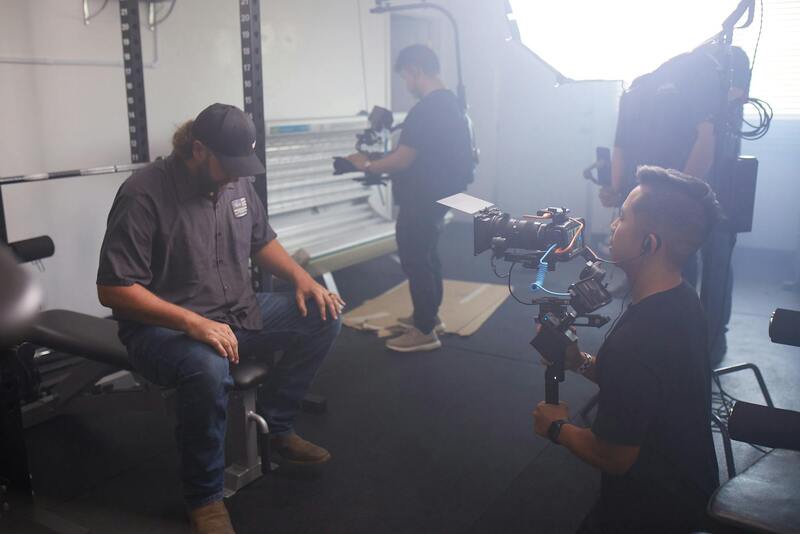
A robust technical setup is central to high-quality video streaming production. This includes professional-grade cameras capable of capturing in 4K or higher resolutions, high-fidelity microphones for clear audio, and lighting rigs to illuminate subjects effectively. Encoder systems convert raw footage into optimized streaming formats compatible with multiple platforms, ensuring minimal latency and buffering.
For multi-platform broadcasts, software solutions like streaming servers facilitate simultaneous dissemination across social media, websites, and dedicated apps. Network stability is critical, necessitating high-speed internet connections with sufficient upload bandwidth. Backup solutions, such as redundant internet connections and uninterruptible power supplies, are essential for maintaining continous flow during live events. A dedicated control room allows operators to manage transitions, overlays, and real-time adjustments seamlessly.

Execution and Live Streaming Management
During the live broadcast, a team of skilled technicians oversees the operation to address any technical issues promptly. The production crew monitors audio levels, video feeds, and network stability, employing real-time switching to select the best camera angles and graphics. Engaging viewers through interactive features like live chat, polls, or Q&A sessions enhances audience participation and retention.
Effective communication among crew members, facilitated through headsets or instant messaging, is vital for swift problem resolution. Prepared contingency protocols enable rapid responses to potential challenges such as feed disruptions, audio dropouts, or hardware failures. Continuous testing and dry runs before the live event improve overall reliability, reducing the risk of unexpected glitches.
Post-Production and Content Optimization
After the live stream concludes, content enters the post-production phase. This involves editing footage to add branding, captions, and visual effects that enhance viewer engagement. Optimizing file formats and metadata ensures compatibility and discoverability across diverse on-demand platforms. Segmenting highlights and creating promotional snippets extend content reach, attracting broader audiences.
Detailed analytics via viewer metrics provide insights into engagement levels, drop-off points, and audience demographics. These insights inform future production strategies, enabling teams to tailor content and delivery methods to viewer preferences. Archiving high-quality recordings also allows for repurposing content into webinars, tutorials, or social media clips, maximizing content value over time.