
Understanding Live Streaming Services
Live streaming services have revolutionized the way organizations, businesses, and individuals broadcast their events to audiences around the world. These platforms enable real-time video transmission over the internet, ensuring viewers can participate in events regardless of their geographical location. For event organizers, the advantages include broader reach, increased engagement, and enhanced interaction possibilities. The ability to share live content quickly and efficiently makes live streaming an indispensable part of modern event planning.
When selecting a live streaming service, especially in a metropolitan area like Miami, choosing local providers can lead to significant improvements in broadcast quality. Local companies typically have better understanding of regional technical infrastructure, weather considerations, and event demands. They often offer quicker on-site response times and personalized service, which are critical for high-stakes live events.
Locating Live Streaming Services Near You in Miami
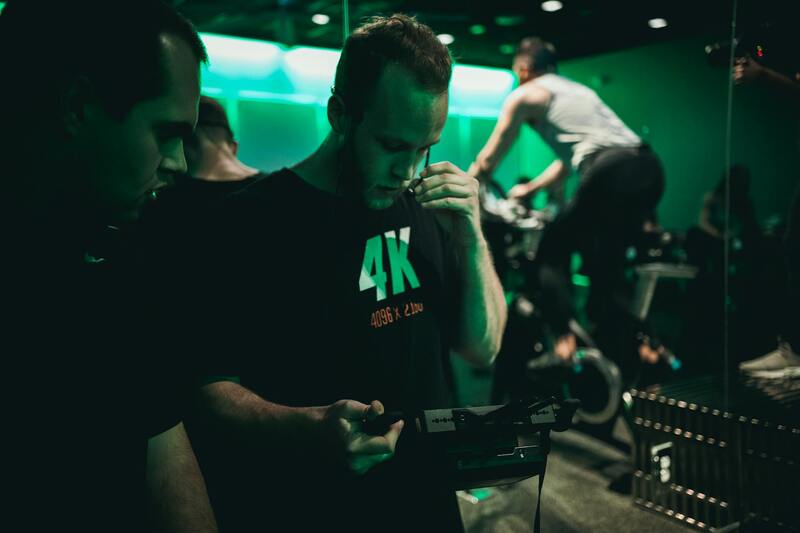
Finding a reliable live streaming provider within the Miami area requires a strategic approach to ensure seamless broadcast quality for your event. Start by conducting comprehensive online searches using keywords like event live streaming services near me, which helps to narrow down local options specifically capable of handling your event’s requirements. Reputable providers typically have dedicated websites showcasing their expertise, packages, and client testimonials, which serve as valuable indicators of their operational capabilities and professionalism.
Leverage local directories and industry-specific listings to identify firms that specialize in live event broadcasting. Many of these providers maintain a physical presence or office in Miami, enhancing their ability to offer on-site support and rapid troubleshooting during events. Visiting their websites, such as miamivideocompany.us, can provide detailed information on their service range, equipment hire, and technical team expertise, ensuring you select a partner well-versed in local network conditions and venue accommodations.
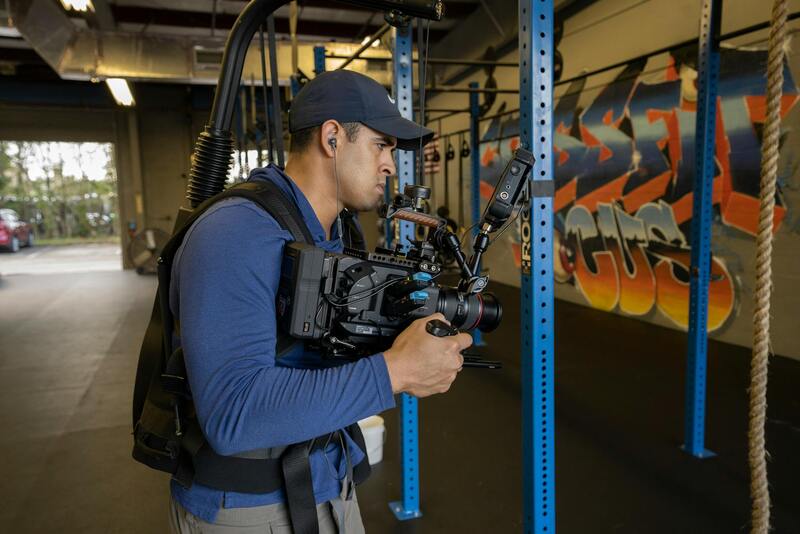
Attending industry trade shows, networking with event organizers, or seeking recommendations from local businesses can further streamline the search process. Miami’s vibrant event scene means many experienced professionals operate within this geographical market, facilitating partnerships that guarantee broadcast reliability and high production standards. When evaluating providers, always verify their knowledge of Miami’s specific venue requirements and the technical infrastructure available at your chosen location.
Another effective method involves direct consultations with prospective providers. Discuss your event’s scope, preferred streaming platforms, and preferred broadcast format. Local providers can offer tailored solutions, such as overcoming bandwidth limitations or managing venue-specific challenges. Additionally, scheduling a site visit before the event ensures the technical team can assess the venue, evaluate internet connectivity, and plan for necessary equipment setup. This preparatory step significantly reduces the risk of last-minute technical hitches during the live broadcast.
Incorporating regional expertise into your search not only boosts the quality of your live stream but also fosters a collaborative relationship with your provider. They are better positioned to coordinate with event venue staff and coordinate logistics effectively. As a result, your event can proceed smoothly, reaching your audience through a reliable and professionally managed broadcast, regardless of the scale or complexity of your event.
Understanding Live Streaming Services
Live streaming services have revolutionized the way events are shared with audiences, enabling real-time broadcasting across various platforms. For organizations and individuals seeking to extend their reach, it’s crucial to understand the foundational aspects of these services to ensure a seamless experience. High-quality live streaming involves multiple technical components: robust internet connectivity, reliable hardware, and proficient software solutions that optimize video and audio delivery. Providers typically utilize either proprietary or third-party streaming platforms capable of handling large concurrent viewers without buffering or significant delay. Clarity in resolution, stabilization, and minimal latency are essential factors that contribute to viewer satisfaction.

Choosing the right live streaming service involves evaluating several core features. These include the scalability of streaming capacity to accommodate fluctuating viewer numbers, the availability of customizable branding options, and integrations with social media channels for broader outreach. Additionally, providers offer various levels of technical support, from basic troubleshooting to full on-site presence during event day. High-budget events may demand advanced encoding equipment, multiple camera feeds, and professional-grade audio setups. Adequate planning and consultation with the streaming provider are therefore vital to match technical capabilities with event requirements.
Types of Events Suitable for Live Streaming
Live streaming services are versatile and adaptable, making them suitable for a spectrum of event types. Conferences, corporate meetings, and seminars benefit from remote accessibility, allowing participants to join from any location in real time. Cultural and entertainment events like concerts, theater performances, and art exhibitions leverage streaming to reach wider audiences beyond physical venue constraints. Sports competitions, religious gatherings, and community festivals also rely heavily on live broadcast solutions to enhance engagement and increase participation.
Regardless of the event type, key considerations include stream durability under high traffic, capable of accommodating potential spikes in viewer numbers, and ensuring that the content remains accessible across different devices and platforms. Tailoring the streaming setup to fit the specific needs—such as multilingual subtitles or interactive chat features—can significantly enhance viewer experience. Advanced solutions may incorporate multiple camera angles, real-time graphics, and audience engagement tools, elevating the overall production quality.
Evaluating Local Live Streaming Providers
When selecting a live streaming service near you, it is essential to assess the provider’s experience, technological capacity, and reputation within the Miami community. Start by reviewing their portfolio of past events to gauge the quality and variety of productions they have managed. A provider with a diverse background in different event formats demonstrates versatility and a deep understanding of technical and logistical challenges.
Client testimonials and peer recommendations are valuable indicators of reliability and professionalism. Engage with previous clients to learn about their satisfaction levels, responsiveness, and how well the provider handled unforeseen issues. Additionally, verify whether the provider complies with industry standards for technical quality, data security, and customer support.
 igure>
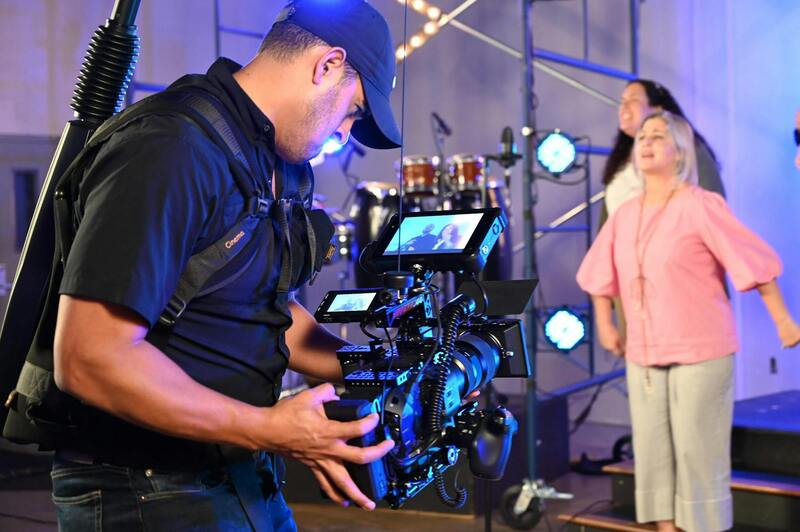
Technical capabilities are equally critical. Confirm that the provider offers high-definition streaming, multiple camera feeds, robust internet connectivity, and reliable backup systems to prevent disruptions. Inquire about their experience with specific platforms or integration capabilities if your event requires specialized features like interactive chat, audience polling, or multilingual streams.
Customer service also plays a vital role in the overall success of your live event. A responsive provider should offer pre-event consultations to understand your goals, provide technical support during the broadcast, and offer post-event analytics to evaluate success. Establish clear communication channels and detailed service agreements to ensure expectations are aligned.
Cost Considerations for Live Streaming Services
Pricing models for live streaming services can vary significantly based on factors such as event length, production complexity, and additional features. Basic streaming packages might include standard HD broadcast with minimal setup, suitable for small to medium-sized events, often costing a few hundred dollars.
For larger or more intricate productions, costs increase accordingly. These services may incorporate multiple camera angles, professional audio, custom graphics, and interactive elements, which enhance the viewer experience but also demand higher investment. Equipment rental fees, operator costs, and platform licensing fees can contribute to the overall expense.
It is advisable to request detailed quotes and compare what each provider includes within their pricing. Be aware of potential hidden costs such as extra bandwidth charges, editing services, or on-site technical assistance. Some providers offer tiered packages allowing you to select features that align with your budget while meeting your event’s needs.
Preparing for a Successful Live Stream
Preparation begins with comprehensive technical planning. Conduct a site survey to assess internet connectivity, power sources, and space for equipment and personnel. Schedule rehearsals to ensure all technical aspects function smoothly, including camera angles, audio levels, and streaming platform settings.
Coordinate with your team and the service provider to establish roles, timing, and contingency plans for potential issues. Clear communication channels and checklists help prevent missteps on the day of the event.
Content readiness is equally important. Prepare your presentation materials, graphics, and scripts well in advance. If live interaction is part of the event, test chat and audience engagement features beforehand. Also, consider backup options such as secondary internet connections or alternative streaming platforms.
Post-event, utilize analytics reports to evaluate viewer engagement, technical performance, and overall reach. This data provides insights that can inform future streaming strategies, ensuring continuous improvement.
Evaluating Local Live Streaming Providers
Choosing the right live streaming service near your location involves a thorough assessment of several critical factors. The reliability of the provider ensures that your event will run smoothly without unexpected interruptions, which is paramount for maintaining professionalism and audience engagement. An established provider with a solid track record can handle sudden technical issues efficiently, minimizing downtime and streaming disruptions. When evaluating potential partners, review their history with similar event types and check client testimonials to gauge their effectiveness and reliability.
Experience plays a significant role in handling the intricacies of live streaming, especially for complex or large-scale events. Providers with extensive experience typically demonstrate better technical expertise, advanced equipment, and the capability to adapt to diverse event requirements. Consider their familiarity with different streaming platforms, multi-camera setups, and live switching to enhance production quality.
Pricing transparency is another key aspect. Request detailed quotes that outline all included services—such as encoding, streaming bandwidth, technical support, and post-event analytics. Confirm whether additional costs, like equipment rentals or on-site personnel, are involved. Comparing these details among providers helps identify options that offer the best value aligned with your specific event scope.
Customer feedback and reviews provide vital insights into the provider’s service quality and client satisfaction. Look for testimonials on their responsiveness, technical competence, and ability to meet deadlines. Engage with previous clients if possible, to gather firsthand impressions of their experiences.
Cost Considerations for Live Streaming Services
Understanding the financial aspects of live streaming services is crucial for effective budgeting. Common pricing structures include fixed packages, pay-as-you-go rates, and custom quotes based on specific event needs. Basic packages typically cover essential streaming features such as high-definition video, adequate bandwidth, and standard technical support. Premium packages may include multiple camera feeds, professional video switching, graphics overlays, and on-site technical assistance.
Additional costs to consider involve equipment rentals, crew fees, or extra bandwidth charges if your audience exceeds initial estimates. Some providers offer tiered options, allowing you to select features that fit within your budget while still achieving your desired broadcast quality. Always inquire about hidden costs and confirm the exact services covered to avoid unforeseen expenses.
Key Steps in Preparing for a Successful Live Stream
Successful live streaming depends heavily on thorough preparation. Conducting a comprehensive site survey ensures your chosen location can support the technical requirements, including stable internet connections, adequate power sources, and space for equipment and personnel. Reliable internet access, preferably wired Ethernet, minimizes the risk of connectivity issues during the event.
Scheduling rehearsal sessions is essential to test all technical components—camera angles, audio quality, and streaming platform functionality. These rehearsals help identify and resolve potential problems before the actual event. Establish clear roles for your team members and communicate contingency plans to handle unforeseen technical difficulties.
Content preparation is equally important. Prepare all presentation materials, graphics, and scripts ahead of time to ensure a seamless broadcast. If your event includes live interactions or audience engagement, test chat functions and social media integrations beforehand to prevent technical glitches.
Backup solutions, such as secondary internet connections or alternative streaming platforms, are critical to mitigating risks. Having a plan B ensures your event remains uninterrupted, maintaining professionalism and audience trust.
Understanding Live Streaming Services
Live streaming services have become an essential component of modern event management, offering a seamless way to broadcast live content to audiences regardless of their geographical location. These services encompass a broad range of technical capabilities, from high-definition video transmission to real-time audience interaction, ensuring that the virtual experience closely mirrors an in-person event. When selecting a service provider, it’s crucial to consider the robustness of their infrastructure, the flexibility of their streaming platforms, and their ability to handle the specific demands of your event. Professional live streaming providers utilize advanced encoding hardware, dedicated bandwidth, and reliable content delivery networks (CDNs) to minimize latency and avoid buffering issues, thereby delivering a smooth viewing experience. They also offer various streaming options, such as multi-camera setups, interactive chat features, and integration with popular social media platforms, enhancing audience engagement. Adopting a reliable live streaming service ensures your event maintains high production quality, reaches a wide audience, and promotes your brand effectively. Furthermore, experienced providers help with technical troubleshooting, equipment setup, and post-event analytics, providing comprehensive support from planning through execution and review.

Types of Events Suitable for Live Streaming
Various events across different sectors can benefit significantly from professional live streaming services. Corporate conferences, product launches, and quarterly meetings often require broad dissemination beyond physical attendees. Educational institutions leverage live streaming for lectures, seminars, and academic conferences, facilitating remote learning and wider participation. Cultural and entertainment events such as concerts, theater performances, and art exhibitions can reach audiences worldwide without geographic constraints. Community gatherings, town halls, and religious services also utilize live streaming to maintain engagement with their constituents during times of social distancing or geographic dispersal. Additionally, sporting events, award ceremonies, and charity fundraisers benefit from live broadcast capabilities to enhance visibility and increase participation. The key is identifying events that will gain value from real-time interaction, visual storytelling, and broad accessibility, ensuring that your live stream contributes meaningfully to the event’s objectives while engaging your target audience.

Key Features to Consider in Live Streaming Providers
When exploring options for local live streaming services, certain features are essential for a successful broadcast. High-resolution video streaming, ideally in HD or 4K, preserves visual clarity and enhances viewer engagement. Reliable and scalable bandwidth options are necessary to accommodate audience size fluctuations without disruption. Multi-camera setups enable dynamic footage, providing viewers with different angles and a professional presentation style. Integrated audio solutions, including wireless microphones and sound mixing, ensure clear sound quality throughout the event. User-friendly interfaces for content management and live chat facilitate audience interaction and real-time feedback. Support for social media integration allows seamless sharing and broader online visibility. Additionally, technical support and on-site presence during the event are critical for troubleshooting and immediate response to any issues. Some providers also offer features like live captioning, access control (private or restricted streaming), and analytics tools that measure viewer engagement and stream performance. These features collectively contribute to a polished, engaging, and technically sound live streaming experience that aligns with your event goals.
Locating Live Streaming Services Near You in Miami
Finding reputable live streaming providers within the Miami area involves a strategic search for companies with proven experience and a solid local reputation. Start by vetting companies through online directories, review platforms, and industry-specific forums. Prioritize providers that specialize in live event production and have a portfolio demonstrating successful projects in your event category. It's beneficial to seek recommendations from local event planners, venues, and corporate contacts familiar with live streaming solutions. Visiting company websites and reviewing case studies offers insight into their technical capabilities and the diversity of events handled. Meet with potential providers to discuss your specific requirements, inquire about their equipment, and assess their professionalism and responsiveness. Confirm that they understand your event's objectives and can tailor their services accordingly. Understanding their availability around your event date and clarifying pricing structures upfront will help ensure a smooth collaboration. Local providers often have an advantage in terms of on-site support, familiarity with logistical considerations, and quick response times, making them an invaluable resource for delivering a high-quality live stream near Miami.
Understanding Live Streaming Services
Live streaming services have become an essential component for hosting successful events across various sectors, including corporate conferences, concerts, sports, religious gatherings, and community celebrations. These platforms enable real-time broadcasting to a vast online audience, breaking geographical barriers and expanding event reach. Reliable live streaming relies on a combination of high-quality video capture, stable internet connectivity, and sophisticated distribution networks that ensure minimal latency and high-definition output. The technology integrates diverse hardware such as professional cameras, streaming encoders, and audio systems, alongside robust software solutions for managing broadcast quality, viewer engagement, and real-time analytics.

For organizers, choosing an appropriate live streaming service involves assessing feature sets, technical support capabilities, and the provider’s experience with similar events. A well-executed stream offers seamless viewing experiences, interactive features like live chat or Q&A sessions, and adaptable streaming resolutions to cater to audiences with varying internet speeds. Additionally, providers often offer supplementary services such as multi-camera management, graphic overlays, and simultaneous recording options, allowing for both live distribution and on-demand content later.
Types of Events Suitable for Live Streaming
- Corporate Events: Company updates, product launches, conferences, and board meetings.
- Entertainment: Music concerts, theater performances, and festivals.
- Sports: Live matches, tournaments, and training sessions.
- Religious Gatherings: Sermons, religious festivals, and community events.
- Educational Sessions: Webinars, workshops, and academic conferences.
Key Features to Consider in Live Streaming Providers
When selecting a live streaming partner, prioritize providers that offer a comprehensive suite of features to enhance your event’s online presence. These include:
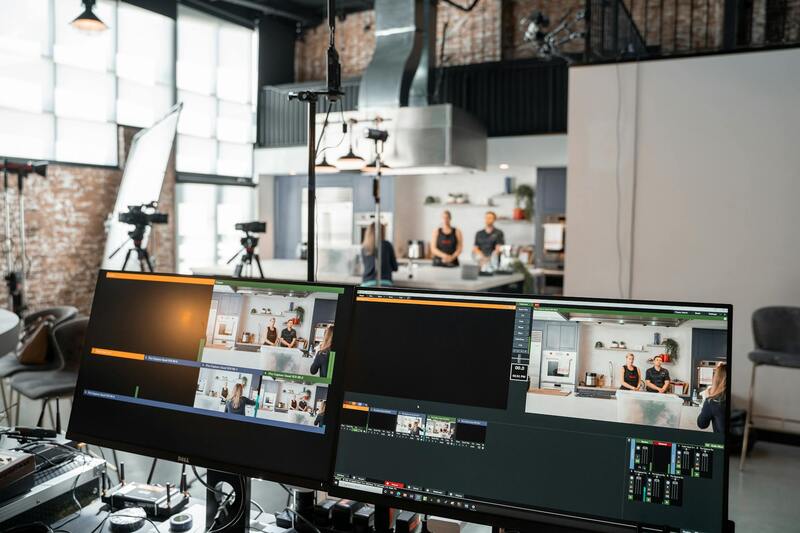
- High-definition Streaming: Minimum 1080p quality to ensure clear visuals for viewers.
- Reliable Bandwidth and Connectivity: To prevent interruptions or buffering during broadcasts.
- Multi-platform Compatibility: Compatibility with social media platforms, websites, and mobile devices.
- Interactive Features: Live chat, polling, and viewer engagement tools.
- On-site Support and Technical Assistance: Rapid response to resolve potential technical issues during the broadcast.
- Recording and On-demand Access: Post-event playback options for attendees or those unable to watch live.
- Security Measures: Encryption and access controls to safeguard your content.
Locating Live Streaming Services Near You in Miami
Finding reputable live streaming providers within Miami requires a targeted approach centered on local expertise, experience, and reputation. Start your search by exploring online directories specializing in event production and digital media services. Review ratings and client feedback to gauge the reliability of potential providers. Industry forums and networking groups can also provide valuable insights into well-regarded local companies with proven track records.
Prioritizing providers with a portfolio of past projects similar to your event type is vital for understanding their technical proficiency and creative approach. Recommendations from local event planners, venue managers, and corporate partners can streamline your search process, providing trusted references. Visiting company websites and reviewing detailed case studies will give a comprehensive view of their capabilities and the scope of their services.
Assessing Local Live Streaming Providers
- Evaluate their portfolio by reviewing previous live streaming projects, especially those similar to your event’s scale and objectives.
- Discuss their technical setup, including cameras, encoders, and internet bandwidth requirements.
- Confirm their familiarity with Miami’s logistical environment, ensuring on-site support and quick response times.
- Factor in their experience with different streaming platforms and compatibility with your preferred channels.
- Request a detailed proposal outlining costs, deliverables, and contingency plans for technical issues.
Cost Considerations for Live Streaming Services
Investing in high-quality live streaming involves multiple cost factors that can influence your overall budget. These include equipment rental or purchase, staffing, internet connectivity, and post-event editing or recording. Typically, providers offer tiered packages based on the complexity of the event, the number of cameras, and additional features such as multi-platform distribution or real-time graphics. Transparent pricing structures should clearly delineate whether charges include on-site technical support, equipment setup, and any potential travel or logistical fees.
Understanding Live Streaming Services
Live streaming services allow organizers to broadcast events in real time through the internet, reaching audiences regardless of geographic location. These services utilize a combination of hardware and software solutions to capture, encode, transmit, and display live video content via popular streaming platforms or custom channels. Reliable live streaming ensures that viewers experience high-quality video, synchronized audio, and minimal latency, which are essential for engaging and professional broadcasts.
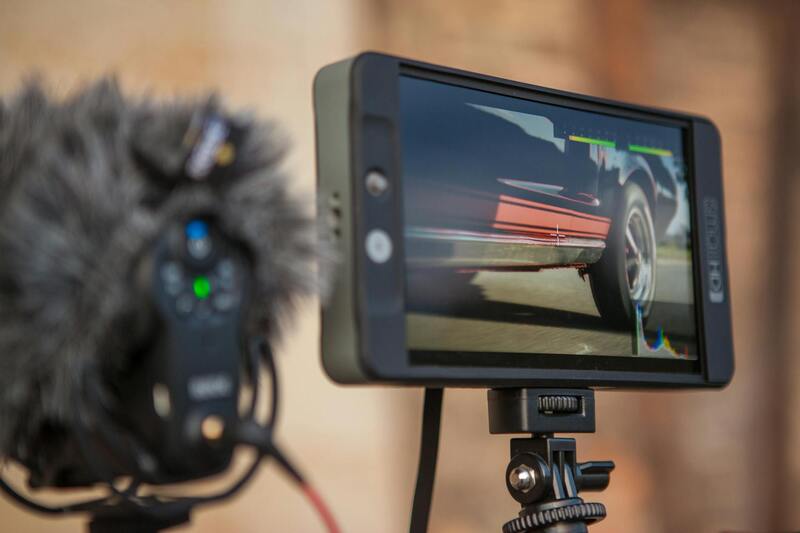
Professional live streaming providers typically handle everything from equipment setup and technical support to post-event analytics. These companies leverage advanced technology such as multi-camera shoots, professional audio systems, live switching, graphics overlays, and real-time chat integrations. By doing so, they produce dynamic broadcasts that mimic traditional television production, offering a seamless experience for viewers watching from their homes or workplaces.
Types of Events Suitable for Live Streaming
- Corporate Events: Conferences, product launches, panel discussions, and shareholder meetings can benefit from live broadcasts to improve engagement and provide remote participation options.
- Concerts and Performances: Music festivals, theater productions, and artistic showcases can reach a wider audience, especially with multi-camera setups and professional sound systems.
- Educational Sessions: Seminars, workshops, and training sessions can be streamed to maximize attendance and facilitate interactive learning experiences.
- Sports Events: Local matches, tournaments, and community sports days can be broadcast to build community engagement and attract sponsorship opportunities.
- Religious Gatherings: Services, sermons, and spiritual events can be streamed to congregants unable to attend physically, fostering inclusivity.
Key Features to Consider in Live Streaming Providers
- Technical Expertise: Providers should have experienced technicians capable of managing complex production setups and troubleshooting issues in real time.
- Equipment Quality: High-definition cameras, professional audio gear, and reliable encoders are fundamental for producing clear visuals and crisp sound.
- Platform Compatibility: The ability to stream across multiple channels such as YouTube, Facebook Live, or custom embedded players allows for broader audience reach.
- Interactivity Tools: Features such as live chat, polling, and Q&A sessions can enhance viewer engagement and interaction.
- Bandwidth and Reliability: Providers should ensure sufficient internet bandwidth and redundant systems to prevent interruptions during live broadcasts.
- Post-Event Content: Options for recording, editing, and archiving streams enable further content utilization and marketing.
Locating Live Streaming Services Near You in Miami
Finding live streaming services within proximity to your Miami event location can improve logistical coordination and on-site support. A focused search often involves identifying providers with established operations in Miami or the surrounding areas, which tend to have a better understanding of local venues, internet infrastructure, and logistical considerations specific to the region.
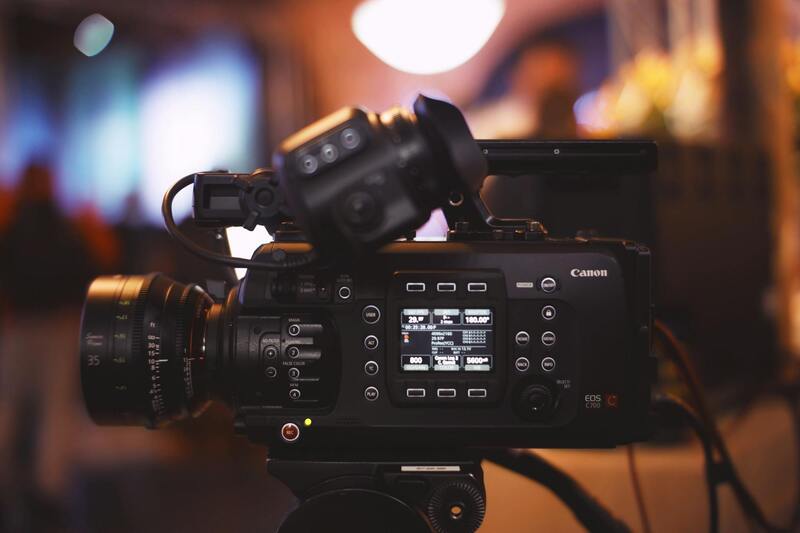
To locate these providers, consider reviewing local business directories, industry associations, or specialized event production networks. Recommendations from nearby event venues, professional event planners, or community organizations can also lead to reputable service providers with proven experience in facilitating successful live broadcasts.
Evaluating Local Live Streaming Providers
When assessing potential providers near Miami, it’s important to review their portfolio by examining previous projects, especially those aligned with your event type and size. Request detailed proposals that outline the technical setup, logistics plan, and contingency measures for potential issues. Confirm their familiarity with Miami’s logistical landscape and their ability to provide on-site technical support during the event. Additionally, ensuring they possess the latest streaming equipment and are adept with various streaming platforms will contribute to a smoother broadcasting experience.
- Experience with Similar Events: Providers with specialized experience in your event category can better anticipate challenges and deliver effective solutions.
- Technical Capabilities: Confirm they have modern equipment capable of supporting HD streaming, multi-camera switching, and high-capacity internet connections.
- On-Site Support: The availability of dedicated technicians on the day of the event guarantees quick resolution to unforeseen technical issues.
- Stream Customization: The ability to customize the broadcast layout with overlays, branding, and real-time graphics enhances professionalism.
Cost Considerations for Live Streaming Services
Pricing for live streaming can vary significantly based on several factors. These include the complexity of the event, number of cameras used, bandwidth needs, desired platforms, and additional services such as editing, post-event recordings, and multi-language streams. Providers often offer tiered packages—basic options for straightforward events with minimal production and premium packages for complex productions involving multiple camera angles, interactive features, and extensive branding. Transparency in pricing should clarify whether costs cover equipment rental, technical staffing, setup, and any additional logistical expenses such as transportation or special venue requirements.
Preparing for a Successful Live Stream
Effective preparation involves multiple stages. Test streams are crucial to troubleshoot potential issues with internet connectivity, audio quality, and streaming setup. Collaborate with your chosen provider to develop a detailed run-of-show, ensuring all technical aspects align with the event schedule. Confirm the internet bandwidth at the venue and consider backup options such as mobile hotspots or dedicated fiber connections to mitigate connectivity challenges. Clearly communicate roles and responsibilities with all technical staff and coordinators to ensure synchronization during the live event.