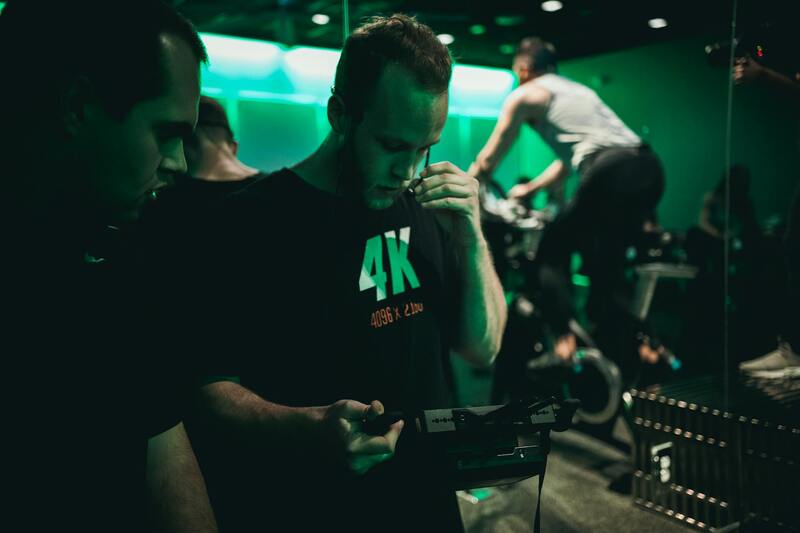
Understanding the Role of Live Streaming Experts
Live streaming experts serve as the backbone of successful broadcast productions in today’s dynamic digital landscape. Within Miami’s vibrant media environment, these professionals are entrusted with a comprehensive range of responsibilities that ensure seamless delivery of live content to audiences across various platforms. Their expertise extends beyond mere technical know-how, encompassing strategic planning, on-site management, and post-production analysis, all geared towards creating engaging and reliable live broadcasts.
A live streaming expert's primary responsibility is to orchestrate the entire broadcast process from pre-production to post-broadcast evaluation. This includes meticulous content planning to align with target audiences and client goals, selecting suitable equipment to guarantee high-quality visuals and sound, and implementing technical setups that are resilient against potential disruptions. Their role is crucial in maintaining broadcast stability, especially in complex situations requiring multi-source feeds, real-time overlays, and interactive features.
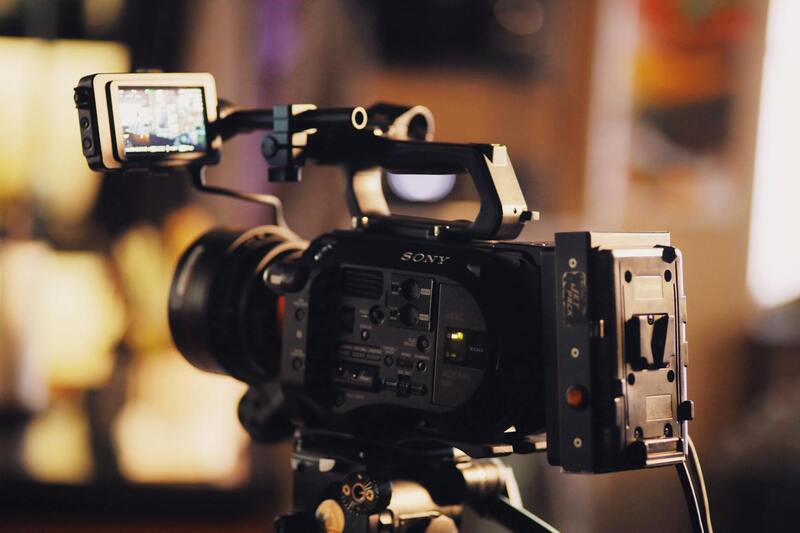
In Miami, a thriving hub for media and entertainment, live streaming professionals are indispensable assets for corporations, event organizers, and content creators aiming to reach broad audiences. They are equipped with a deep understanding of platform-specific requirements and trends, ensuring broadcasts are optimized for target viewers. Their strategic oversight helps mitigate risks such as lag, buffering, or technical failures, which could otherwise compromise the impact and professionalism of a broadcast.
The Strategic Importance of Live Streaming Experts
These experts play a critical role in enhancing viewer engagement and expanding reach, particularly for live events including conferences, concerts, and local festivals. By leveraging their skills, Miami-based agencies can deliver broadcasts that are visually compelling, technically flawless, and tailored to audience preferences. The ability to respond swiftly to on-site challenges and adapt to evolving streaming technologies further underscores their importance.
Moreover, live streaming specialists contribute to the overall brand reputation of their clients by ensuring consistent, high-quality delivery. Their mastery in both technical execution and strategic content deployment makes them valuable partners for any organization looking to leverage live broadcast capabilities to build audience loyalty and foster real-time interaction.
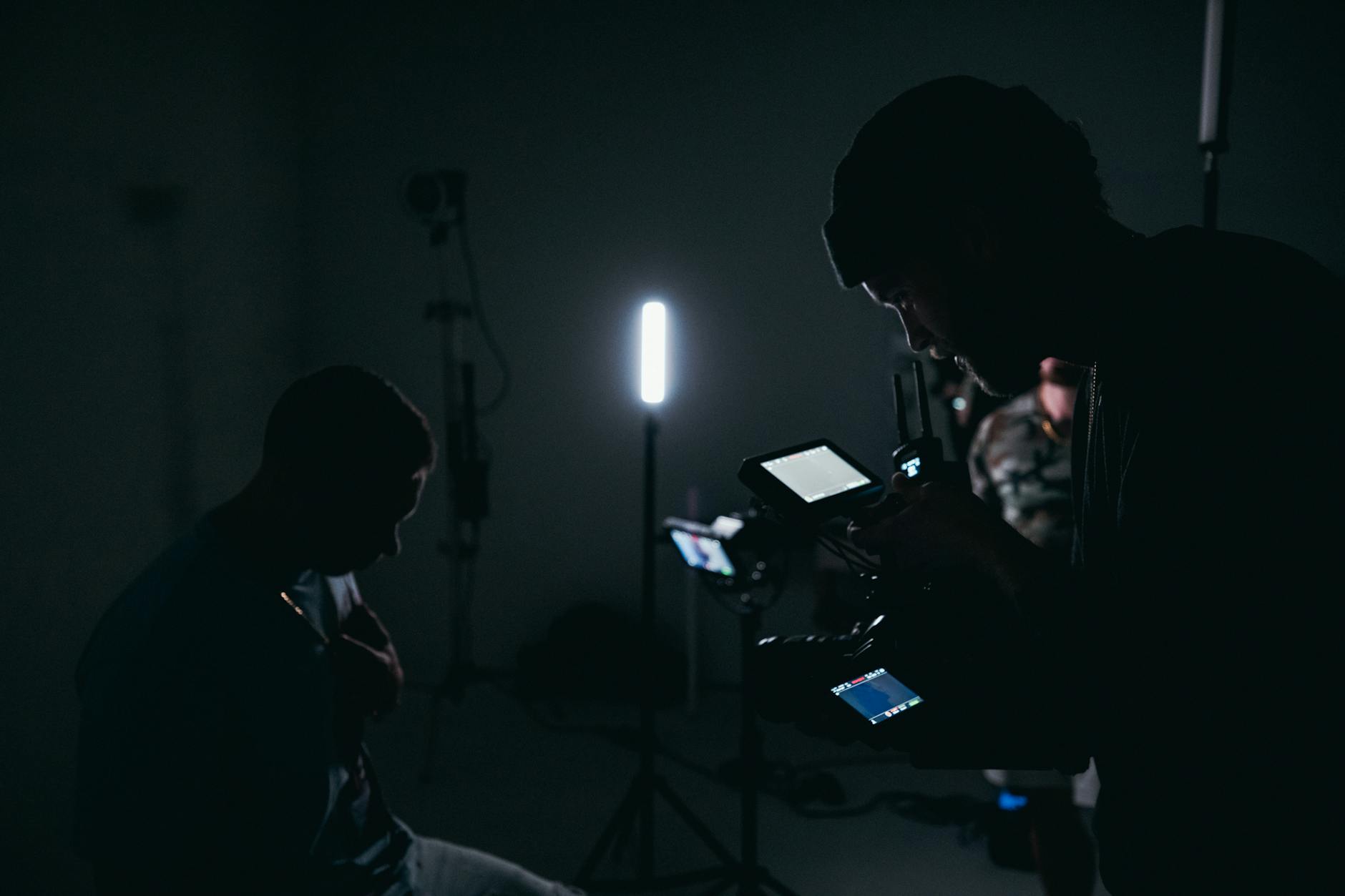
In sum, live streaming experts are essential to producing professional-grade broadcasts that meet the high standards expected in today’s fast-paced digital markets. Their multifaceted skill set not only guarantees technical excellence but also aligns live content with strategic objectives, amplifying the reach and impact of each broadcast event in Miami’s competitive environment.
Technical Skills Required for Live Streaming Professionals
Live streaming experts in Miami must possess a comprehensive technical skill set that ensures seamless and high-quality broadcasts. Central to their proficiency is a deep understanding of streaming protocols such as RTMP (Real-Time Messaging Protocol), HLS (HTTP Live Streaming), and DASH (Dynamic Adaptive Streaming over HTTP). Mastery of these protocols allows them to optimize the delivery of audio and video content across diverse devices and network conditions, minimizing buffering and latency issues. Additionally, they need expertise in encoding hardware and software, including industry-standard tools like OBS Studio, Wirecast, vMix, or vMix alternatives, which facilitate real-time video mixing, overlays, and transitions vital for engaging live content.
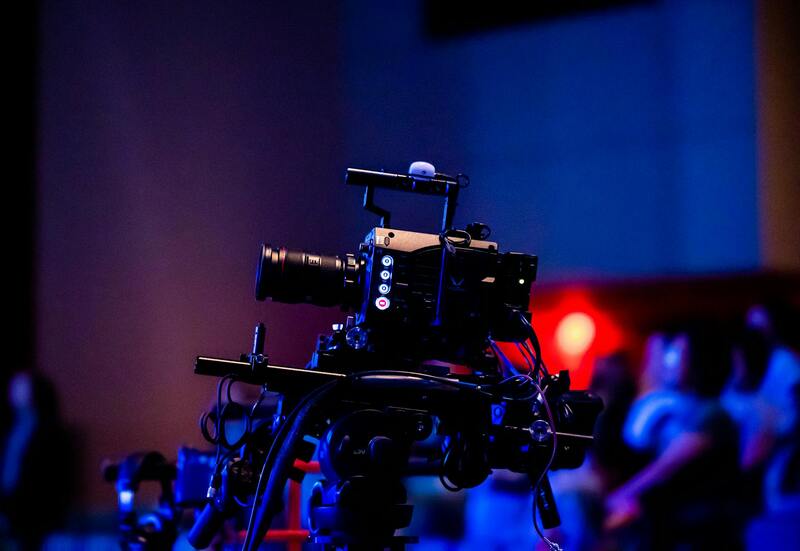
Understanding network configurations and bandwidth management is crucial. Live streaming specialists regularly monitor upload speeds, network stability, and latency to prevent disruptions. They often implement dedicated internet connections with high bandwidth capacity to support uncompressed video feeds. Troubleshooting skills are vital for resolving issues such as signal loss, audio disruptions, or synchronization errors promptly, thereby maintaining broadcast integrity.
The proficiency in audio-visual synchronization, multi-camera switching, and overlay integration using switchers and control surfaces further underscores their technical capabilities. Familiarity with encoder settings and streaming hardware like Blackmagic Design ATEM switchers or Magewell capture devices allows for optimal configurations tailored to specific broadcast needs. Equally important is knowledge of cybersecurity measures to protect content from unauthorized access and ensure only authorized viewers gain access to live streams.
Content Planning and Strategy for Live Broadcasts
Strategic content planning forms the backbone of successful live streaming. Experts collaborate with clients to define clear objectives, target demographics, and key performance indicators (KPIs). They develop comprehensive scripts and storyboards that align with branding and event goals, ensuring smooth execution from start to finish. Pre-production planning includes rehearsals, technical checks, and content calibration to minimize surprises during the live event.
In Miami’s vibrant event scene, tailoring content to local audiences is essential. This involves incorporating culturally relevant visuals, language, and interactive elements to foster viewer engagement. Live streaming professionals also strategize on social media integration, synchronization with promotional campaigns, and call-to-action placement to maximize viewer interaction and participation.
Equipment and Technology Utilized in Live Streaming
Live streaming professionals rely on a range of advanced equipment and technology to deliver professional-grade broadcasts. Essential hardware includes high-definition cameras, professional audio mixers, and stabilizers to ensure visual stability. Video switchers enable real-time transitions between multiple camera feeds, providing dynamic content delivery.
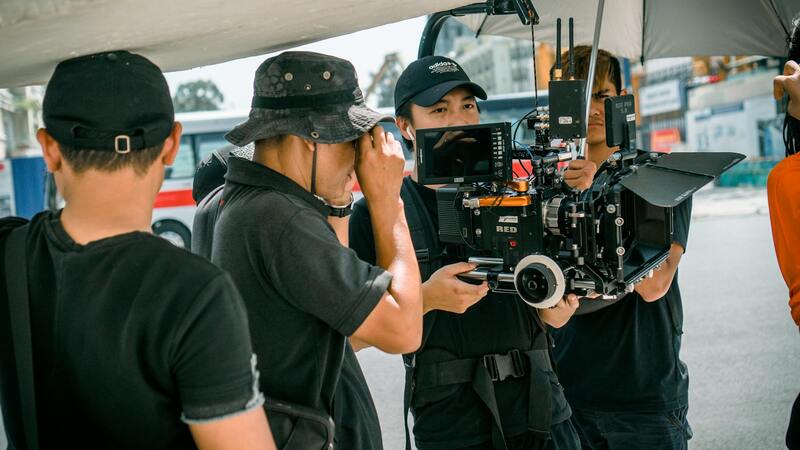
Trajectory towards automation and remote control systems has led to the adoption of studio-grade hardware and software solutions. Encoders with hardware acceleration reduce CPU load and improve stream stability. Cloud-based streaming platforms simplify content distribution and allow for multi-platform broadcasting simultaneously. Accessories like wireless microphones, portable lighting kits, and backup power supplies further enhance broadcast quality and reliability.
On-site Setup and Broadcast Management
Efficient on-site setup involves meticulous planning and precise execution. Live streaming experts coordinate with event organizers to secure appropriate space, power sources, and network access. They conduct site surveys to identify optimal camera placements, audio recording points, and internet connectivity options. Proper cabling, signal routing, and equipment calibration are fundamental during this phase.
During broadcast, they act as operational managers, overseeing equipment functioning, switching between video sources, adjusting audio levels, and troubleshooting real-time issues. Maintaining a detailed broadcast schedule and contingency plans ensures smooth flow despite unforeseen challenges. Clear communication with on-site staff, event hosts, and remote team members promotes coordination and rapid problem resolution.
Post-Stream Processing and Performance Analysis
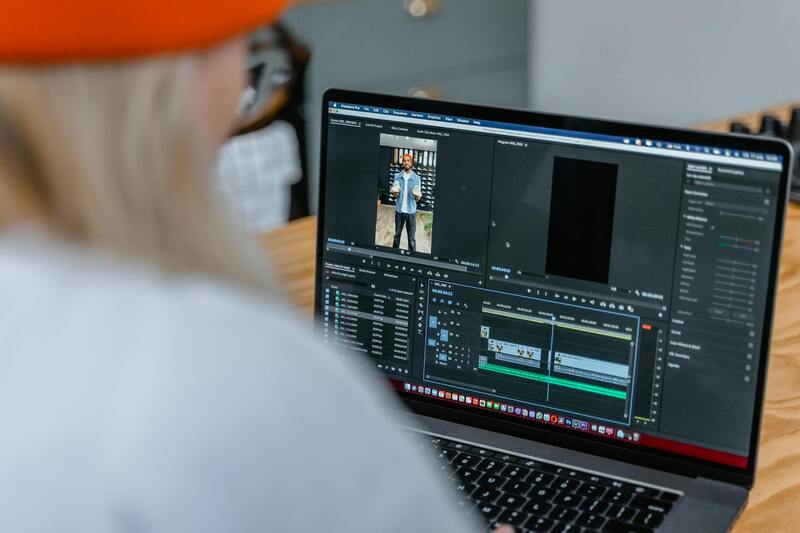
After the live event concludes, specialists engage in post-stream processing to enhance recorded content. This includes editing highlights, adding captions or graphics, and segmenting the footage for various platforms. Performance analysis involves reviewing broadcast metrics such as viewer count, engagement duration, and technical performance indicators like stream stability and latency.
Gathering viewer feedback and analyzing engagement data helps refine future streaming strategies. Additionally, software tools like Google Analytics, social media insights, and platform-specific analytics provide comprehensive viewpoints on audience behavior. These insights guide content optimization, improve broadcast quality, and deepen audience connection for subsequent events.
Content Planning and Strategy for Live Broadcasts
Developing a comprehensive content plan is fundamental for a successful live streaming event. Live streaming experts collaborate closely with clients to understand the core message, target audience, and desired outcomes. This involves selecting appropriate content formats—such as interviews, panel discussions, product launches, or entertainment segments—that align with the client’s branding goals. Timing and scheduling are meticulously planned to maximize viewer engagement, taking into account peak activity periods and audience geography, especially in vibrant locations like Miami where the demographic can vary significantly.
Strategic content also involves crafting interactive components that foster viewer participation. Live Q&As, real-time polls, and audience shout-outs are integrated into the broadcast plan to enhance engagement. Tailoring content to the preferences of the local Miami audience can significantly boost participation rates, which in turn increases overall reach and impact.
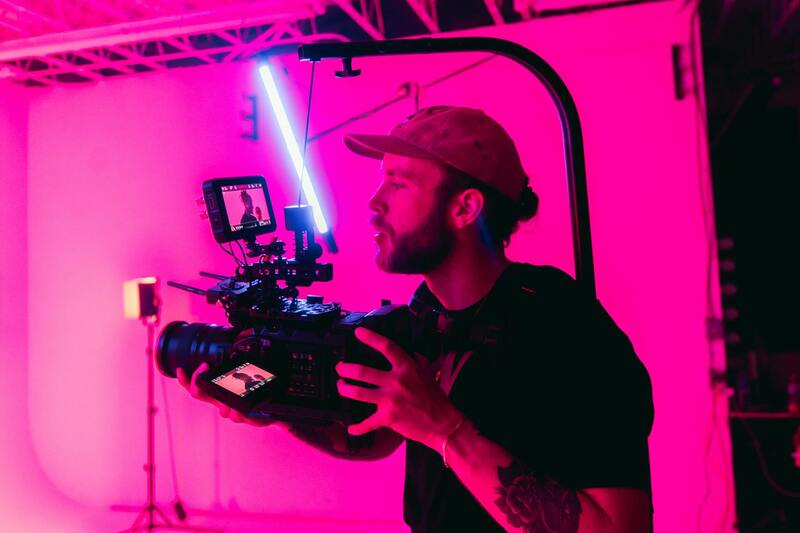
Effective storyboarding and scripting are critical steps that ensure a smooth flow of the event. Live streaming experts work with event organizers to develop detailed run sheets that delineate camera shots, graphics overlays, transitions, and key messaging points. This preparation minimizes on-camera confusion and maintains a professional broadcast experience.
 igure>
Another important aspect is audience analytics and feedback incorporation. Prior insights into viewer interests guide content customization. During the event, real-time data tracking tools enable experts to monitor engagement levels and adapt content dynamically. Post-event, thorough analysis of viewer trends, interactive participation, and feedback helps refine future content strategies, ensuring continuous improvement tailored to audience preferences.
Advanced Equipment and Technological Solutions in Live Streaming
To deliver high-quality live streams that captivate audiences and uphold professional standards, live streaming experts rely on a comprehensive suite of advanced hardware and sophisticated software solutions. These tools ensure seamless transmission, crystal-clear visuals, and reliable audio, all of which are critical for engaging viewers and maintaining credibility.
One of the foundational components is high-definition cameras capable of capturing vibrant, detailed footage. These cameras often feature features like low-light performance and multiple lens options to adapt to diverse shooting environments typical in Miami’s dynamic scenes. For outdoor events or expansive venues, drone cameras are increasingly employed to provide unique aerial perspectives, offering a compelling visual experience to viewers at home.
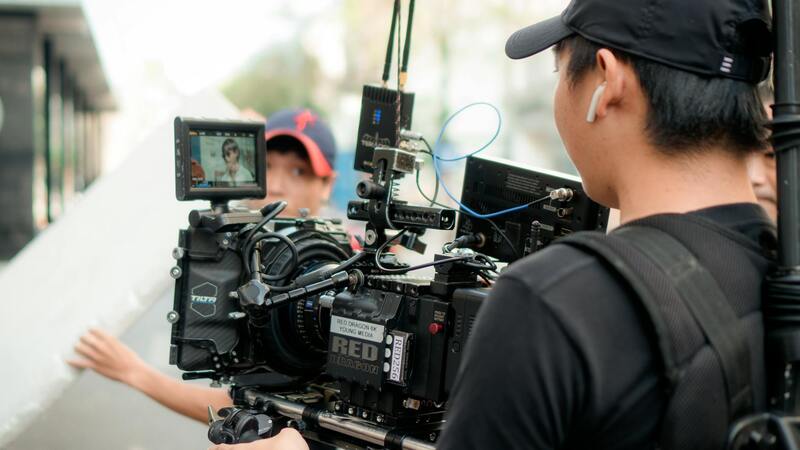
Encoders serve as vital intermediaries, converting raw video signals into streaming-friendly formats compatible with various platforms. Hardware encoders with robust processing capabilities ensure minimal latency and high resilience against network fluctuations, which are prevalent challenges during live broadcasts in Wi-Fi-rich locations like Miami.
From a software perspective, reliable streaming platforms are selected based on factors like scalability, analytics capabilities, and integrated audience interaction features. These platforms allow experts to broadcast simultaneously across multiple social media channels, maximizing reach. Features such as real-time chat moderation, viewer polls, and interactive overlays foster greater engagement and community participation.
Supporting Infrastructure for Successful Live Broadcasts
- High-speed internet connections, often backed by dedicated fiber optic lines or bonded cellular networks, minimize disruptions during live sessions.
- Portable lighting and sound equipment ensure audiovisual quality regardless of environmental conditions or indoor settings.
- Backup power sources and redundant streaming setups safeguard against technical failures, ensuring uninterrupted broadcast flow.
Professionals also employ state-of-the-art production switchers and control rooms to manage multiple camera feeds, overlays, and transitions efficiently. This integrated approach guarantees a polished and professional final product that resonates with audiences and fulfills the strategic objectives of each broadcast.
Visual and Audio Quality: The Cornerstone of Professional Live Streaming
The visual and audio aspects of a live stream are paramount. Clear visuals demand the use of high-resolution cameras equipped with professional lenses that adapt to various lighting conditions, from Miami’s sunny outdoor venues to indoor settings with fluctuating light. Audio quality is equally essential; lapel mics, shotgun microphones, and audio mixers are used to capture crisp, balanced sound that enhances viewer experience.
Overall, the integration of cutting-edge equipment and intelligent technology forms the backbone of successful live streaming endeavors. It enables experts to deliver content that is not only visually engaging but also technically flawless, reinforcing authority and trustworthiness in every broadcast.
Understanding the Role of Live Streaming Experts
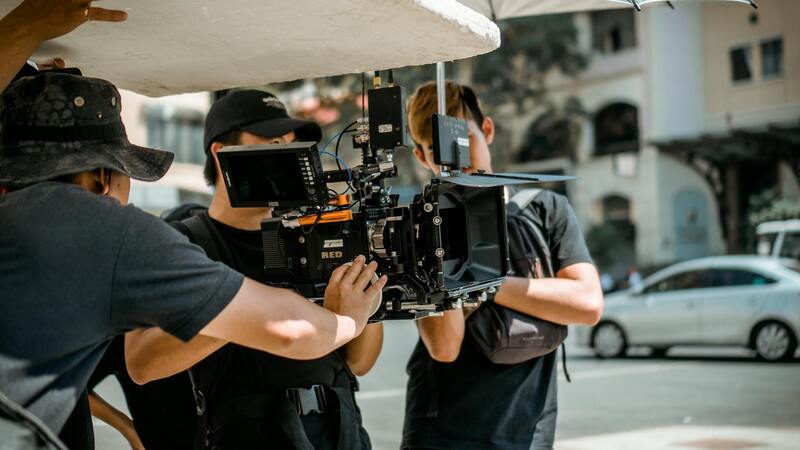
Live streaming experts serve as the cornerstone of delivering high-quality, seamless broadcast experiences across various platforms. Their expertise encompasses a broad spectrum of skills, including technical proficiency, strategic content planning, and operational management. These professionals are responsible for orchestrating every aspect of a live event, from pre-production preparations to post-broadcast analysis, ensuring that the content engages viewers while maintaining technical integrity.
At the core, live streaming experts act as coordinators and troubleshooters, capable of managing complex setups under pressure. Whether handling a corporate conference, a concert, or a sports event, these specialists ensure that the live broadcast reflects professional standards and aligns with the desired objectives. Their role extends beyond mere operation of equipment—they interpret client goals, adapt content delivery strategies, and respond swiftly to unexpected issues, minimizing downtime and disruptions.
Key Responsibilities of Live Streaming Experts
- Pre-event planning and coordination to establish technical requirements and content flow.
- Setup and calibration of cameras, microphones, lighting, and networking infrastructure.
- Monitor real-time transmission, ensuring optimal quality and stability.
- Troubleshoot technical issues promptly to avoid interruptions.
- Manage graphics overlays, transitions, and multi-camera feeds for a polished presentation.
- Coordinate with clients and production teams to adapt live content as needed.
- Post-event analysis to evaluate performance metrics and viewer engagement.
Why Expertise Matters in Live Streaming
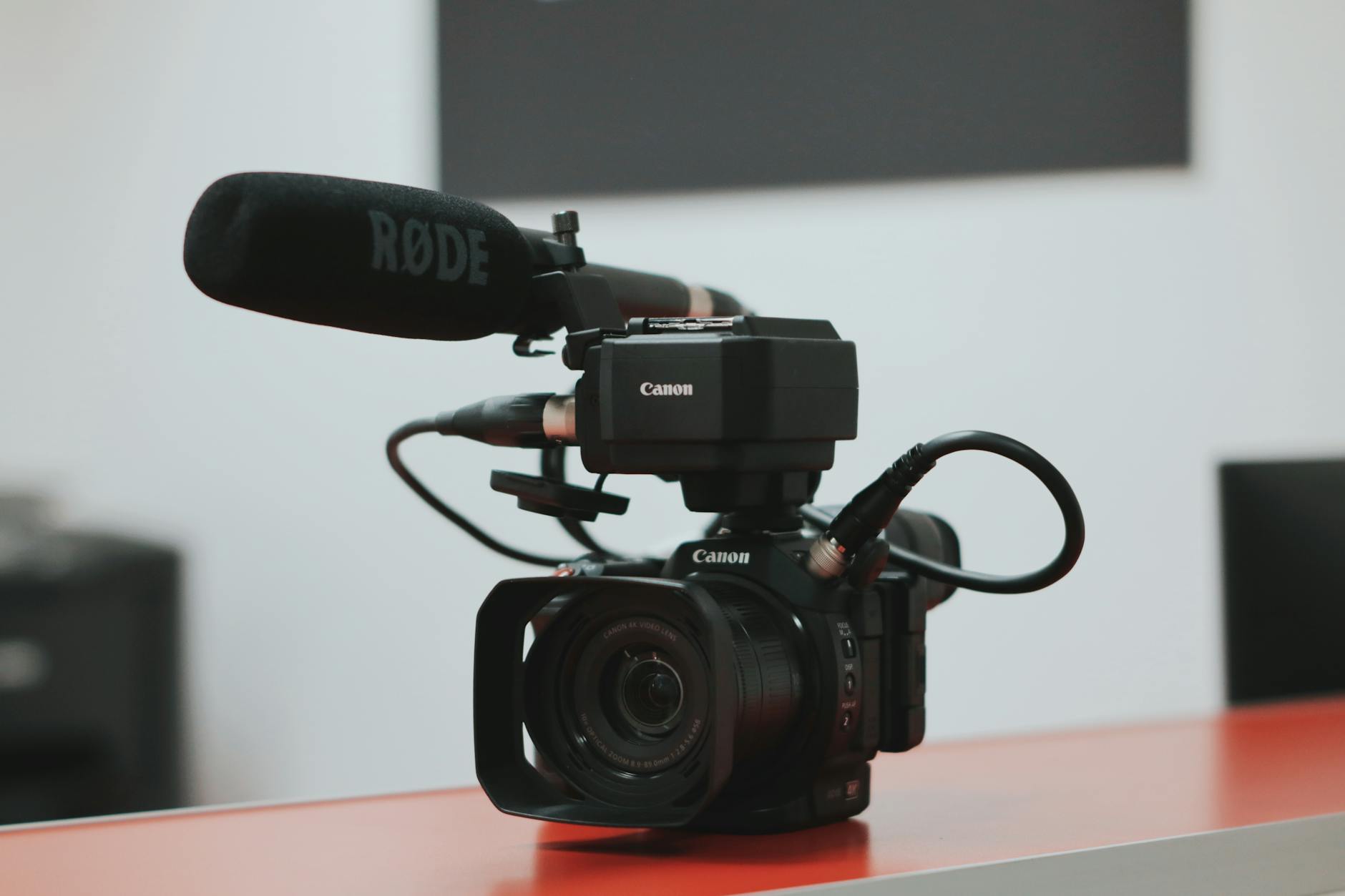
The landscape of live streaming is constantly evolving, incorporating new technologies, platforms, and viewer expectations. Skilled professionals are adept at navigating this dynamic environment by staying current with the latest innovations and industry best practices. Their technical mastery ensures that broadcasts are delivered without lag, distortion, or buffering, which is critical for maintaining audience trust and satisfaction.
Additionally, live streaming experts contribute significantly to brand reputation and audience engagement. By delivering smooth, professional broadcasts, they help clients establish credibility and connect more effectively with their target demographics. Their ability to optimize content for various devices—from desktops to smartphones—also plays an integral role in expanding reach and maximizing impact.
Collaborative Approach with Clients
A hallmark of effective live streaming services is close collaboration with clients to understand their brand, messaging, and audience. Experts tailor technical setups and content strategies to align with specific goals, whether delivering an educational seminar or broadcasting a large-scale event. This bespoke approach guarantees that the live stream not only functions flawlessly but also resonates with viewers, fostering sustained engagement and brand loyalty.
On-site Setup and Broadcast Management
Effective on-site setup and comprehensive broadcast management are fundamental components handled by live streaming experts to ensure seamless event transmission. This phase involves meticulous planning and execution, covering everything from venue infrastructure to real-time content delivery. Professionals conduct detailed site assessments to determine optimal camera placements, lighting conditions, and signal routes. They also guarantee that all technical equipment, including encoders, switches, and audio systems, operate harmoniously, reducing the risk of technical complications during the broadcast.
Pre-event rehearsals form a critical part of this process. Live streaming specialists coordinate with event organizers to run test streams, identify potential issues, and implement contingency plans. They establish reliable internet connections—often utilizing wired Ethernet, bonded cellular solutions, or dedicated fiber lines—to ensure high bandwidth and low latency. Minimizing signal degradation and preventing interruptions are top priorities, especially during high-profile or multi-camera shoots.
During the live event, broadcast managers monitor all technical parameters continuously. They oversee camera feeds, audio quality, graphics overlays, and switching between multiple video sources to maintain a professional presentation. Real-time troubleshooting skills allow them to swiftly resolve any technical glitches, ensuring that the live stream remains uninterrupted. Detailed oversight of stream delivery, including the encoding settings and platform-specific requirements, helps in delivering an optimal viewing experience across various devices and network conditions.
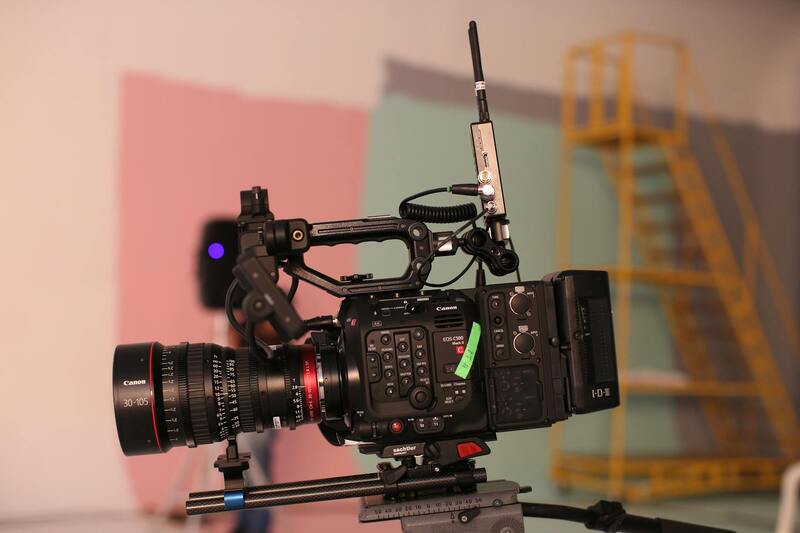
In addition to technical management, broadcast professionals coordinate with event staff to ensure compliance with the venue’s safety and logistical guidelines. This includes managing cabling, power supplies, and securing equipment to prevent any hazards or technical failures. Proper on-site management ultimately contributes to a high-quality, distraction-free broadcast that meets client expectations and captivates viewers.
By implementing best practices in setup and real-time management, live streaming experts uphold the integrity of the event and maximize audience engagement. Their ability to adapt swiftly to unforeseen circumstances safeguards the broadcast’s continuity and professionalism, reinforcing the client’s reputation and technological credibility.
Understanding the Role of Live Streaming Experts
Live streaming experts are essential for delivering high-quality digital broadcasts that captivate audiences, engage viewers, and meet the unique requirements of each event. Their responsibilities extend beyond simple operation of camera equipment; they encompass comprehensive planning, technical management, and post-event analysis to ensure seamless delivery. These professionals serve as the backbone of successful live streams, combining technical prowess with strategic insights to adapt swiftly to the dynamic environment of live broadcasting.
Core Responsibilities of Live Streaming Experts
- Pre-event Planning and Coordination: Collaborate with clients and event organizers to determine technical needs, content flow, and schedule. Develop detailed plans for equipment setup, internet connectivity, and contingency measures.
- Technical Setup and Testing: Prepare all necessary technology, ensuring compatibility and optimal performance. Conduct thorough testing of all video, audio, and streaming components prior to the event.
- Execution and Real-Time Monitoring: Oversee the live broadcast, adjusting camera angles, sound levels, and graphics as needed. Continuously monitor stream health, resolve issues promptly, and communicate with on-site personnel.
- Post-broadcast Analysis: Review stream metrics, analyze viewer engagement, and identify areas for improvement. Generate reports that inform future streaming strategies.
Skills and Expertise
Professionals in this field possess a range of skills including advanced knowledge of streaming platforms, proficiency with broadcasting hardware, and familiarity with various encoding and switching techniques. They also excel in troubleshooting technical issues, ensuring a stable and high-quality broadcast at all times. Additionally, effective communication skills enable them to coordinate seamlessly with clients, vendors, and production teams.
Technical Skills Required for Live Streaming Professionals
Success in live streaming hinges upon a solid foundation of technical knowledge and practical skills. Professionals must be adept at handling a wide range of equipment and software, tailored to the specific demands of each event. This includes mastery over video encoding, multi-camera switching, audio mixing, and network management.
Essential Technical Competencies
- Video Encoding and Compression: Understanding various encoding protocols and settings to optimize video quality while minimizing bandwidth consumption. Knowledge of H.264, H.265, and other codecs is vital for efficient streaming.
- Camera Operation and Switching: Ability to operate multiple cameras, switch feeds in real-time, and deploy professional video switchers or software-based mixing tools.
- Audio Engineering: Managing microphone configurations, audio levels, and ensuring high-quality sound that complements visual content.
- Network Infrastructure: Establishing reliable internet connections using wired or wireless methods. Implementing backup solutions for uninterrupted streaming even in fluctuating network conditions.
- Platform Compatibility: Ensuring compatibility with various streaming platforms and adapting settings to meet platform-specific requirements such as latency, resolution, and encoding quality.
Other Critical Technical Elements
- Use of Content Delivery Networks (CDNs) for expansive reach and stability.
- Implementation of security measures to protect broadcast integrity and viewer data.
- Knowledge of content rights management and digital rights protocols.

Content Planning and Strategy for Live Broadcasts
Creating compelling live content requires strategic planning and alignment with audience interests and event goals. Live streaming experts work with clients to develop detailed content plans that incorporate visual storytelling, engagement tactics, and platform optimization. The goal is to produce an authentic and dynamic broadcast that resonates with viewers and encourages interaction.
Developing a Content Blueprint
- Identifying Target Audience: Understanding viewer demographics, preferences, and platforms most frequented for maximum reach.
- Content Type and Format: Choosing between interviews, panel discussions, product demonstrations, or multi-camera performances based on event objectives.
- Scheduling and Flow: Structuring segments to maintain viewer interest, incorporate breaks, and manage transitions smoothly.
- Visual and Audio Elements: Integrating graphics, lower thirds, overlays, and music to enhance visual appeal and clarity.
- Audience Engagement Strategies: Planning live interactions, Q&A sessions, polls, and social media integration to foster community participation.
Adapting Content for Multiple Platforms
Strategic content repurposing ensures optimal engagement across diverse channels. Experts analyze platform-specific features, such as Instagram Live, Facebook, YouTube, or specialized streaming services, customizing content presentation accordingly. Tailoring formats and messaging enhances viewer experience and broadens reach.
Understanding the Role of Live Streaming Experts
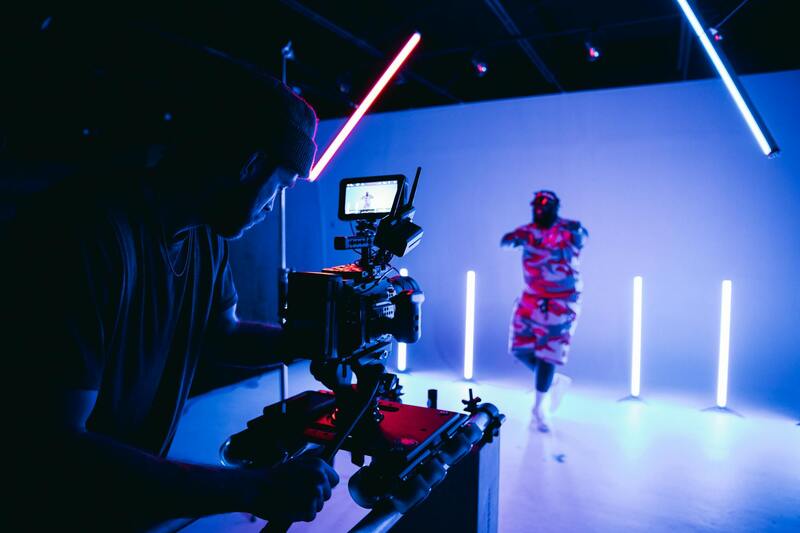
Live streaming experts play a critical role in ensuring that every broadcast achieves its intended impact by combining technical proficiency with strategic content development. These professionals are responsible for designing comprehensive streaming workflows, coordinating equipment setup, managing live feeds, and addressing unforeseen technical issues in real time. Their expertise ensures a seamless viewer experience, from camera angles to audio quality, fostering engagement and interaction throughout the broadcast.
Technical Skills Required for Live Streaming Professionals
Proficiency in a range of technical areas is essential for live streaming specialists. They must have an in-depth understanding of various broadcasting software, compression codecs, and network configurations to optimize streaming quality and stability. Knowledge of camera operations, lighting setups, audio mixing, and multi-source switching is fundamental to produce fluid and professional content. Additionally, familiarity with streaming platforms and content delivery networks (CDNs) allows experts to choose appropriate distribution methods that match client needs.
Hardware and Software Knowledge
- Video switchers and mixers for multi-camera control
- High-definition cameras and microphones
- Encoding and transcoding hardware or software solutions
- Realtime chat moderation tools for audience interaction
- Content management systems for stream scheduling and automation
These skill sets enable live streaming specialists to troubleshoot technical issues promptly, ensuring minimal disruption during broadcasts.
Content Planning and Strategy for Live Broadcasts
Effective content planning revolves around understanding the target audience and aligning broadcast objectives accordingly. Live streaming experts collaborate with clients to craft tailored content strategies that incorporate engaging storytelling, visual effects, and platform-specific tactics. This planning phase involves defining the type of content—whether it’s interviews, panels, product showcases, or entertainment segments—and establishing a logical flow that maintains viewer interest.
Key Elements of Content Strategy
- Clear identification of audience demographics and preferences
- Selection of content formats suited for the event's goals
- Timetable and segment structure that allow natural transitions
- Integration of graphics, overlays, and music to augment visual appeal
- Interaction points like live Q&A, polls, and social media prompts
By meticulously planning each aspect, live streaming experts ensure broadcasts are engaging, professional, and adaptable across various platforms.
Equipment and Technology Utilized in Live Streaming
Modern live streaming relies on an array of sophisticated equipment designed to deliver high-quality broadcasts. Essential components include ultra HD cameras, professional-grade audio systems, and multi-input switchers that enable dynamic scene changes. Streaming hardware such as encoders compress raw footage for transmission over the internet, while software solutions provide features for graphics, overlays, and real-time editing.
Additional Technological Components
- Fiber optic internet connections to maximize upload speeds and reduce latency
- Wireless transmission systems for flexible camera placements
- Backup power sources to prevent interruptions during power outages
- Monitoring tools for real-time feed validation and quality assurance

On-site Setup and Broadcast Management
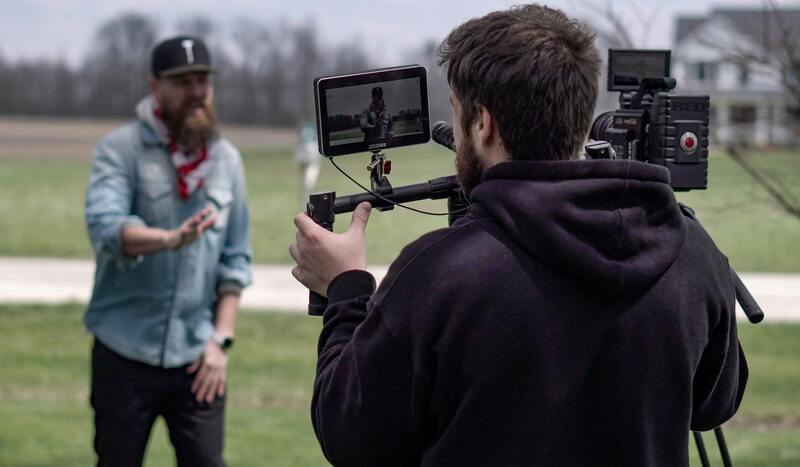
Executing a successful live stream on location involves meticulous setup and real-time management. Experts arrive early to coordinate with venue staff, ensure equipment compatibility, and verify internet connections. The setup includes positioning cameras for optimal coverage, configuring audio systems, and testing streaming servers. During the broadcast, live streaming professionals monitor technical parameters, adjust camera angles, manage transitions, and troubleshoot issues promptly to maintain a smooth broadcast flow.
Operational Responsibilities
- Scene switching and camera operation to capture key moments
- Audio balancing and noise suppression for clarity
- Synchronization of visual and audio cues
- Engagement with online viewers via chat moderation
- Coordination with on-site personnel for event timing and transitions
Post-Stream Processing and Performance Analysis
Following the live broadcast, experts handle editing, archiving, and performance evaluation to enhance future streams. Raw footage may be edited to create highlight reels or promotional clips, while analytics tools provide insights into viewer engagement, dropout rates, and platform performance. This data-driven approach helps refine content strategies, technical setups, and audience interaction tactics.
Key Post-Production Activities
- Encoding and formatting recorded streams for on-demand viewing
- Generating reports on viewer statistics and interaction metrics
- Gathering feedback from viewers to identify areas for improvement
- Updating streaming protocols based on technological advancements and audience preferences