
Overview of Streaming Miami Live
Streaming Miami live has become an essential part of how residents, visitors, and businesses engage with the vibrant culture and dynamic events of this bustling city. As digital technology advances, the ability to broadcast live content in real-time allows for immediate interaction and access, making it a preferred choice for covering local festivals, sporting events, concerts, and conferences. For local audiences, streaming provides an opportunity to experience events that they may not physically attend, thereby enhancing community involvement and cultural connectivity. Businesses leverage live streaming to promote products, conduct virtual tours, or host corporate webinars, expanding their reach beyond traditional brick-and-mortar limitations. Alternatively, event organizers and content creators often rely on live broadcasts to showcase Miami’s energetic lifestyle and diverse attractions, attracting a broader online audience and boosting engagement. It is evident that streaming Miami live plays a pivotal role in shaping how information, entertainment, and commerce unfold within the city, making it an integral element of Miami’s modern communication landscape.
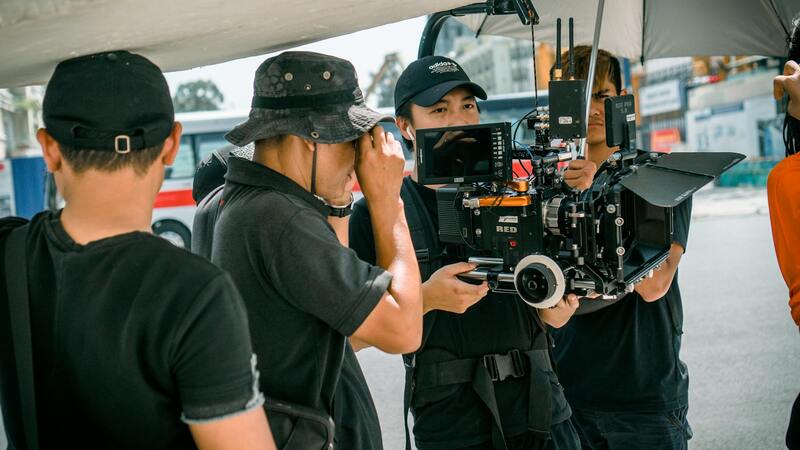 igcaption> Live streaming capturing Miami’s vibrant cityscapes and iconic events
Popular Platforms and Technologies for Streaming in Miami
Miami’s live streaming ecosystem is supported by a variety of platforms that cater to different needs and audiences. Major social media channels, including Facebook Live, Instagram Live, and YouTube, are widely used due to their extensive user bases and ease of access. These platforms enable both casual streamers and professional content creators to broadcast with minimal setup, often utilizing mobile devices or laptops. Dedicated streaming services like Vimeo and Livestream provide higher-quality video options and more advanced features tailored for corporate events, festivals, and professional productions. Additionally, cloud-based solutions offer scalable infrastructure for enterprises looking to broadcast seamlessly across multiple channels simultaneously. The integration of streaming technologies such as RTMP (Real-Time Messaging Protocol), WebRTC, and adaptive bitrate streaming ensures viewers receive a consistent, high-quality experience regardless of their internet connection or device. Local content producers also benefit from regional data centers and CDN (Content Delivery Network) support that reduces latency and enhances live broadcast stability within Miami’s geographic area.
Legal and Licensing Considerations for Streaming Live Content
Hosting live streams in Miami requires adherence to established content distribution guidelines and licensing protocols that ensure the proper rights are obtained for broadcast. Creators and organizers must secure necessary permissions for music, video clips, or proprietary visuals included in their streams. This process involves coordinating with copyright holders or licensing agencies to avoid disputes, especially when broadcasting public events or performances. Furthermore, establishing clear agreements regarding audio-visual rights helps maintain a professional standard and prevents potential content infringement issues. Local regulations may also specify the need for permits or notifications for large-scale events to ensure compliance with public safety standards. Recording, storage, and archive management of live streams are also subject to industry best practices to protect intellectual property and ensure authorized access. Proper licensing and content management practices are crucial for delivering consistent, high-quality streaming experiences that respect legal frameworks while serving the interests of broadcasters, organizations, and audiences alike.
Popular Platforms and Technologies for Streaming in Miami
Leading Streaming Platforms for Miami Live Broadcasts
Miami's vibrant digital landscape is supported by a variety of streaming platforms that enable broadcasters to reach local and global audiences efficiently. Major platforms such as Facebook Live, YouTube Live, and Instagram Live serve as primary channels for community events, concerts, and sports coverage, offering extensive reach and user engagement. Businesses and content creators leverage these platforms for real-time interaction, enabling immediate feedback and building stronger viewer connections.
Additionally, dedicated streaming services like Vimeo Livestream and Twitch provide more specialized solutions for high-quality broadcasts, especially suited for corporate events, professional sports, and large-scale entertainment. These platforms offer advanced features such as customizable player interfaces, secure streaming options, and detailed analytics, which help organizers optimize content delivery and audience retention.
Streaming Technologies Enhancing Broadcast Quality
In Miami, the adoption of advanced streaming technologies significantly impacts the quality and stability of live broadcasts. Adaptive bitrate streaming dynamically adjusts video quality based on viewer bandwidth, ensuring a seamless experience regardless of network fluctuations. Content Delivery Networks (CDNs) like Akamai or Cloudflare help distribute streams efficiently, reducing latency and buffering issues across the city’s varied network infrastructure.
Furthermore, protocols such as RTMP (Real-Time Messaging Protocol) and HLS (HTTP Live Streaming) facilitate real-time data transmission, supporting high-definition video with minimal delay. Many broadcasters also utilize multi-bitrate streaming setups, which allow viewers to select their preferred quality setting, thereby enhancing accessibility and satisfaction.
Integration of Local Cable and Satellite Options
While online streaming dominates, local cable and satellite providers in Miami continue to play a role in delivering live content to traditional television audiences. These services often integrate with internet-based streams to widen reach and provide viewers with multiple access points. Hybrid broadcast solutions enable content owners to maximize exposure while maintaining consistency across platforms.
Image Placeholder
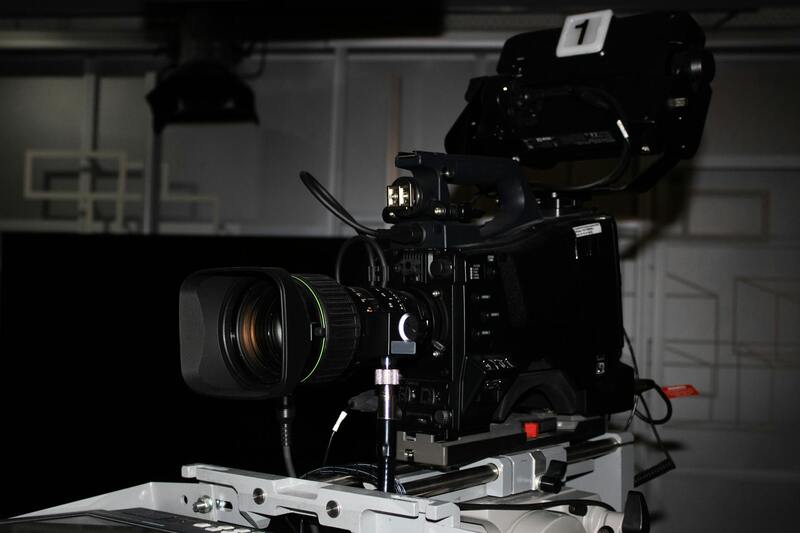
Summary of Key Technologies Supporting Miami Live Streaming
- Social media platforms – Facebook Live, YouTube Live, Instagram Live
- Dedicated streaming services – Vimeo Livestream, Twitch
- Content Delivery Networks (CDNs) – Akamai, Cloudflare
- Streaming protocols – RTMP, HLS
- Adaptive bitrate streaming for optimal user experience
- Hybrid solutions integrating traditional cable and internet streams
Choosing the right combination of these platforms and technologies is crucial for broadcasters aiming to deliver high-quality, reliable live content in Miami. Tailoring solutions based on event scale, audience size, and content type ensures superior streaming experiences and effective audience engagement.
Ensuring Smooth and High-Quality Streaming in Miami
Achieving seamless live streams in Miami requires meticulous planning and a focus on technical robustness. Broadcasters must prioritize stable internet connections, employing dedicated high-bandwidth networks to minimize buffering or latency issues. Using enterprise-grade hardware and software solutions ensures consistent performance, especially during large-scale events or high viewer traffic. Implementing redundant encoding systems provides a safeguard against hardware failures, facilitating uninterrupted streaming even if primary equipment encounters issues.
Optimizing encoding settings is crucial for balancing video quality and delivery efficiency. Adaptive bitrate streaming technology allows the stream to automatically adjust based on the viewer's bandwidth, delivering the best possible quality without interruptions. Content Delivery Networks (CDNs) like Akamai or Cloudflare aid in distributing streams across the Miami region, reducing load times and preventing server overloads. Utilizing scalable streaming protocols such as RTMP and HLS further enhances delivery reliability and compatibility across various devices.
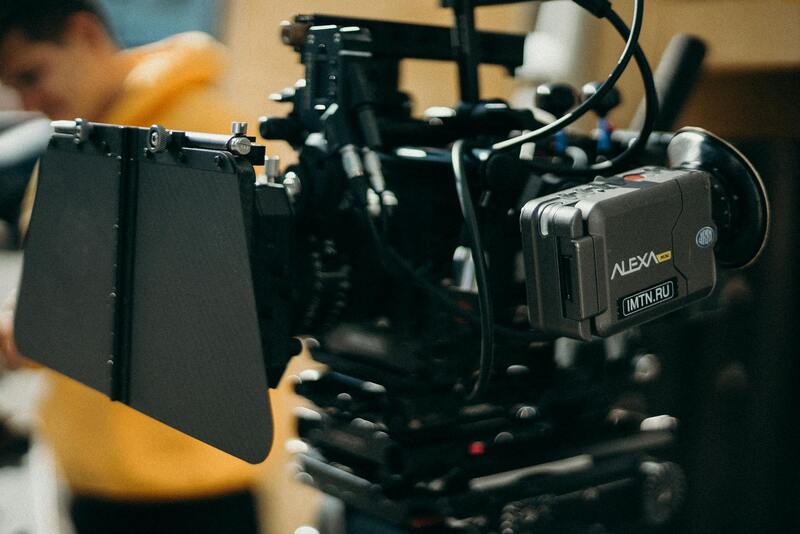
Another vital aspect is the integration of streaming solutions with mobile and portable devices. As many viewers access live content via smartphones and tablets, broadcasters should ensure their platforms support adaptive streaming for mobile compatibility, providing a responsive viewing experience. Real-time monitoring tools enable producers to track stream health, viewer interactions, and potential issues, allowing for immediate troubleshooting to maintain broadcast quality.
Partnerships with Local Technical Providers
Local Miami-based technical firms often provide specialized services that cater to the city’s unique broadcasting needs. These partnerships can facilitate the deployment of temporary or permanent streaming infrastructure, including live camera feeds, remote production teams, and on-site technical support. Leveraging their expertise ensures that all aspects of the live broadcast—from signal capture to final streaming—operate harmoniously, resulting in a polished and professional viewing experience.
With Miami's vibrant event scene and diverse audiences, investing in advanced streaming infrastructure and reliable technical practices is essential for broadcasters aiming to capture the city’s energy effectively. Proper planning, state-of-the-art technology, and strong local collaborations combine to deliver compelling live content that resonates with viewers across Miami and beyond.
Overview of Streaming Miami Live
Miami has established itself as a premier hub for live streaming activities, driven by its vibrant cultural scene, numerous large-scale events, and a thriving media industry. Streaming Miami live content facilitates real-time connectivity with audiences locally and globally, offering opportunities for businesses, event organizers, and content creators to showcase their offerings seamlessly. Whether broadcasting a major music festival, a corporate seminar, or an exclusive interview, the city's infrastructure and technical expertise support high-quality live transmissions that meet professional standards. With a focus on reliability, clarity, and accessibility, live streaming in Miami can help entities expand their reach, engage viewers more effectively, and deliver dynamic multimedia experiences that resonate with diverse viewer demographics.

Popular Platforms and Technologies for Streaming in Miami
To maximize the impact of live streams, many in Miami rely on a combination of reputable platforms and cutting-edge technologies. These tools ensure seamless broadcast delivery, adaptive streaming quality, and broad accessibility across various devices. Major platforms such as YouTube Live, Facebook Live, and Vimeo Live are favored for their extensive reach, user-friendly interfaces, and advanced features that allow for interactive elements like live chat and viewer polls. Each platform offers different benefits, such as integrated monetization options, analytics, and multi-stream capabilities, which help broadcasters tailor their content to audience preferences.
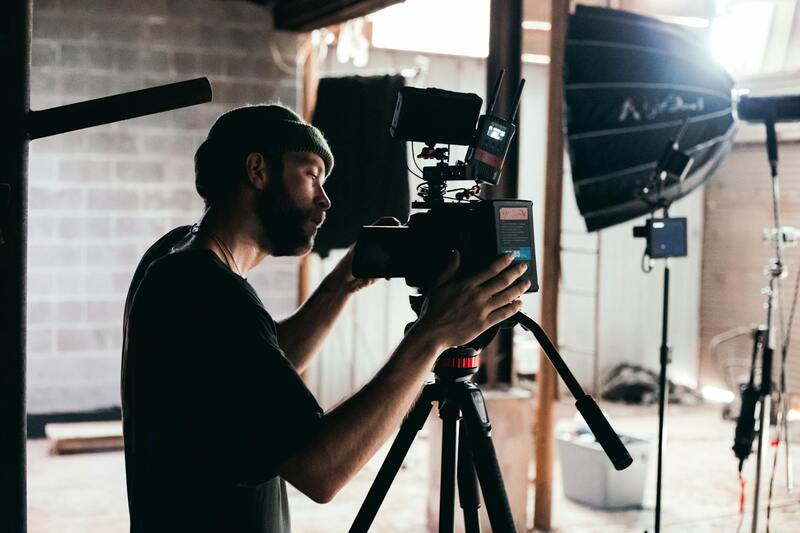
On the technical front, broadcasters often employ streaming protocols like RTMP (Real-Time Messaging Protocol) and adaptive bitrate streaming to optimize video quality and bandwidth usage. These protocols minimize buffering issues and provide viewers with smooth, stable streams, regardless of their connection speeds. Additionally, hardware encoders, such as ATEM Mini or Blackmagic Design products, encode video feeds for transmission, ensuring high-resolution output with minimal latency. Cloud services, like AWS Elemental MediaLive, facilitate scalable streaming infrastructure that can handle fluctuating viewer numbers during peak times, maintaining broadcast consistency and quality throughout the event.
Legal and Licensing Considerations for Streaming Live Content
When streaming live content from Miami, it is essential to adhere to established legal and licensing standards to ensure the smooth operation of broadcasts and protect intellectual property rights. Content creators and broadcasters must secure appropriate permissions before featuring music, video clips, or copyrighted material in their streams. This involves obtaining licenses from rights holders or licensing organizations to avoid copyright infringements that could lead to content removal, revenue loss, or legal disputes. Additionally, broadcasters should verify the necessary permits for filming in public or private spaces, especially during high-profile events or large gatherings, to avoid disruptions or violations of local regulations.
Implementing strict consent protocols for participants and ensuring compliance with privacy laws also plays a critical role. This includes informing viewers about data collection practices, providing necessary disclosures, and safeguarding personal information. Participants involved in live streams need to be aware of their rights and obtain consent for their appearance or participation, especially when broadcasting sensitive or confidential content. Complying with these guidelines fosters trust and maintains professionalism, supporting the long-term success of streaming initiatives in Miami.
Technical Requirements for Streaming Live in Miami
Executing a successful live stream in Miami necessitates adherence to specific technical standards that guarantee smooth delivery and high-quality viewing experiences. To begin, high-definition video equipment such as 4K or at least 1080p capable cameras is recommended to produce crisp visuals that cater to audiences expecting professional-grade content. Audio quality is equally vital; using external microphones or mixing consoles ensures clear, balanced sound free from background noise or interference, which is particularly critical in busy or acoustically challenging environments.
Reliable internet connectivity forms the backbone of any live streaming operation. A dedicated broadband connection with upload speeds of at least 10 Mbps, preferably higher, should be established to handle high-quality streams without buffering or lag. For larger events or multiple-camera setups, additional bandwidth and backup internet sources are advised to prevent disruptions. Wired connections are preferred over Wi-Fi whenever possible, as they offer greater stability and security.
Encoding hardware or software is crucial for converting raw video feeds into streaming-compatible formats. Hardware encoders, such as those from Teradek or Blackmagic, provide robust performance suited for live productions. Software encoders like OBS Studio or vMix offer flexibility and ease of use, especially suitable for smaller-scale streams or localized broadcasts. It is important to select a platform that supports adaptive bitrate streaming, which dynamically adjusts video quality based on viewer bandwidth, ensuring a seamless experience.
Lighting is often overlooked but plays a significant role in content clarity. Proper lighting setups—using softboxes, ring lights, or LED panels—enhance image quality, highlight key moments, and improve overall production value.
Additional Considerations for Successful Miami Live Streams
- Content Management: Use robust streaming management tools to monitor stream health, control content flow, and adjust settings in real time.
- Synchronization: Maintain audio and video sync using professional audio mixers or software tools to prevent delays that can distract viewers.
- Post-Stream Data Analytics: Utilize analytics platforms to gather viewer metrics, engagement levels, and performance reports, aiding future content optimization.
- Legal Compliance: Ensure all technical setups are compliant with local regulations, especially regarding audio, video rights, and privacy laws.
Technical Requirements for Streaming Live in Miami
Executing a successful live broadcast in Miami necessitates a comprehensive understanding of the technical specifications that underpin high-quality streaming. The setup begins with selecting appropriate hardware components, including professional-grade cameras capable of capturing crisp, high-definition footage. These cameras should support at least 1080p resolution, with some high-end setups opting for 4K recording to future-proof the content and enhance viewer experience.
In addition to cameras, audio equipment such as lavalier microphones, shotgun mics, or mixers ensures clear sound, vital for engaging streams. External audio interfaces or digital mixers can help balance multiple sound sources, providing an immersive experience for viewers.
An equally critical component is the internet connection. Streaming in Miami requires a robust, dedicated internet bandwidth, typically a wired Ethernet connection, offering upload speeds of at least 10 Mbps for standard HD content. For 4K streams or higher viewer counts, upload speeds of 25 Mbps or more are recommended to handle the increased data flow without interruptions.
Hardware encoders, like those from Teradek, encode raw video signals into formats suitable for internet transmission, providing reliability and minimal latency. Alternatively, software encoders such as OBS Studio or vMix can be used on powerful computers, offering flexibility and detailed control over the streaming process.
Software configurations should include adaptive bitrate streaming support, which automatically adjusts video quality based on viewer bandwidth, preventing buffering and freezing issues. This ensures a consistent viewing experience across various devices and network conditions.
For content management and real-time monitoring during live streams, professional control interfaces and streaming platforms with cloud-based analytics are essential. They enable streamers to track performance metrics, viewer engagement, and technical health, allowing immediate adjustments if needed.

Technical Requirements for Streaming Live in Miami
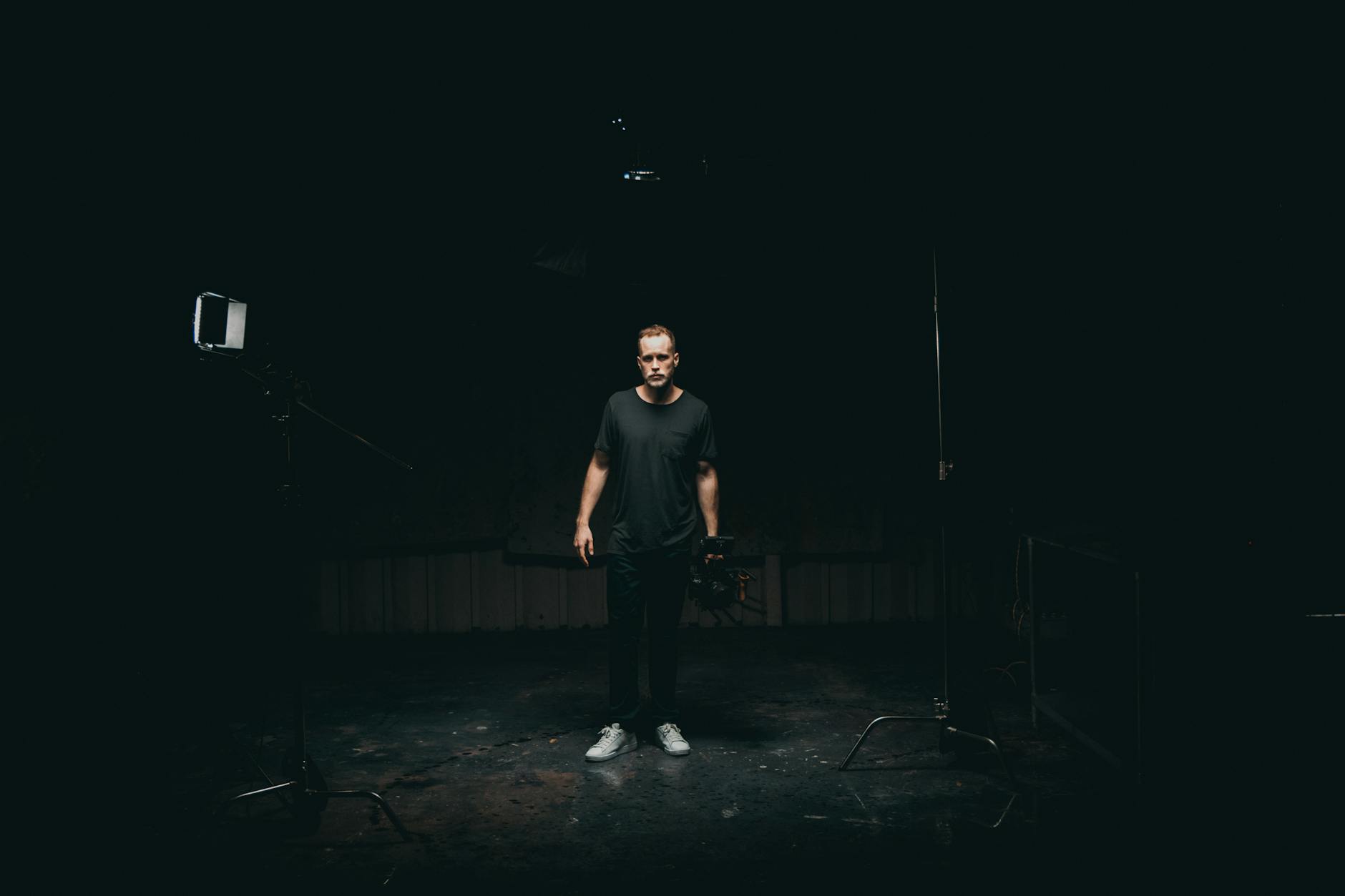
To ensure high-quality live streaming experiences in Miami, a comprehensive understanding of the technical components involved is essential. This includes both hardware and software elements that collectively contribute to reliable and professional broadcasts. A key aspect involves selecting the appropriate broadcasting equipment, such as high-definition cameras capable of capturing vibrant visuals in dynamic environments. These cameras should support features like low-light performance and optical zoom to adapt to various event settings.
Mixers and switchers are also crucial for managing multiple camera feeds, allowing producers to seamlessly transition between different angles and sources during live events. For outdoor or large-scale events, stabilization tools and weather-resistant gear are recommended to maintain video quality under varying conditions.
Audio quality is equally vital; professional microphones and sound mixers help capture clear, crisp audio that complements the visual content. Incorporating wired or wireless microphone systems ensures flexibility during live performances or speeches. Proper audio balancing and noise reduction techniques prevent disturbances, preserving a polished broadcast standard.
On the software front, encoders such as OBS Studio, vMix, or Wirecast are popular tools that facilitate real-time encoding and streaming. These software solutions enable customization of streaming parameters, overlays, and transitions, maintaining viewer engagement throughout the broadcast. Implementing adaptive bitrate streaming technology ensures viewers with varying internet speeds experience smooth playback without interruptions.
Furthermore, integrating real-time analytics platforms allows producers to monitor stream performance, viewer metrics, and engagement levels. This data supports immediate troubleshooting and content adjustments, optimizing the overall broadcast quality.
Network infrastructure plays a pivotal role; a high-speed, stable internet connection with sufficient upload bandwidth is necessary to handle uncompressed video feeds. Backup internet solutions, such as cellular hotspots or secondary connections, are advisable to prevent disruptions in case of primary connection failure.
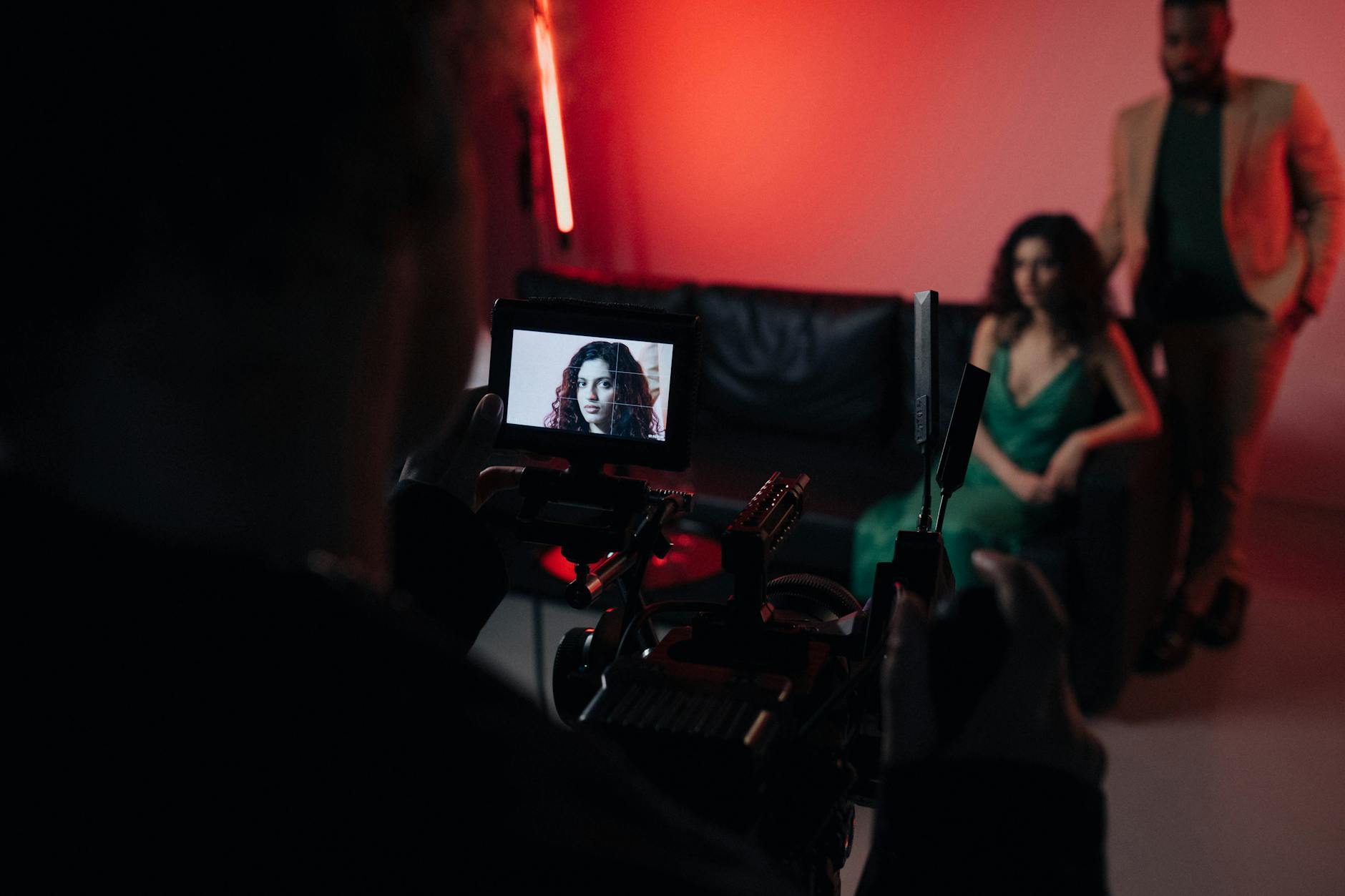
Local power supply stability must also be considered, especially in outdoor venues or large installations. Use of uninterruptible power supplies (UPS) and surge protectors safeguards equipment against electrical fluctuations and outages, ensuring continuous streaming during critical moments.
Compatibility with regional broadcasting standards should be validated, particularly when streaming content to local audiences or media outlets. This involves adhering to specific technical specifications regarding video resolution, audio formats, and signal transmission protocols. Investing in top-tier streaming hardware combined with reliable network and power infrastructure forms the backbone of effective live broadcasts in Miami. It enables producers to deliver consistent, engaging content that meets professional standards across diverse event types and viewer demographics.
Comprehensive Guide to Streaming Miami Live
Overview of Streaming Miami Live
Streaming live content in Miami requires a strategic approach that combines reliable technology, legal compliance, and audience engagement. As one of the most vibrant media landscapes in the country, Miami offers numerous opportunities for broadcasters, event organizers, and content creators to reach audiences locally and globally. Whether broadcasting a cultural festival, a sporting event, or a corporate presentation, understanding the nuances of live streaming in Miami enhances the overall quality and reach of your content.
Popular Platforms and Technologies for Streaming in Miami
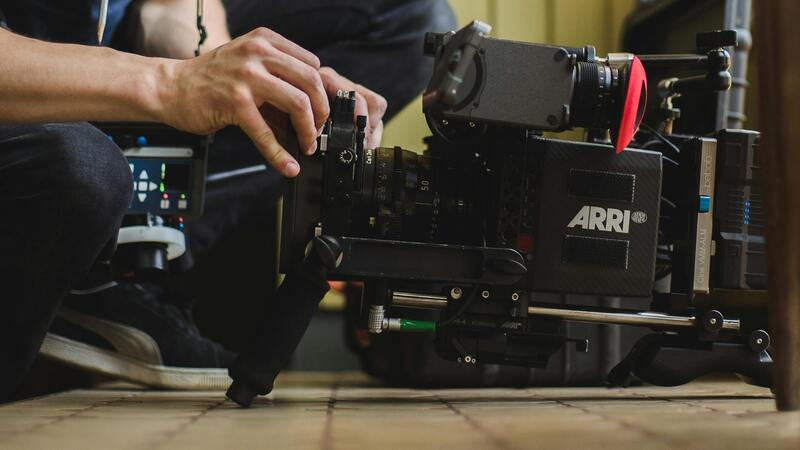
A variety of platforms enable high-quality live streaming tailored to specific needs. Major options include professional-grade software and hardware solutions such as OBS Studio, vMix, and Wirecast, which are often used by production agencies in Miami to ensure seamless broadcasts. These tools support multi-camera setups, real-time graphics, and integrated audio management, essential for professional live streams.
On the streaming front, Content Delivery Networks (CDNs) like Akamai and Cloudflare facilitate reliable distribution to large audiences by minimizing latency and buffering. For simpler broadcasts, platforms like YouTube Live, Facebook Live, and Twitch remain popular choices, providing user-friendly interfaces and built-in analytics. Whether streaming to social media or dedicated players embedded within a website, the choice hinges on content type, target audience, and desired interaction levels.
Legal and Licensing Considerations for Streaming Live Content
Ensuring compliance with licensing and intellectual property rights is essential for live streams. Content creators and broadcasters should secure appropriate permissions for copyrighted music, videos, or images incorporated into their broadcasts. Local regulations may also stipulate specific permissions for performing arts, public events, or commercial activities, particularly when streaming to public audiences or media outlets.
Obtaining necessary clearances from event organizers or property owners is recommended before transmitting live content. For venues or events that involve multiple stakeholders, establishing agreements and obtaining permissions in advance mitigates potential disruptions during a broadcast.
Best Practices for Live Streaming Events in Miami
- Pre-Event Planning: Conduct thorough technical assessments, including internet connectivity, power supplies, and venue setup.
- Equipment Testing: Verify camera angles, audio feeds, and streaming hardware functioning correctly hours before the event.
- Stable Internet Connection: Use dedicated high-bandwidth connections, and implement backup options such as cellular hotspots.
- On-Site Support: Employ technical staff familiar with live broadcasting to handle unforeseen issues swiftly.
- Audience Interaction: Integrate live chat, polls, or Q&A segments to boost viewer engagement during the stream.
- Post-Stream Analysis: Collect data on viewer metrics and engagement to refine future broadcasts.
How Miami Production Agencies Support Live Streaming
Miami's specialized production agencies bring extensive experience in crafting high-quality live broadcasts. These agencies typically offer end-to-end services, including content planning, technical setup, multi-camera filming, editing, and real-time streaming management. Their access to cutting-edge broadcasting equipment ensures a smooth streaming experience across various platforms.
Furthermore, local agencies understand regional broadcast standards, permitting them to tailor content delivery to match audience preferences and regulatory requirements. Their on-the-ground presence enables swift responses to technical challenges, minimizing downtime and ensuring a professional presentation that resonates with Miami's diverse audience.
Technical Requirements for Streaming Live in Miami
Effective live streaming in Miami hinges on robust infrastructure. Key technical components include:
- High-Speed Internet: A dedicated, high-bandwidth connection with symmetrical upload and download speeds of at least 20 Mbps is vital for transmitting uncompressed video streams.
- Video Capture Hardware: Professional cameras, encoders, and switchers facilitate high-definition broadcasts with multiple angles.
- Audio Equipment: Clear audio capture through mixers and microphones enhances viewer experience.
- Power Solutions: Uninterruptible Power Supplies (UPS) and surge protectors safeguard equipment against electrical fluctuations and outages.
- Streaming Software: Reliable platform-compatible software for encoding, managing, and monitoring streams.
Audience Engagement and Monetization Strategies
Maximizing viewer engagement during a live stream involves integrating interactive features such as live chat, viewer polls, and real-time feedback mechanisms. Creating captivating content tailored to Miami's diverse demographics fosters a loyal audience base.
Monetization avenues include introducing sponsored content, advertising breaks, or pay-per-view access for premium streams. Additionally, leveraging social media sharing and cross-platform promotion enhances visibility and potential revenue streams. Implementing targeted advertising and data analytics provides insights into viewer preferences, facilitating personalized content offerings and increasing overall engagement and profitability.