
Understanding Live Stream Services in Miami
In recent years, live stream services have transformed the way businesses, organizations, and individuals in Miami broadcast their content to audiences. These services enable real-time transmission of events, presentations, product launches, and community activities across digital platforms, expanding reach beyond physical locations. As Miami continues to grow as a vibrant hub for commerce, entertainment, and culture, the demand for reliable live streaming solutions has surged.
r>r>
Live stream services encompass a broad spectrum of technical offerings designed to deliver high-quality audio and video feeds directly to viewers' devices. They rely on sophisticated digital infrastructure, including robust internet connections, streaming software, and hardware setups, to ensure seamless broadcasts. For local businesses, this means being able to connect with customers during product unveilings, promotional events, or customer engagement campaigns without logistical constraints.
r>r>
Moreover, live streaming plays a crucial role in enhancing event participation in Miami's bustling scene. Whether it’s a music festival, a corporate conference, or a community gathering, live stream services help extend the event’s visibility and impact. They also provide measurable analytics, enabling hosts to evaluate viewer engagement and improve future broadcasts.
r>r>
In essence, live stream services serve as a bridge, connecting Miami’s diverse communities and industries through innovative digital communication. This facilitates not only marketing and outreach but also fosters community interaction, making them an indispensable asset for local entities seeking to amplify their voice and presence in an increasingly connected world.
r>r>
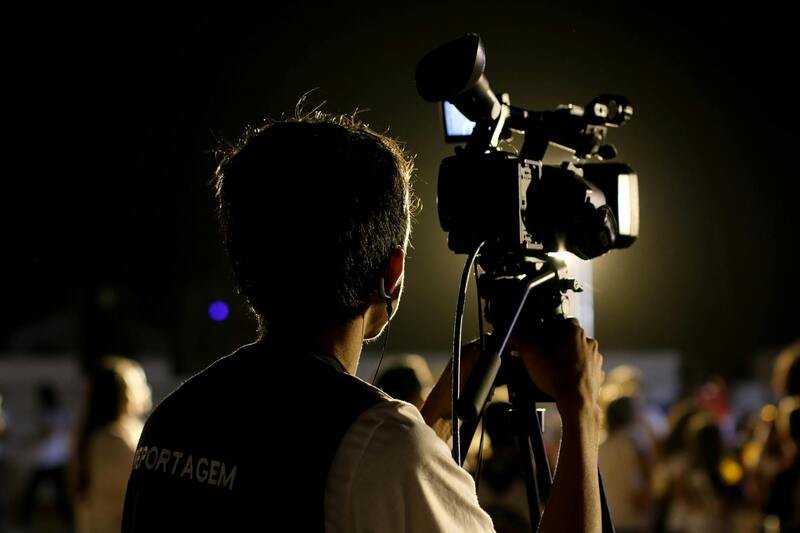
Key Features to Consider When Choosing a Live Stream Service
Selecting the right live streaming provider requires careful evaluation of several critical features that impact the quality and success of your broadcast. Here are the primary factors to consider:
- Video and Audio Quality: Ensure the service supports HD or 4K streaming to deliver crisp visuals and clear sound.
- Reliability and Uptime: Opt for providers with a proven track record of stable connections and minimal downtime.
- Platform Compatibility: Confirm the service can seamlessly broadcast across various platforms such as Facebook Live, YouTube, or custom websites.
- Interactivity Features: Features like live chat, polls, or Q&A sessions can increase audience engagement.
- Technical Support: Availability of expert assistance before and during broadcasts helps prevent technical issues.
- Scalability: Choose a service capable of handling the expected viewer volume, whether small or large-scale events.
- Encryption and Security: Protect your content and viewer data through secure streaming protocols.
Technical Requirements and Setup Process
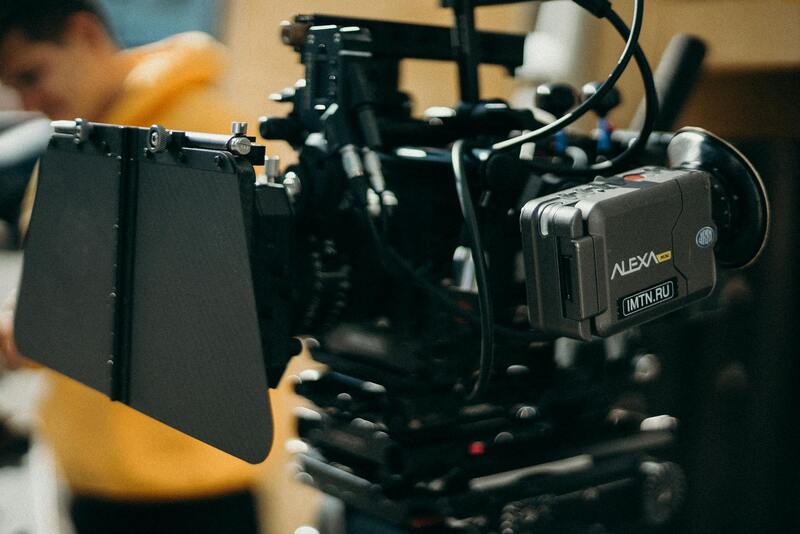
Establishing a successful live stream begins with understanding the technical requirements and setup process. The equipment used during a broadcast significantly impacts the overall quality and viewer experience. Key components include high-definition cameras, professional-grade microphones, streaming hardware encoders, and reliable internet connections with sufficient bandwidth. It is crucial to adhere to specific technical standards to ensure seamless transmission, especially when streaming in HD or 4K resolution.
Before the event, a comprehensive setup plan must be executed. This involves testing all equipment in the actual environment to account for lighting conditions, acoustics, and potential connectivity issues. Ensuring a stable internet connection with dedicated bandwidth prevents interruptions. Many live stream services near Miami offer technical support to assist with setup and configuration, which can streamline this process and minimize last-minute issues.
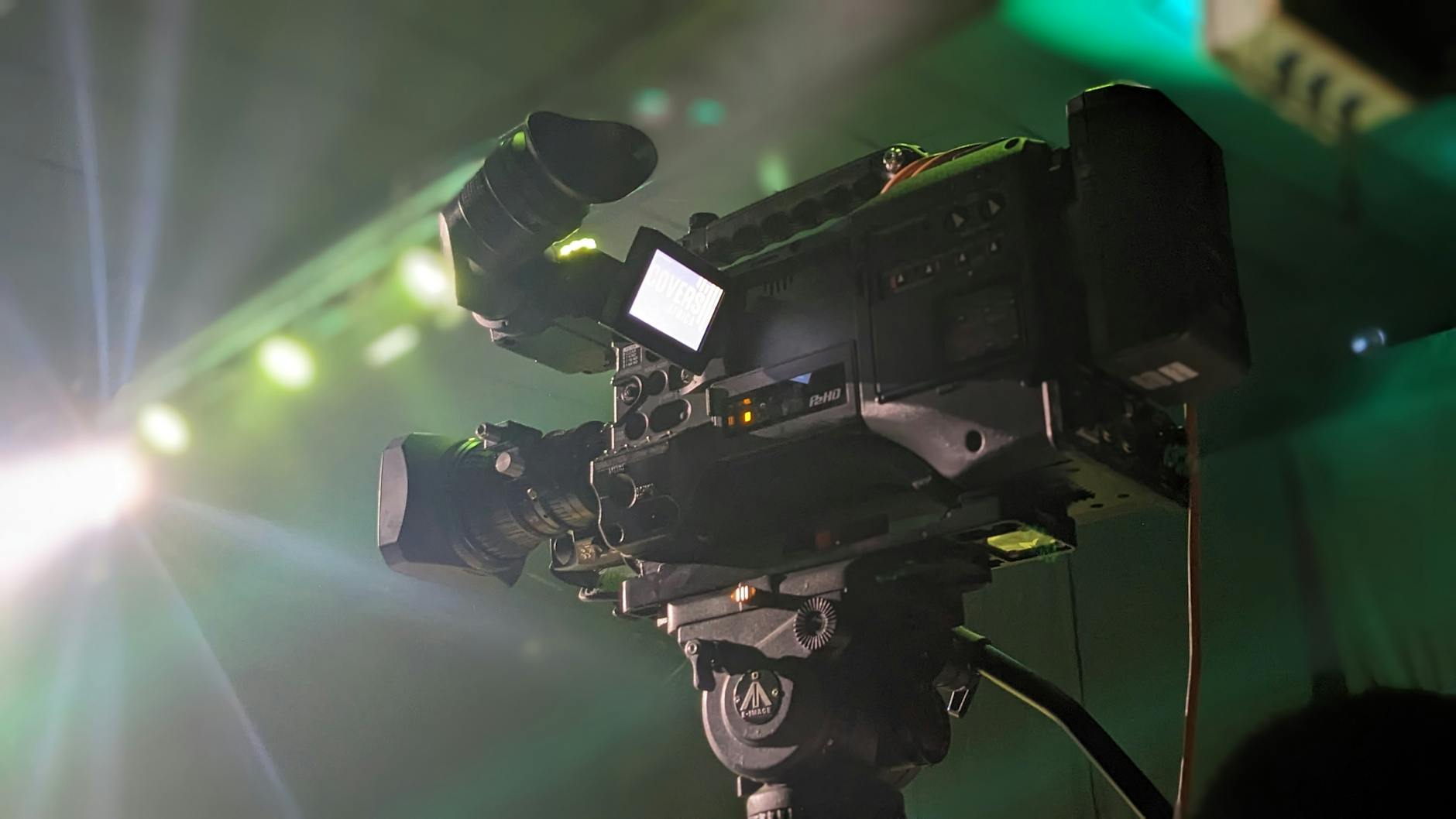
For larger events, a designated technical team may be necessary to manage equipment, monitor streams, and troubleshoot issues in real-time. Smaller events can often be managed with an all-in-one streaming device or software solutions provided by the local service provider. Basic knowledge of networking and streaming protocols is advantageous, but partnering with experienced technicians guarantees a professional broadcast that meets audience expectations.
Additionally, content management systems and streaming platforms should be configured correctly to sync with the hardware setup. Compatibility checks are essential to avoid technical hiccups during the live event. Many providers also offer pre-event consultations to assess your technical needs and ensure optimal setup, creating a smooth transition from preparation to live broadcast.
Ultimately, properly addressing technical requirements and executing a thorough setup process are fundamental steps toward delivering engaging, high-quality live streams that resonate with your Miami-based audience.
Local Live Stream Service Providers in Miami
Finding reputable live stream service providers within Miami involves a comprehensive evaluation of their expertise, equipment, and client feedback. Start by researching local companies that specialize in hosting live broadcasts for a variety of events, including corporate functions, concerts, sports, and community gatherings. A professional provider should demonstrate a strong portfolio of successful projects in Miami or the surrounding areas, showcasing their ability to deliver high-quality streams tailored to different event sizes and genres.
Assess the provider’s technical capabilities, including their use of advanced broadcasting equipment, multiple camera setups, and reliable encoding solutions. It is crucial to confirm that they have experience managing live streams in dynamic environments common in Miami, such as outdoor venues or high-traffic urban locations. Their team of technicians should be adept at handling on-the-spot troubleshooting, ensuring uninterrupted streaming despite potential connectivity or environmental challenges.
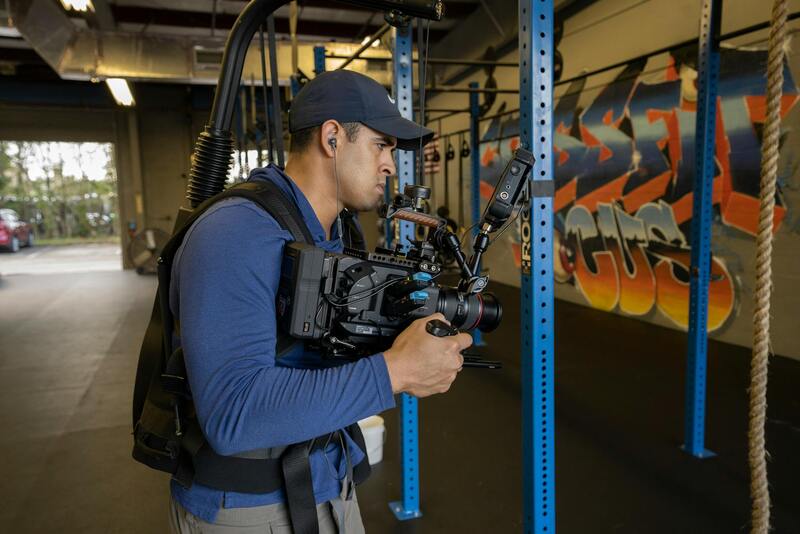
Customer reviews and testimonials can offer insights into their professionalism, punctuality, and overall quality of service. Additionally, inquire about their familiarity with local venues and their ability to coordinate with event organizers to align on timing, branding, and content delivery. When evaluating providers, consider their flexibility in customizing packages to fit your specific event requirements and budget constraints.
Pricing and Packages for Live Streaming in Miami
Live stream service offerings vary significantly based on event complexity, duration, and technical requirements. Standard packages may include basic HD streaming in a single camera configuration for smaller events, while more elaborate productions might involve multiple camera angles, graphics, on-screen branding, and real-time captioning. Many providers offer tiered pricing models, allowing clients to select essential features without overextending their budget.
Additional costs could encompass pre-event planning, on-site technical support, post-event recording, and cloud storage or downloadable content. It’s essential to obtain detailed quotes that specify each component of the service to compare options effectively. Understanding what is included in each package helps prevent unexpected charges and ensures your event receives the desired level of production quality.

Some providers offer customizable packages that can be tailored for specific events, whether it’s a corporate presentation, religious service, or a concert. Inquire about any additional fees for technical support, equipment rental, or post-event editing to maintain transparency and avoid surprises. Comparing the value offered within different packages will help you choose a service that maximizes your investment.
Technical Requirements and Setup Process
Establishing a successful live stream begins with understanding the technical prerequisites for your event. Essential components include high-speed internet with sufficient bandwidth, professional-grade cameras, microphones, and encoders capable of transmitting high-quality video. For larger or outdoor events, a dedicated internet connection and backup systems are recommended to mitigate potential disruptions.
The setup process involves configuring hardware and software components to synchronize content delivery seamlessly. This includes testing all equipment, setting up streaming platforms, and establishing a reliable data connection—preferably via wired Ethernet to avoid Wi-Fi instability. Many local providers also conduct pre-event site inspections to plan for optimal camera placement, lighting, and sound quality, which are vital for engaging broadcasts.
Implementing a clear workflow for live switching, streaming, and monitoring significantly improves the production quality. During the event, technical teams oversee the operation, troubleshoot issues in real-time, and ensure the stream remains active and of consistent quality. Post-event, providers often offer content delivery options, such as archived recordings or highlights, which can extend the impact of your live broadcast.
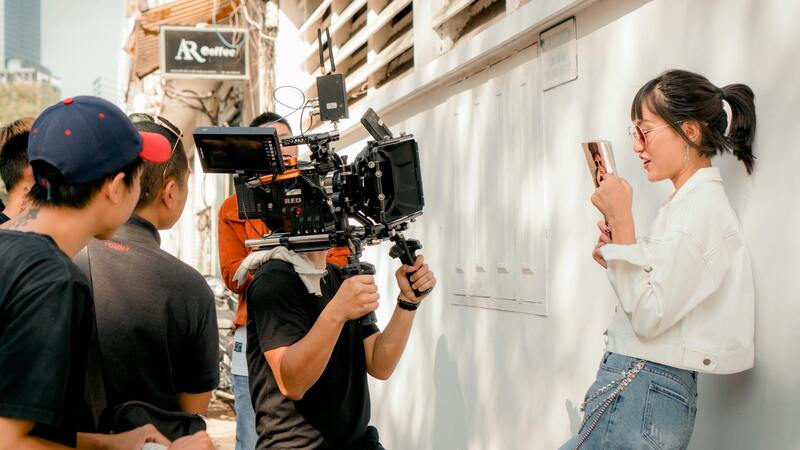
Opting for a local live stream service near Miami guarantees quicker onsite support, easier communication, and a better understanding of venue-specific challenges. By meticulously planning your technical requirements and coordinating with experienced technicians, you enhance the likelihood of a seamless broadcast that captures and retains your audience’s attention throughout the event.
Technical Requirements and Setup Process
Establishing a professional live stream requires careful planning of technical specifications and setup procedures. The process begins with assessing the venue’s existing infrastructure, including internet bandwidth, power sources, and available space for equipment placement. High-quality streaming hinges on a stable, wired internet connection—Fiber Optic or high-speed Ethernet are preferred to prevent lag and interruptions during the broadcast.
Once foundational elements are confirmed, the equipment setup involves selecting appropriate cameras, audio gear, and live switching consoles. Multiple cameras are typically employed to provide dynamic shots; they are seamlessly integrated with live switchers that allow for professional transitions, overlays, and graphics. Audio quality is equally vital, with external microphones and audio mixers used to capture clear sound, minimizing background noise.
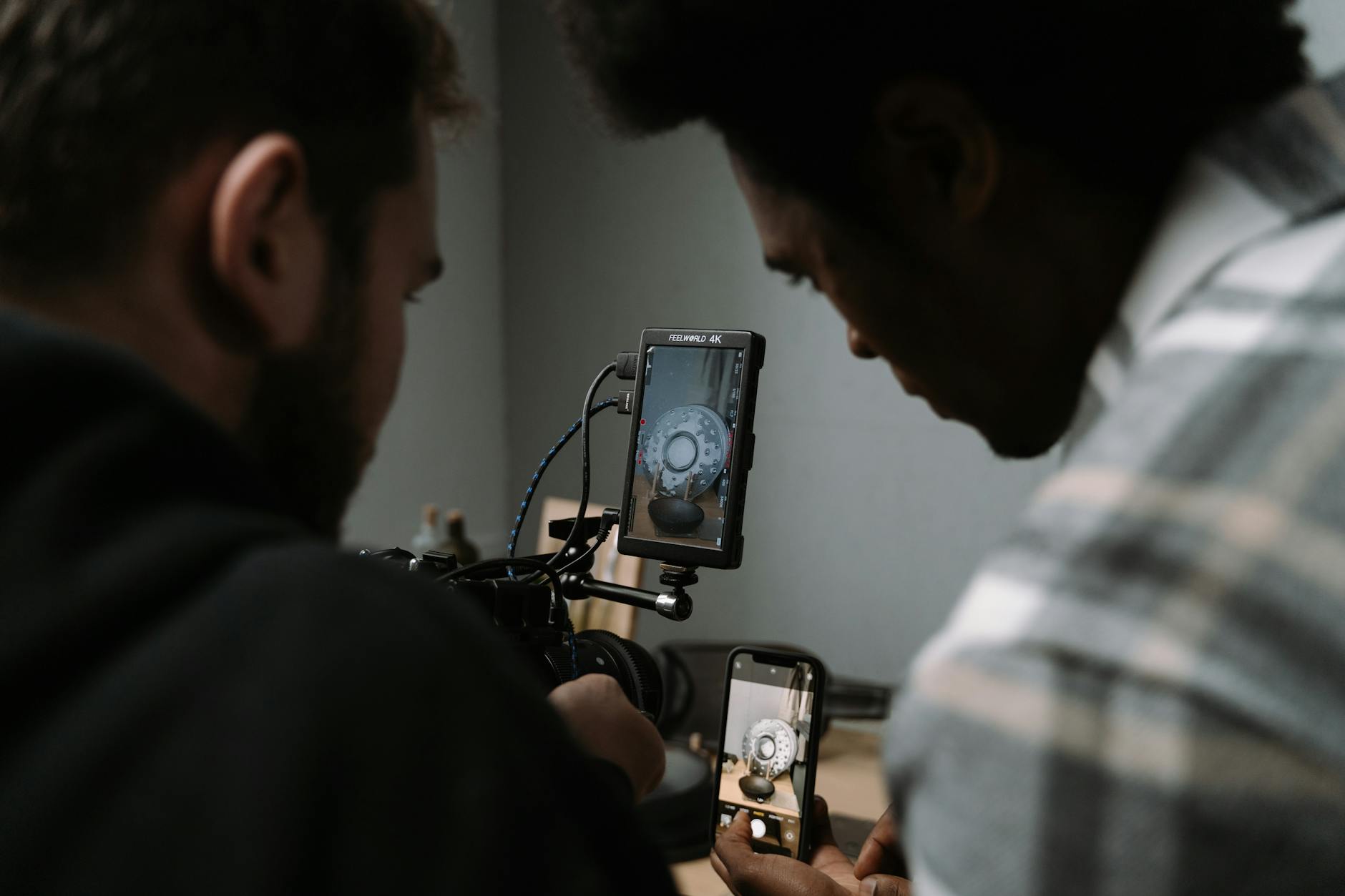
The process continues with configuring streaming software and hardware, which involves setting up encoding devices that convert live footage into digital streams compatible with chosen streaming platforms. Prior to the event, technicians perform comprehensive tests—checking video and audio synchronization, stream stability, and latency. This pre-event checklist ensures the stream will run smoothly under live conditions.
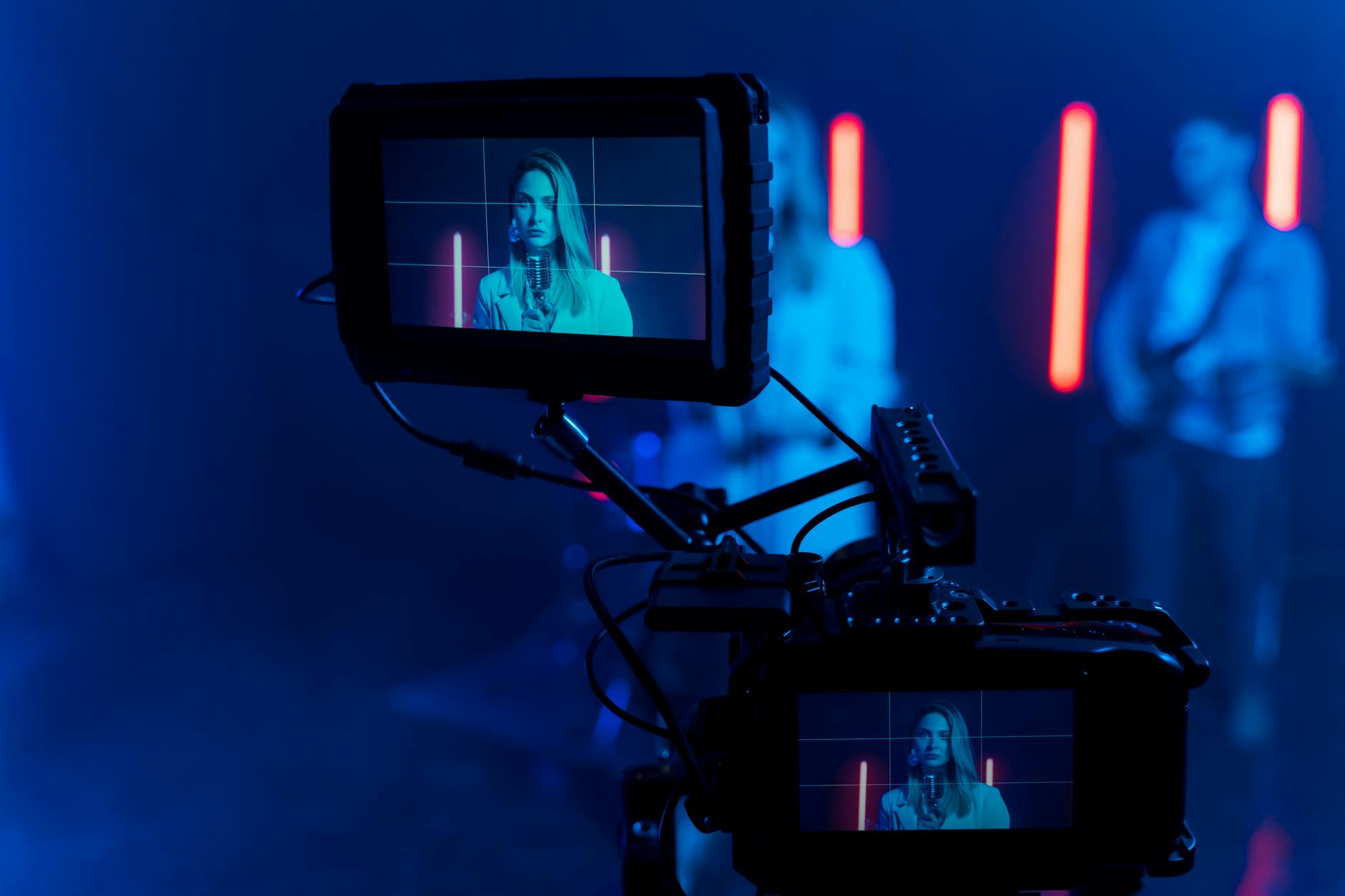
During the event, a dedicated technical team manages the live broadcast, monitoring the stream’s health via multiple screens, adjusting camera angles, switching feeds, and resolving unexpected issues promptly. Some providers also incorporate multi-platform streaming, allowing audiences to access the event via various channels simultaneously. After the event, detailed analytics and recordings are often provided, enabling clients to review viewer engagement and optimize future broadcasts.
Technical Requirements and Setup Process
Successful live streaming in Miami begins with understanding the technical prerequisites necessary to ensure a flawless broadcast. Clients should be prepared for a detailed setup process that includes specific hardware, software, and network configurations. Typically, the process starts with high-quality video capture devices, such as professional-grade cameras capable of delivering crisp images at various resolutions. Alongside visual equipment, microphone systems and audio mixers are indispensable for capturing clear sound, minimizing background noise, and enabling dynamic audio control during the broadcast.
Once hardware is in place, the next step involves configuring encoding hardware or software, which compresses the live footage into digital streams suitable for internet streaming. This setup must be compatible with targeted streaming platforms, whether it be YouTube Live, Facebook Live, or other specialized services. Network stability is critical; a wired Ethernet connection is strongly recommended over Wi-Fi to prevent interruptions caused by fluctuating wireless signals. Bandwidth requirements depend on stream quality but generally aim for at least 5 Mbps upload speed for HD streams.
Pre-event testing forms a core part of the setup process. This includes verifying video and audio synchronization, stream stability, and latency levels. False starts and buffering issues can be mitigated through extensive dry runs, where the entire setup is tested under conditions that mimic the live event. During these tests, technicians troubleshoot potential problems, calibrate equipment, and fine-tune streaming settings to optimize performance.
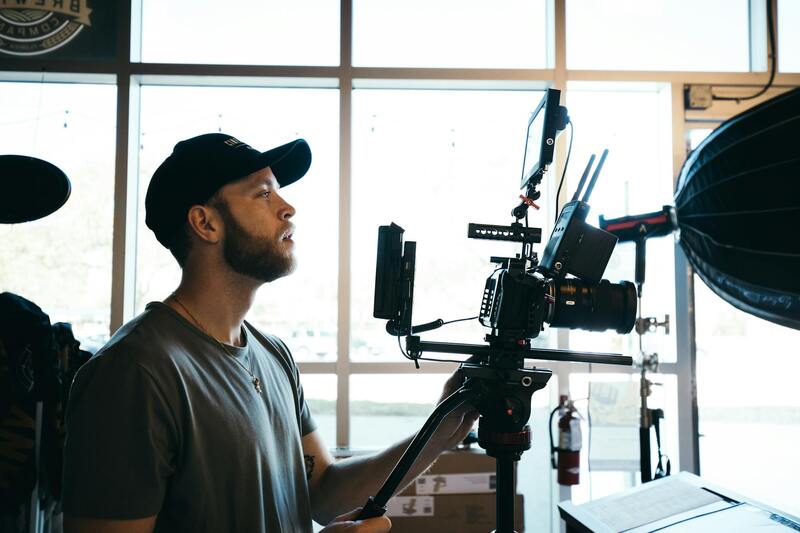
On the day of the event, a dedicated technical team coordinates the entire process. They oversee the operation of cameras, audio feeds, and streaming hardware, ensuring all devices function cohesively. Real-time monitoring of the broadcast involves multiple screens displaying network health, stream quality, and audio levels, enabling immediate adjustments as needed. The technician team manages camera switching, overlays, graphics, and any live interactivity, maintaining a professional presentation throughout the event.
Additionally, many service providers integrate multi-platform streaming technology, allowing audiences to access the content across various channels simultaneously without interruption. Post-broadcast activities include providing detailed analytics on viewer engagement, peak viewing times, and demographic information, which are crucial for planning future events. Recordings of the event may also be made available, serving as valuable assets for promotional activities or archival purposes.
Benefits of Hiring Local Live Stream Services
Engaging a Miami-based live stream service offers distinct advantages tailored to the local environment. Local providers possess in-depth knowledge of Miami’s venue venues, infrastructure, and logistical considerations, facilitating smoother setup and execution. Having a team familiar with local regulations and permits can streamline the entire process, reducing event planning complexities.
Furthermore, local providers often have direct access to an extensive network of local vendors, equipment rental companies, and technical experts, which can enhance the quality and reliability of your stream. Being geographically close means they can respond swiftly to any on-site issues, minimizing downtime or technical glitches. This responsiveness is critical during high-stakes events where seamless live delivery directly impacts the event’s success.
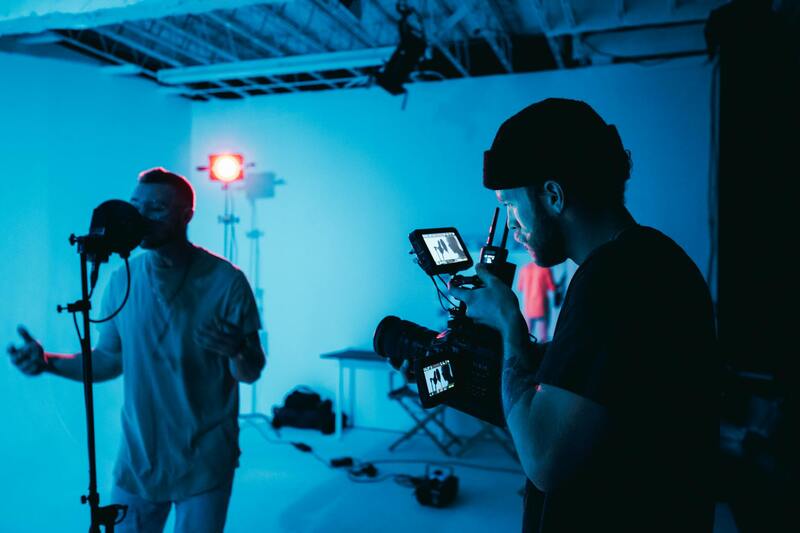
Additionally, working with local providers supports the community by fostering relationships with Miami’s event organizers, venues, and businesses. Their familiarity with local audience preferences and cultural nuances enables tailored streaming experiences that resonate more effectively. This localized approach often results in higher viewer engagement and a more professional, polished presentation. Overall, choosing a nearby live stream service ensures personalized attention, quick response times, and higher service quality, creating a seamless hybrid or virtual event experience for audiences in Miami and beyond.
Understanding Live Stream Services in Miami
Live stream services in Miami provide a crucial connection for businesses, event organizers, and content creators aiming to reach their audience in real time. These services encompass a range of technical solutions designed to broadcast high-quality video and audio from various venues across the city, whether it’s a corporate conference, a music concert, or a community festival. Opting for a local provider ensures that the streaming setup aligns with Miami’s unique infrastructure and audience expectations, resulting in smoother operation and enhanced viewer engagement.
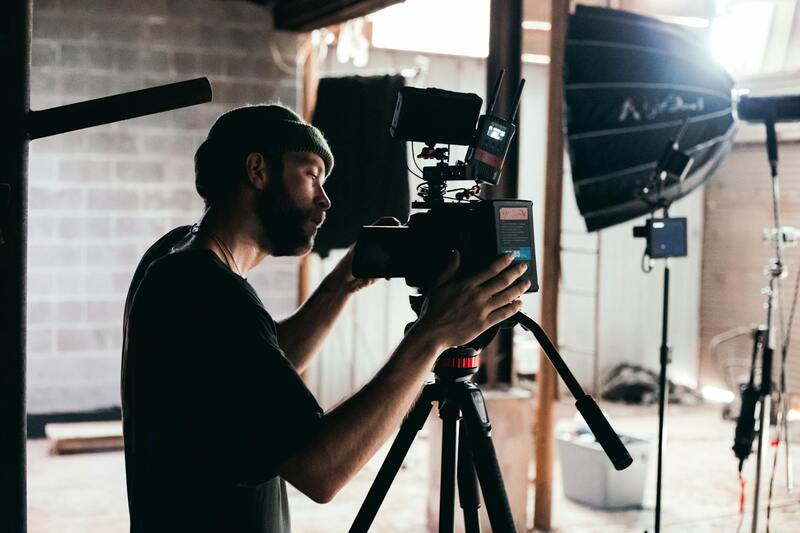
Miami’s vibrant event scene demands reliable streaming solutions capable of handling high traffic volumes and ensuring minimal latency. Live stream services in the area utilize advanced technologies, such as multi-camera setups, real-time encoding, and adaptive streaming protocols, to optimize the experience across a variety of devices. Their knowledge of the local landscape, from well-known venues to emerging event spaces, helps tailor each broadcast to the specific environment and audience expectations.
Key Features to Consider When Choosing a Live Stream Service
- Technical Capabilities: The provider should support high-definition video, multiple camera angles, and real-time graphics.
- Platform Compatibility: The service must seamlessly integrate with popular streaming platforms or social media channels visited by the Miami audience.
- Reliability and Support: 24/7 technical support and backup solutions are essential to prevent disruptions during live events.
- Customization Options: Personalization of the stream, including branding, overlay graphics, and interactiveness, enhances viewer engagement.
- Experience with Local Venues: Familiarity with Miami’s event spaces ensures smoother logistics and setup.
Local Live Stream Service Providers in Miami
Numerous Miami-based companies specialize in providing live streaming solutions tailored to the city’s dynamic event landscape. These providers often boast extensive experience working with local venues such as the Miami Beach Convention Center, American Airlines Arena, or intimate outdoor spaces across Wynwood. Their teams are adept at managing on-site technical requirements, ensuring high-quality broadcasts with minimal downtime.
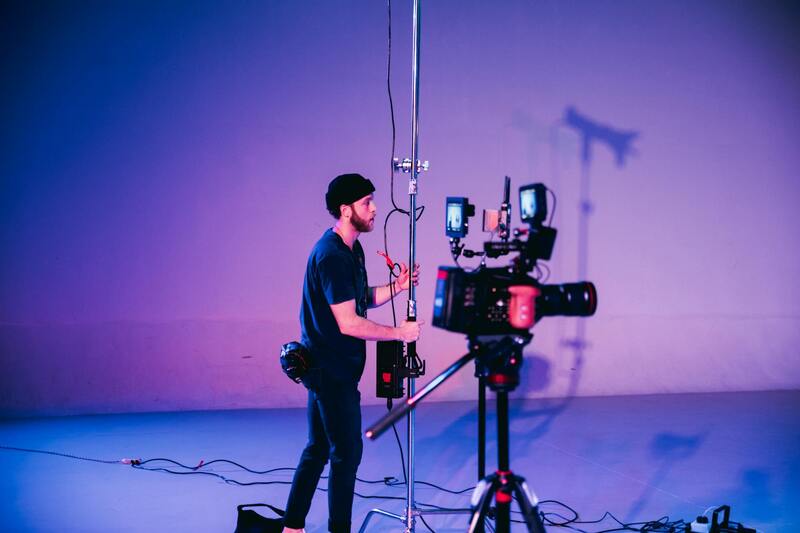
By collaborating with professionals familiar with Miami’s infrastructure, users benefit from streamlined setup processes and swift on-site troubleshooting. These local providers also understand the cultural and community aspects that influence content presentation, allowing for more engaging and contextually relevant broadcasts. Whether the goal is an internal corporate event or a large-scale public festival, Miami’s live stream service providers offer flexible packages designed to meet various needs and budgets.
Pricing and Packages for Live Streaming in Miami
Live streaming costs in Miami vary depending on the scope, duration, and technical complexity of each event. Basic packages might include a single camera feed suitable for smaller conferences or webinars, typically priced on an hourly basis. More intricate productions involving multiple cameras, on-site technical support, and interactive features can command higher fees, often bundled into comprehensive packages.
- Entry-Level Packages: Suitable for small events with limited production requirements, often starting around a few hundred dollars for a set number of hours.
- Standard Packages: Offer multi-camera setups, professional audio, and basic graphics, ideal for medium-sized events.
- Premium Packages: Full-scale live broadcasts with multiple feeds, advanced graphics, multi-platform streaming, and post-event analytics.
Many local providers customize packages to fit specific event needs, providing transparent pricing structures so clients can plan budgets effectively. It is advisable to discuss all requirements in detail to receive an accurate quote and ensure that the chosen package aligns with the expected reach and quality standards.
Technical Requirements and Setup Process
Preparing for a live stream in Miami involves understanding the technical prerequisites to facilitate a successful broadcast. Essential elements include a stable high-speed internet connection with sufficient bandwidth to support high-definition streaming. Typical requirements also include:
- Multiple professional-grade cameras and microphones.
- Streaming encoding hardware or software capable of compressing and transmitting high-quality video.
- Power sources and backup solutions to prevent interruptions.
- Control interfaces for switching between camera angles and managing overlays in real time.
- Connectivity to streaming platforms, whether social media channels, dedicated servers, or CDN networks.
The setup process usually commences with a site survey to assess available infrastructure, followed by equipment installation and testing. Local providers often use their established relationships with venues and rental companies to streamline equipment sourcing and setup. Pre-event rehearsals are crucial to troubleshoot potential issues, confirm audio-visual synchronization, and verify stream stability. During the event, on-site technicians monitor all systems continuously, addressing any technical challenges promptly to ensure uninterrupted live delivery.
Understanding Live Stream Services in Miami
Miami stands out as a vibrant hub for corporate events, concerts, religious gatherings, and community festivals, all of which increasingly utilize live streaming to reach wider audiences. Live stream services in Miami leverage cutting-edge technology and experienced technical teams to deliver high-quality broadcasts tailored to the specific needs of each event. These services encompass a range of offerings from simple camera setups for small gatherings to large-scale multi-camera productions for high-profile events. Understanding how these services operate, the equipment involved, and the level of expertise required is essential for organizers aiming for seamless live broadcasts. Local providers often have established relationships with venues and media outlets, allowing for a smooth setup process and troubleshooting assistance that ensures the broadcast runs without a hitch. Miami’s diverse event landscape demands versatile live stream solutions, capable of handling varying bandwidth requirements, lighting conditions, and audio environments. By selecting a service provider familiar with the local scene, event organizers can ensure their event's live webcast captures every detail with clarity and professionalism, thereby expanding their reach and engaging audiences across the globe.
Key Features to Consider When Choosing a Live Stream Service
When selecting a live stream service provider in Miami, several critical features should be evaluated to guarantee a successful broadcast. Here's a detailed breakdown:
- Video and Audio Quality: High-definition (HD) or 4K streaming capabilities ensure viewers experience clear visuals. Professional-grade microphones and audio mixing equipment contribute to crisp sound quality, reducing background noise and enhancing speech intelligibility.
- Bandwidth and Streaming Reliability: A stable, high-bandwidth internet connection is fundamental. Service providers should have dedicated upload channels and contingency plans such as backup internet sources to prevent interruptions.
- Multi-Camera and Production Capabilities: The ability to switch between multiple camera angles, incorporate overlays, graphics, and real-time comments elevates the production value and viewer engagement.
- Platform Compatibility: Compatibility with popular streaming platforms like YouTube, Facebook Live, and custom RTMP servers is essential for reaching diverse audiences across various channels.
- Technical Support and On-Site Expertise: On-demand access to experienced technicians during the event ensures quick troubleshooting and minimal downtime during unexpected issues.
- Customization and Branding: Options for including logos, watermarks, lower thirds, and other branding elements help maintain event identity and professionalism throughout the broadcast.
- Replay and Archive Services: Post-event recordings are valuable for marketing and content repurposing, making this feature advantageous for organizers seeking ongoing engagement.
Local Live Stream Service Providers in Miami
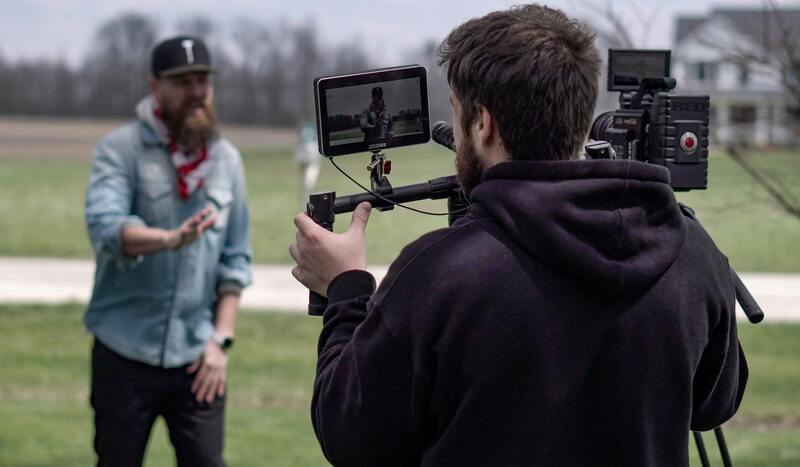
Miami boasts several reputable companies specializing in professional live streaming services tailored to various event requirements. These providers typically offer comprehensive packages that include equipment rental, on-site technical support, and post-event analytics. Notable local providers emphasize personalized consultation to understand the specific goals of each event, whether it's a corporate conference, a religious service, or a cultural festival. Many of them maintain state-of-the-art studios and mobile units capable of handling complex multi-camera productions. Their familiarity with Miami’s venues and logistical considerations allows for efficient setup and execution, making them a preferred choice for organizers seeking reliable service near their location.
Pricing and Packages for Live Streaming in Miami
The cost structure for live streaming services varies based on several factors, including event scale, technical complexity, duration, and post-production needs. Most providers offer tiered packages to accommodate different budgets and requirements:
- Basic Package: Suitable for small events, this typically includes a single camera broadcast, basic audio setup, and streaming to one platform. Costs can start as low as a few hundred dollars for a few hours of coverage.
- Standard Package: Features multi-camera setups, professional audio, graphics overlays, and streaming to multiple platforms. This option is ideal for medium-sized events and generally ranges from $1,000 to $3,000 per event.
- Premium Package: Designed for large-scale productions with complex requirements such as multiple camera angles, live switching, real-time overlays, and on-site technical support. Pricing may exceed $5,000 depending on the event's scope.
Additional costs might include editing of recorded footage, custom branding elements, or on-demand archive services. It's advisable to request detailed proposals tailored to your specific event needs to ensure transparency and accurate budgeting.
Technical Requirements and Setup Process
Preparing for a live stream in Miami involves understanding the essential technical elements to guarantee a successful broadcast. Critical components include:
- High-Speed Internet Connection: A dedicated, high-bandwidth connection prevents buffering and ensures smooth streaming. Ideally, upload speeds should be at least 20 Mbps for HD quality.
- Professional Video Equipment: Multiple HD or 4K cameras, tripods, and stabilization gear are standard. Additional equipment such as gimbals or drones may be utilized for dynamic shots.
- Audio Equipment: Quality microphones, mixers, and soundboards are key to capturing clear audio. Windshields and wireless mics are frequently used for mobility and outdoor events.
- Encoding Hardware or Software: Devices or applications that compress and transmit video data to streaming platforms are necessary, especially for high-quality broadcasts.
- Power Sources and Backup: Uninterruptible power supplies (UPS) and backup generators protect against outages during critical phases of the event.
- Control Systems: Hardware or software that allows live switching between cameras, adding overlays, and managing transitions in real-time.
The setup process generally involves conducting a site survey to assess infrastructure, installing equipment, and thorough testing to troubleshoot potential issues before the event. Providers often coordinate with venue staff and supply rental gear if required. During the event, on-site technicians continually monitor all systems, ensuring any technical problems are swiftly resolved, maintaining a consistent broadcast quality.
Understanding Live Stream Services in Miami
Miami's vibrant event scene and dynamic business environment make live streaming an essential tool for reaching audiences both locally and globally. As demand grows, so does the availability of specialized live stream services that cater to a diverse array of needs, from corporate conferences and weddings to cultural festivals and sports events. These services leverage cutting-edge technology and experienced professionals to deliver seamless broadcasts that capture every moment with clarity and precision.
Local live stream providers often possess an intrinsic understanding of Miami’s unique venues, optimal internet solutions, and audience engagement techniques tailored to regional preferences. They are equipped to handle various event scales, whether it’s a small corporate meeting or a large outdoor festival, ensuring that the broadcast aligns with the event’s atmosphere and objectives. Additionally, Miami-based providers stay updated with the latest streaming platforms and content delivery methods, enhancing the accessibility and interactivity of live streams for viewers.

By choosing local live stream services, organizers benefit from proximity’s advantages—reduced setup times, on-site technical support, and a better understanding of regional infrastructure. These elements collectively contribute to a smooth broadcasting experience that resonates with both remote viewers and in-person attendees.
Key Features to Consider When Choosing a Live Stream Service
- Experience and Portfolio: A proven track record of successful streams, especially within Miami’s event landscape, demonstrates reliability and expertise.
- Technology and Equipment: The availability of high-definition cameras, professional audio systems, and robust encoding hardware ensures high-quality output.
- Technical Support: On-site technicians familiar with the local infrastructure help troubleshoot issues promptly, minimizing disruptions.
- Customization Options: Services should offer branding overlays, multi-camera angles, and interactive features to enhance viewer engagement.
- Turnkey Solutions and Flexibility: Providers offering end-to-end packages, including setup, streaming, and post-event services, streamline the process and adapt to specific needs.
Pricing and Packages for Live Streaming in Miami
Many local providers offer a range of pricing structures based on event complexity and content requirements. Basic packages often include essential live streaming, access to a single camera, and HD quality, suitable for smaller sessions or internal corporate meetings. More comprehensive packages encompass multi-camera setups, professional audio, graphics overlays, and on-demand recordings, catering to larger or more high-profile events.
It’s common for providers to customize quotes after assessing the event scope, location logistics, and desired audience reach. Transparent pricing and detailed breakdowns help organizers plan budgets effectively and avoid unexpected costs. Additionally, some providers provide tiered packages allowing flexibility for events of varying scale and technical demands.
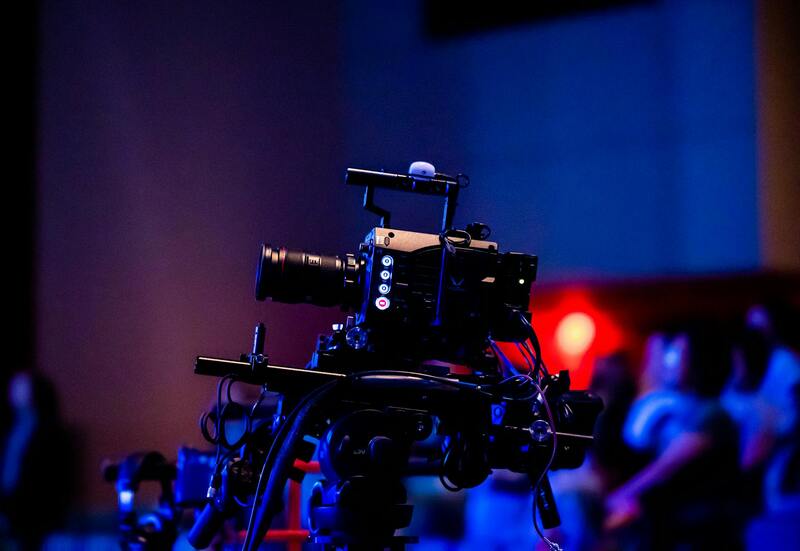
Collaborating with a nearby provider simplifies coordination and allows for more personalized service. It also facilitates quicker setup and on-site adjustments, ensuring a seamless audience experience. Exploring local options enables event organizers to select a provider that best aligns with their technical needs and budget considerations, fostering a successful live broadcast that elevates the event’s profile.