
Updated: October 25, 2026
The document that prevents most video disputes
Almost every disagreement between a client and a video production company traces back to something that was assumed rather than written. The client assumed three rounds of changes. The producer assumed one. The client assumed the footage would be handed over. The producer assumed it would not. Both parties are acting in good faith and both are working from a different picture of the same project.
A statement of work is where that picture gets written down. It is not the contract, which covers legal terms, and it is not the creative brief, which covers intent. It is the specific description of what will be produced, by whom, by when, and what happens if any of that changes.
Where it sits relative to the other documents
| Document | Answers |
|---|---|
| Creative brief | what the video is for and what it should achieve |
| Proposal | the proposed approach and roughly what it costs |
| Statement of work | exactly what will be delivered and under what conditions |
| Contract | legal terms, liability, ownership, termination |
| Change order | what happens when the statement of work changes |
On smaller projects these often collapse into one document, which is fine as long as the content is present. What causes trouble is a project that has a friendly proposal and a legal contract but nothing in between specifying the actual work. The brief side is covered in how to write a creative brief for your Miami video project.
What has to be specified
Deliverables, precisely
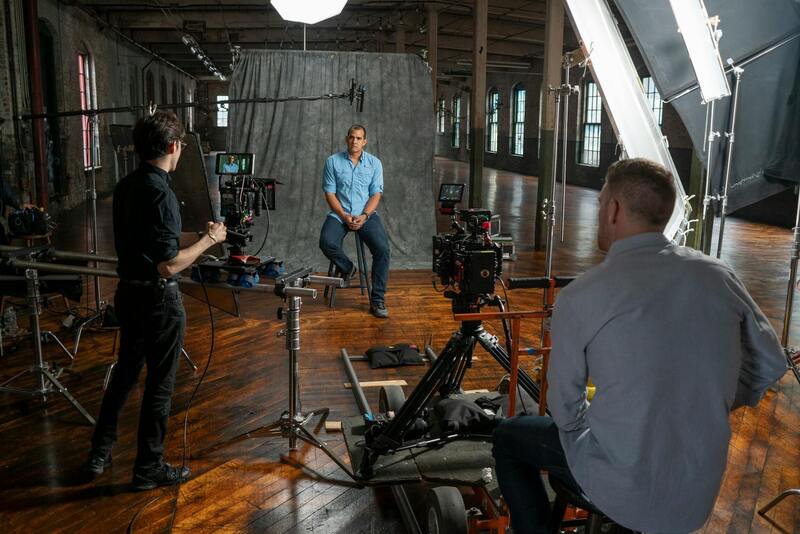
Not a video, but a specific list: how many finished pieces, each with an approximate duration, aspect ratio, language version and intended platform. A project delivering one three-minute film is a different job from one delivering a three-minute film plus four vertical cuts and a Spanish version, and the difference is significant.
Production scope
Number of shoot days, locations, crew size, whether talent is cast or provided, whether a studio is used. These drive cost more than anything else and they are what changes when a project expands.
What the client provides
Access to locations, availability of people to appear on camera, brand assets, logos, existing footage, approved copy, product samples. A surprising number of delays are caused by the client side rather than the production side, and writing the dependency down makes it visible.
Revisions
How many rounds, what constitutes a round, and what falls outside it. A round is normally one consolidated set of feedback, not a stream of individual comments over two weeks. This is covered further in understanding revision rounds in your video contract.
Timeline
Key dates with dependencies attached, so it is clear that a delivery date assumes feedback arrives by a certain point. A timeline without dependencies quietly makes the production company responsible for the client's delays.
Music and stock
What licence is included, for which platforms, which territories and for how long. This is the item most often discovered too late, when a film needs to run as paid advertising and the licence does not cover it.
Footage and file ownership
Who owns the finished film, whether raw footage is handed over, and whether project files are included. These are three separate questions with three separate answers, and none should be assumed.
Payment schedule
Amounts, triggers and terms. Tied to milestones rather than to dates where possible, so a delay on either side does not create an odd situation.
The clauses that matter when something goes wrong
- Weather and postponement. Who bears the cost when a shoot cannot happen, and how much notice is required.
- Cancellation. What is payable at each stage, since costs are committed long before a shoot day.
- Talent unavailability. What happens if the executive who was to appear cannot make it.
- Scope changes. The process for handling them, discussed in change orders and scope creep.
- Approval deadlines. What happens when feedback does not arrive, since a project cannot sit open indefinitely.
- Confidentiality. Particularly where the shoot takes place in a workplace with sensitive information visible.
None of these clauses is adversarial. They exist so that when an ordinary problem arises, both parties already know the answer instead of negotiating under pressure.
Vague phrases to replace
Certain wordings appear in statements of work regularly and cause trouble every time.
Final delivery without saying in what format and how. Reasonable revisions, which means different things to each party. Social media versions, without saying how many or in which ratios. Raw footage available, without saying whether that means all of it, whether it is transcoded, and who pays for the transfer. As discussed, which refers to a conversation nobody wrote down. And subject to availability, without saying whose.
Replacing each of these with a specific number or a named condition takes minutes and removes the most common causes of friction.
Proportion matters
A statement of work for a small single-day project should be one or two pages. For a multi-shoot campaign with several deliverables it may be five or six. What it should never be is absent, and it should never be longer than the project justifies, because an unreadable document gets signed unread and provides no protection to anybody.
The test is simple: could a colleague who was not in any of the meetings read it and know what is being produced? If not, it needs more detail. If it takes them an hour, it needs less.
Keeping it alive during the project
A statement of work signed at the start and never opened again is only half useful. The projects that run smoothly are the ones where the document stays in circulation.
Refer to it at the kickoff, walking through the deliverable list out loud so everyone hears the same version. Refer to it when a request arrives that sounds small, because that is the moment to establish whether it sits inside the agreed scope or outside it. And refer to it at delivery, checking each item off rather than assuming everything was covered.
Where something does change, and on most projects something will, record it properly rather than by email agreement buried in a thread. A one-paragraph amendment noting what changed, what it costs and how it affects the timeline keeps the document accurate. Two or three of those over a project is normal and healthy; a project where the signed document bears no relation to what was actually made is one heading for an uncomfortable final invoice.
It is worth naming one person on each side as the owner of the document. Not the most senior person, but whoever is closest to the day-to-day work, since they are the one who will notice when reality and paper diverge.
Reviewing one you have been sent
- Check the deliverable list matches what you have in your head, item by item.
- Count the revision rounds and check what triggers one.
- Find the music licence terms and confirm they cover paid use if you might need it.
- Check whether raw footage is included, and if it matters to you, ask.
- Look for the client dependencies and confirm you can meet them.
- Check the timeline for the assumptions it makes about your feedback.
- Look for what happens if a shoot is postponed.
- Confirm the payment triggers are events you control or can verify.
If something is missing, ask for it to be added rather than assuming the omission is favourable. Most production companies will add clarity willingly, since ambiguity causes them problems too.
When to negotiate and when not to
Terms worth pushing on are the ones that affect how you can use the finished work: licence scope, ownership, footage access and versions. These have real value and they are far cheaper to secure at the start than to buy later.
Terms worth accepting are the ones that protect the producer against genuine risk: cancellation costs, weather provisions and limits on revision rounds. A production company that has committed crew and equipment has real exposure, and pushing those terms to zero usually gets priced back in elsewhere.
Comparing offers becomes far easier once statements of work are in front of you, because two quotes that looked similar often turn out to describe different jobs. That comparison is set out in how to compare Miami video production quotes.
How we handle scope
We write a statement of work for every project, including small ones, listing each deliverable with its duration, ratio, language and destination, together with what we need from the client and by when. Revision rounds are defined, music licence scope is stated, and whether raw footage is included is answered rather than left open.
Where a client asks for something outside the agreed scope mid-project, we say so and price it rather than absorbing it quietly and raising it at invoicing. More on the commercial side of video is on our blog, background on the about page, and you can reach us through the contact page.
The short version
A statement of work sits between the creative brief and the contract, and it is where most disputes are prevented. Specify deliverables item by item with duration, ratio, language and destination. State production scope, what the client provides, how many revision rounds and what triggers one. Write the timeline with dependencies attached. Be explicit about music licence scope, raw footage and project file ownership, which are three separate questions. Include provisions for postponement, cancellation and scope change. Replace vague phrases with numbers, keep it proportionate to the project, and negotiate hardest on the terms that affect how you can use the finished work.